
About Author
Meet Ankita, a journalist and editor who’s spent almost a decade getting good stories in front of the people they’re meant for. At Starlust, you’ll find her covering the latest discoveries and stories from NASA, ESA, SpaceX, upcoming skywatching events, and more. Over the years, she’s worked on thousands of articles across a wide range of topics, with her work reaching millions of readers. Before joining Starlust, she served as Chief Editor at Kalrecon and covered stories for CollegeDunia and GameRant. Outside of work, Ankita spends her free time reading and exploring different creative side projects.
Latest From Ankita Garkoti
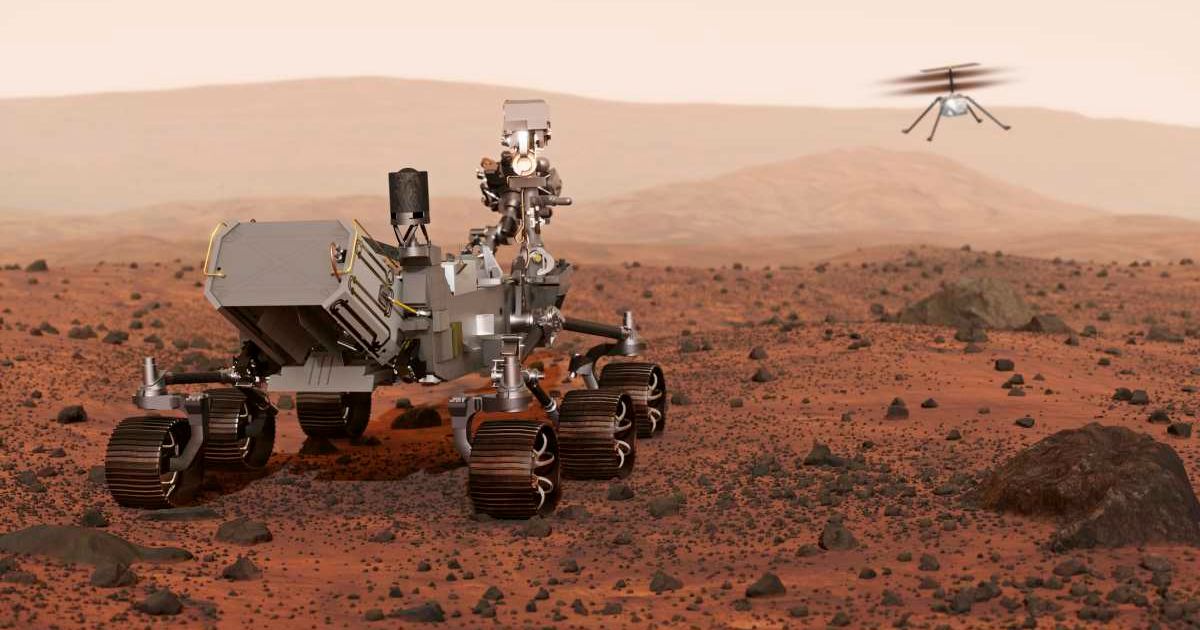
Did NASA's Perseverance find signs of life on Mars? Study points to complex carbon in Martian rocks
On Earth, these kinds of markings are usually linked to microbial life. Could this be true for Mars?
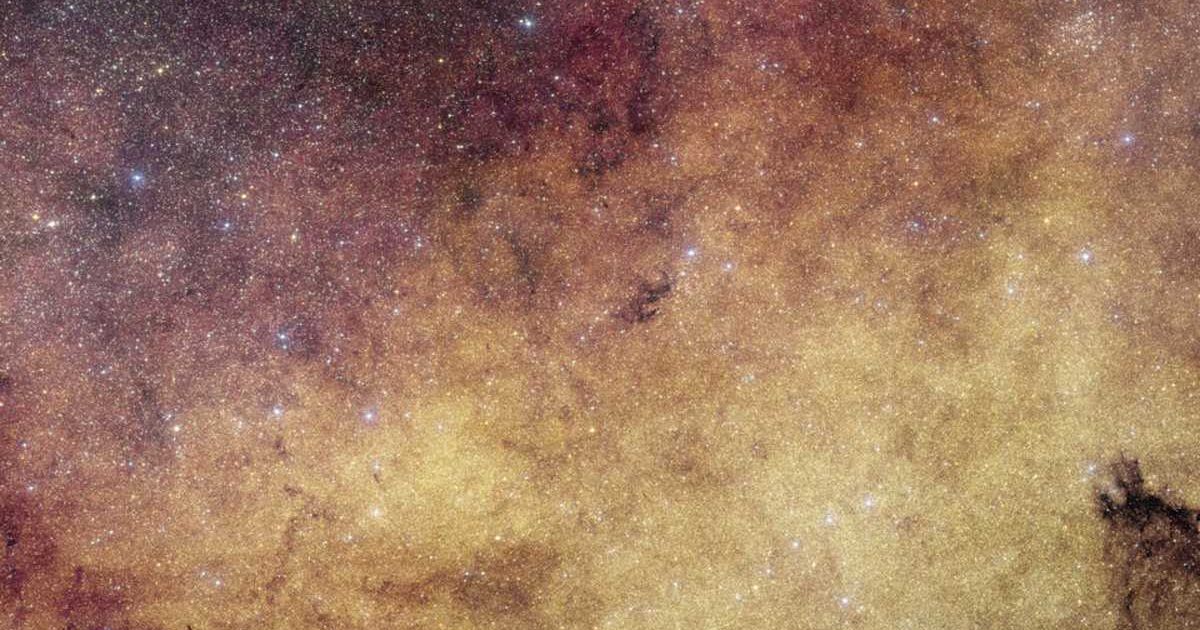
ESA's Euclid took the most detailed photo ever of the Milky Way's core—and made a surprising discovery
Euclid captured more than 60 million stars, with nebulas and star clusters, and planets among them.

All about Soyuz 11: The first crewed space station mission and the fatal disaster that followed
'Goodbye...till we see you soon on Mother Earth,' were the hopeful last words of the ill-fated Soyuz 11 crew.
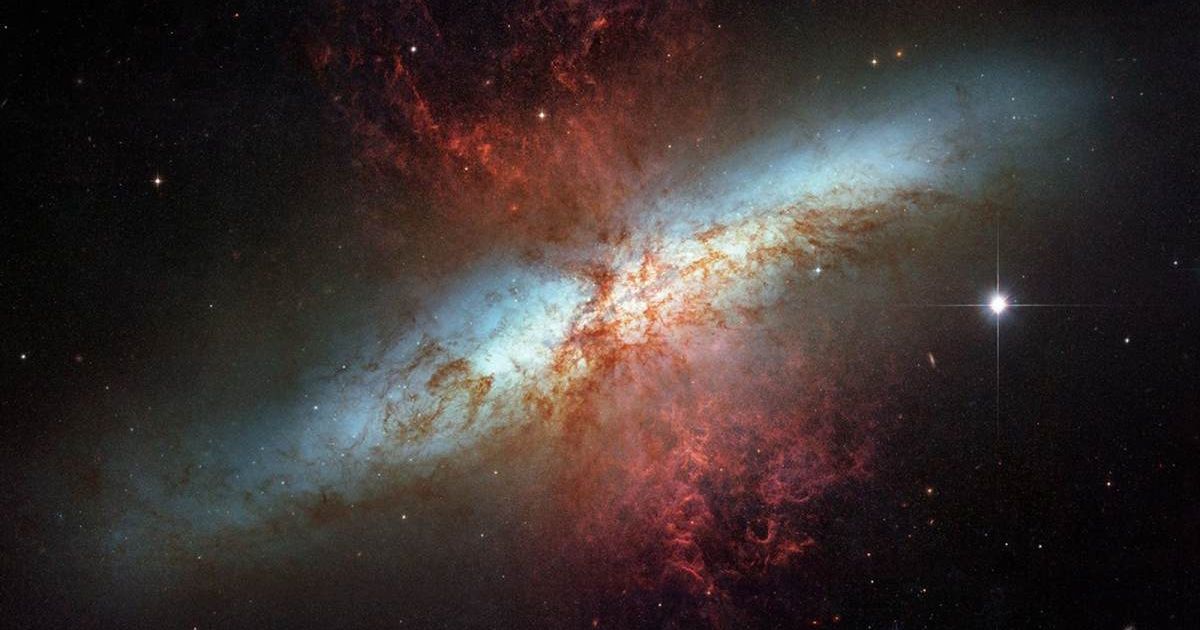
NASA's James Webb cuts through dust to reveal 16.5 million never-before-seen stars in Cigar Galaxy
Prior observations of M82 were unable to peer through the haze. Here's what James Webb Space Telescope found.

What happened to the historic American flags planted on the Moon by Apollo astronauts?
The flags are still up there after over 50 years. But they're not what they used to be.

NASA's James Webb dates back comet 3I/ATLAS to 'cosmic noon,' raises questions about our solar system
The data obtained by Webb had two things that took researchers by surprise.
In our search for alien life, a swarm of space telescopes could be the missing link
The European-led LIFE mission aims to use spacecraft in formation to look for biosignatures.
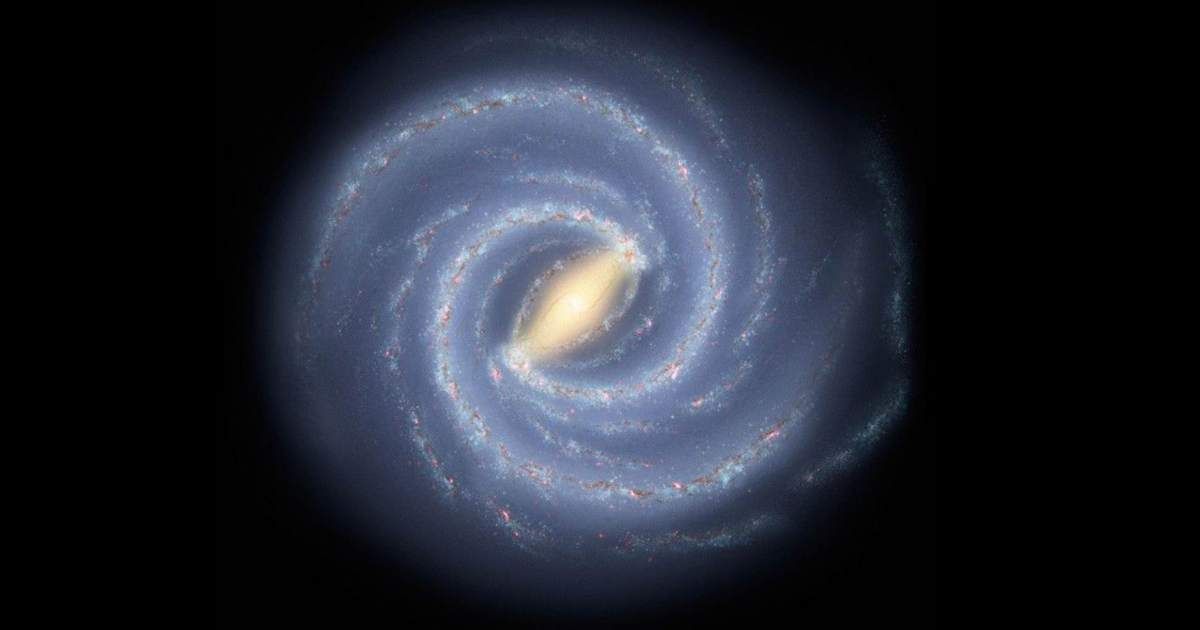
The Milky Way’s core is emitting mysterious gamma rays. Scientists think it could be linked to dark matter.
Currently there exist two explanations behind the mysterious signals. The study strengthened one.
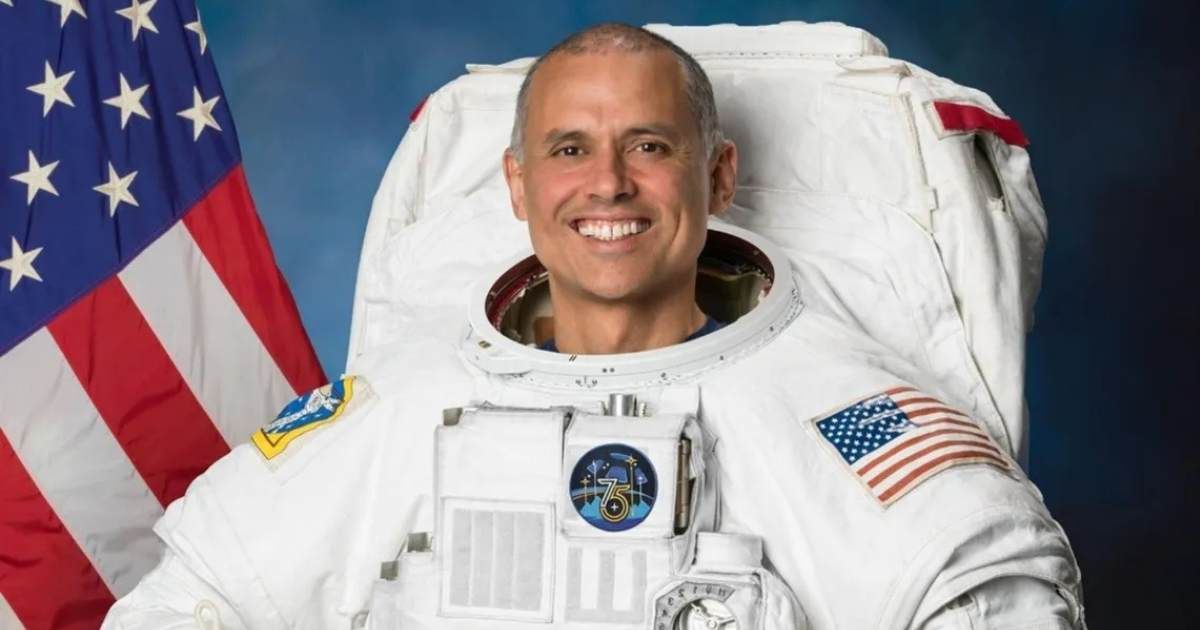
NASA astronaut Anil Menon will spend eight months aboard the ISS—here's what he'll be doing in orbit
"I think humans are just amazingly resilient. There will be challenges, but that's why we have the space station"
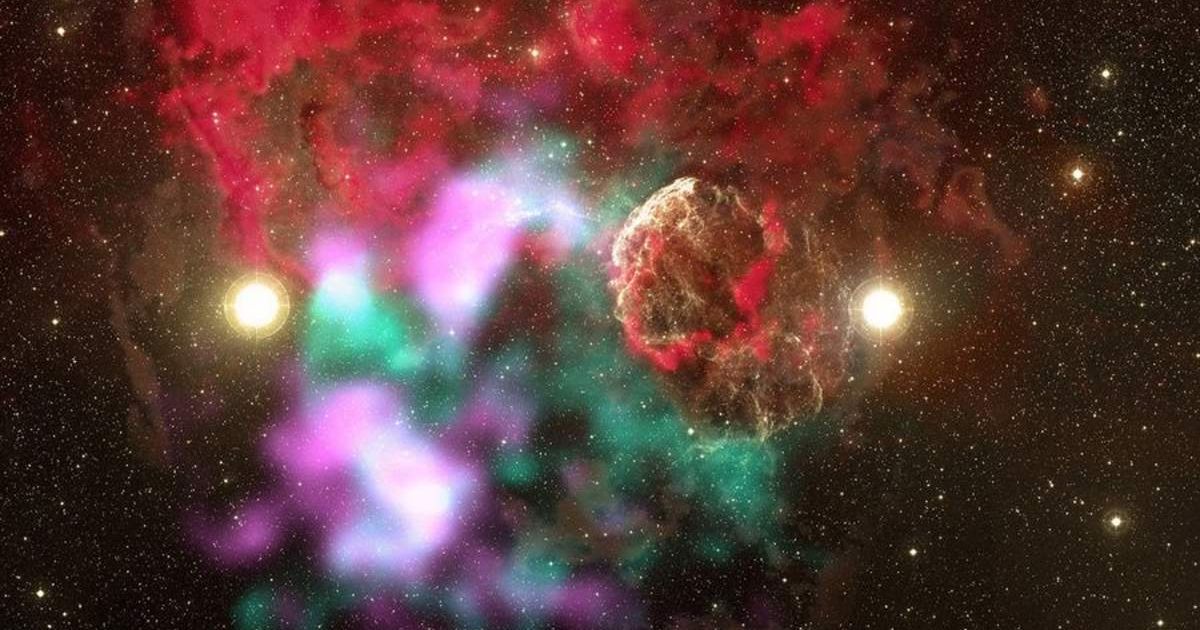
Cosmic connections: NASA's Fermi spots first-ever evidence of a sibling supernova
Two stars that once lived together in the Jellyfish Nebula may have also died together.
NASA's Habitable Worlds Observatory may find signs of alien life with this proposed upgrade
JWST lacks the precision to detect life on exoplanets, and this new telescope aims to change that.
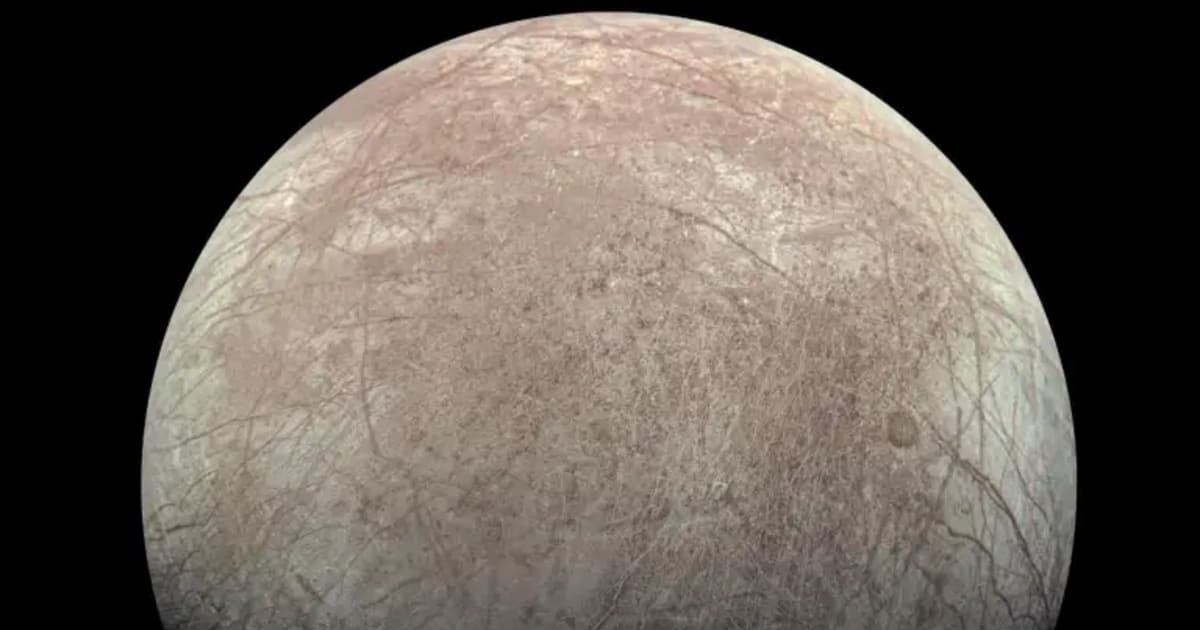
Earth may have been sending life to Jupiter's moon Europa all this time
A research paper, published in the International Journal of Astrobiology, states that Earth may have been sending bacteria-carrying dust particles out into space for billions of years.
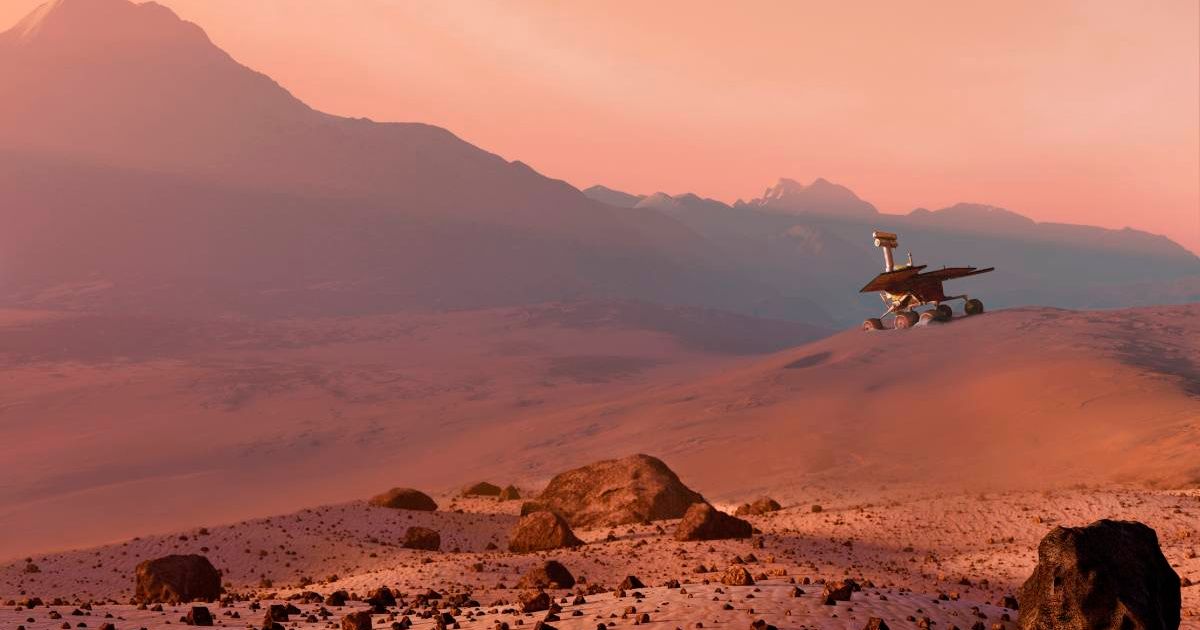
Garnet found in Martian meteorite for the first time could help piece together Red Planet's history
Since garnet forms under specific conditions, it will help expand our knowledge about Mars' geology.
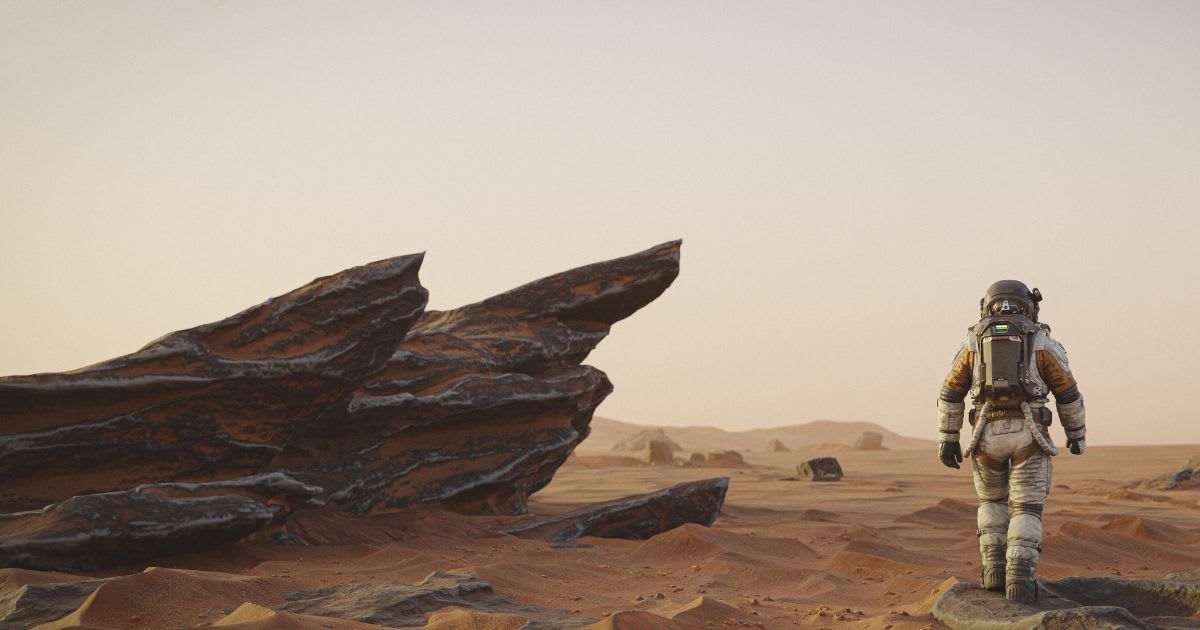
Could the first people on Mars need their own time system? Here's what a NASA researcher says
Without a standard time system, clocks around Mars would all run on slightly different times.
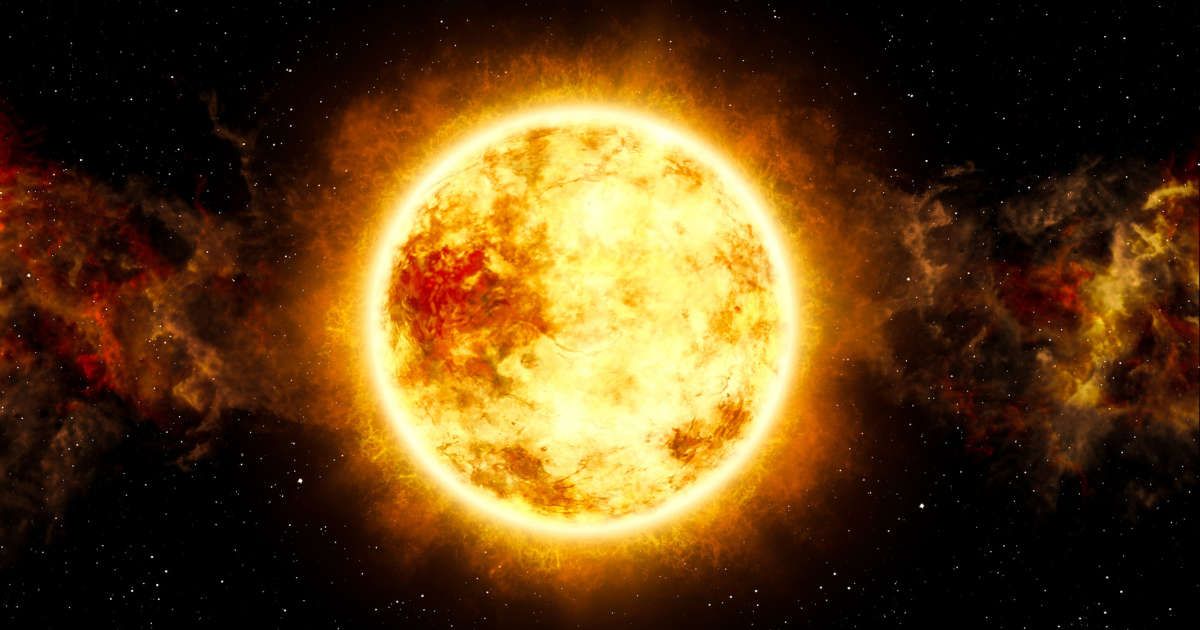
In a rare feat, scientists captured the Sun just hours before a massive solar flare—and were stunned
"I was not expecting what I found."
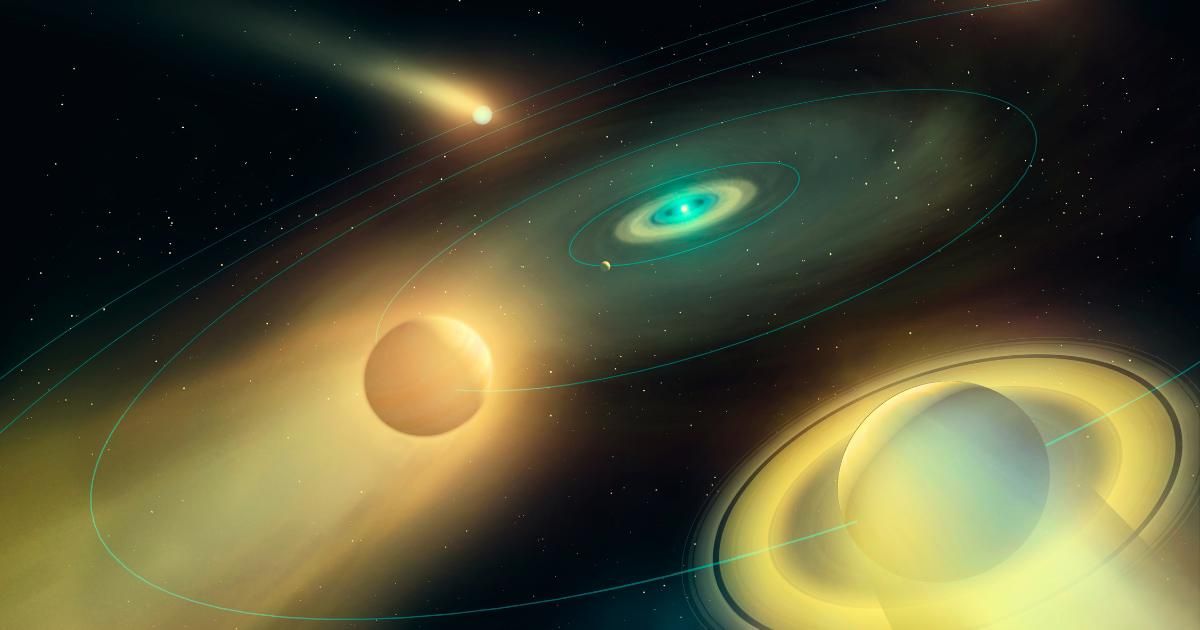
5 baffling space mysteries scientists have been trying to solve for decades
Space is full of questions we still can't answer. Here are some of its biggest mysteries.
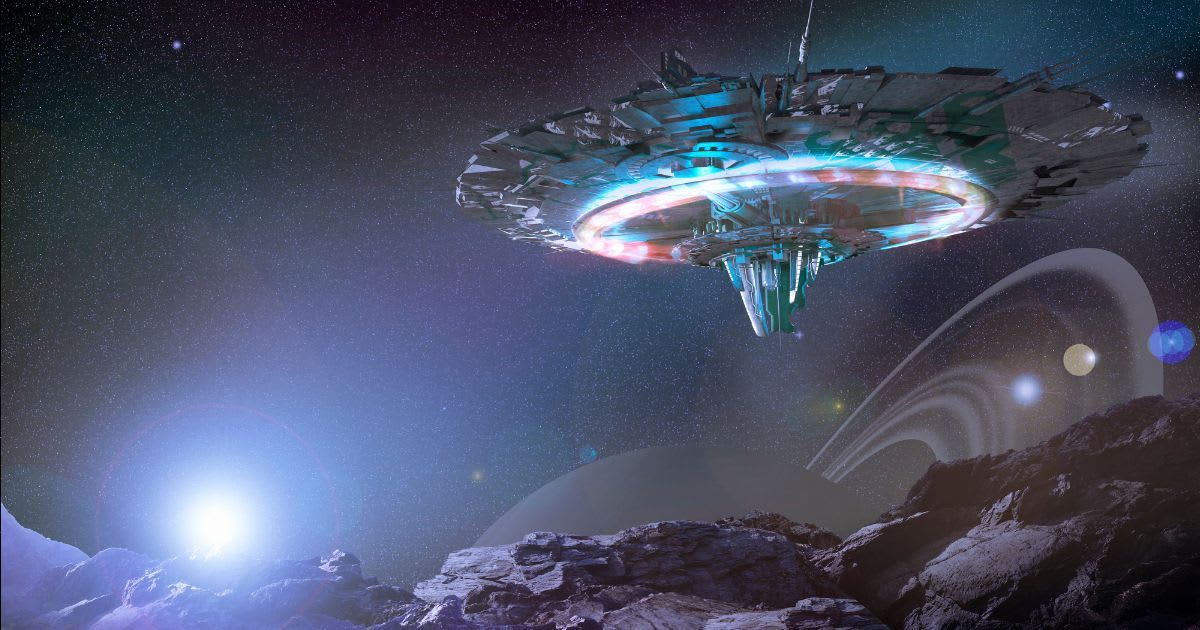
Oxford physicist says best clue to alien life may already be sitting on the Moon
Alien civilizations may have left traces. We just may not have been looking in the right place.
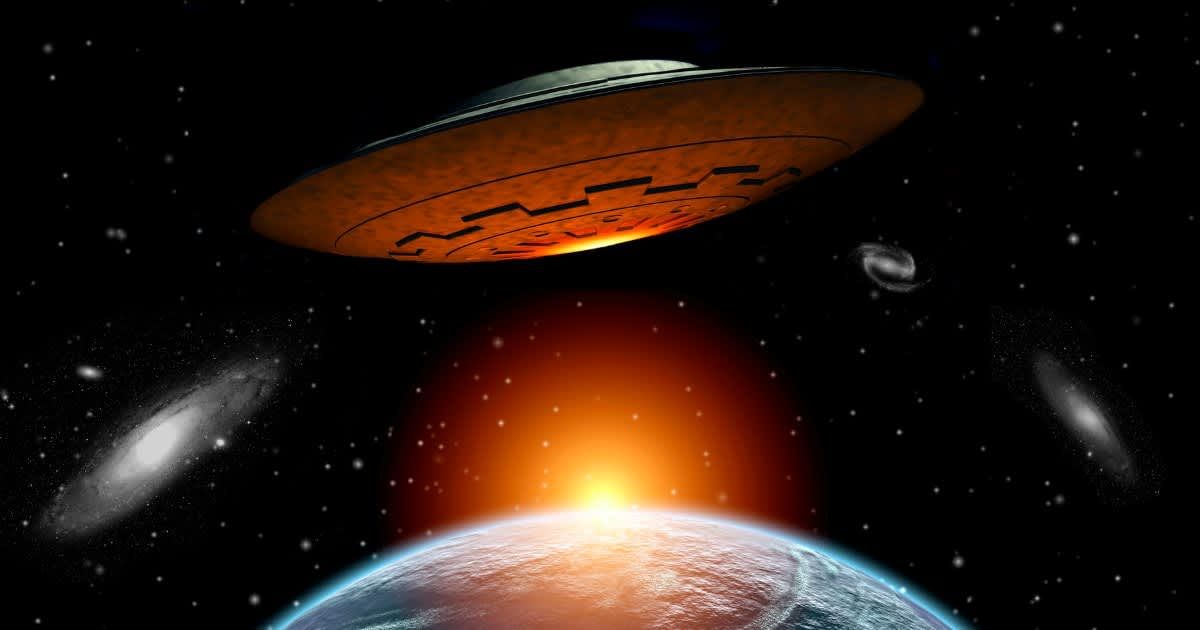
Why aliens probably aren't visiting Earth, even if they exist
Interstellar travel has near-insurmountable barriers, and that's why no alien has shown up yet.
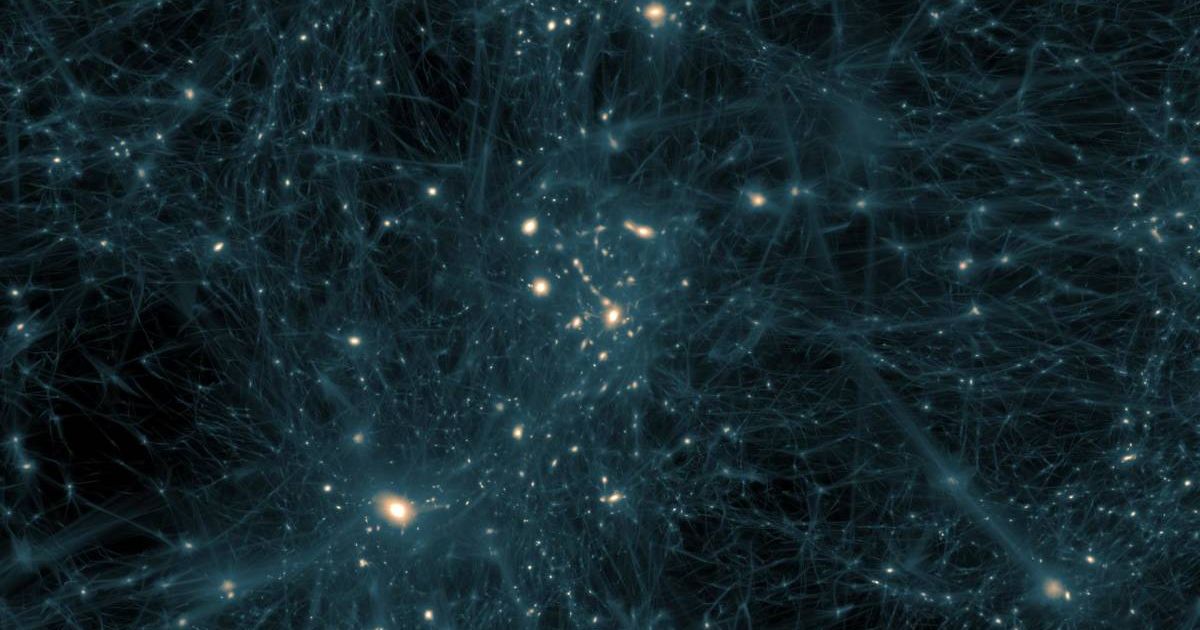
What happens to dark matter around black holes? New study supports long-held theory
Dark matter doesn't interact with anything but gravity. So what happens to it in the vicinity of black holes, where gravity bends the very fabric of space-time.
JWST spots the edge of cosmic dawn and the universe's first stars may lie just beyond
This offers a glimpse into when the first galaxies emerged from the darkness of the early universe.