What happens to dark matter around black holes? New study supports long-held theory
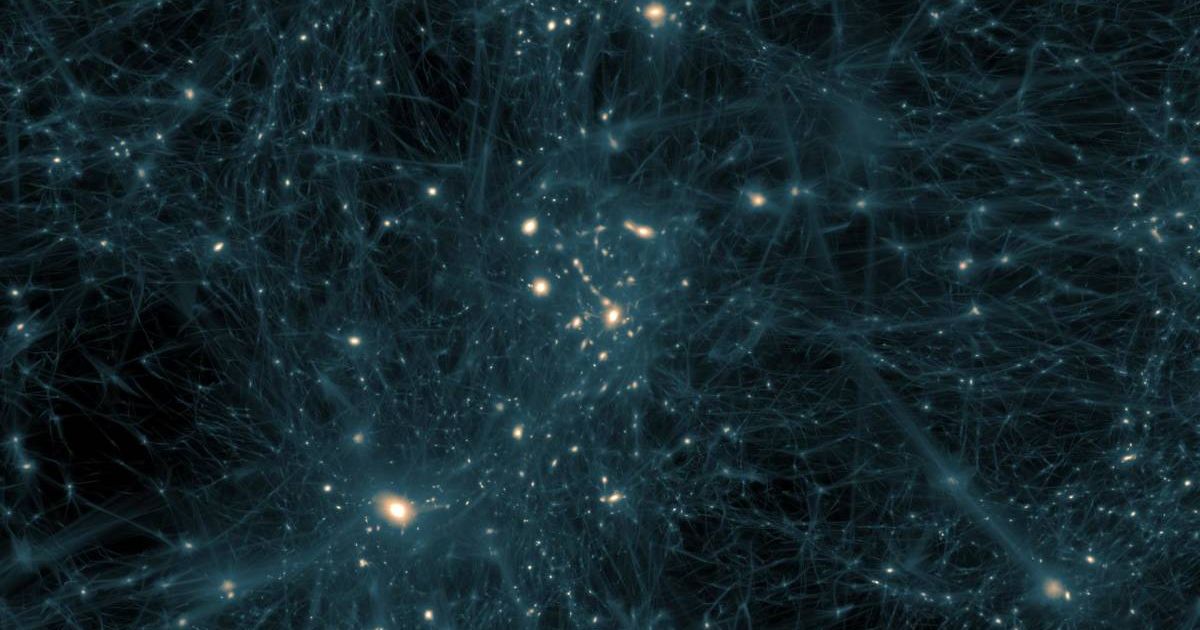
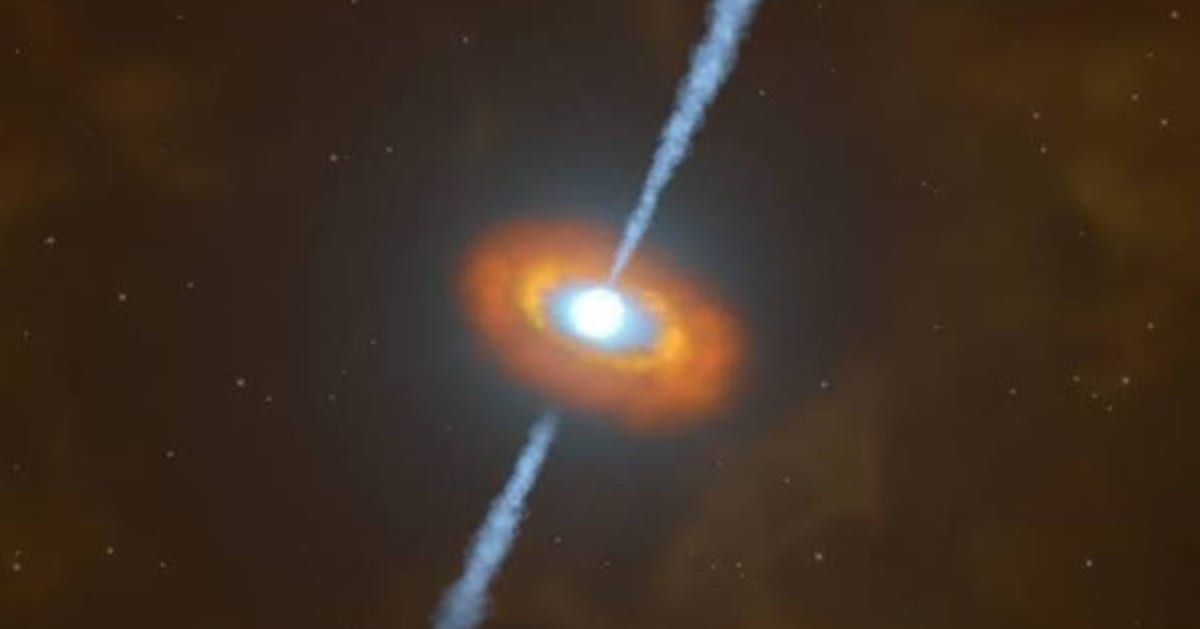
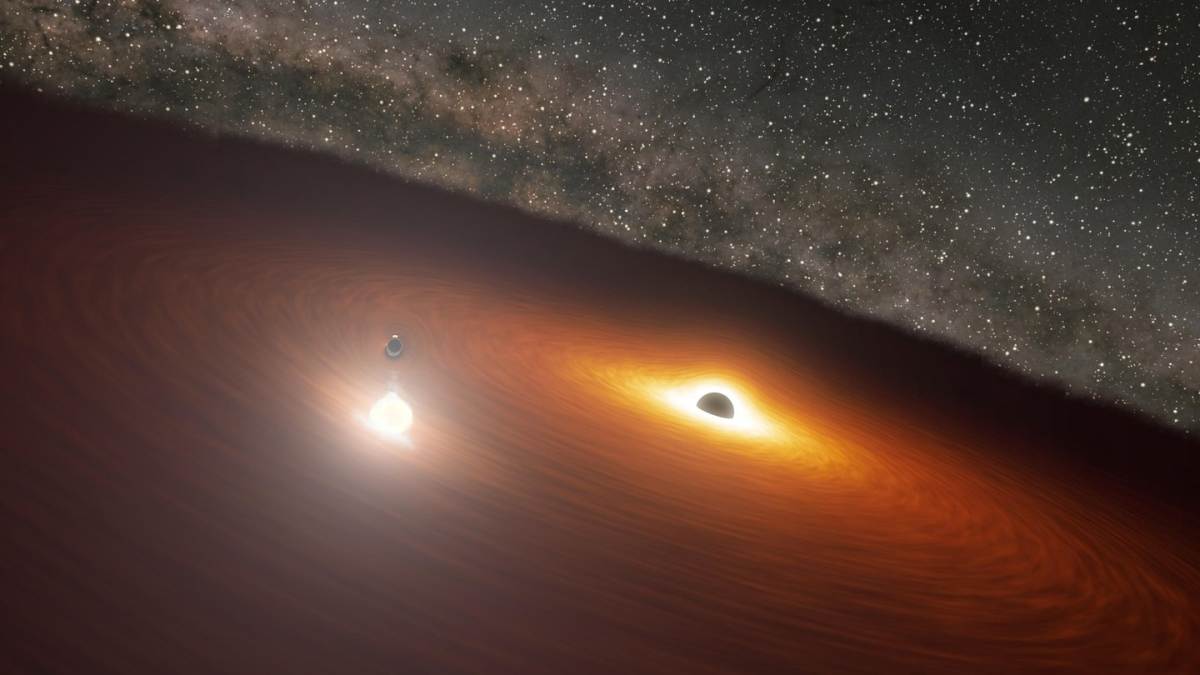
Despite dark matter being the dominant form of matter in the universe, we still don't fully understand what it is. However, in what is a significant development, a Virginia Tech-led study has found evidence to support a long-held theory about dark matter behavior: that it forms dense clouds on the outskirts of supermassive black holes, where gravity is strong enough to bend the fabric of space-time. The findings are now published in the journal Physical Review D.
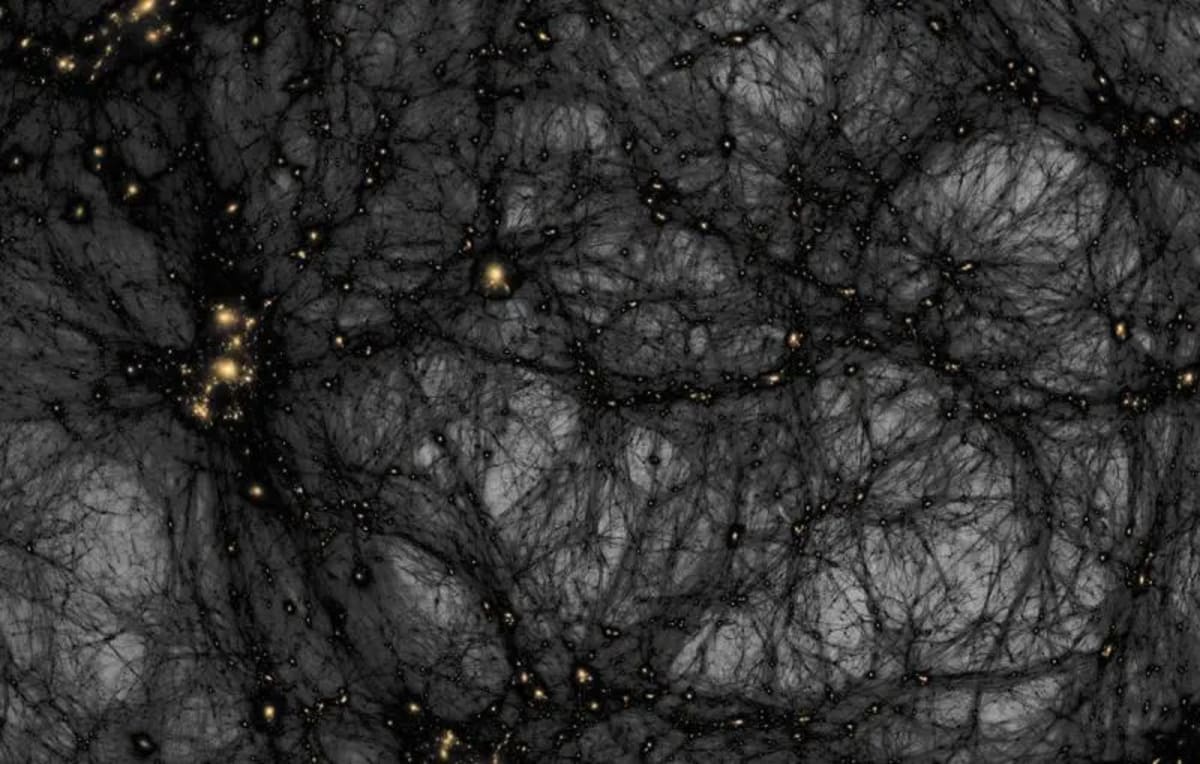
The basis for the theory
To understand this behavior, it’s important to note that dark matter doesn’t interact with almost anything. For context, regular matter (such as dust, gas, and plasma) crashes and collides as it spirals toward a black hole. That friction slows things down and causes material to eventually fall in. On the other hand, dark matter only interacts with gravity and has no way to shed energy through collisions or friction. So instead of spiraling inward like regular matter does, theory predicts it simply hovers thickly around the black hole's outskirts.

The problem is that because it emits no light and bounces off nothing, it's essentially invisible to standard telescopes. So the researchers used a technique called echo mapping or reverberation mapping to work their way around the problem.
So, how did they actually do it?
When matter falls toward a black hole, it releases a pulse of energy that ripples outward through the surrounding gas. That gas absorbs the pulse and re-emits it a moment later, like an echo bouncing off a canyon wall. Since light always travels at the same speed, the delay between the original pulse and its echo tells astronomers exactly how far away the gas is. And by comparing the original signal with the echo, the team could also calculate how much total mass was present in that region, including any mass that wasn't visible.
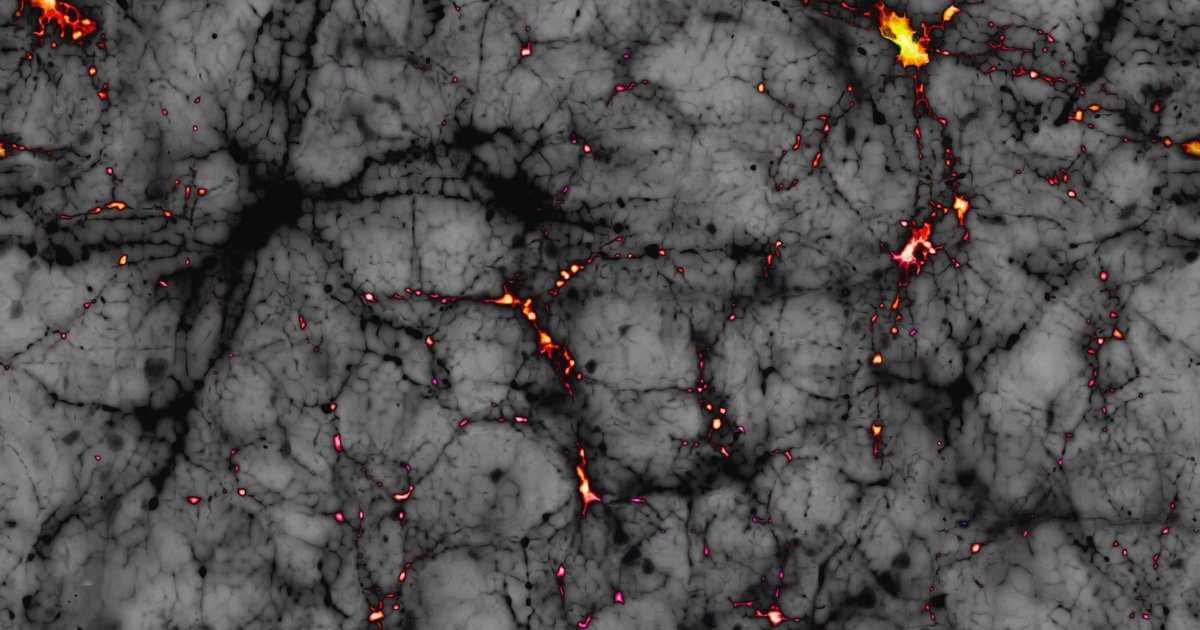
The team applied this method to 14 distant galaxies and found five cases where the mass in the region grew with distance faster than the visible matter alone could explain. "These galaxies are definitely showing a hint that there is extra material that cannot be explained by just the supermassive black hole," said Mayank Sharma, a Virginia Tech graduate student in physics, in a statement.
The team has noted that this study is currently a proof of concept and not a final answer. But it lays out a clear path for future observations. If follow-up studies confirm the presence of dark matter, astronomers will need to start factoring it into every study of supermassive black holes and their surroundings. And if the theory turns out to be wrong, physicists will need to rethink their models of what dark matter actually is from scratch. In any case, the findings open up a world of fascinating possibilities.
More on Starlust
JWST spots the edge of cosmic dawn and the universe's first stars may lie just beyond
A strange 'crystal' in spacetime could be all it takes to form a tiny black hole, study hints