Oxford physicist says best clue to alien life may already be sitting on the Moon
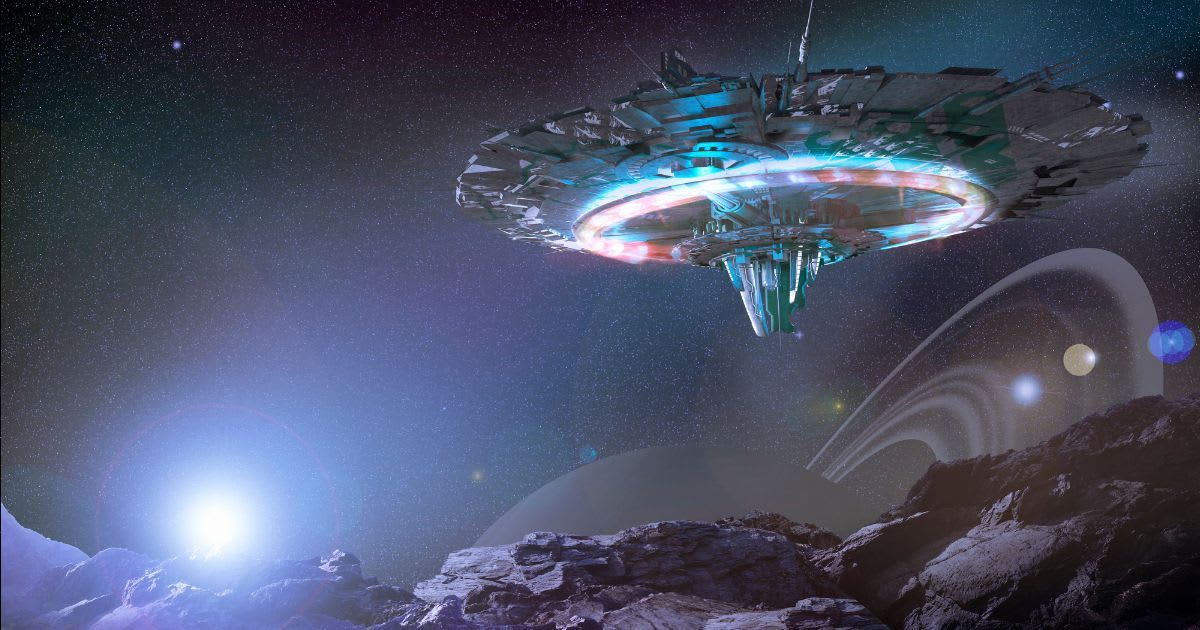
Scientists have long scanned the sky for radio signals and other broadcasts in search of alien civilizations. But a new paper argues against this approach. It states that the civilizations we're hoping to hear from may have risen and fallen millions of years before we existed. Oxford physicist Brian C. Lacki's paper, which is available on the arXiv preprint server, makes the case that the best method to search for alien life might not involve pointing at distant stars at all. The evidence, if it exists, may be sitting in the dust on our Moon.
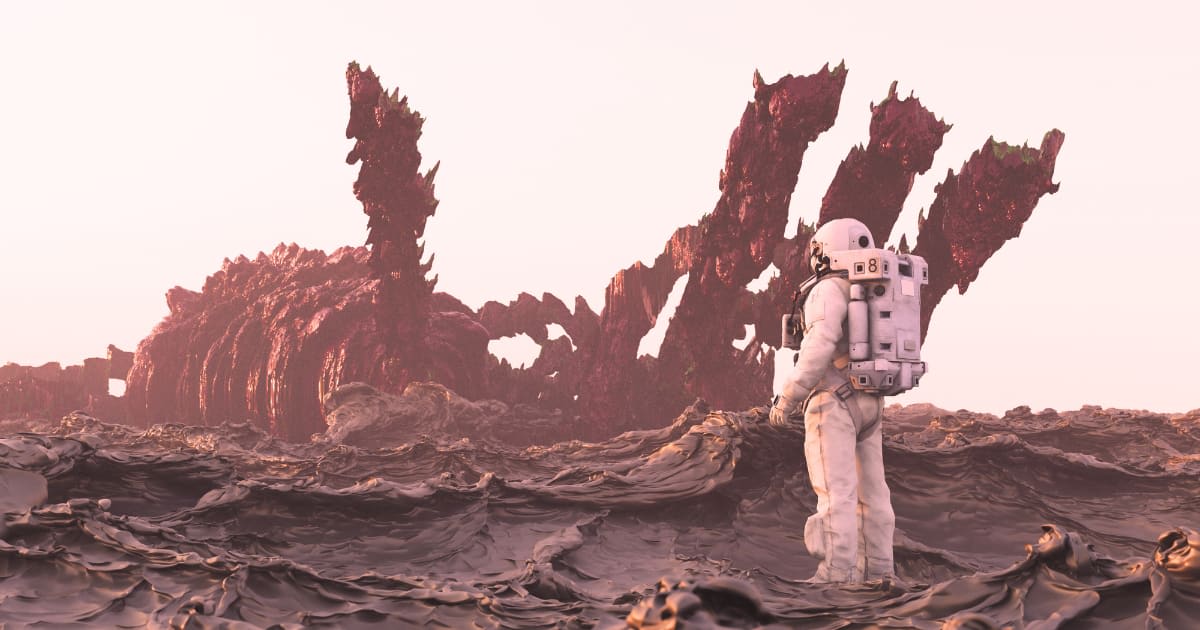
This idea changes the conversation about how we should be looking for alien civilizations. If the chances of two civilizations being "active" at the same moment are vanishingly small, then waiting to catch a live transmission may never work. After all, we ourselves have been broadcasting radio signals for only about 100 years, while behaviorally modern humans have existed for around 100,000 years. "If an alien visited the Earth at a random point in its history, would they observe a technological society?" Lacki asks in his paper. "We can’t know what will happen in the billions of years to come, but if they visited in the past, the answer is no." He argues that we are separated from alien civilizations "not just in space but in time." The more intelligent move, in this case, would be to look for whatever they left behind.
What could a dead alien civilization leave behind?
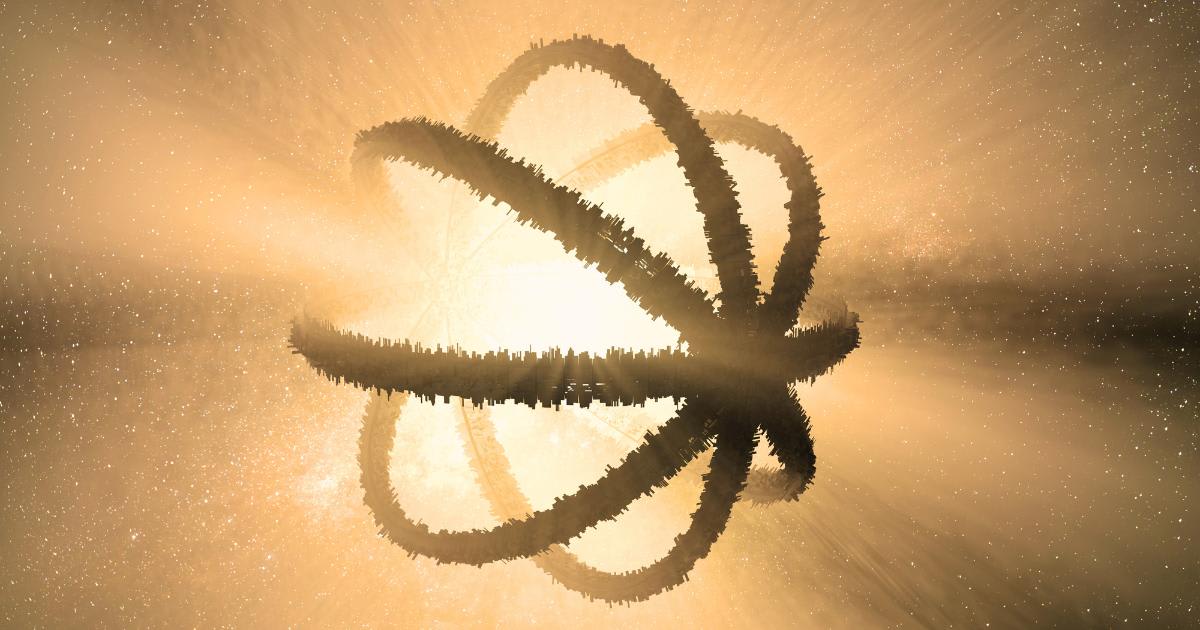
In the research paper, Lacki focuses on "passive technosignatures," a term used for remnants of alien technology that persist and remain detectable long after the civilization that built them is gone. These fall into three broad types: diffusers, which scatter light nearly in all directions, potentially in an unusual color or circular polarization; occulters, which block part of stars' light; and glinters, which are perfect mirrors or lenses that reflect starlight over thousands of light-years.
Why is the Moon the best place to start looking?
Any megastructure large enough to be detectable (for example, a Dyson swarm) faces a fundamental problem once its builders are gone. Without someone to maintain the structure, the individual elements gradually drift off their planned orbits, nudged by the gravity of nearby planets or companion stars. This causes them to eventually cross each other's paths and collide.
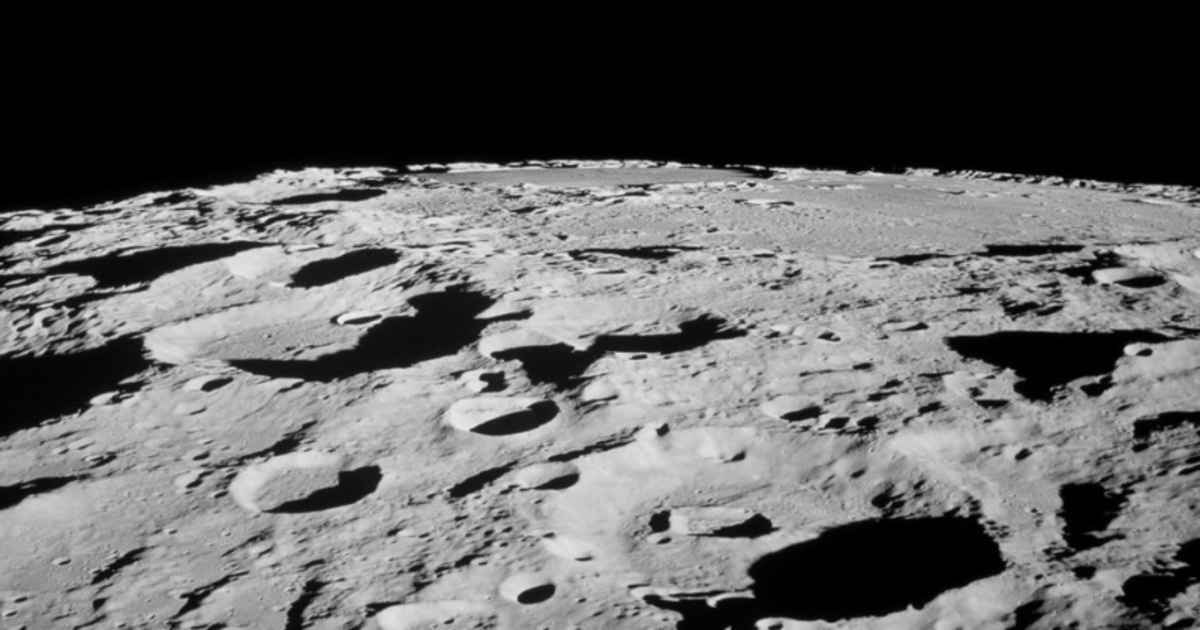
Once an object gets ground to a micron-scale particle because of these collisions, the pressure of solar wind begins to have a stronger effect on it than the gravitational pull of the star trying to keep it in place. At that point, the particle gets pushed out of the star system entirely and drifts into open interstellar space. Multiply that across one destroyed megastructure, and we get an enormous number of tiny grains spreading outward across the galaxy. This is where our solar system comes into the picture. Over billions of years, some of those drifting particles could end up inside our solar system. And a few of them might end up settling on the Moon. Unlike Earth, the Moon has no atmosphere to burn things up on entry or any geological activity to churn things under. As a result, the material that lands on the Moon could remain preserved for millions of years.

If technograins are sitting on the lunar surface, scientists will first need to identify them among the Moon's ordinary grains of dust and rock. We already have Moon samples from the Apollo missions. Future lunar missions, including those planned under NASA's Artemis program, will return far more. What we may find, Lacki notes, are "not macroscopic objects deliberately placed here, but dust, the unintended microscopic testament to our possible predecessors still waiting to be found."
More on Starlust
Why aliens probably aren't visiting Earth, even if they exist
Could scientists have missed signs of alien life? Study highlights risk of 'false negatives'