
About Author
Meet Ankita, a journalist and editor who’s spent almost a decade getting good stories in front of the people they’re meant for. At Starlust, you’ll find her covering the latest discoveries and stories from NASA, ESA, SpaceX, upcoming skywatching events, and more. Over the years, she’s worked on thousands of articles across a wide range of topics, with her work reaching millions of readers. Before joining Starlust, she served as Chief Editor at Kalrecon and covered stories for CollegeDunia and GameRant. Outside of work, Ankita spends her free time reading and exploring different creative side projects.
Latest From Ankita Garkoti
What is International Moon Day? The history behind it and why it still matters
From Apollo 11 to Artemis II, here's why the world still celebrates the Moon every July.
Buck Moon myths and facts: What actually happens during July's Full Moon
No mystical powers here—the Moon is just on its ordinary celestial schedule.
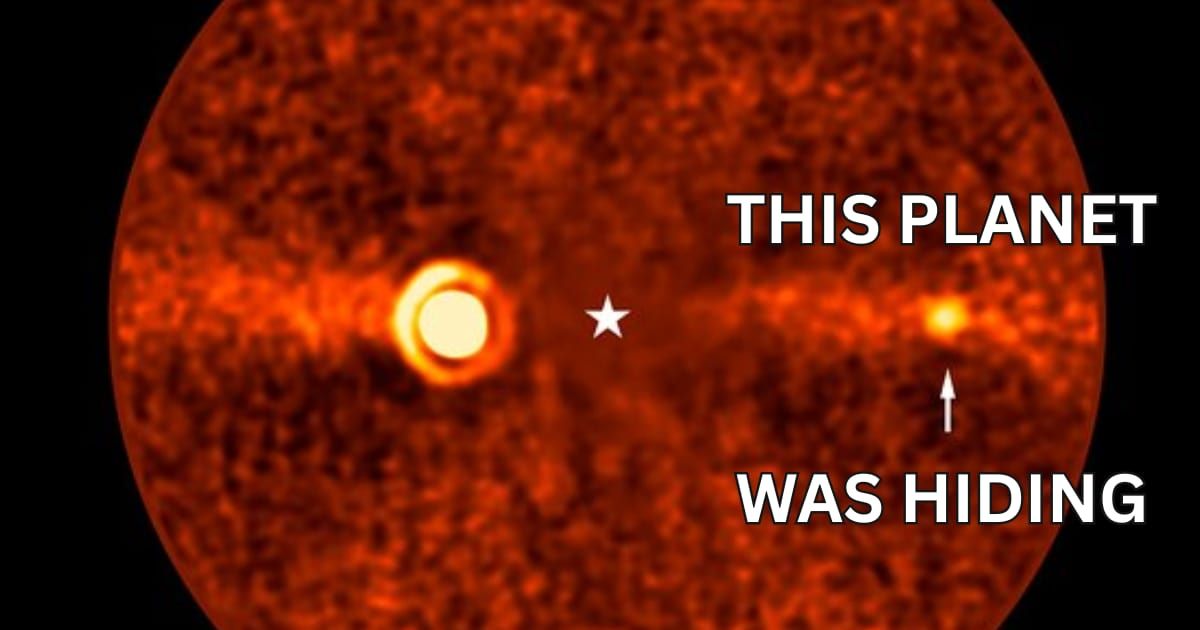
'Found you!': Astronomers find the faintest planet ever photographed after 11 years of hide and seek
Beta Pictoris is now the second known system where more than two planets have been directly imaged.
NASA’s Roman Space Telescope may finally reveal how the universe's first black holes formed
Could this telescope help solve the mystery of black holes' origins? Here's what scientists say.
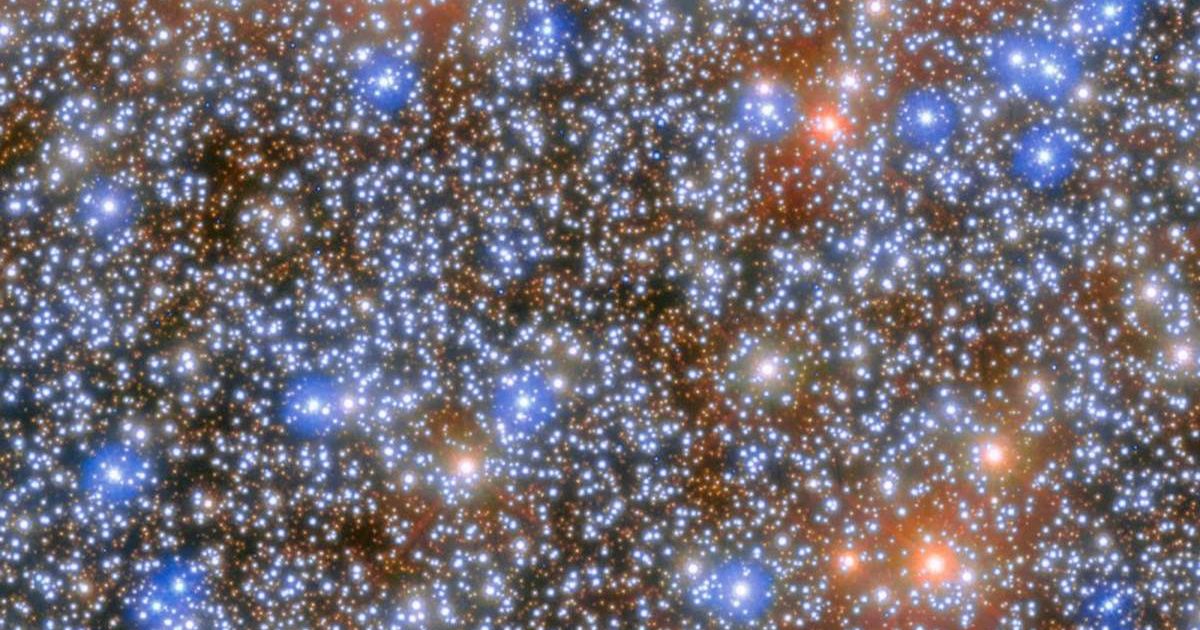
NASA's Hubble and Webb spot the first of a star cluster's 10,000 missing black holes
The black hole, dubbed oMEGACat BH-2, has a visible star companion that orbits it every 94 years, making the duo the longest-period black hole binary ever detected.
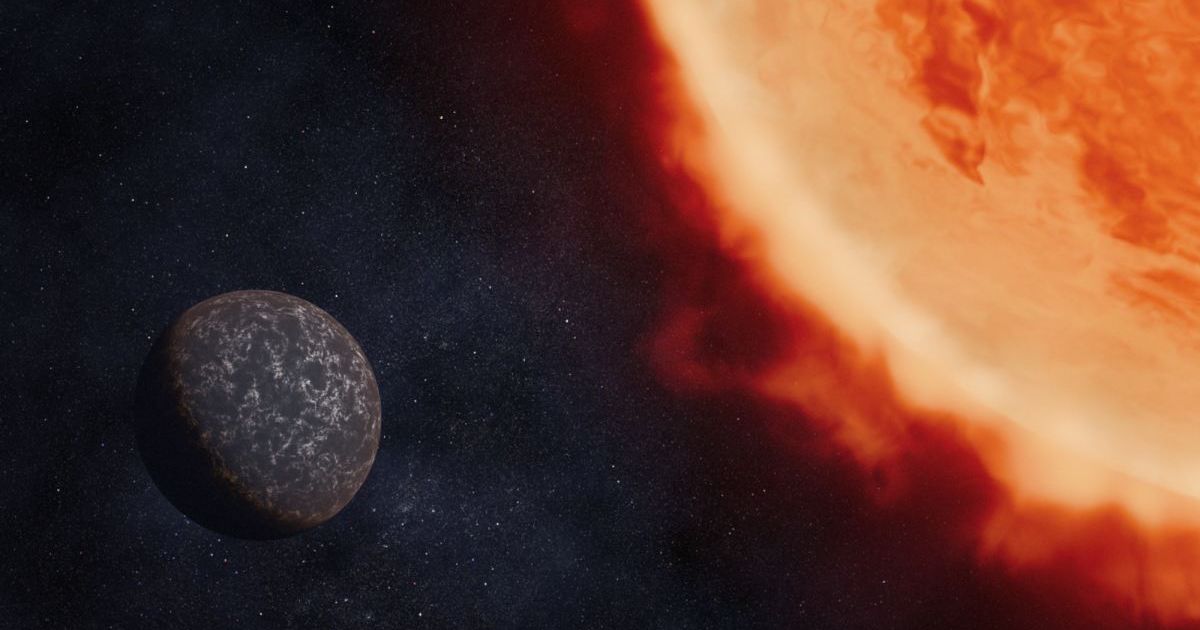
Could a world trapped in endless day and night still host life? Here's what scientists found
These exoplanets seem too harsh to harbor life, but life might still find a way.
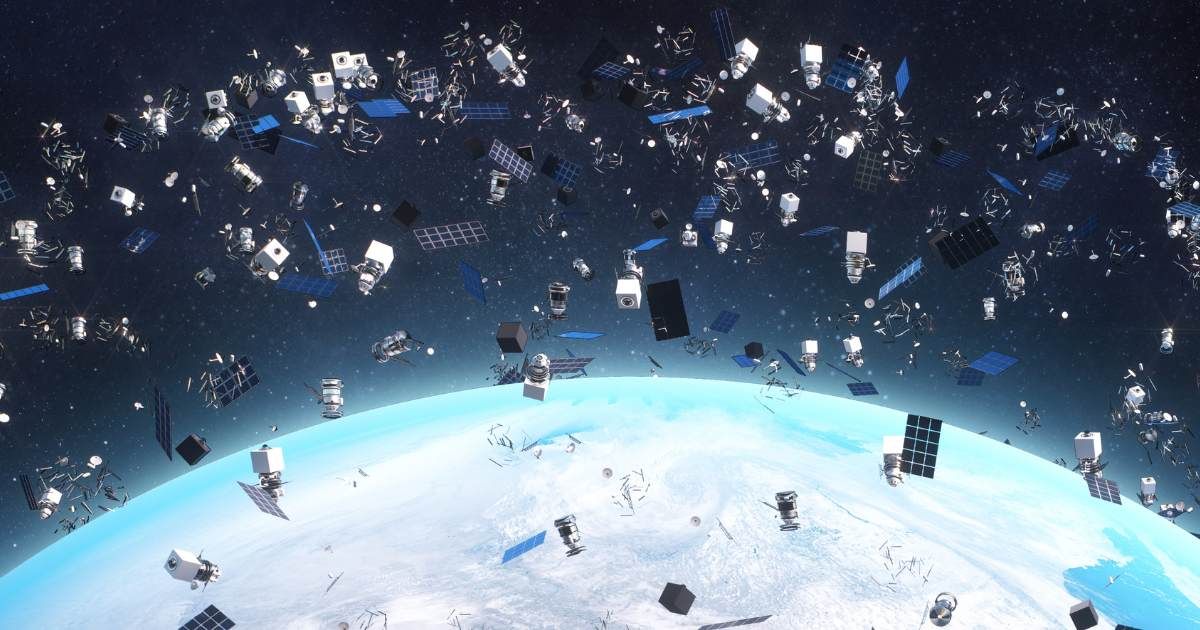
NASA and Japan Aerospace Exploration Agency to launch MACS mission to hunt high-risk invisible space junk
The mission will bridge a critical data gap on millimeter-sized orbital debris, which poses the greatest mission-ending penetration risk to low-Earth orbit spacecraft.
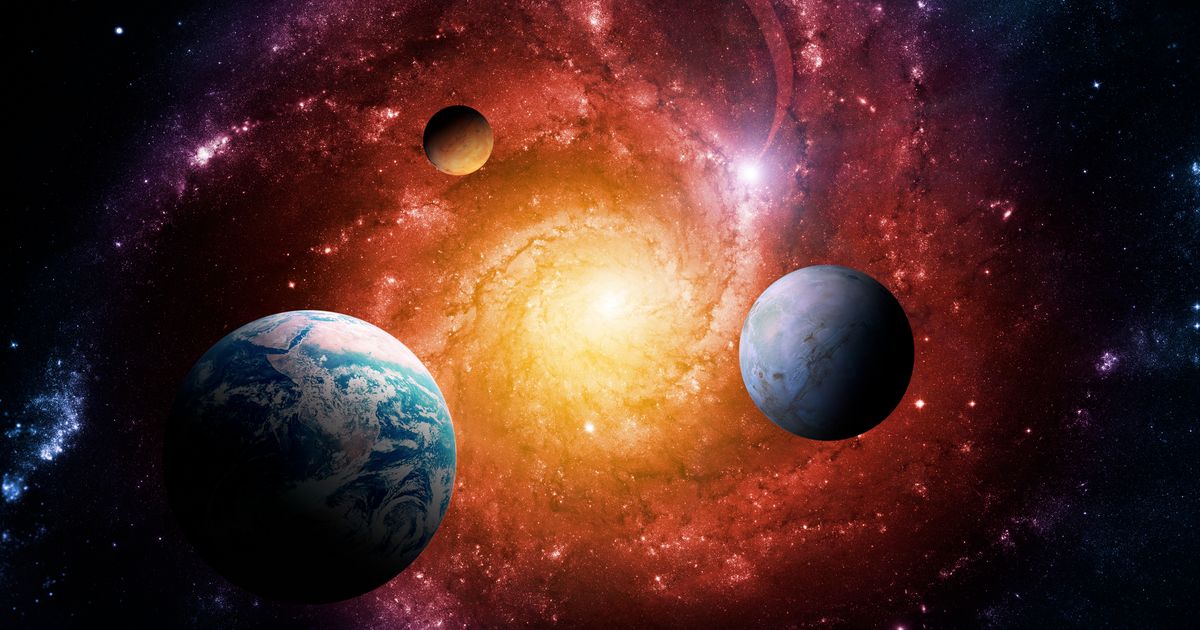
Will Earth survive the Sun’s death? Here’s what a new study found
It all comes down to a tug-of-war that Earth might just win.
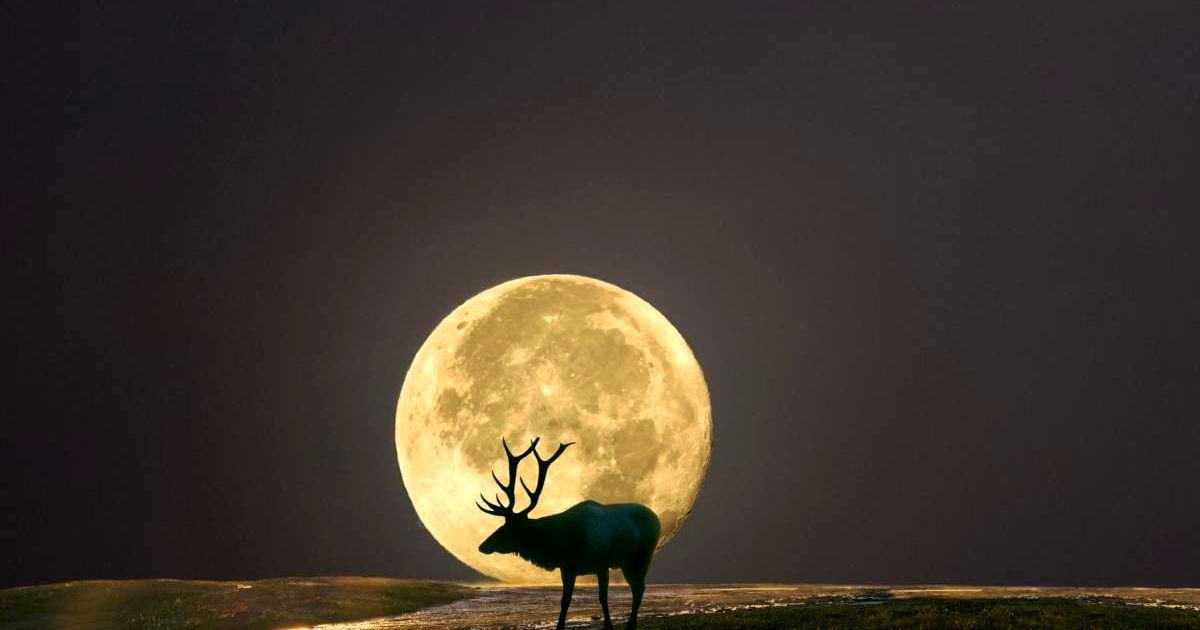
When to see the Buck Moon 2026? Check peak time, moonrise and best viewing times by city
Best viewing times shift by time zone. Here's exactly when to look up in your city.

'We still don't have a lander': NASA's former chief expresses concerns about Artemis architecture
"The genius of Apollo was its simplicity."
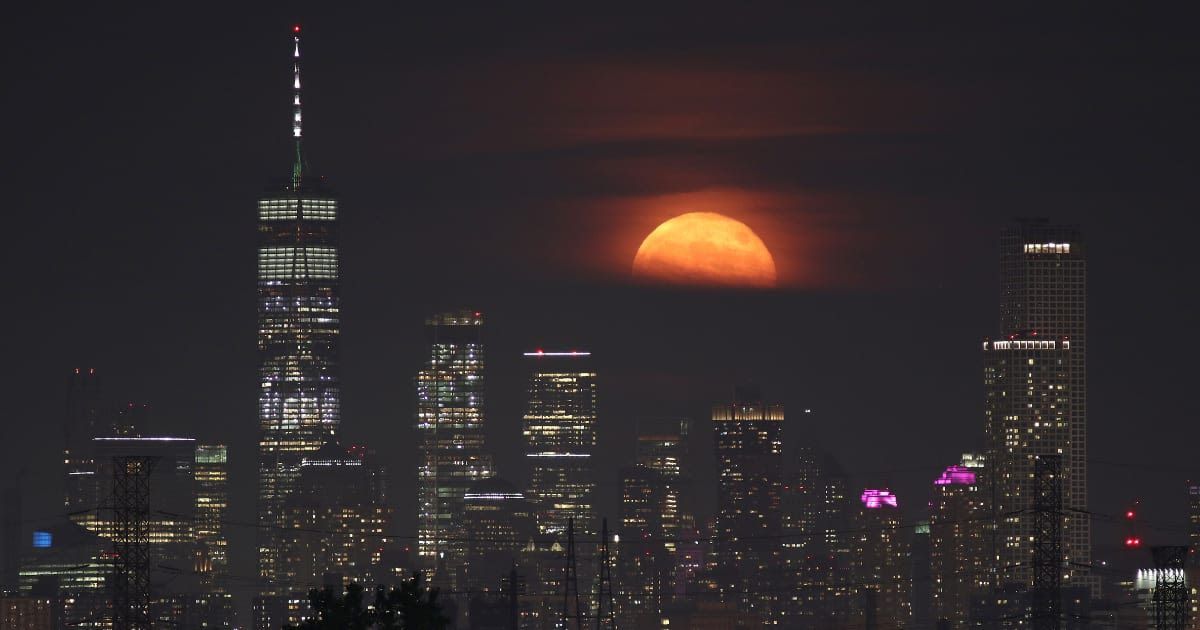
Why is July's full moon called the Buck Moon? Here's the meaning behind the name
Beyond its many names, July's full moon also holds spiritual significance for people around the world.
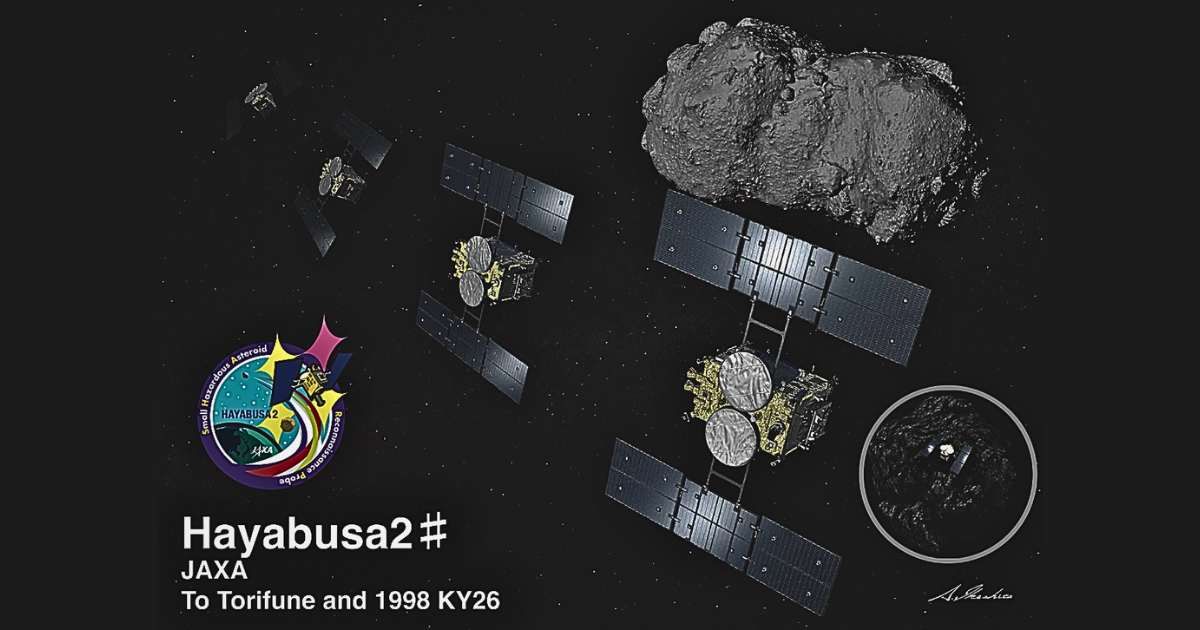
Japan’s Hayabusa2 completes high-speed flyby of asteroid Torifune, releases new images
The flyby, although successful, was not a part of the original plan for Hayabusa2.
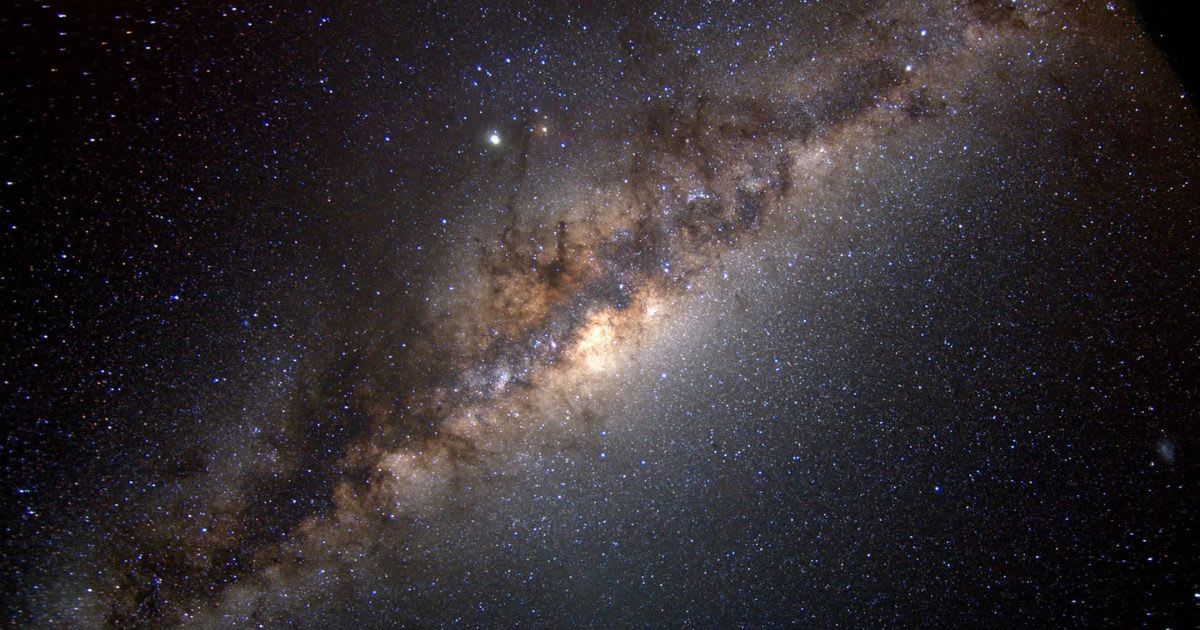
NASA's Chandra finds two of the Milky Way's arms are 10% farther than we thought
This small correction could make us rethink how massive our galaxy actually is.
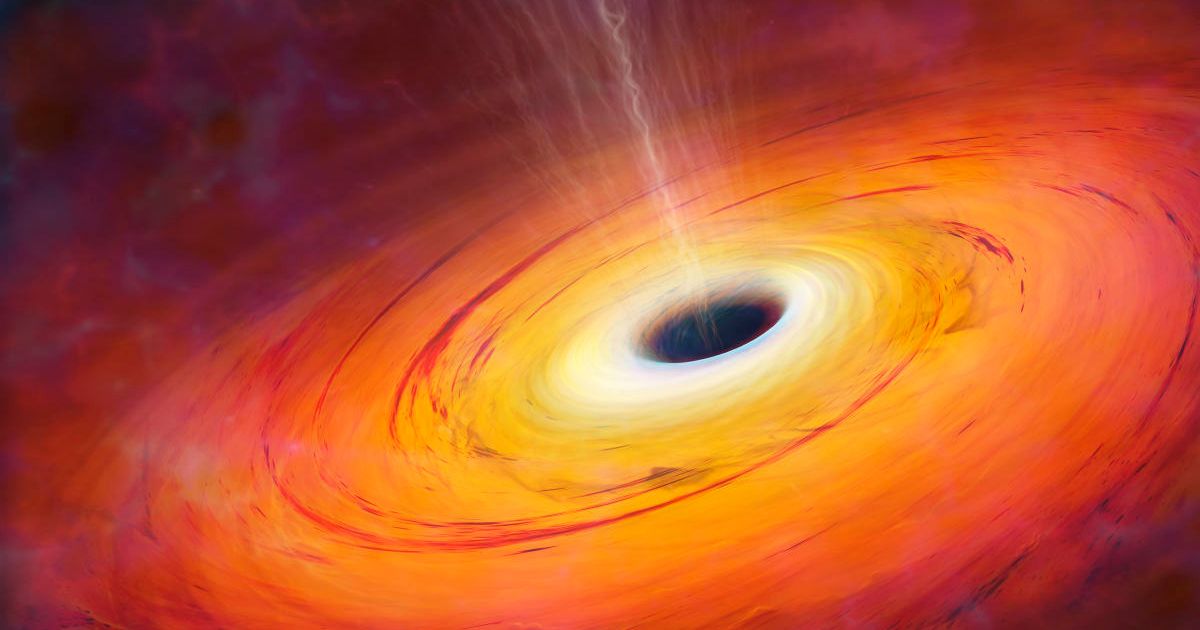
Rare, long-lasting black hole outburst is giving scientists a better look at the early universe
"We are dealing with the prototype of a new class of galaxies that undergo rapid changes in radio emission."
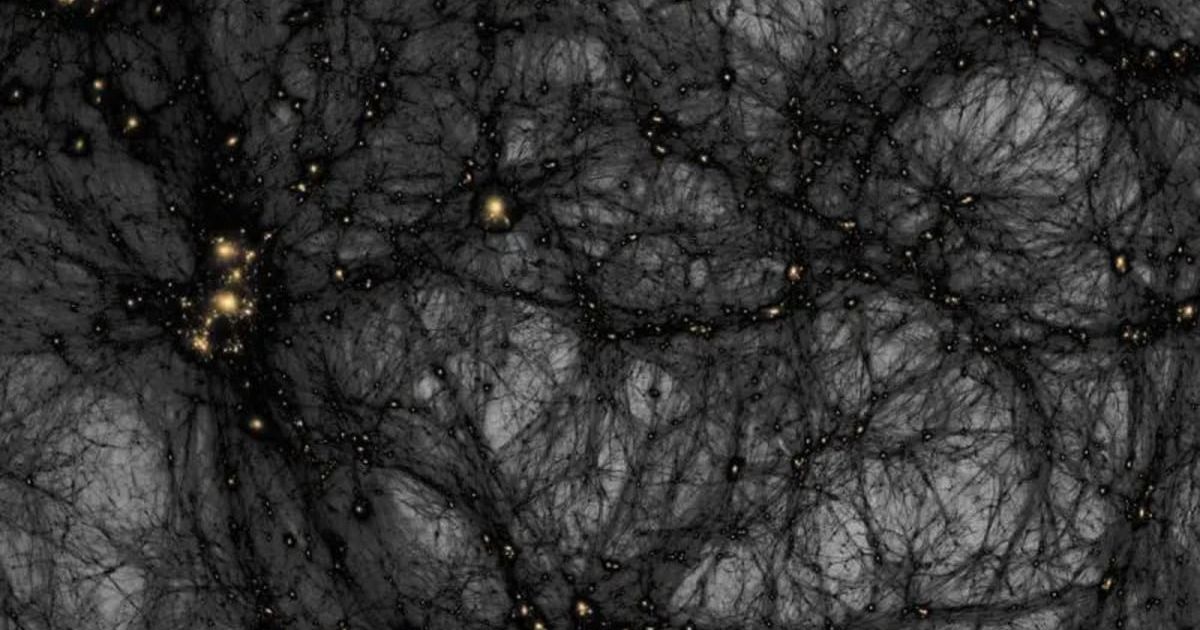
New James Webb Space Telescope data challenges one of dark matter's strongest pieces of evidence
Hidden stars, not hidden matter, might explain this decades-old mystery.
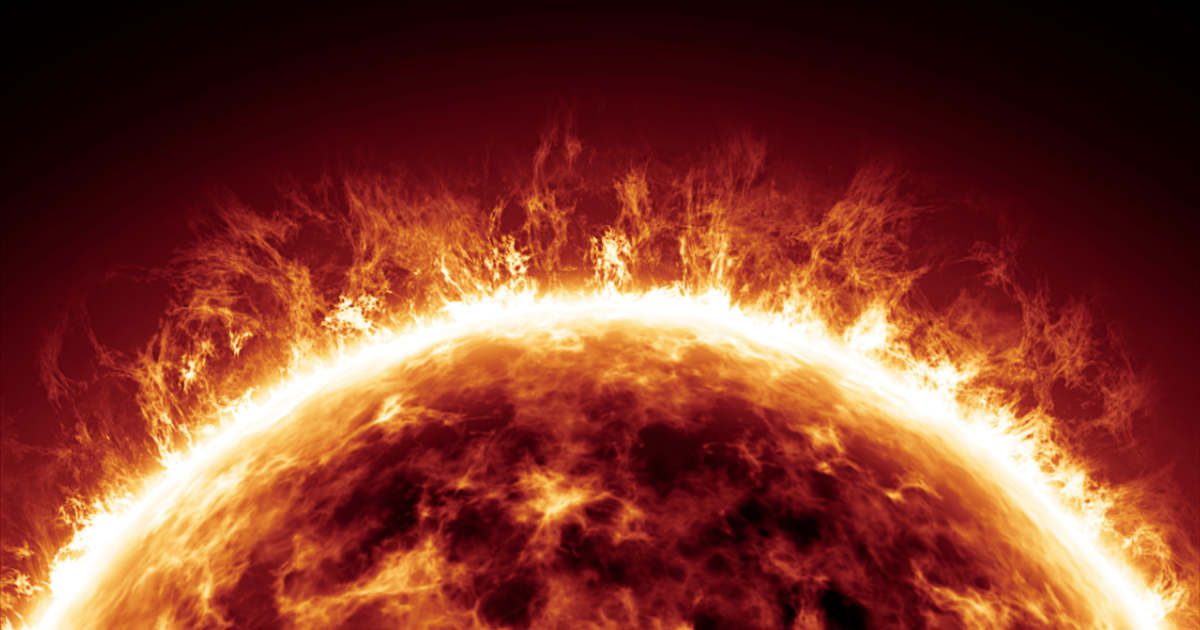
Why is Sun's atmosphere hotter than its own surface? Long-standing mystery may finally have an answer
This question has stumped scientists for decades, and the answer may have been hiding in plain sight.
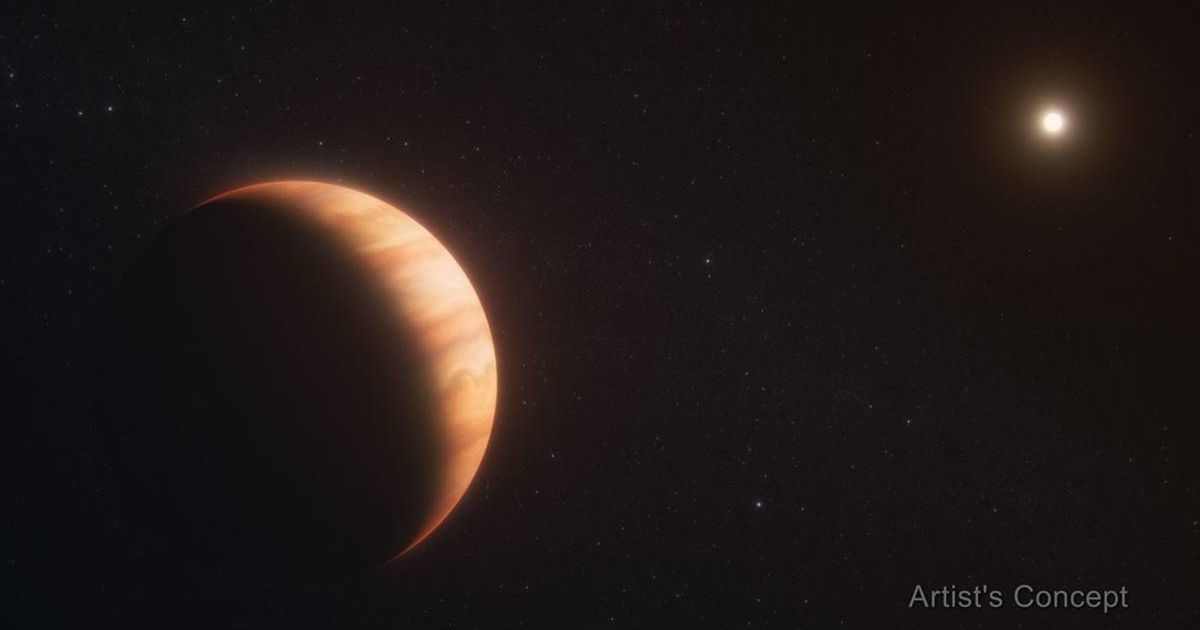
A Jupiter-sized planet miraculously survived the death of its host star—James Webb finds how
There are two theories about how planet WD 1856 b survived. Here's what scientists think happened.
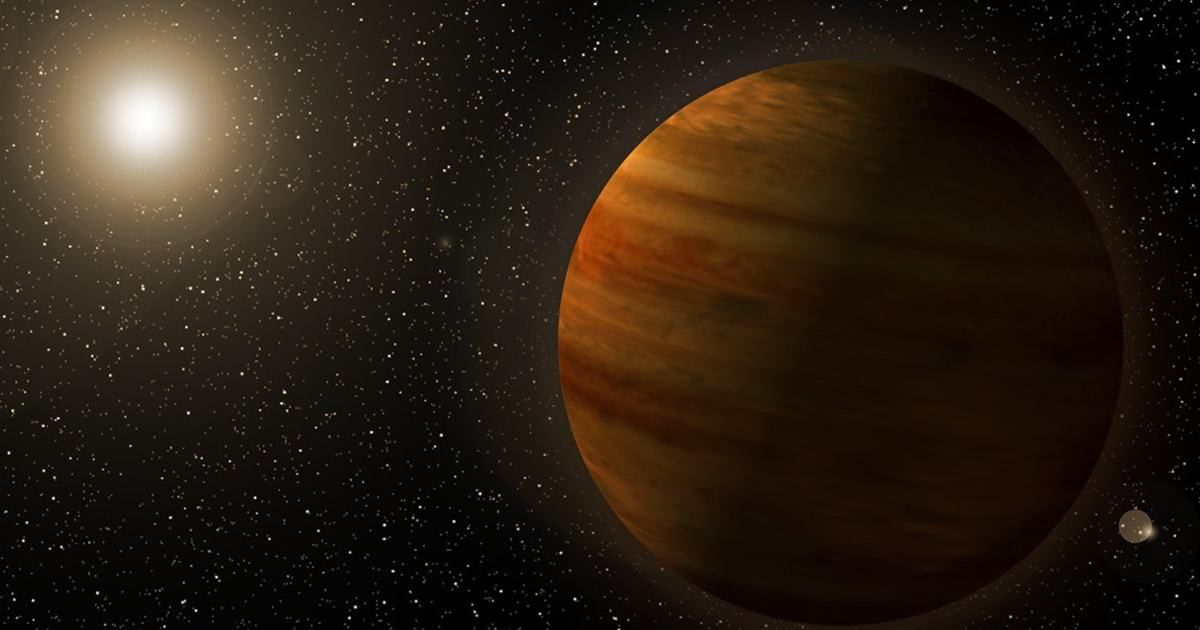
NASA's TESS telescope found a planet 40,000 light-years away and it wasn't even looking for it
"When TESS launched, no one expected it to ever be capable of finding this kind of planet."
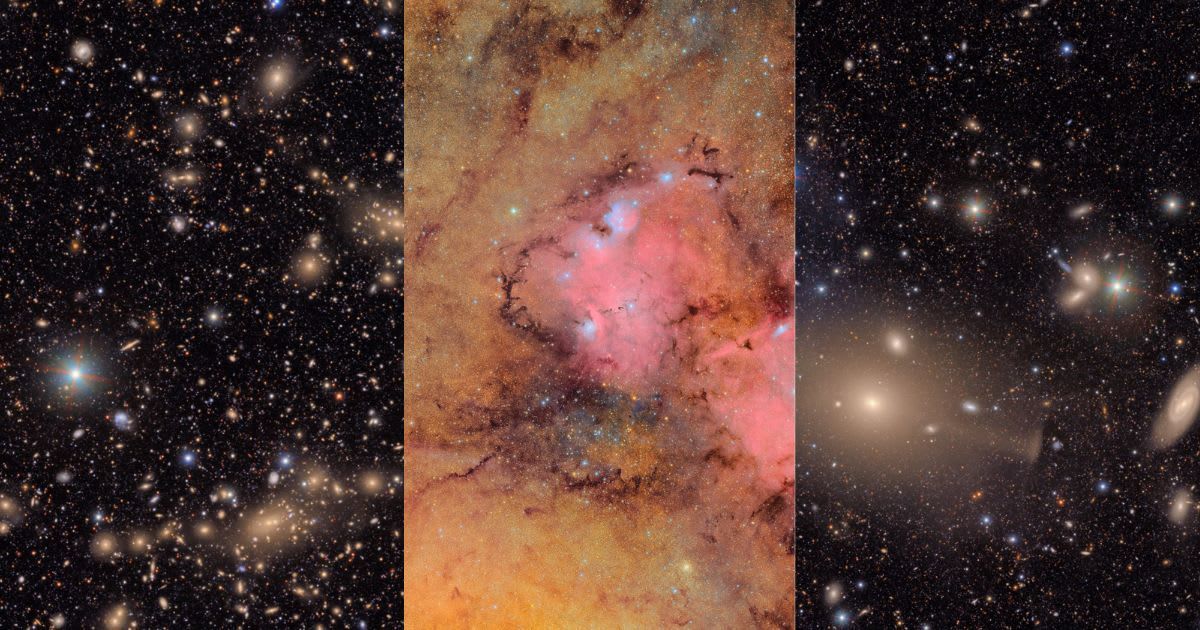
Rubin Observatory begins 10-year survey to create the 'greatest cosmic movie ever'
Rubin is now capturing a new detailed image approximately every 40 seconds, covering faint objects, as well as fleeting events in the sky.
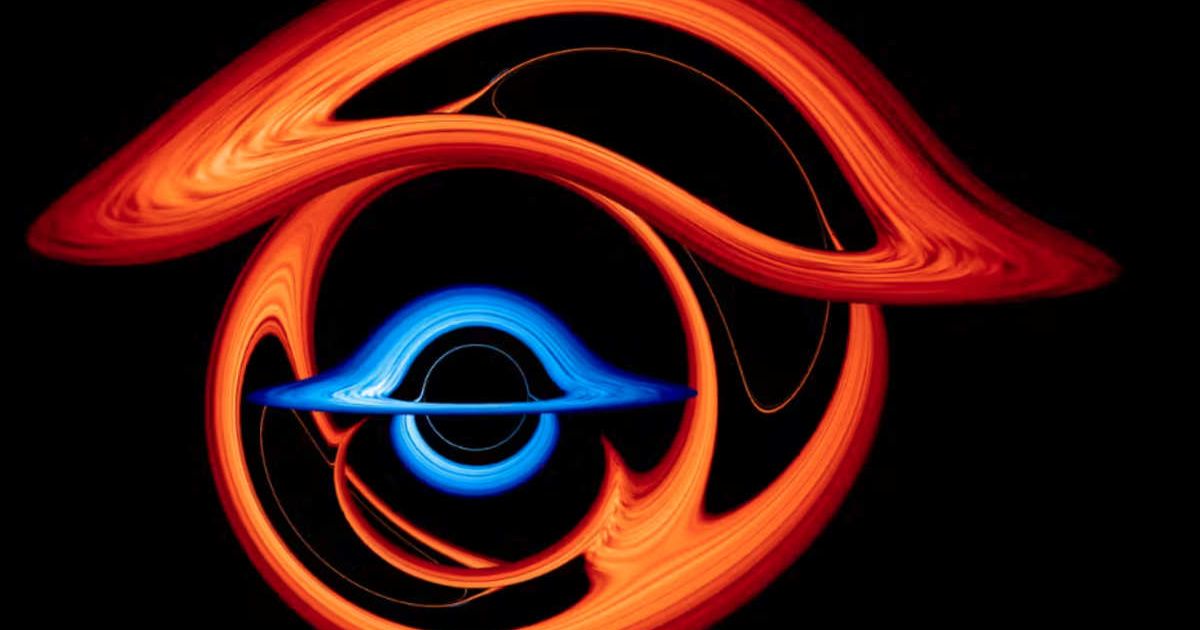
Scientists witness a black hole's point of no return for the first time ever
The event horizon of a black hole should be virtually impossible to study, yet an international team of researchers figured out a way.