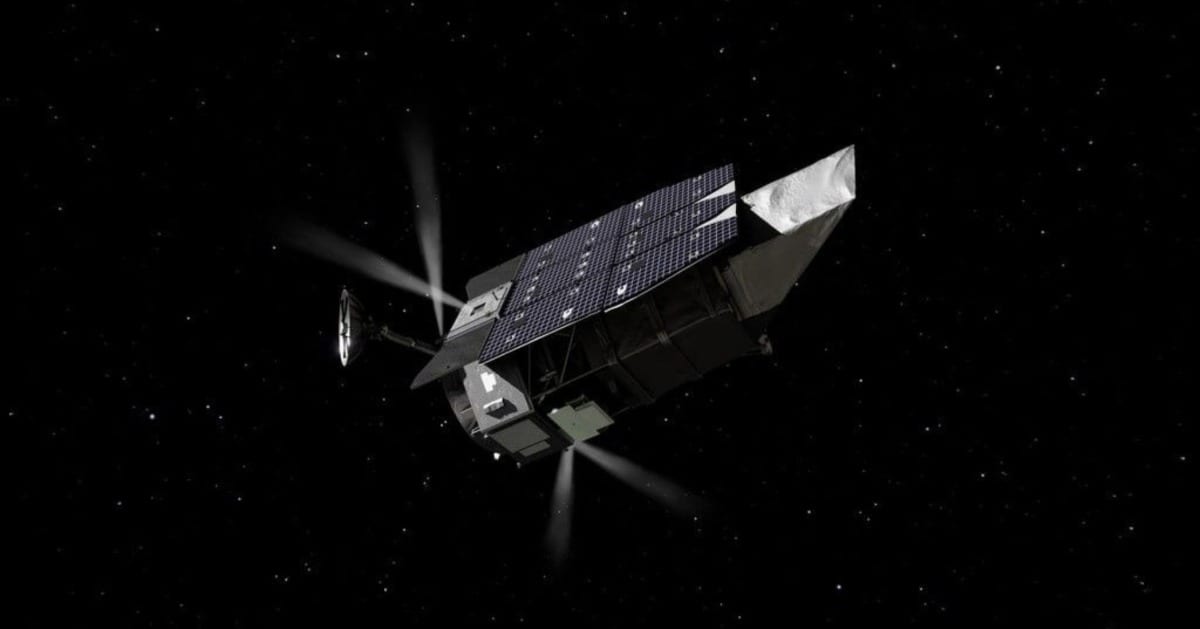
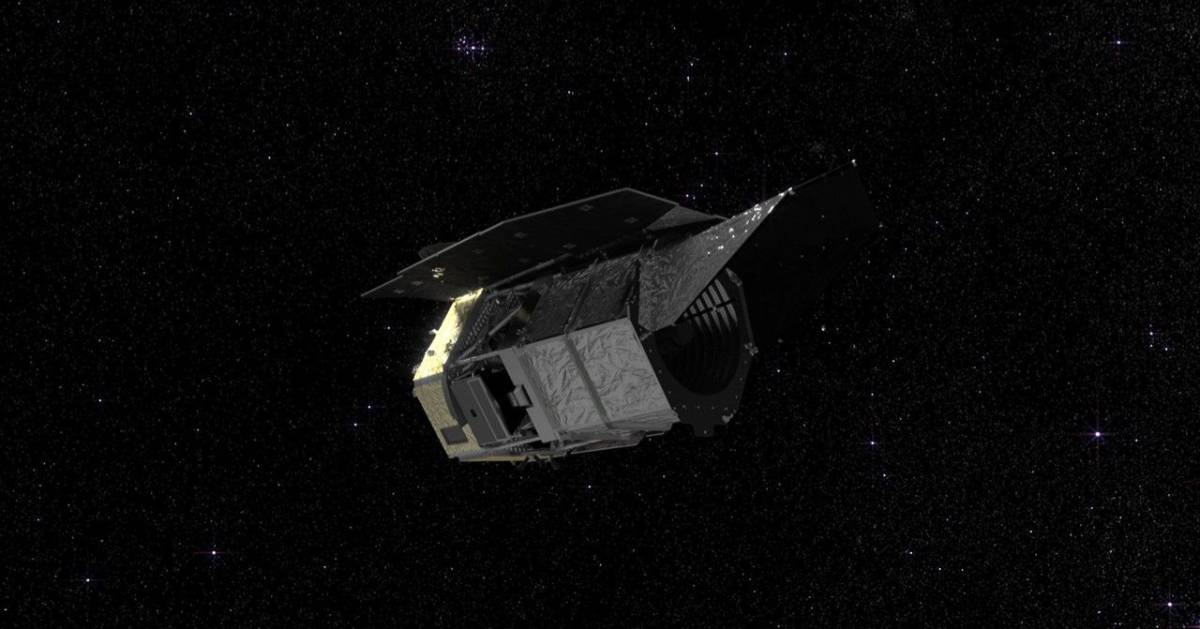
NASA's Habitable Worlds Observatory may find signs of alien life with this proposed upgrade
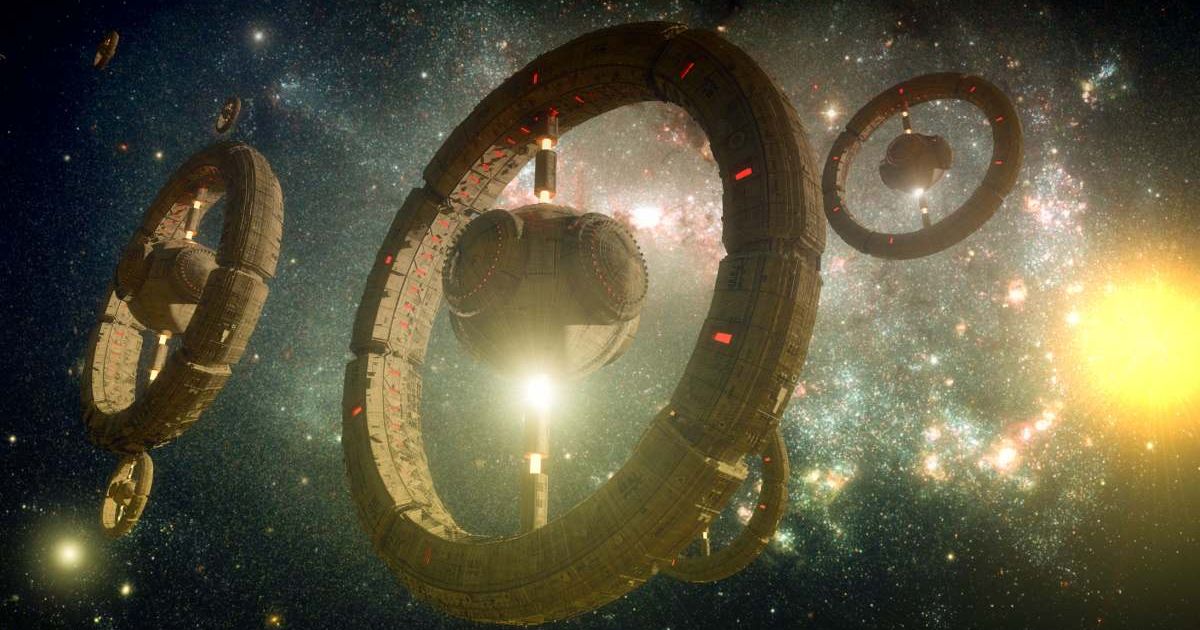
Even with the James Webb Space Telescope (JWST)—one of the most advanced astronomical instruments ever built—we still don’t get enough data to confirm signs of life beyond Earth. Detecting life on a distant planet means reading the chemical fingerprints in the light coming from its atmosphere, and JWST's instruments don't have the precision to do that cleanly yet. Now, a team of researchers led by Daniel Jaffe at the University of Texas at Austin has published a paper on the arXiv preprint server arguing that NASA's future Habitable Worlds Observatory (HWO) could solve this issue, but only if it's built with far sharper near-infrared instrumentation than anything we've ever sent to space. With this upgrade, the telescope will potentially put us ahead in the search for life beyond our solar system.
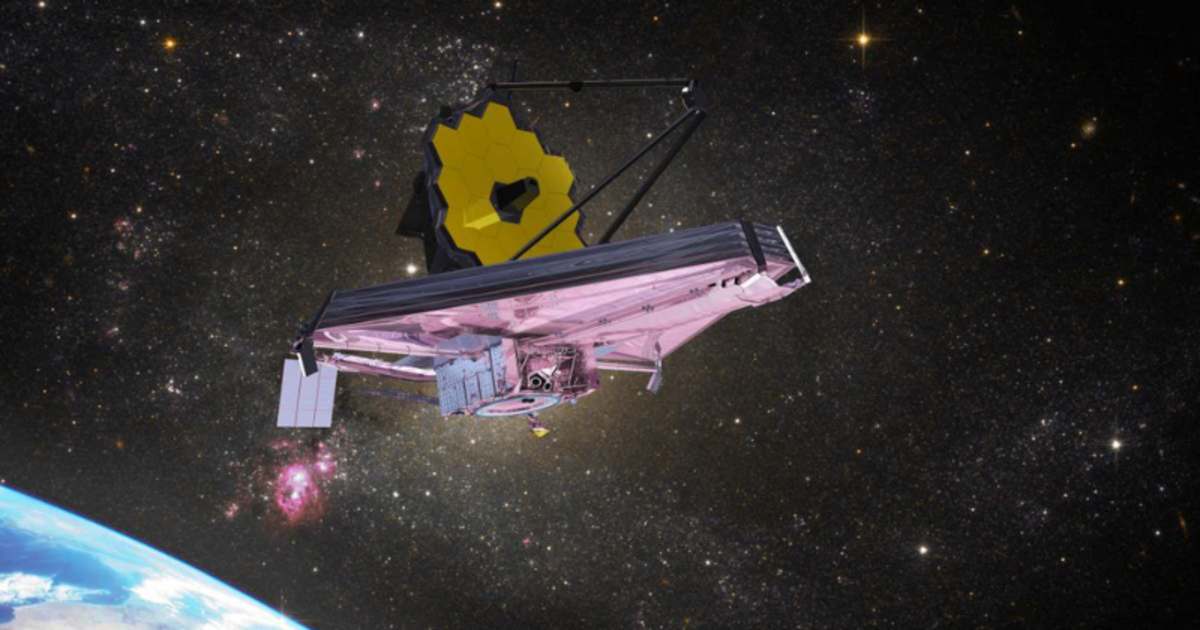
JWST’s near-infrared spectrograph reaches a resolving power of around 2,700 to 3,600. But ground-based telescopes can achieve much higher resolution. At JWST's level, the spectral lines for molecules like CO2 get smeared together, making it nearly impossible to say with confidence what's actually in a planet's atmosphere. On top of that, separating the planet's faint light from the overwhelming glare of its host star becomes even more difficult, and useful data gets buried in noise. This is important because scientists use clues in a planet’s atmospheric chemistry to look for signs of extraterrestrial life.
How can NASA’s Habitable Worlds Observatory solve this problem?
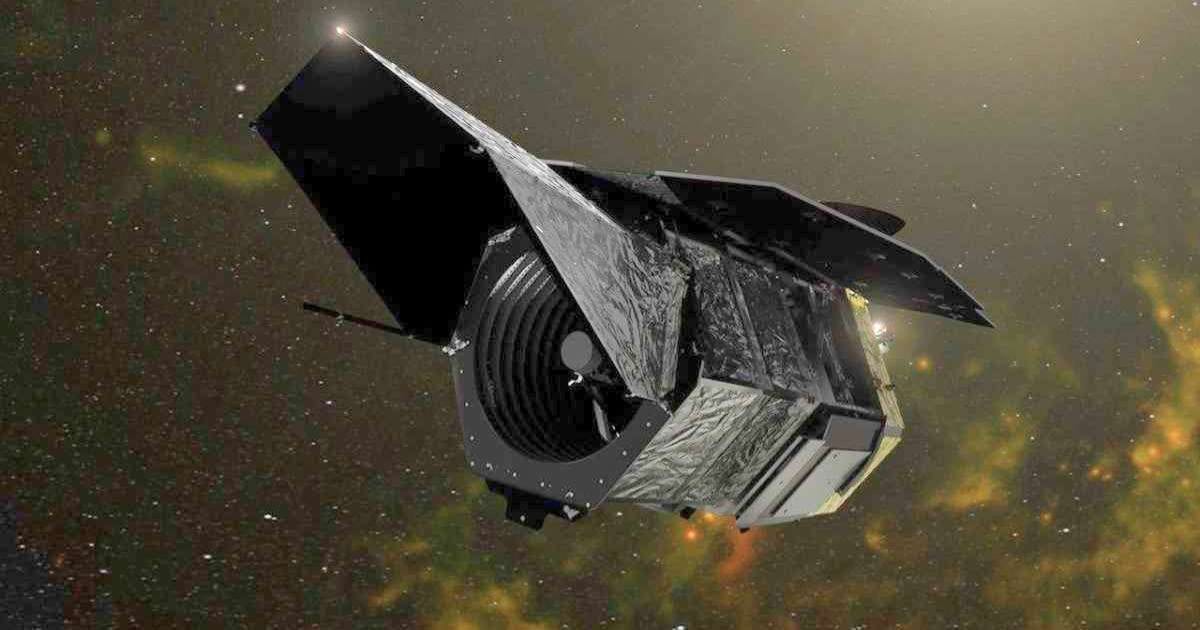
To resolve this barrier, NASA is currently in the early planning stages of the Habitable Worlds Observatory, designed specifically with the goal of finding signs of life on other planets. The launch is expected in the 2040s, which is still decades away, but scientists are already laying the groundwork for what it should be able to do. The research team suggests that HWO needs to be equipped with a high-resolution spectrograph operating at a resolving power of 45,000. That's more than 12 times sharper than what JWST currently offers.
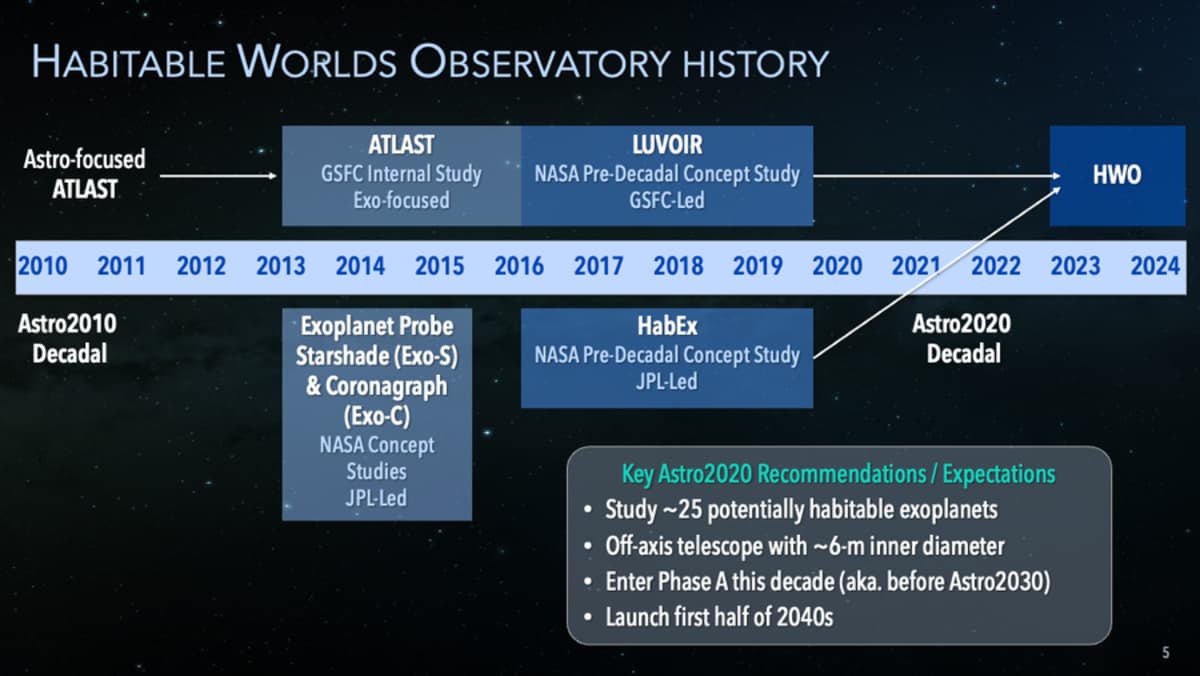
With that kind of precision, weak molecular signals like CO2 would become far easier to detect, and the signal-to-noise problem would be significantly reduced. As a result, measuring tiny shifts in those spectral lines (caused by a planet's motion) could even let scientists track weather patterns and planetary winds on worlds light-years away. To help with the glare, HWO would also use a coronagraph, a device that blocks the direct light coming from a planet's host star. However, even the best coronagraphs let some starlight through, and this is exactly why a sharper spectrograph matters so much.

Until recently, building a near-infrared spectrograph this powerful for a space telescope wasn't feasible. The hardware was too big, and the sensors produced too much background noise, making the data unreliable. But two new technologies can help with that. The first is called silicon immersion gratings and grisms. Instead of bouncing light in a vacuum, these devices force light to travel through a high-refractive material like silicon before diffracting off a grooved, mirrored surface on the back. This dramatically cuts down the physical size of the spectrograph without sacrificing performance, and removes the need for moving parts entirely.
The second is avalanche photodiode arrays, a new type of sensor that produces almost no background noise on its own and is sensitive enough to register the signal from a single photon. Together, these two technologies make a highly sensitive, space-ready spectrograph far more realistic than it's ever been. Both have already been tested in ground-based instruments, including the immersion gratings used on the IGRINS instrument at the Gemini South telescope. Before these instruments can be used on the HWO, the researchers note that a full-scale prototype needs to be built. Given its compact size, the team suggests an early version of the prototype could even be flown on a smaller satellite to prove its space-readiness before HWO's eventual launch.
More on Starlust:
Garnet found in Martian meteorite for the first time could help piece together Red Planet's history
How NASA's Roman Telescope will find hidden 'rogue' planets despite challenges in observing them