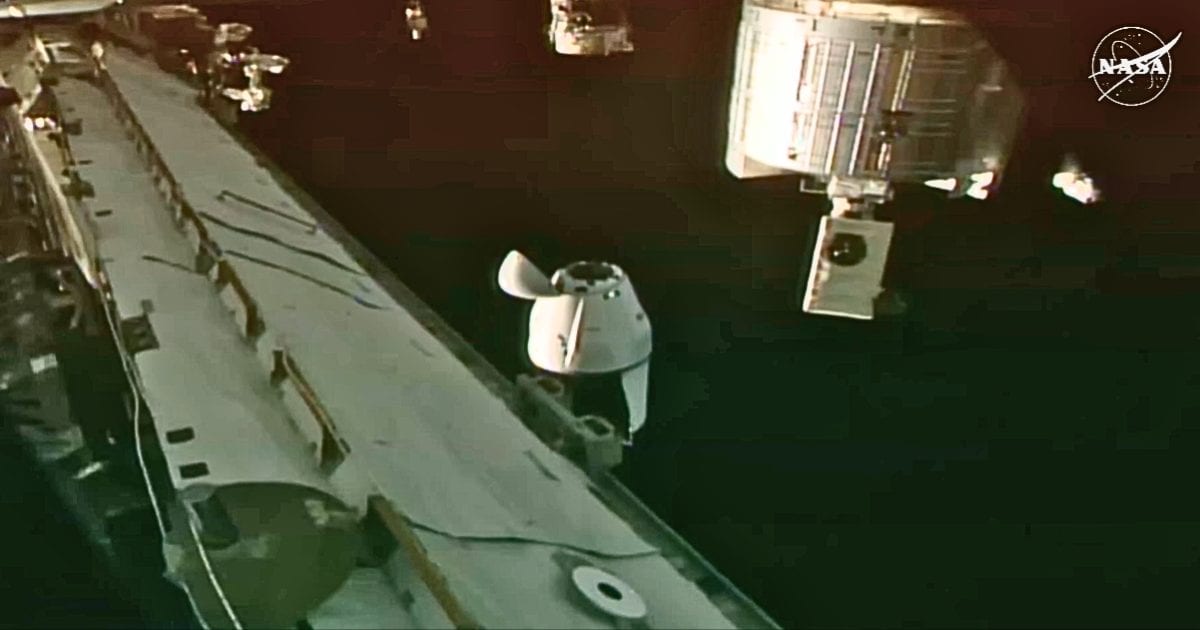
All about Soyuz 11: The first crewed space station mission and the fatal disaster that followed
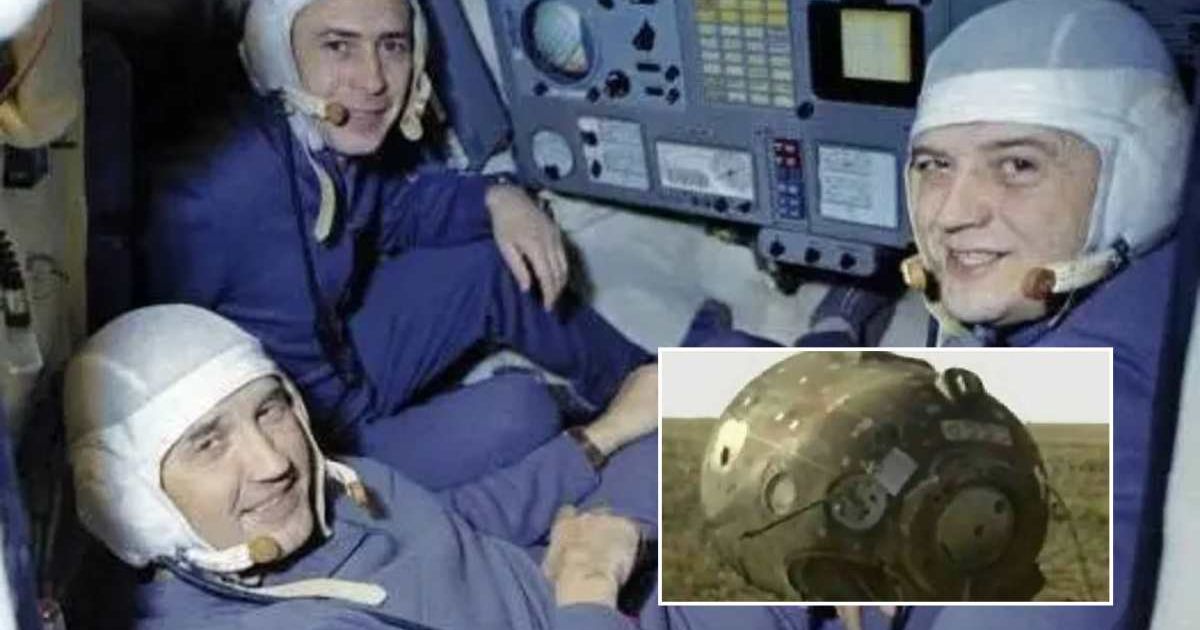
Humanity has launched countless spacecraft into the cosmos, achieving incredible milestones like the Apollo 11 Moon landing. But not all missions end in triumph. One such flight is the historic Soyuz 11. In 1971, three Soviet cosmonauts went to space to make remarkable discoveries and achieve several firsts in human spaceflight history. However, their story is remembered not just as a historic event, but as a mission that demonstrated how unforgiving the vacuum of space can be when a single component fails. Here is the story of the world's first crewed space station mission, which ended with the only human fatalities to occur above the Karman line.
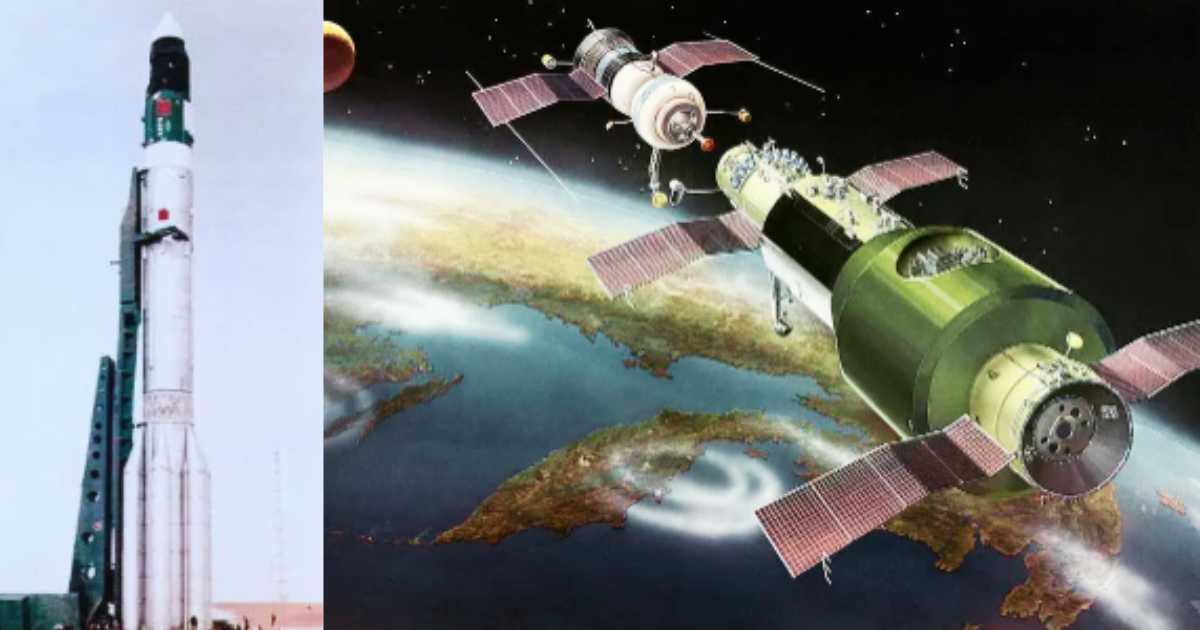
What was Soyuz 11?
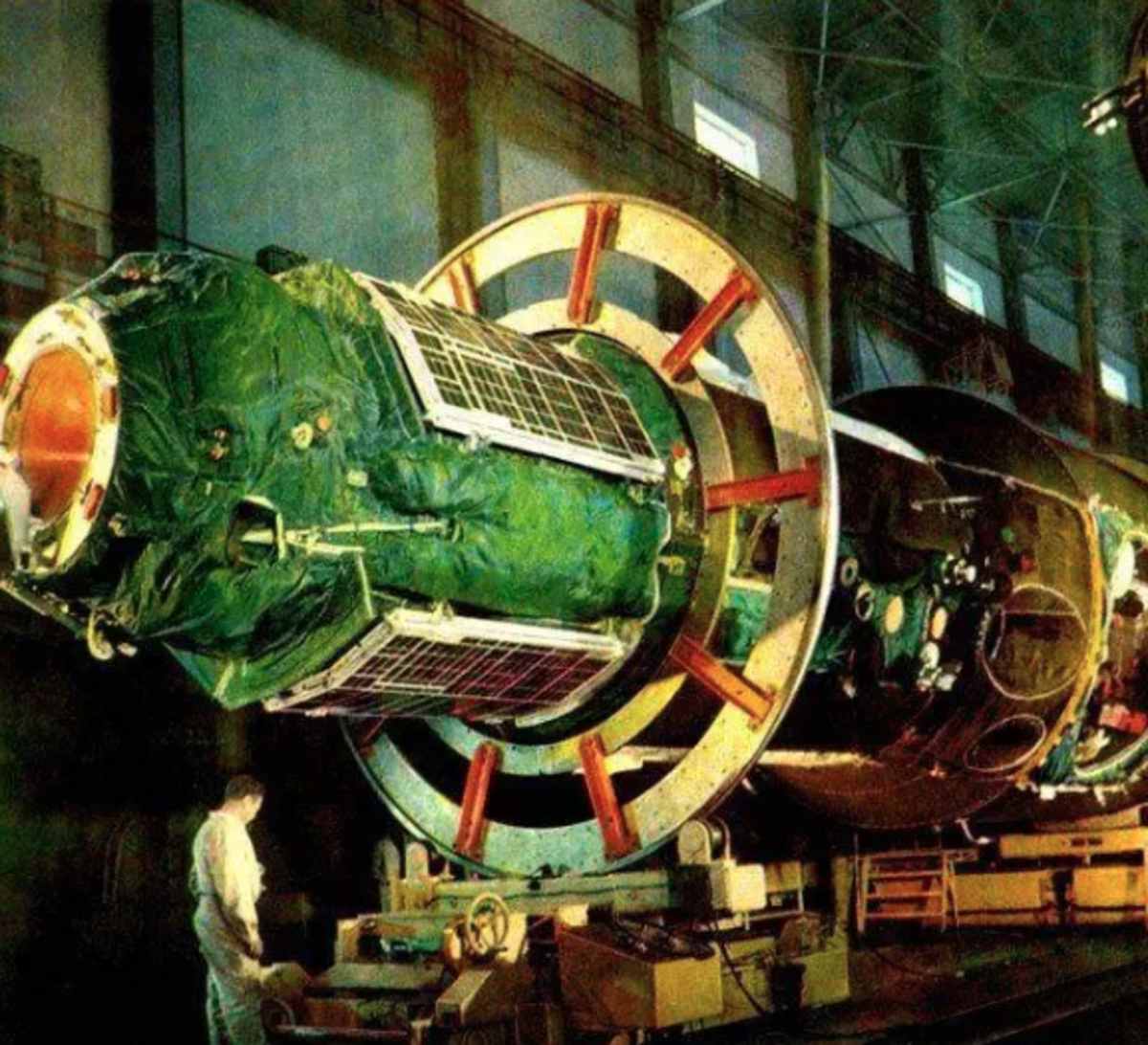
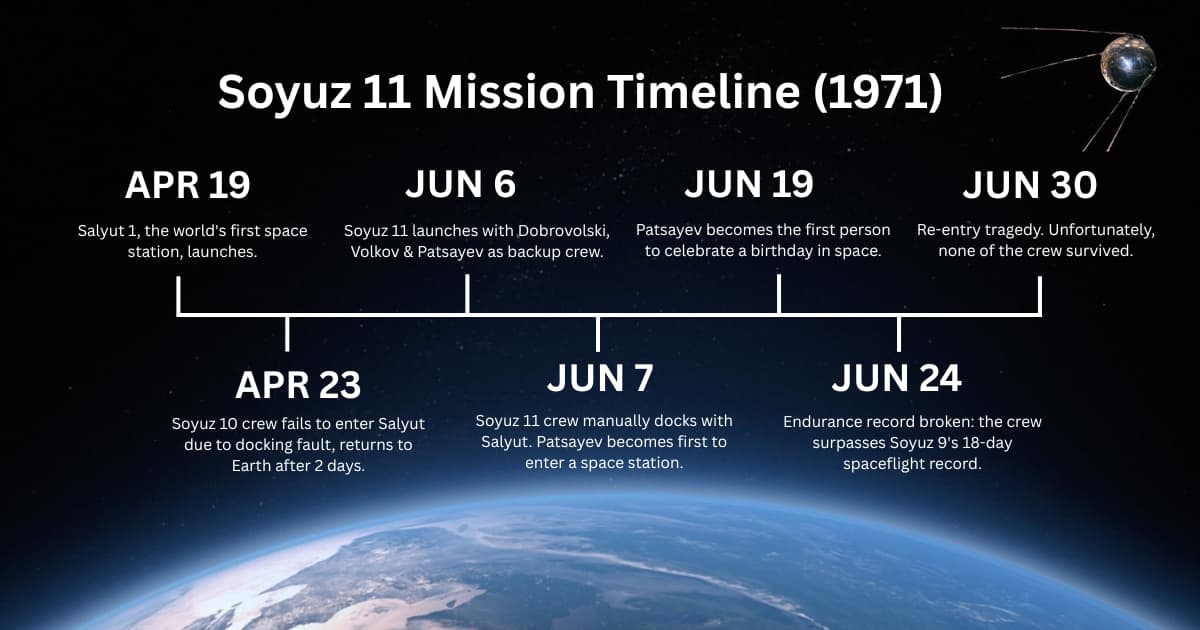
Soyuz 11 was the Soviet mission that ferried the first crew to live aboard Salyut 1, the world's first space station. The station itself was launched on April 19, 1971. At the time, it was an exceptional piece of engineering. Salyut stretched roughly 66 feet long, weighed over 40,000 pounds, and was packed with about 2,600 pounds of scientific equipment. Inside, the crew had the basic facilities they needed to survive in orbit, such as a refrigerator, food warmer, treadmill, elastic exercise bands, and weighted suits. The first crew meant to inhabit Salyut traveled to the station aboard Soyuz 10, docking on April 23. However, a mechanical failure with the docking collar prevented them from opening the hatch. Unable to enter the station, they returned to Earth after just two days. Soyuz 11 was the follow-up.
Who were the Soyuz 11 crew members?
Soyuz 11 included three cosmonauts: Georgi Dobrovolski, Vladislav Volkov, and Viktor Patsayev. Out of the three, Volkov was the only member who had flown in space before. Dobrovolski commanded the mission and managed the crew's day-to-day routine aboard the station. Patsayev made history as the first person to operate a telescope from space—using the station's Orion-1 ultraviolet instrument—and the first to celebrate his birthday in orbit, turning 38 during the mission. Volkov, on the other hand, took on much of the hands-on medical work aboard Salyut. He also had a playful side, having smuggled an onion and a lemon aboard the spacecraft, which he and Dobrovolski later gave to Patsayev as a birthday surprise.
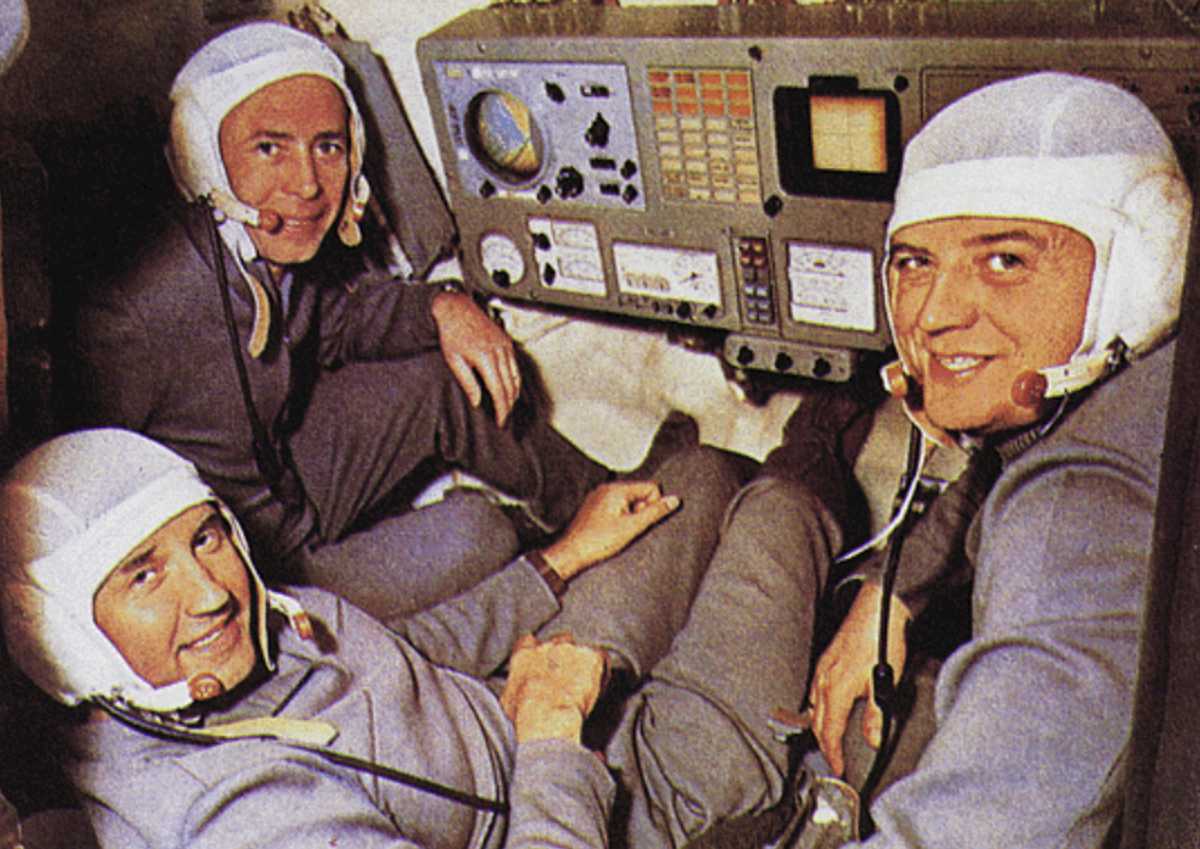
Georgi Dobrovolski, Vladislav Volkov and Viktor Patsayev were not the original crew
But here’s when things get interesting. These three men were not the original crew. The primary team (Aleksei Leonov, Valeri Kubasov, and Pyotr Kolodin) had been training for the mission, but a pre-launch medical exam found a spot on Kubasov's chest X-ray that doctors feared might be tuberculosis. With the launch only three days away, Soviet spaceflight rules required a full crew swap once the team had reached the Baikonur Cosmodrome. The backups—Dobrovolski, Volkov, and Patsayev—stepped in. (Doctors later determined that Kubasov never had tuberculosis; it was an allergic reaction to a pesticide).

Timeline of the Soyuz 11 Mission
Soyuz 11 lifted off from Baikonur on June 6, 1971. Since the last crew had failed to enter the station, this mission marked a massive milestone: the first time humans would ever step inside a space station. Everything about the flight, from the hardware to the team flying it, had been adjusted under immense pressure in the days leading up to liftoff. The day after launch, Dobrovolski took manual control of Soyuz 11 and docked it with Salyut without issue. About three hours later, once the pressure between the two spacecraft had equalized, the crew opened the hatch and Patsayev became the first person to float into the station. He immediately noticed a strange, burning smell coming from inside and returned to the Soyuz capsule. This led to the discovery of six failed ventilation fans, which Patsayev and Volkov repaired before the mission could truly begin.
How was life aboard the Soyuz 11 station?
Once settled, the Soyuz 11 crew fell into a demanding routine. To conduct as much research as possible, they slept in shifts so that someone was always awake and working. Soviet scientists later admitted that this rigorous schedule actually hurt the crew's performance by disrupting their circadian rhythms. During their stay, they covered many experiments. They grew Chinese cabbage and onions in an onboard plant chamber, and tested how their cardiovascular systems handled weightlessness using a lower-body negative pressure device called Veter. This technology eventually evolved into the Chibis apparatus, which is still used today on the Russian segment of the International Space Station (ISS).
Soyuz 11 record-breaking stay
By the time their mission wrapped up, Dobrovolski, Volkov, and Patsayev had spent more than three weeks living and working aboard Salyut, shattering the previous human spaceflight endurance record of 18 days. They also became the first people to ever cast a vote in an election from space. By every available metric, the mission was a record-breaking scientific and engineering success—right up until the final hours of the journey home. As the crew prepared to undock, mission control radioed a routine farewell: "Goodbye, Yantar, till we see you soon on Mother Earth." Dobrovolski responded, "Thank you, be seeing you. I am starting orientation." Nobody expected this to be their last exchange.
Soyuz 11 accident: What went wrong during re-entry?
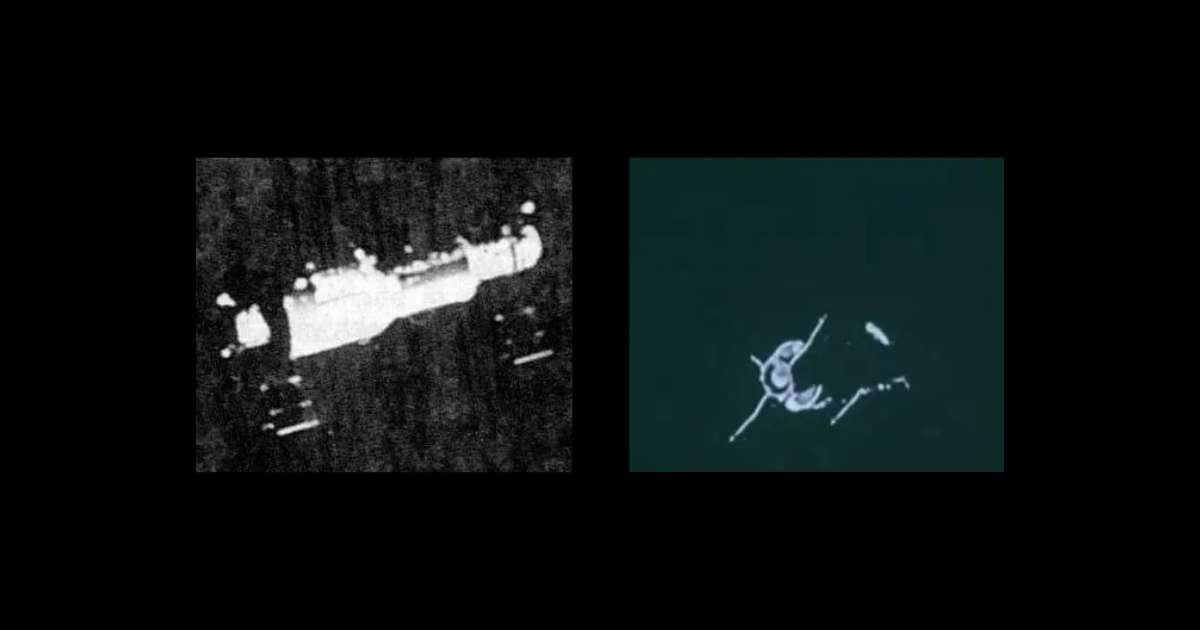
Late on June 29, the team prepared to return to Earth. Early in the undocking process, an instrument panel light indicated that the hatch to their descent module hadn't sealed properly. Ground communicator Aleksei Yeliseyev helped the crew troubleshoot the issue, instructing them to reopen the hatch and clear the seals in case debris was blocking the locking mechanism. Even after this, the warning light remained illuminated. Confident that the hatch was physically secure and the sensor was merely faulty, the crew and mission control proceeded to undock from Salyut.
The descent started normally. Dobrovolski oriented the spacecraft and fired the retrorocket for 187 seconds to slow the capsule down for atmospheric entry. About nine minutes after the burn ended, at an altitude of approximately 104 miles (168 kilometers), a series of explosive bolts fired to separate the Soyuz into its three distinct sections. But a fatal flaw occurred: instead of firing in their intended sequence, the bolts connecting the orbital and descent modules detonated simultaneously. That immense, synchronized physical shock jolted a pressure equalization valve that was only meant to actuate later in the descent. The valve popped open while the capsule was still exposed to the vacuum of space. Within a minute, all the air inside the cabin vented out through the millimeter-wide opening. Because the crew had no pressure suits to fall back on, there was nothing to stop the rapid loss of breathable oxygen.
How did the Soyuz 11 crew die?
As per NASA's technical review of the disaster, "The rapid depress led to loss of consciousness of the crew despite attempts by one of the crew to block the leakage of air from the vehicle.[...] The lives of Georgi Dobrovolski, Vladislav Volkov, and Viktor Patsayev were lost due to the vacuum experienced. The cause of death for the cosmonauts was hemorrhaging of the blood vessels in the brain, with lesser amounts of bleeding under their skin, in the inner ear, and in the nasal cavity, all of which occurred as exposure to a vacuum environment which caused the oxygen and nitrogen in their bloodstreams to bubble and rupture vessels." Flight recorder data suggests the crew members frantically tried to locate and seal the valve beneath their seats. But as the cabin depressurized at the speed of sound, all three men lost consciousness within 40 seconds, dying shortly after in the early hours of June 30.
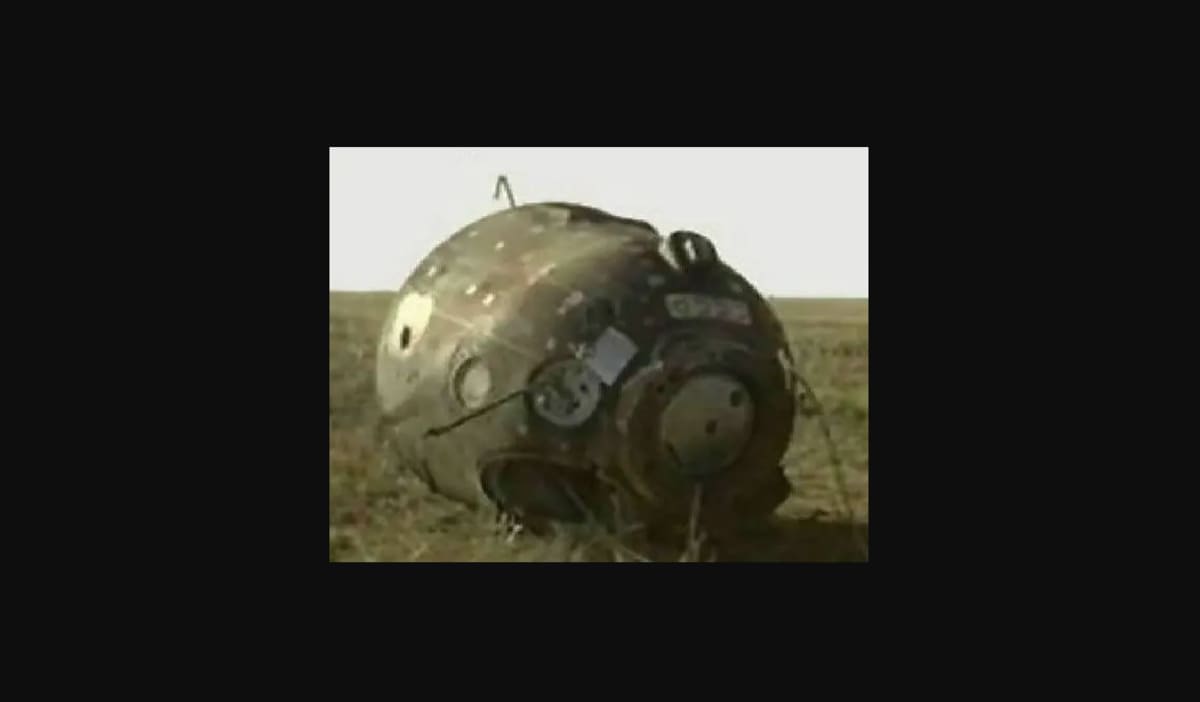
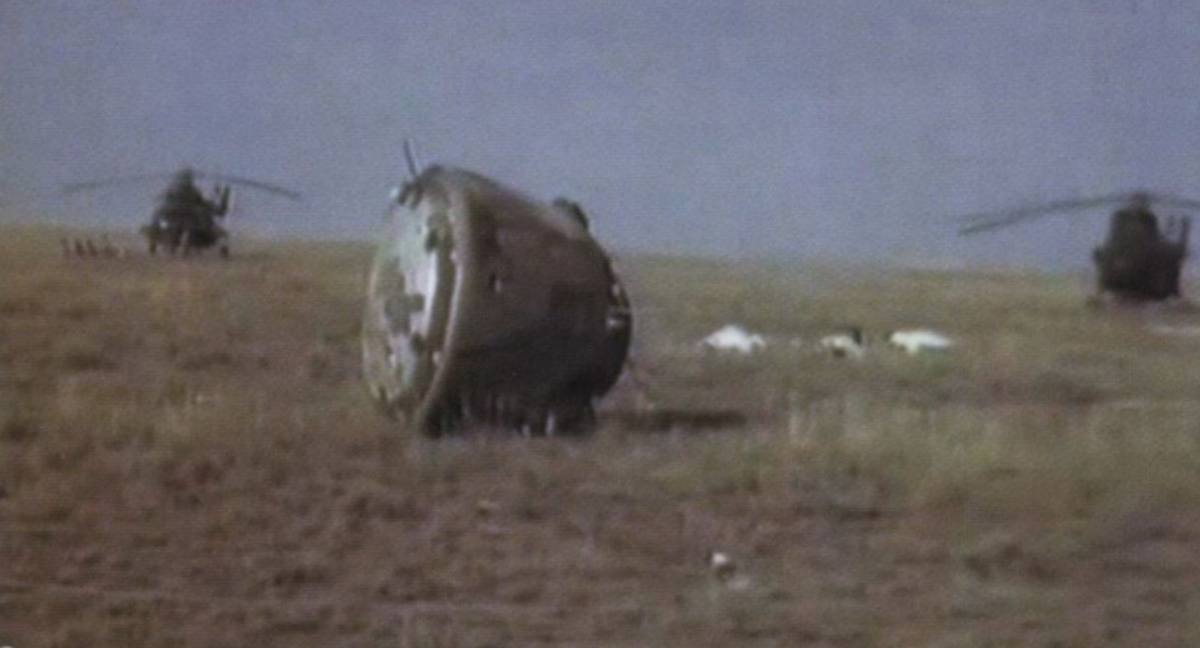
When the capsule touched down under its automatic parachute system, the scene the rescue team found was devastating. Kerim Kerimov, who chaired the Soviet State Commission investigating the accident, described the moment in Ben Evans’ book 'Foothold in the Heavens': “[The recovery crew] knocked on the side, but there was no response from within. On opening the hatch, they found all three men in their couches, motionless, with dark-blue patches on their faces and trails of blood from their noses and ears. They removed them from the descent module. Dobrovolski was still warm. The doctors gave artificial respiration. Based on their reports, the cause of death was suffocation.”
Why weren't the Soyuz 11 cosmonauts wearing spacesuits?
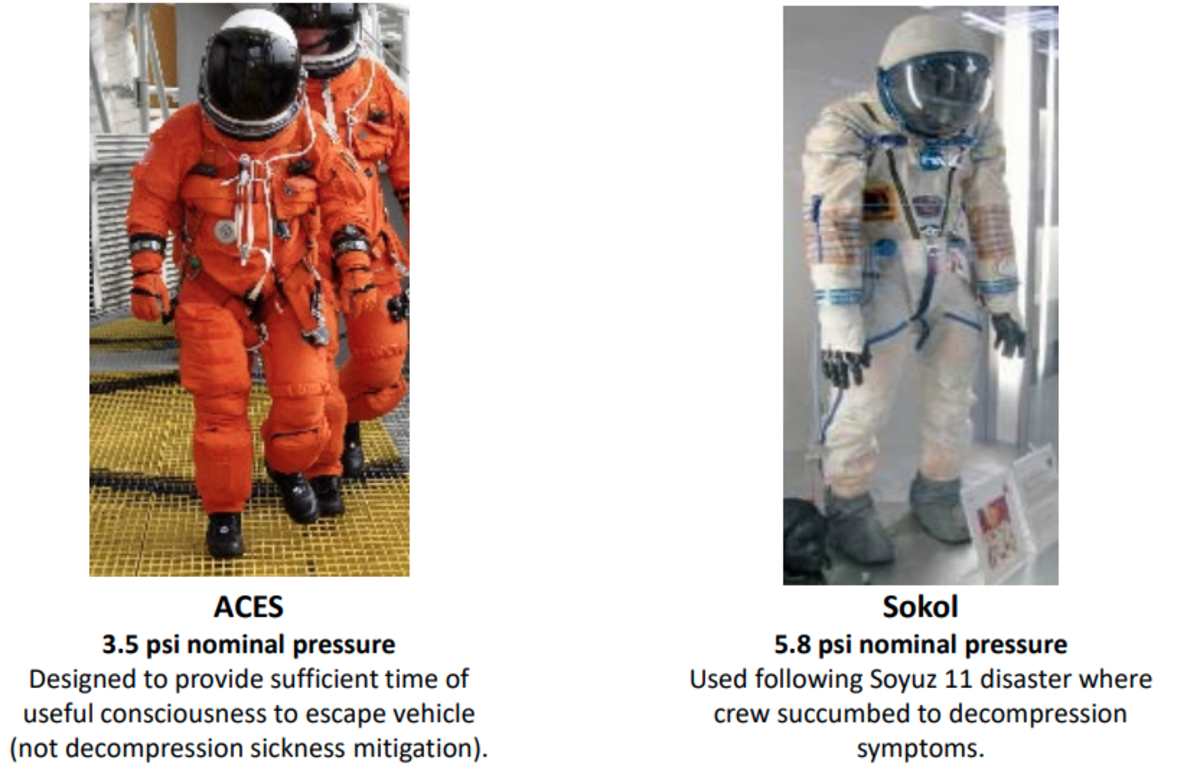
The Soyuz 11 descent module was incredibly cramped. It did not have enough room for three crew members to wear bulky pressure suits simultaneously. If they had been wearing suits, the fatalities could easily have been avoided. As per NASA, “for a time after Soyuz 11, Soyuz missions moved to two-member crews, which allowed enough space for both crewmembers to wear their LEA [Launch, Entry, and Abort] suits. Later, LEA suits were redesigned to be smaller, which allowed for a three-person crew again.” NASA's own technical review of the standards now required of crew suits reflects the grim lesson learned from Soyuz 11, mandating that "the system shall accommodate efficient and effective donning and doffing of spacesuits for both nominal and contingency operations." Simply put, suits must be quick and easy to put on in an emergency.
How did Soyuz 11 change spaceflight safety?
Every Soyuz mission since 1971 has required crews to suit up for the dynamic phases of flight—launch and re-entry. NASA's safety standards echo this identical lesson. On top of the suit mandate, engineers added manual valve handles to the Soyuz spacecraft after the accident, ensuring future crews had the physical leverage to shut off a leaking valve rather than relying on pyrotechnic systems. Investigators also pushed for far more rigorous stress testing of spacecraft components against simultaneous shocks.
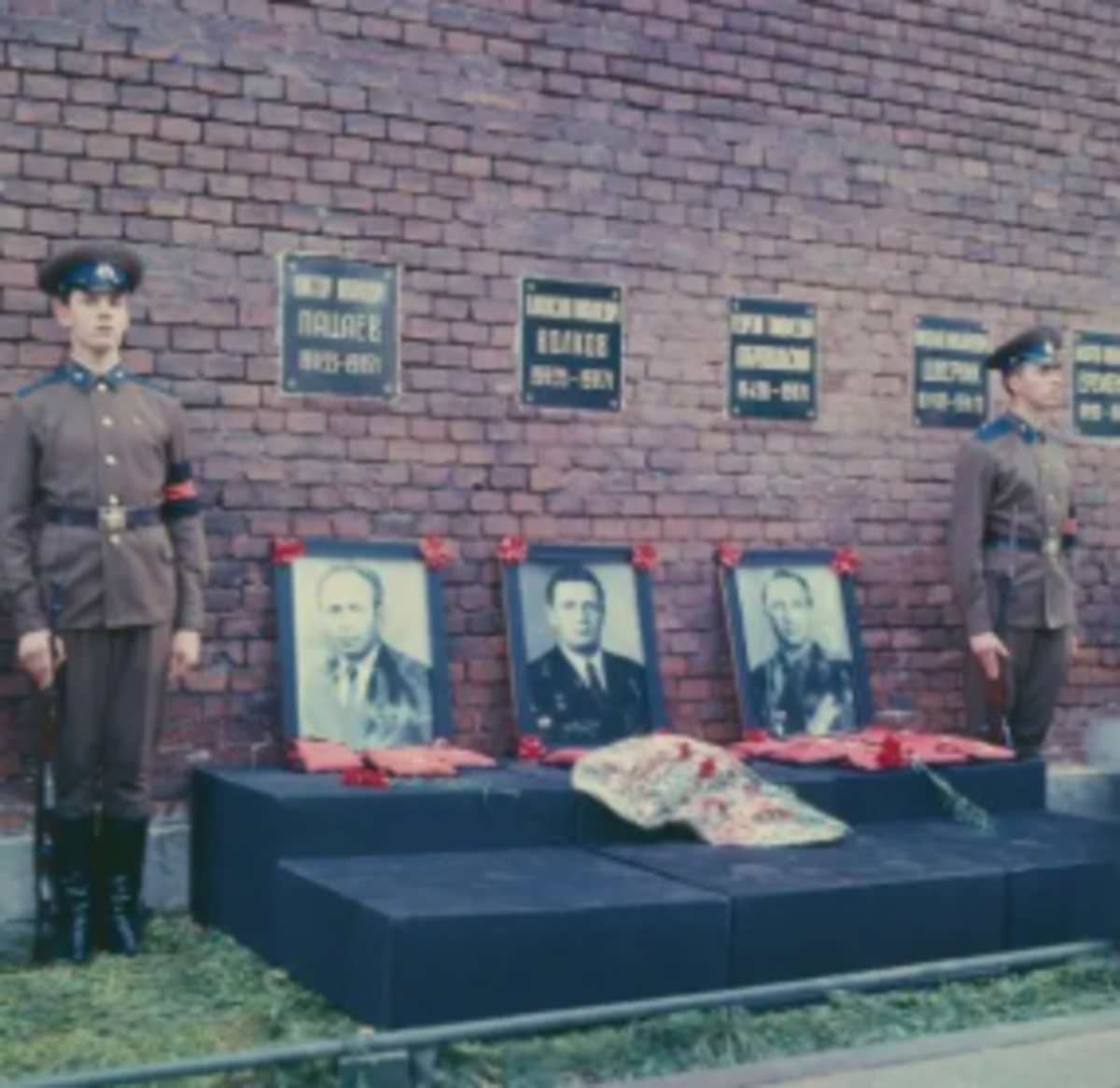
In the aftermath, U.S. President Richard Nixon issued a formal statement of condolence: "The American people join in expressing to you and the Soviet people our deepest sympathy on the tragic deaths of the three Soviet cosmonauts. The whole world followed the exploits of these courageous explorers of the unknown and shares the anguish of their tragedy. But the achievements of cosmonauts Dobrovolski, Volkov and Patsayev remain. It will, I am sure, prove to have contributed greatly to the further achievements of the Soviet program for the exploration of space and thus to the widening of man’s horizons."
More on Starlust:
What happened to the historic American flags planted on the Moon by Apollo astronauts?