Could the first people on Mars need their own time system? Here's what a NASA researcher says

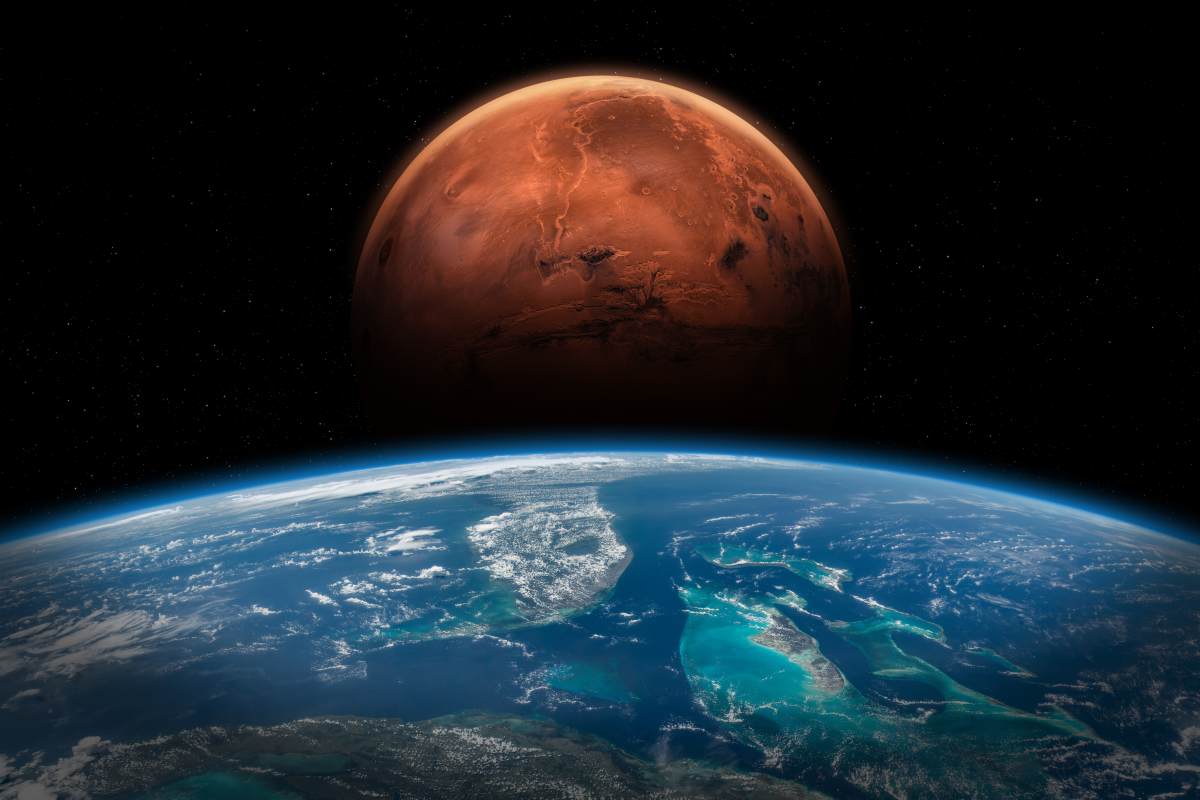
Einstein's general theory of relativity established that gravity slows time down, so less gravity means time runs a little faster. Mars sits in a shallower gravity well than Earth, and this would make a clock on the Martian surface tick ahead of one on Earth. And this could cause a few issues for astronauts who would participate in future missions to Mars and perhaps even beyond. Dr. Slava Turyshev, a researcher at NASA’s Jet Propulsion Laboratory, raised this concern in his research paper, which is available on the arXiv preprint server.

For this, Dr. Turyshev proposes Areocentric Coordinate Time (TCA), a dedicated timekeeping system for Mars. Think of it as Mars getting its own version of the Geocentric Coordinate Time (TCG), which is the coordinate time at the center of the mass of Earth. By doing so, he grounds Martian timekeeping tools within the Barycentric Celestial Reference System/Barycentric Coordinate Time (BCRS/TCB) formalism, which is standardized by the International Astronomical Union (IAU), and creates a mathematical connection between a clock on Mars and the center of the solar system. Dr. Turushev, however, deliberately doesn't take into account physical factors whose effects on a clock are miniscule. More specifically, he ignores alterations of less than 5x10⁻¹⁸, or an accumulated error of 0.1 picosecond. That kind of precision is not necessary.

There are nuances to keeping time on Mars
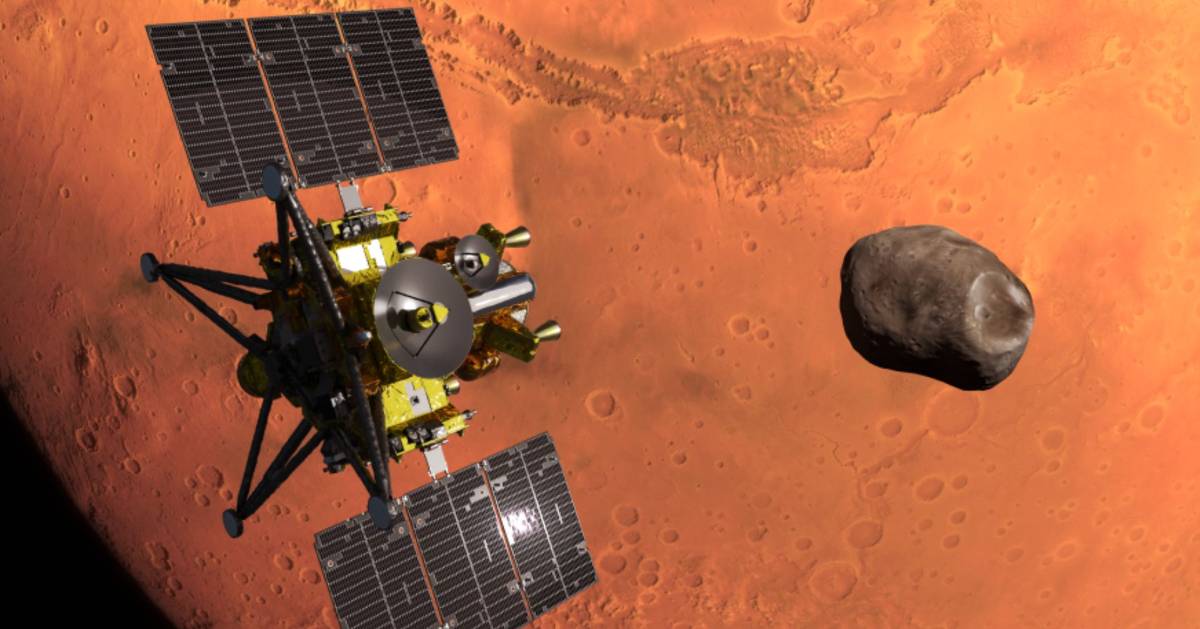
Time differs on Mars in more than one way. A satellite in low-Mars orbit at around 300 kilometers above the surface moves fast enough that its clock runs 4.56 microseconds per day slower than one on the Martian surface. A microsecond is one millionth of a second, so that sounds like nothing. But a satellite sitting in Areostationary Orbit moves more slowly. Due to this, its clock gains around 9.13 microseconds every day relative to the surface. So two satellites in different orbits around the same planet are already disagreeing on what time it is, and they're disagreeing in opposite directions.
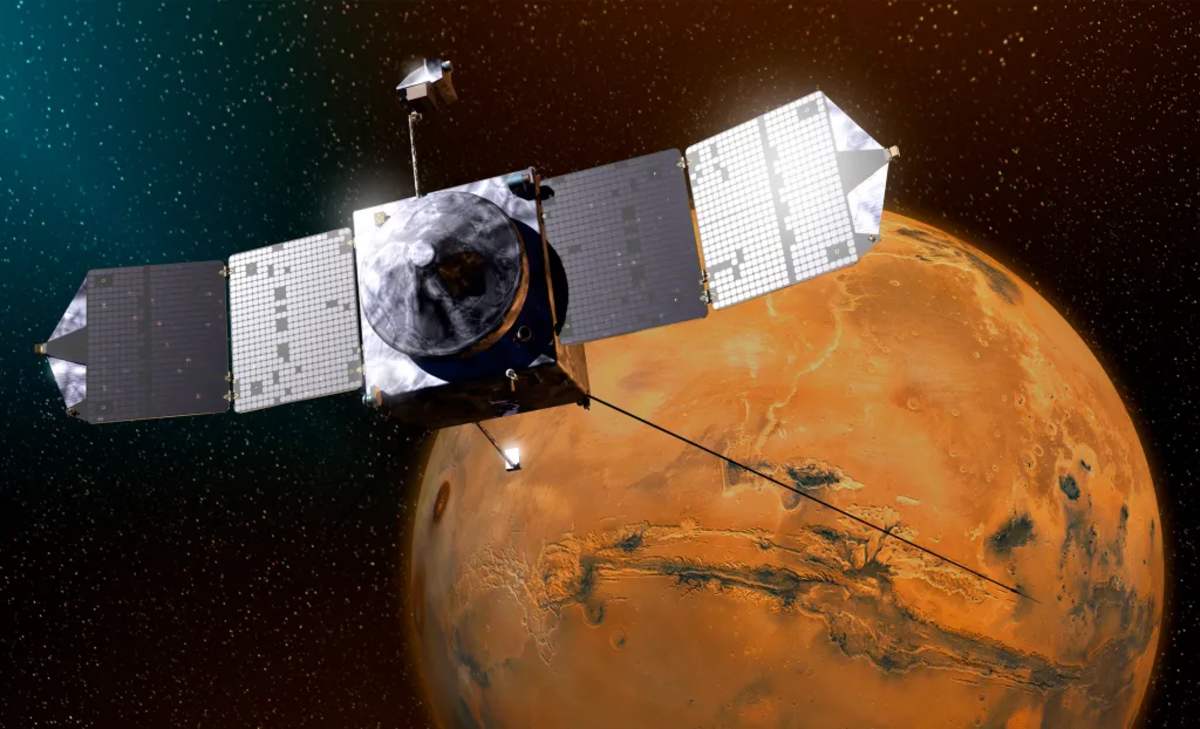
Satellites on highly elliptical relay orbits complicate this further. These are the orbits used for communications relays. Their speed and altitude change constantly, so scientists will have to keep proper track of their precise timings at each stage of their orbits. Dr. Turyshev also noted that Mars' surface isn’t uniform everywhere, and this has a small effect on how clocks run in low orbit. For example, Mars has a bulge around its equator and enormous canyon systems, and the gravitational pull varies slightly from one region to another due to the uneven topography. Dr. Turyshev uses the gravity field model GMM-3 to account for these topography-induced variations.
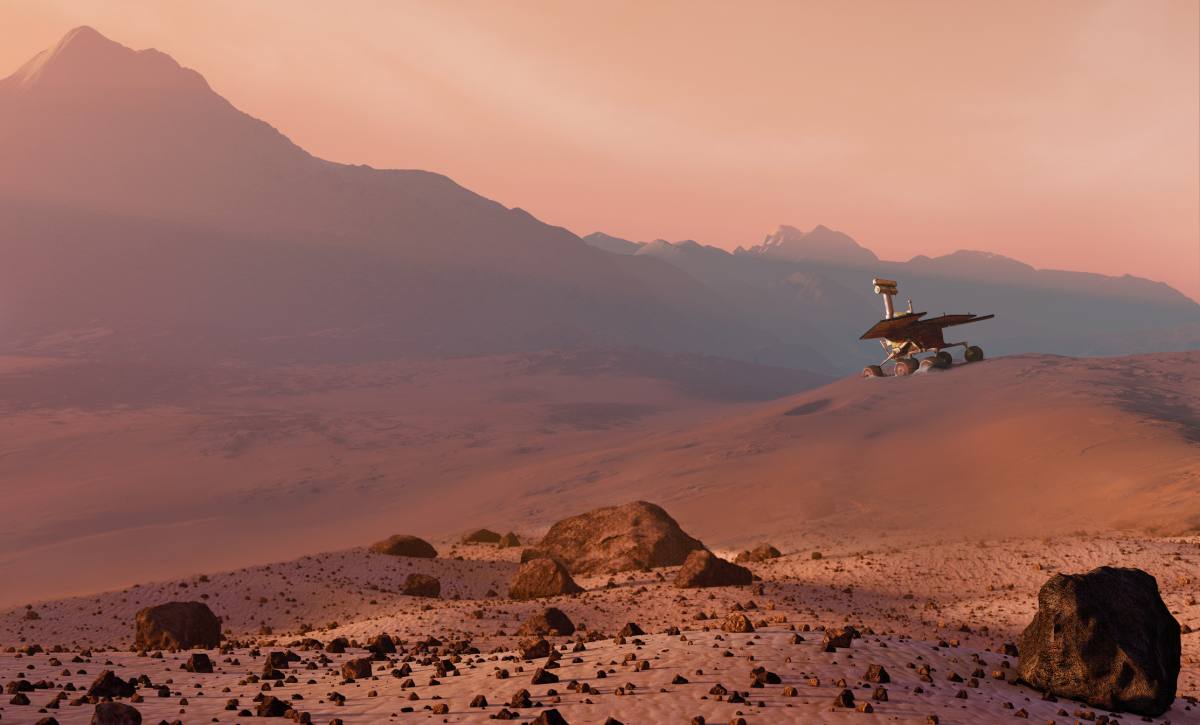
The influence of Mars on gravity isn't limited to its topography either. Even the gravitational pull of Phobos and Deimos (Mars's two moons) has to be factored in for any spacecraft that passes near either one. The Sun's gravitational pull on Mars doesn’t stay constant either. So, scientists also have to include these changing gravitational effects in their calculations.
There's one more variable. Every Martian winter, carbon dioxide freezes out of the atmosphere and builds up on the polar ice caps. In the summer, it turns back into gas and returns to the air. As this huge amount of mass moves around the planet, Mars’s gravitational field changes slightly. But scientists don’t yet understand these seasonal gravity shifts well enough to model them with the precision needed for future timekeeping systems. While there's still some time before we begin setting up camp on Mars, the next step would be to solve this problem.
More on Starlust
Oxford physicist says best clue to alien life may already be sitting on the Moon
5 baffling space mysteries scientists have been trying to solve for decades