What happened to the historic American flags planted on the Moon by Apollo astronauts?
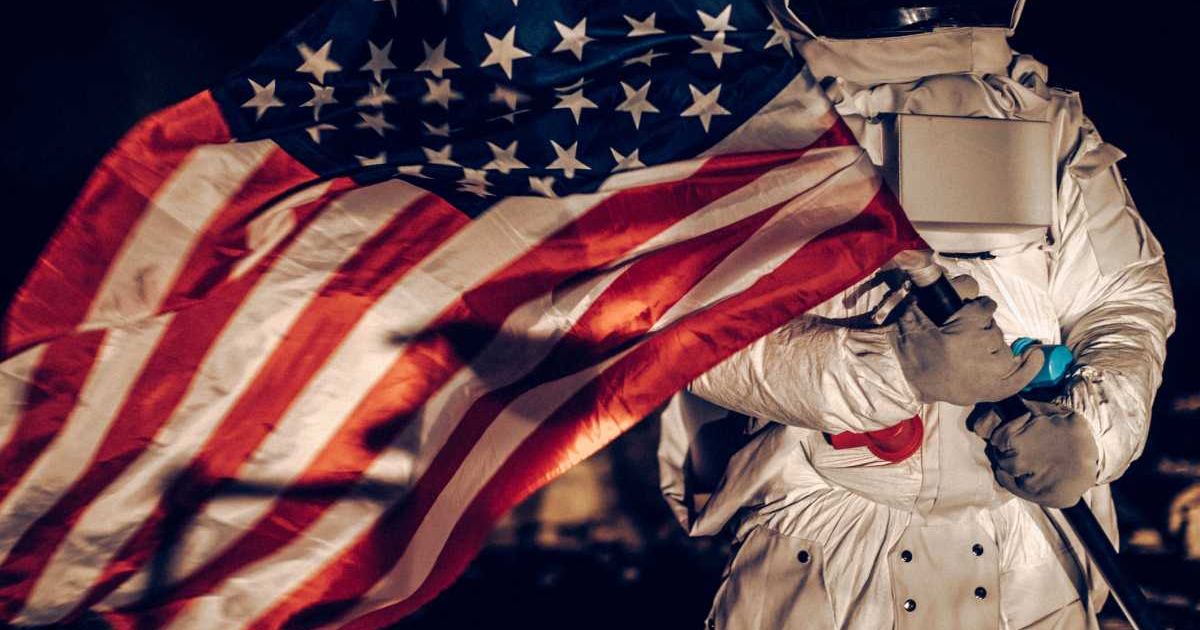
Between 1969 and 1972, NASA's Apollo program carried out six successful lunar landings, and each crew planted an American flag on the surface before heading home. But after more than 50 years sitting undisturbed on the Moon, what happened to those flags? Are they still standing tall? The answer is mostly yes, but they are not as we left them. The lunar environment is exceptionally unforgiving, and its extremes are likely to have fundamentally altered these historic banners.
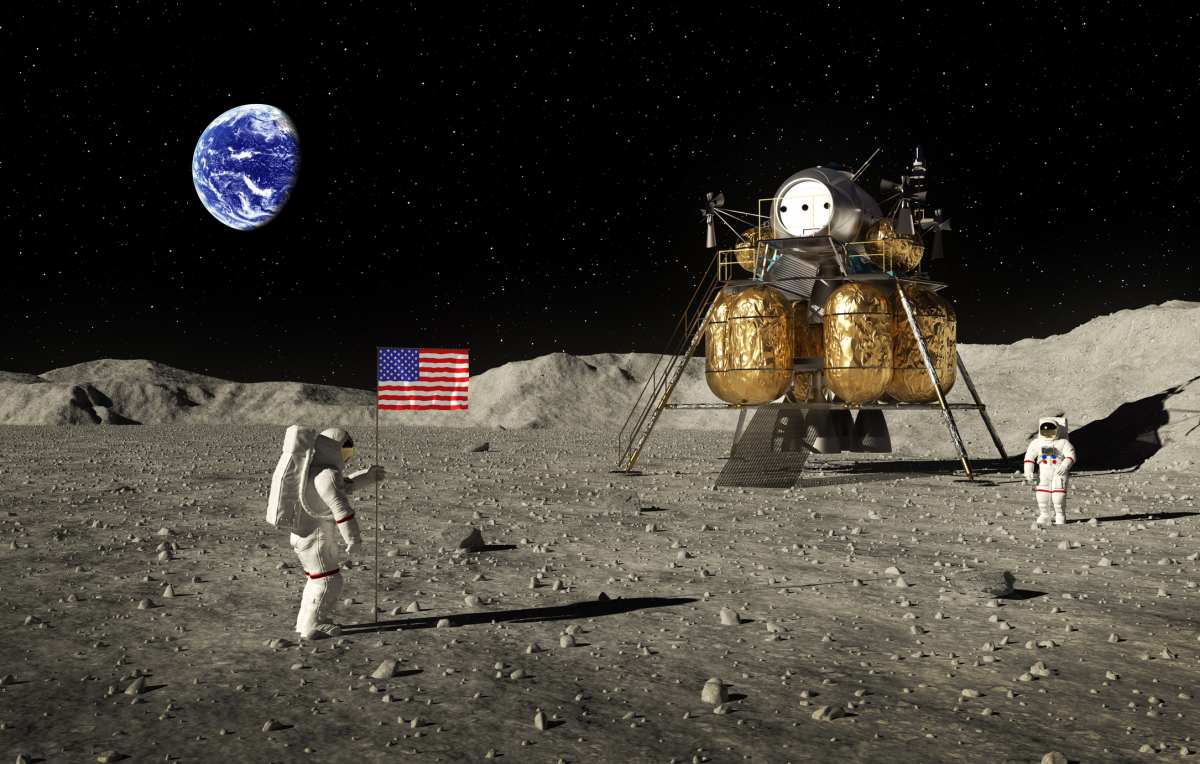
They were never designed to last this long
The flags planted by Apollo astronauts were made of standard nylon, the exact same material used for banners sold at any everyday store. For the Apollo missions, they were modified with a hinged horizontal rod along the top edge so the cloth would extend outward, creating the illusion of flying in the windless lunar environment. According to NASA's history of the Lunar Flag Assembly, this setup was never intended as a permanent monument: the design team had only weeks to engineer a solution, and their goal was simply to keep a flag standing upright long enough to look good on live television during a moonwalk (yes, that's it!). No one at the time engineered the dyed nylon to withstand half a century on the lunar surface.
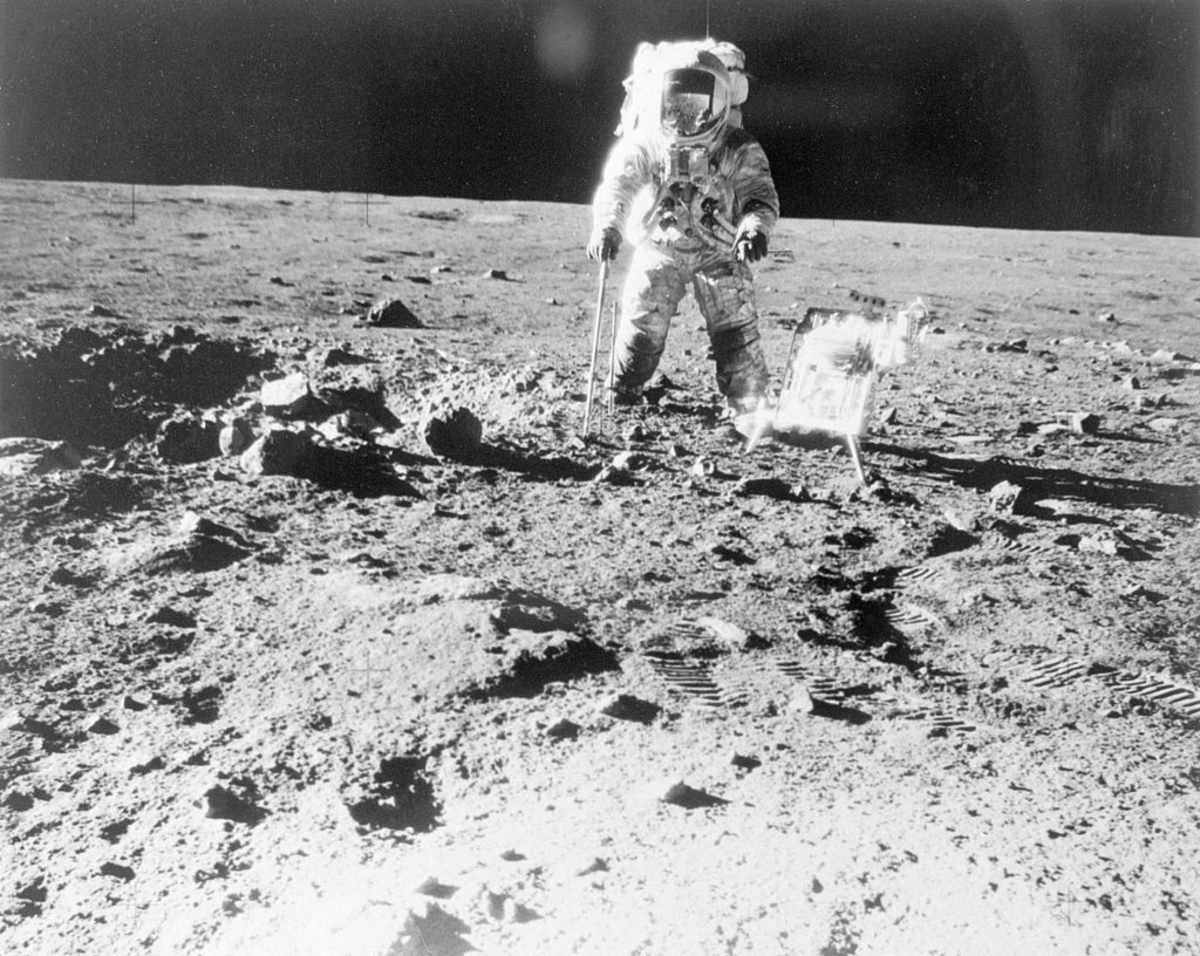
So, what happened to them?
The Moon has one of the harshest material environments imaginable. On Earth, the ozone layer filters out nearly all UV-C radiation and most of UV-B, which is why a flag left flying outside fades only gradually. The Moon, however, has no atmosphere, meaning solar ultraviolet radiation hits the surface with full force. For synthetic dyes on nylon fabric, that level of UV exposure is lethal, as high-energy photons physically break apart the chemical bonds that give the dyes their color. Red dyes are typically the most vulnerable to this process. Blue dyes, meanwhile, can hold on slightly longer depending on their chemistry, but they are not immune either. While the white stripes are likely to remain intact, the red and blue portions of the flags have undoubtedly bleached completely by now.

On top of radiation, the flags have also had to endure decades of brutal temperatures. Daylight on the Moon lasts about 14 Earth days, followed by roughly 14 Earth days of darkness. Throughout this cycle, the surface heats up to around 120°C in direct sunlight and drops sharply to roughly -130°C during the freezing nights. Nylon has a glass transition temperature of around 50°C, meaning that above this point, it becomes highly pliable. Below it, especially in very cold environments, it turns glassy and brittle. Further, experiencing such extreme changes in temperatures hundreds of times causes the material to develop tiny internal fractures. The Apollo 17 flag, planted in December 1972, has been through over 53 years of this relentless cycle of temperature fluctuations. The flags from earlier missions have faced it even longer.
Are they still standing at all?
NASA's Lunar Reconnaissance Orbiter (LRO) has been photographing the Moon from orbit for years. Its narrow-angle camera is sharp enough to make out subtle clues left behind at each landing site, including the descent stages, rover tracks, and scuffed patches of lunar terrain. In 2012, the LROC team confirmed that the flags at all Apollo landing sites—except Apollo 11—were still upright and casting shadows. But what happened to the Apollo 11 flag? That is a separate case. Buzz Aldrin reported watching it get knocked over by the exhaust blast from the lunar module's ascent engine when they lifted off in 1969, and orbital images of Tranquility Base are consistent with Aldrin's account. So, out of six total flags planted, five are likely still standing tall.
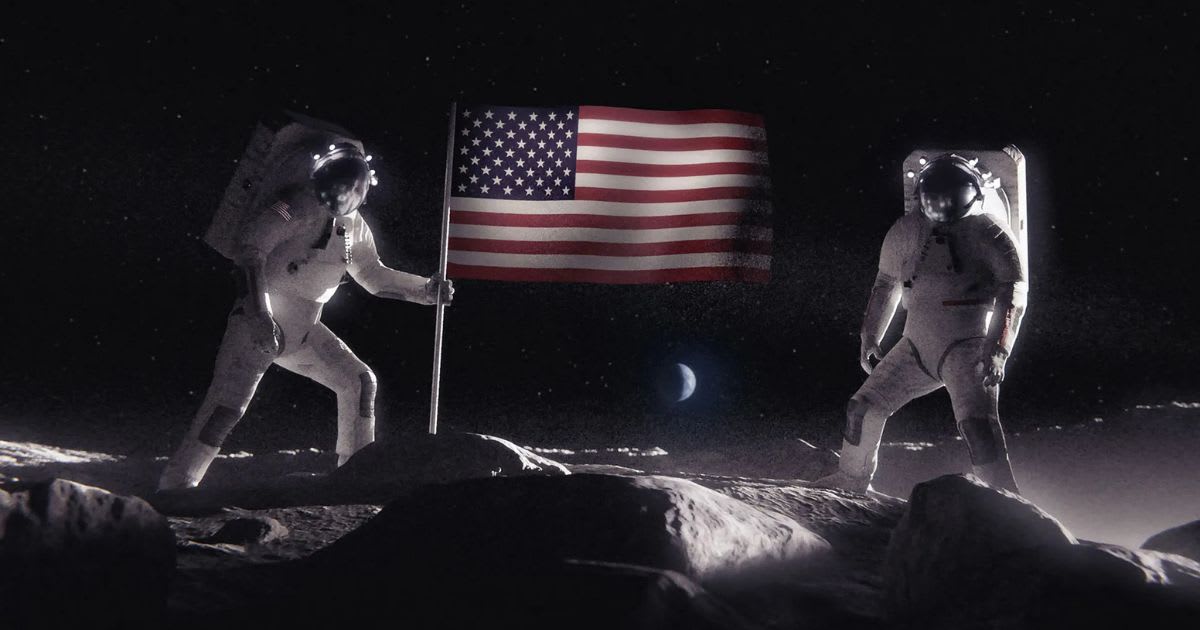
That said, it is important to note that the orbiter's cameras cannot make out the color of those flags. What we can surmise about their current appearance comes from what materials scientists understand about how organic polymers behave under sustained UV exposure and particle radiation in space. Based on five decades of known lunar conditions, we are now likely left with five off-white, severely frayed rectangles of cloth on poles, with no stars and no stripes.
More on Starlust:
Earth may have been sending life to Jupiter's moon Europa all this time
Garnet found in Martian meteorite for the first time could help piece together Red Planet's history