ESA's Euclid took the most detailed photo ever of the Milky Way's core—and made a surprising discovery
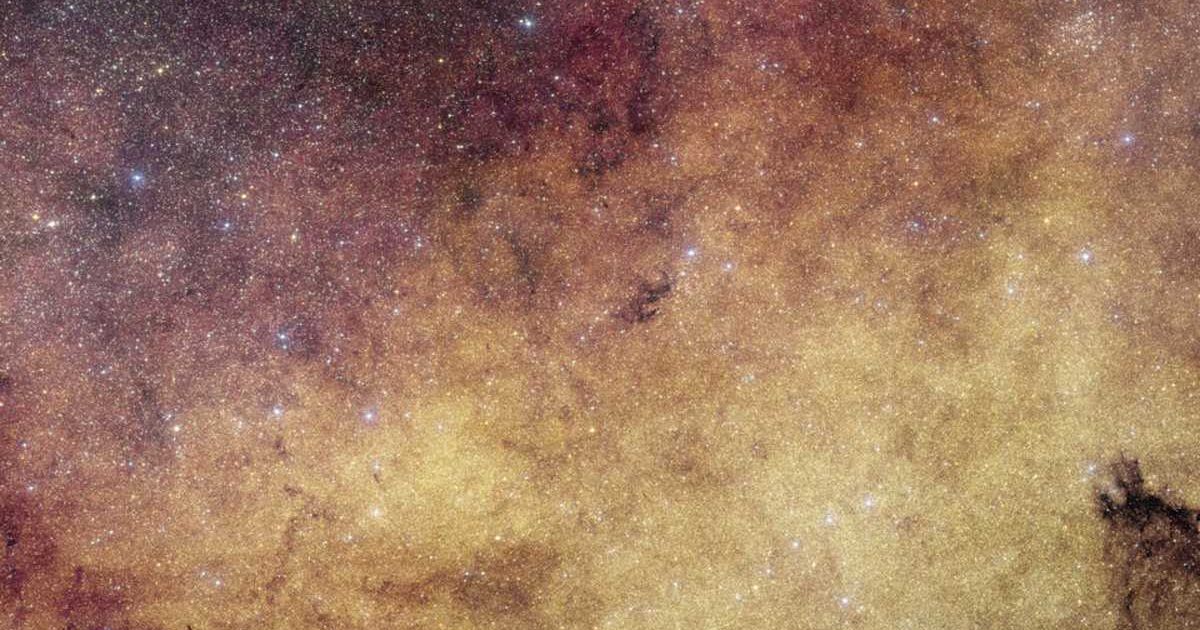
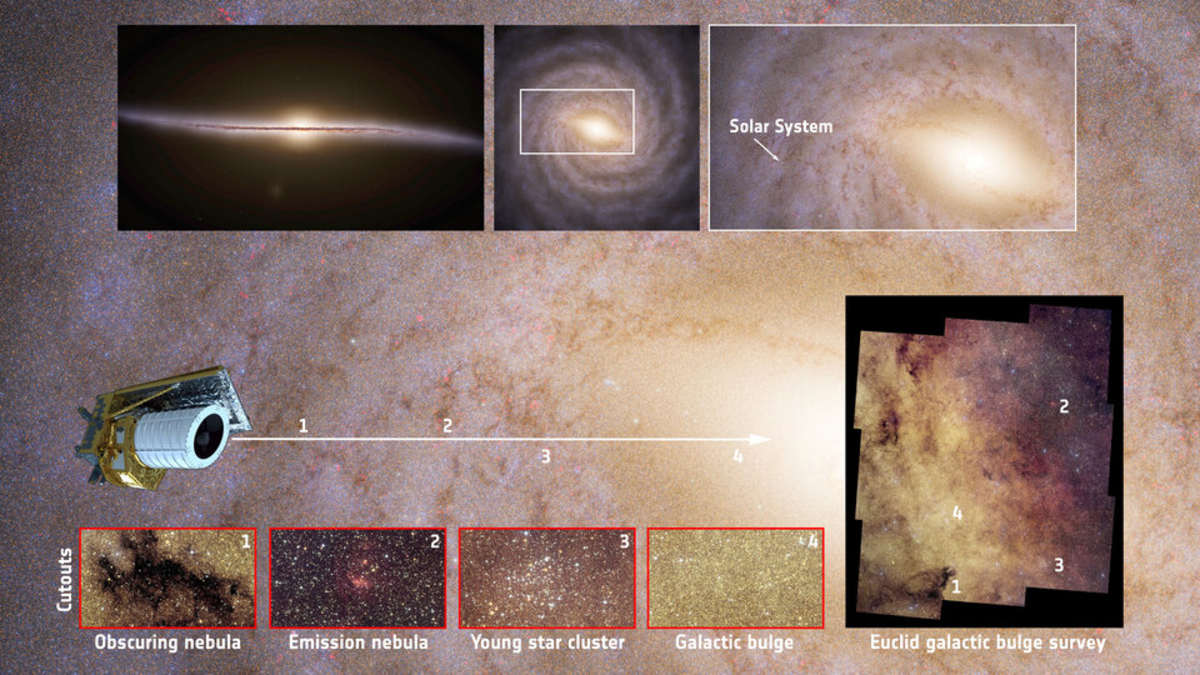
Scientists have been studying the center of our Milky Way galaxy for decades in search of new stars and other discoveries. But because the region is so densely packed with stars, the sheer glare has historically overwhelmed optical instruments. Now, for the very first time, the European Space Agency's Euclid mission has captured the largest and most detailed visible-light image ever taken of the Milky Way's center, which is called the galactic bulge. With this, astronomers will now be able to confirm the existence of newly discovered exoplanets and even measure their masses, along with the masses of already known planets. In about 26 hours, the camera captured more than 60 million stars, with nebulas and star clusters among them.
What makes this image so valuable to scientists?
Euclid has been studying the influences of dark matter and dark energy on the universe. Its camera is sensitive enough to capture the fine details of the Milky Way's galactic bulge. Most instruments can't do that. The reason is that they get overwhelmed by the brightness and dense star fields at the galaxy's center. Euclid's sharpness makes it ideal for a planet-hunting technique called gravitational microlensing. That's also why astronomers requested this survey.
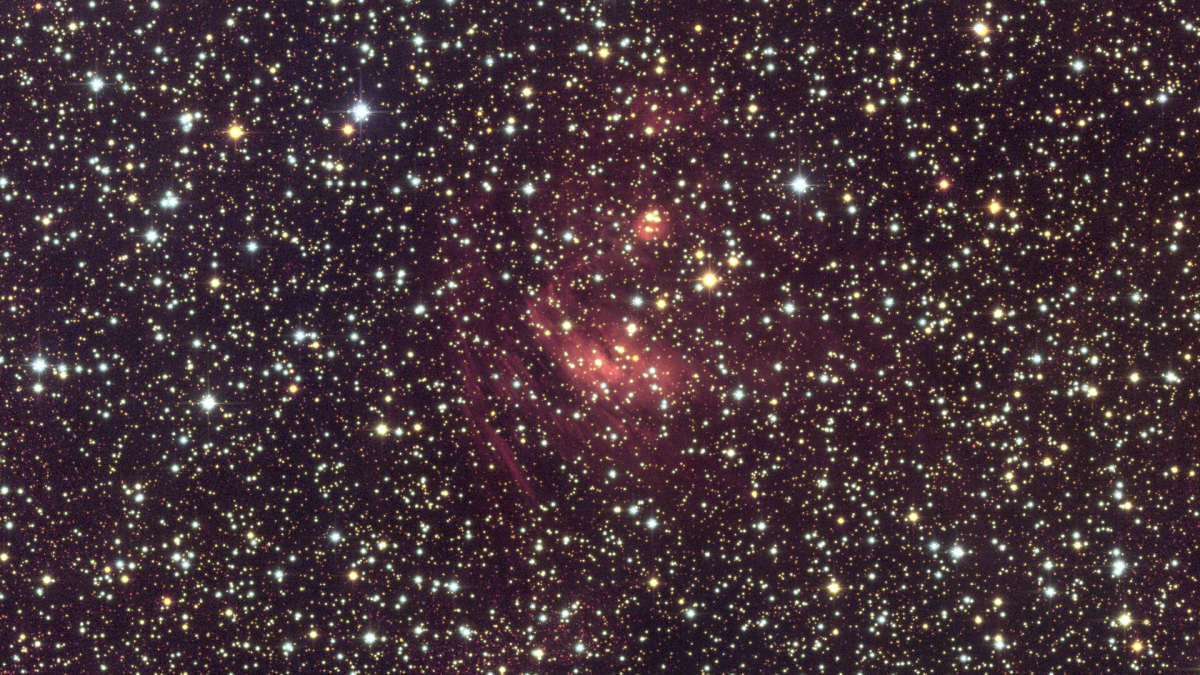
Most astronomical instruments struggle in this region. Ground-based telescopes suffer from atmospheric blurring, which causes the tightly packed stars to bleed together into a single, overwhelming glare. While the Hubble Space Telescope has the resolution to separate them, its field of view is simply too small to map such a vast area efficiently. Euclid's unique ability to clearly resolve tens of millions of individual stars across a wide patch of the sky makes it the ultimate tool for a planet-hunting technique known as gravitational microlensing.
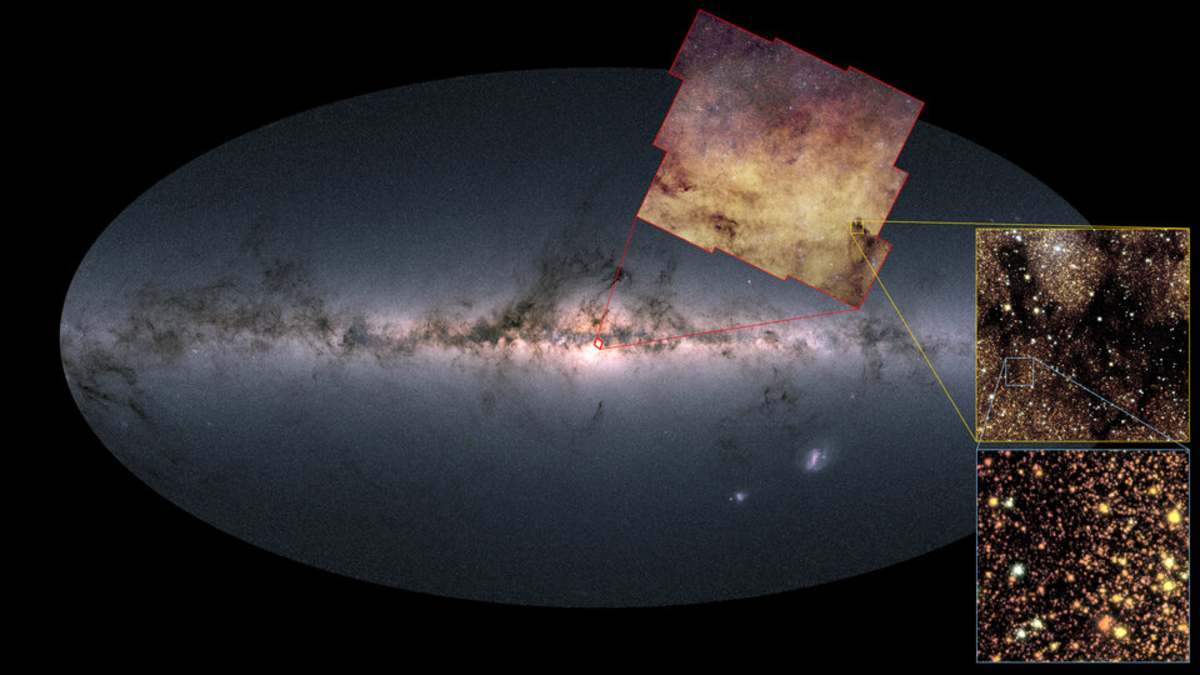
Commenting on the discovery, Jean-Philippe Beaulieu of the Institut d'Astrophysique de Paris, who proposed the survey and co-led the Euclid Consortium's exoplanet working group, said in the official statement, "To catch microlensing, you need to observe parts of the sky that are crowded with stars, such as close to the centre of our galaxy." He added, “During the last twenty years, almost 300 exoplanets have been discovered using this technique, all with ground-based telescopes and all towards the centre of our galaxy. This image from Euclid includes 51 known planetary systems – and it will assist in studying many more that will be found.”
So, have we found new planets in the Milky Way Galaxy?
A complete microlensing event takes more than 20 days to capture, which means that no new planets can be spotted from a single day's observation. What Euclid captured is actually a timestamped picture of exactly which stars are set up to produce future microlensing events, taken before those stars have even lined up. Explaining the process, Natalia Rektsini of the Institut d'Astrophysique de Paris, who led the release of this survey data, said, "In 24 hours, Euclid has already captured the stars involved in all the future microlensing events that the Roman space telescope will detect, but before the stars and planets involved have aligned."
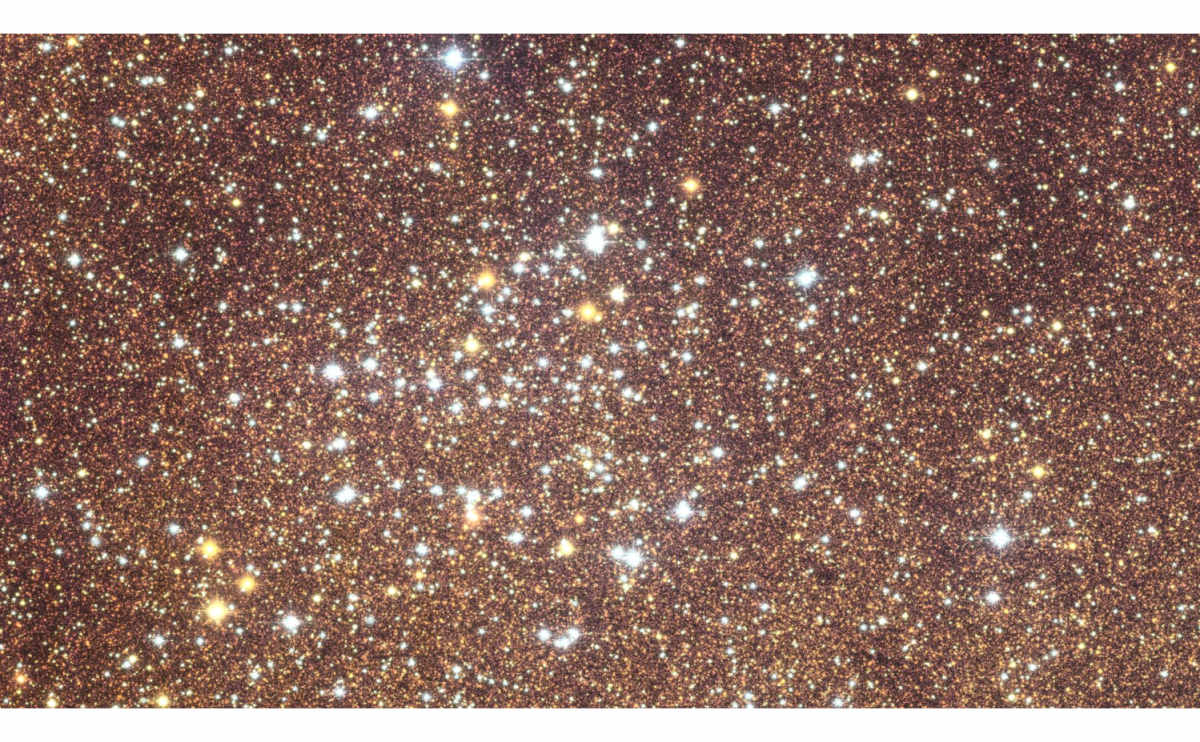
She continued, "This means that anyone who detects a microlensing event in the same region, for example with Roman, will be able from now on to use Euclid data as a time reference in the past and see how the stars looked before they overlapped. Since Euclid can clearly separate individual stars, one can then measure how fast they move over time and use that information to confirm the existence of a planet and determine its mass. This would not be possible with data from one point in time." Most planet-hunting techniques look for large, hot planets circling bright stars, simply because those are the easiest signals to pick up. But that’s not the case with microlensing. "This technique is unbiased, we discover whatever is out there. It is uniquely suited to discover cold exoplanets. And we expect every star in the Milky Way to host at least one such planet." Natalia added.
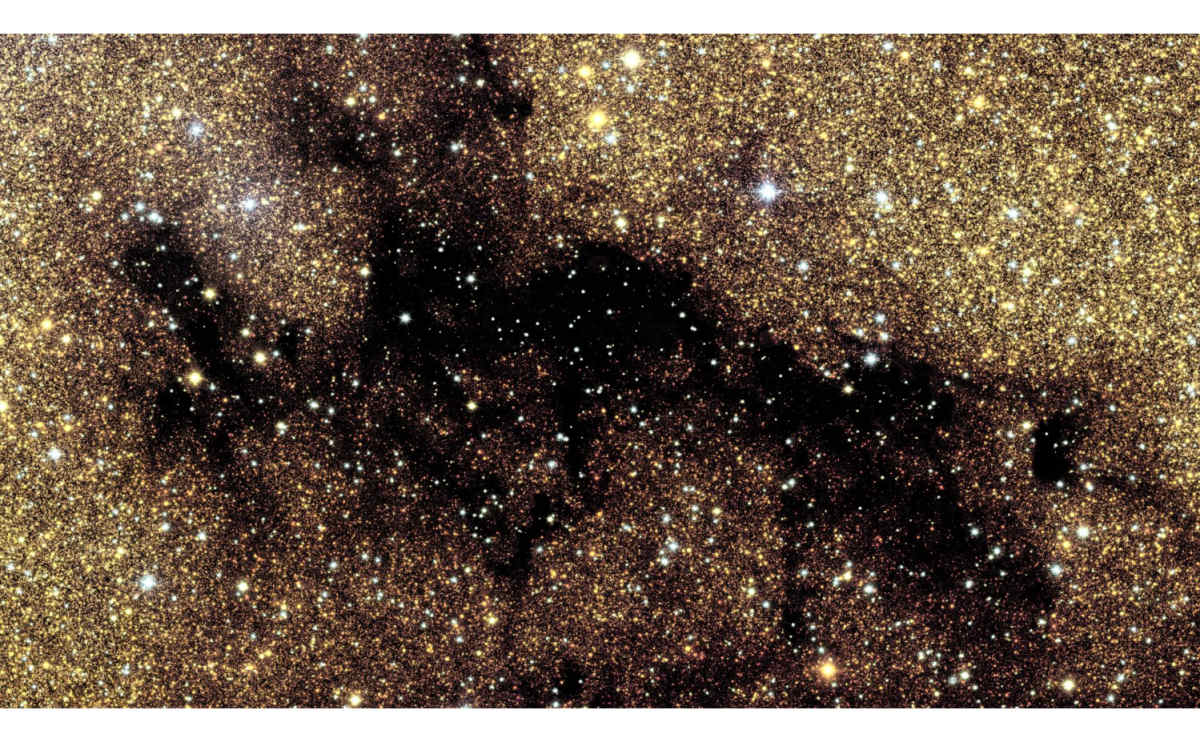
The host stars of two such planets already appear in Euclid's new dataset. Jean-Philippe led the team that discovered one of them, called OGLE-2005-BLG-390Lb, two decades ago. This one is an icy planet, which he compared to "a bit like Hoth from Star Wars." Another one is OGLE-2013-BLG-341Lb, which is a two-star, one-planet system. "By combining earlier observations from Keck and Hubble with new Euclid data, we can finally separate the stars and confirm the planet’s mass," Natalia added. The survey data released includes observations from Euclid’s visible camera (VIS), and colours were added based on data from the Canada-France-Hawai’i Telescope (CFHT).
More on Starlust:
NASA's James Webb cuts through dust to reveal 16.5 million never-before-seen stars in Cigar Galaxy
NASA's Habitable Worlds Observatory may find signs of alien life with this proposed upgrade