Did NASA's Perseverance find signs of life on Mars? Study points to complex carbon in Martian rocks
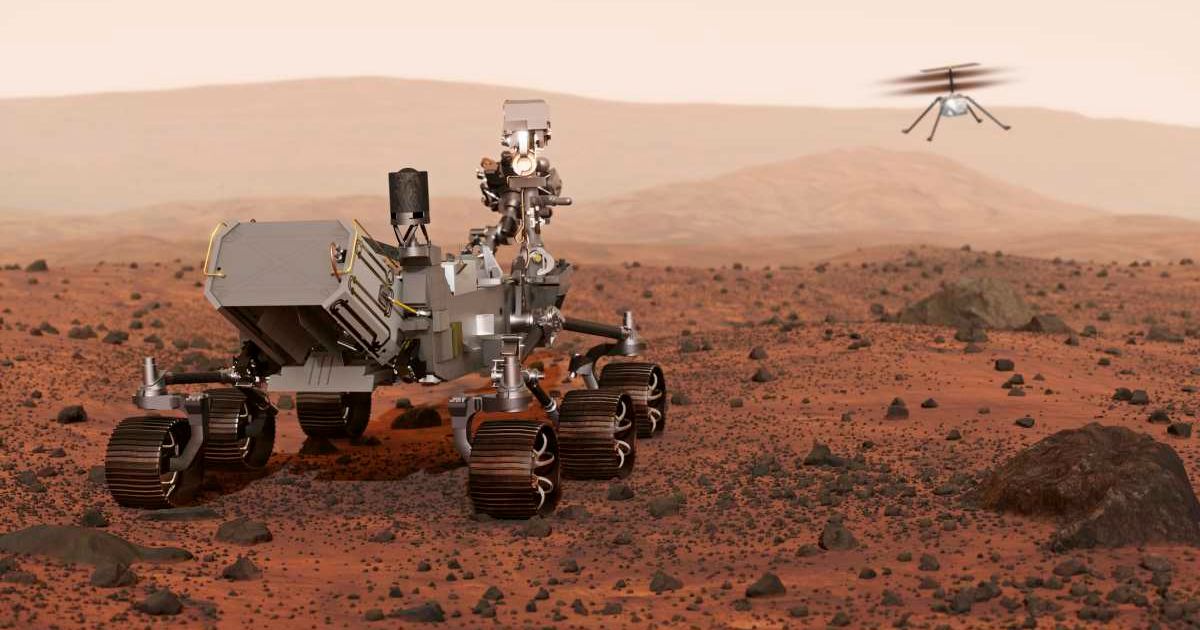
In 2024, NASA's Perseverance rover found what scientists described as the strongest evidence yet that life may have once existed on Mars. The findings included a sedimentary rock (nicknamed "Cheyava Falls”) which was covered in unusual leopard-spot markings that, scientists believe, could be left behind by living organisms. Now, a new paper published in Science Advances on June 24, 2026, makes this case even stronger by revealing complex carbon in two mudstones from the exact same location, bearing chemical signatures that look similar to what ancient microbes leave behind in rocks on Earth.
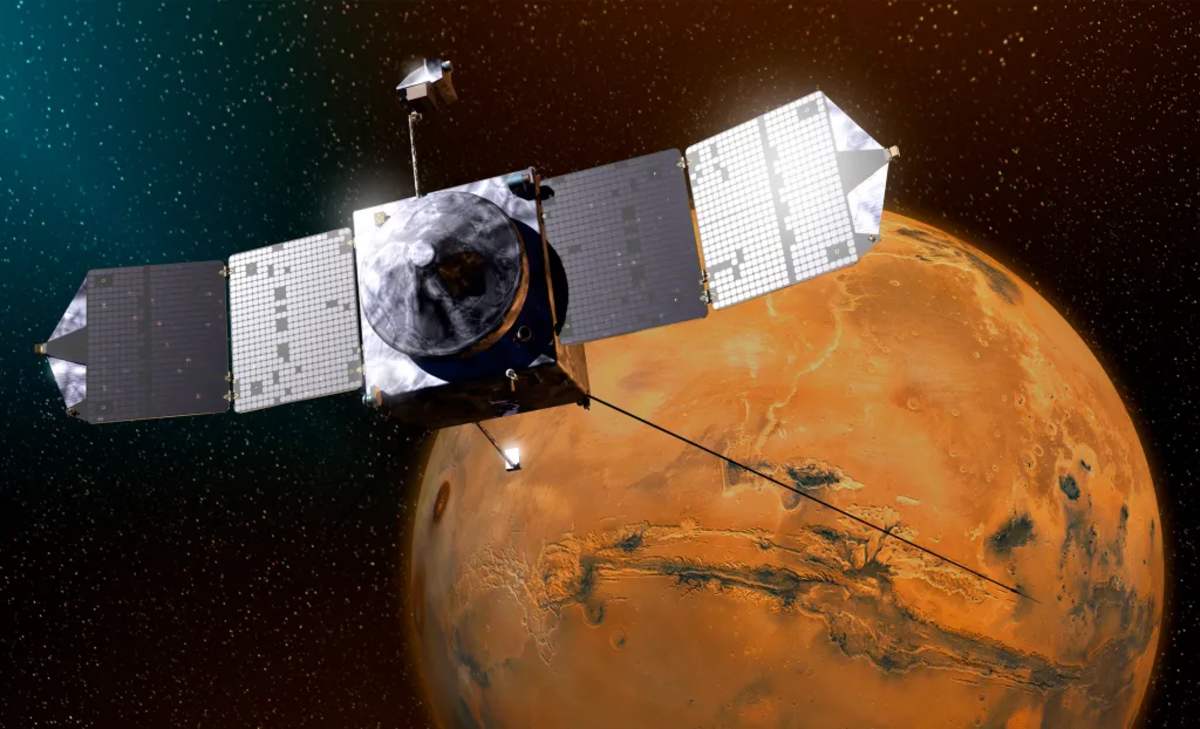
Perseverance found large, complex carbon molecules inside two mudstone rocks at a location called Bright Angel. This is located on the northern and southern edges of an ancient river valley known as Neretva Vallis in the Jezero area. The rover made hundreds of individual carbon detections across these two rocks, and as per the paper, “this is the most robust organic detection in Jezero crater.” Perhaps more importantly, this also marks the first time that macromolecular carbon has been detected on a natural rock surface on Mars. Commenting on the findings, study co-lead author Ashley Murphy, a researcher at the Planetary Science Institute, said, "Carbon is the primary building block for life on Earth, and all living things are made up of complex organic macromolecules.” She added, "On Earth, [macromolecular carbon] is often found in extremely old rocks and in some cases it is the only organic evidence of past microbial life."
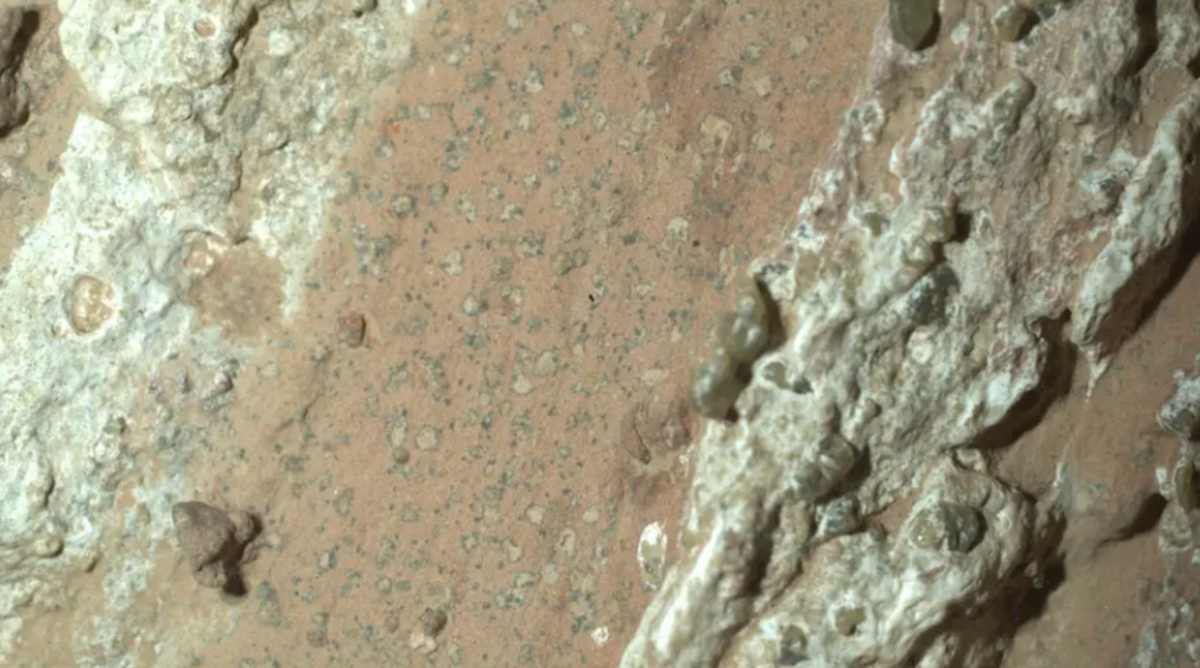
The two mudstones which were analyzed were not identical. In one, the carbon was mixed primarily with silicate materials, while in the other, it was paired with secondary carbonate and sulfate minerals. The carbon in both rocks appeared largely undamaged. That suggests it may be resistant to radiation and oxidation. Or it could mean it was only recently exposed at the surface. Reflecting on the discovery of these samples when initial findings were detailed in 2025, then-acting NASA Administrator Sean Duffy had stated: “This finding by Perseverance, launched under President Trump in his first term, is the closest we have ever come to discovering life on Mars. The identification of a potential biosignature on the Red Planet is a groundbreaking discovery, and one that will advance our understanding of Mars.”
So, could this carbon be proof of ancient life on Mars?
Finding carbon on Mars does not automatically guarantee that life existed there. There could be other reasons for its presence. As co-lead author Kyle Uckert, the deputy principal investigator for SHERLOC (Scanning Habitable Environments with Raman & Luminescence for Organics & Chemicals) instrument at NASA's Jet Propulsion Laboratory, told Space.com, “For example, it may have been delivered to the surface via meteoritic infall, or formed through hydrothermal geologic processes." He added, "The science payload of the Perseverance rover was not designed to distinguish between abiotic and biotic processes, but was instead selected to identify compelling rocks to be collected for possible return to Earth for more rigorous testing."

Yet, the combined evidence remains rather persuasive. While the physical "leopard spots" resembling microbial footprints were specifically identified on the Cheyava Falls rock, finding well-preserved macromolecular carbon across multiple mudstones confirms that the raw chemical ingredients for life were indeed present on the Red Planet. "Since early Mars may have been more similar to Earth, we may anticipate finding [macromolecular carbon] in old Martian rocks too, so we are searching for these organic macromolecules on Mars and other planetary bodies to determine whether the necessary chemical ingredients and environmental conditions to support life have ever existed there,” Ashley Murphy explained. Perseverance has been collecting Mars rock samples, and if a future mission successfully returns them to Earth, scientists will have more data to study. For now, the question of whether life once existed on Mars remains very much open.
More on Starlust:
NASA tests new rover technology that would put Perseverance and Curiosity to shame
All about Soyuz 11: The first crewed space station mission and the fatal disaster that followed