5 baffling space mysteries scientists have been trying to solve for decades
Modern astronomy has come a long way. Scientists can now study galaxies formed just hundreds of millions of years after the Big Bang, and telescopes continue to push that boundary further. But several fundamental questions remain unanswered. And some have even stumped researchers for decades. Here's a look at what scientists are still working to figure out.
What is the universe made of?
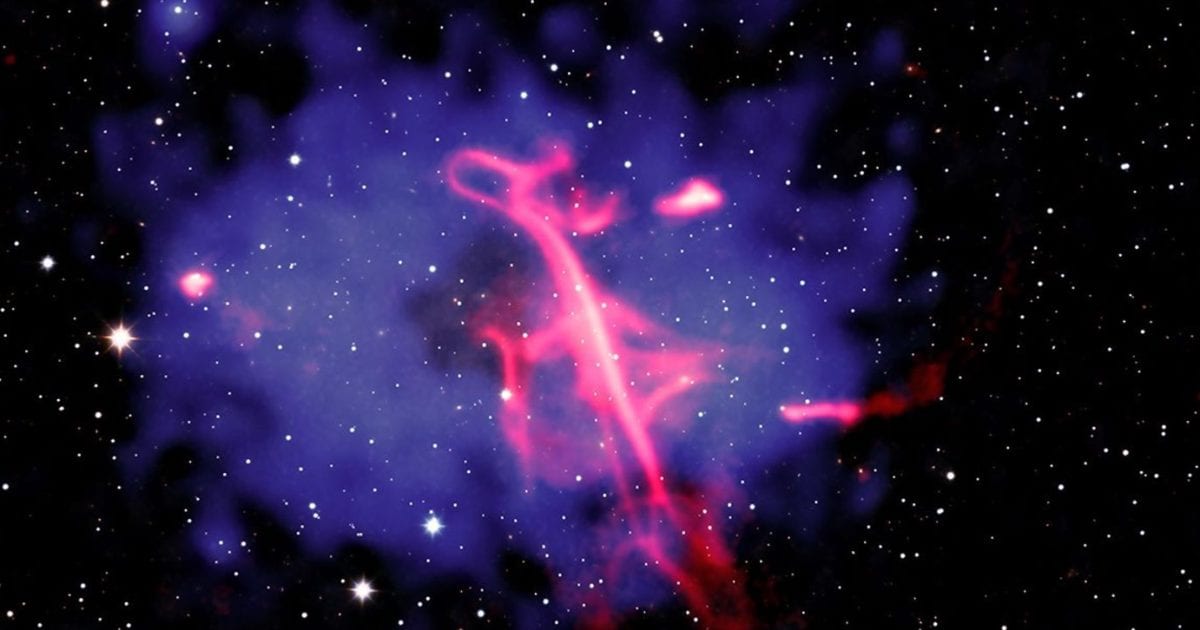
While we might think the universe is made of entirely of matter, it couldn't be farther from the truth. Matter as we know it—atoms and molecules and the structures they constitute—makes up what is the tip of an unimaginably enormous cosmic iceberg, with a mysterious form of matter accounting for 85% of the mass of the cosmos. Aptly dubbed dark matter, this exotic form of matter is not visible to us, and we still do not know what its characteristics or constituent particles are.
Why does the universe keep expanding faster, and what's pushing it?
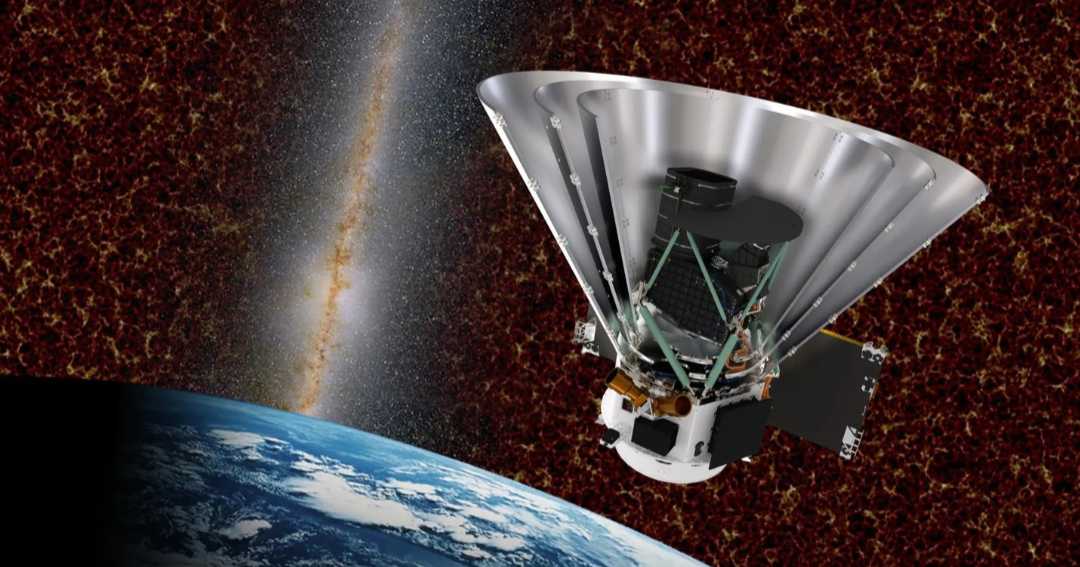
Up until the late 1990s, the prevailing assumption was that gravity was steadily slowing the expansion of the universe. Distant supernova data, however, showed that the expansion was not decelerating. In fact, it was accelerating. This discovery gave scientists the evidence for what’s now called “dark energy,” a mysterious, invisible force that is believed to be behind this accelerating expansion. According to our current cosmological models, of the mass-energy quotient of the universe, dark energy makes up 68% of the cosmos, while dark matter accounts for another 27%. The remaining 5% of the universe is made up of the ordinary matter that we're familiar with.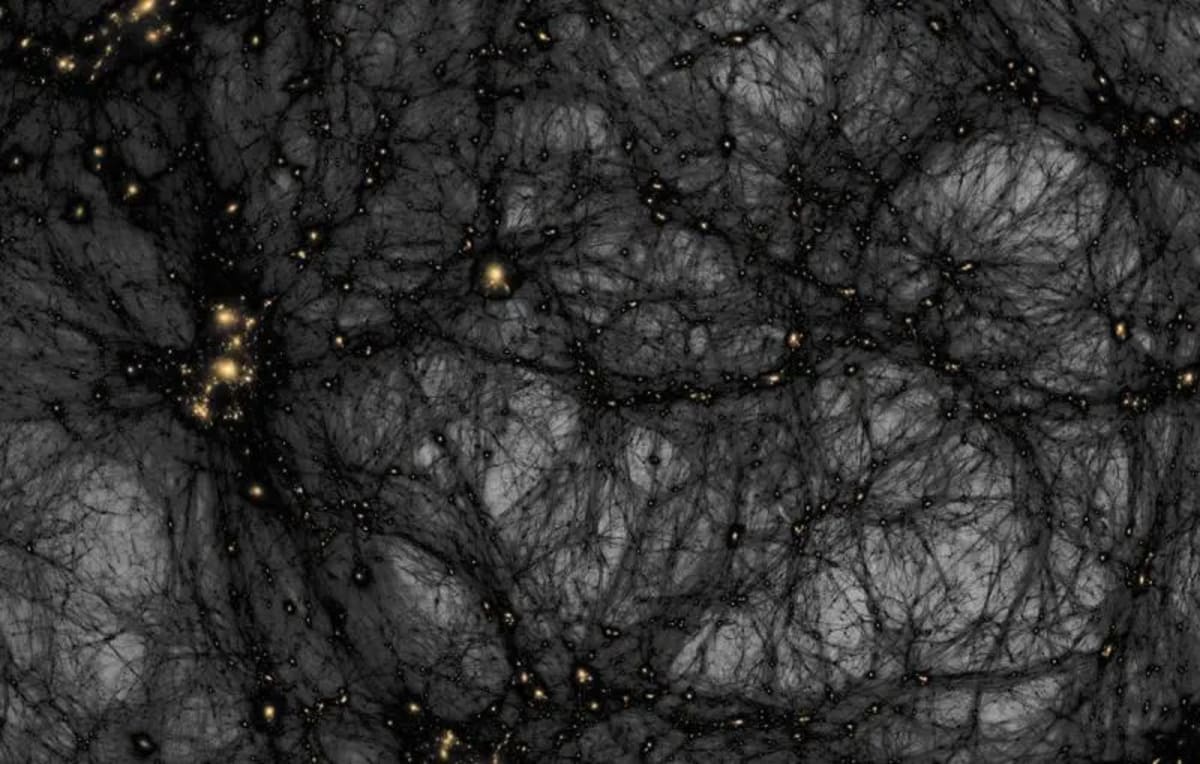
In 2025, a study claimed the acceleration of the universe might actually be slowing down. The suspected reason for this, according to researchers, was that the influence of dark energy was weakening over time. But a 2026 study proved this wrong, confirming that dark energy remains constant and that the universe is still expanding at an accelerating rate. Lead researcher Dr. Phil Wiseman put it plainly, "Thankfully, we have averted this crisis, but the mystery about why the universe is still accelerating in size remains. By proving our measurements are correct, we can get back to trying to understand what dark energy actually is, rather than wondering if it exists at all."
Why is the Sun's atmosphere hundreds of times hotter than its surface?
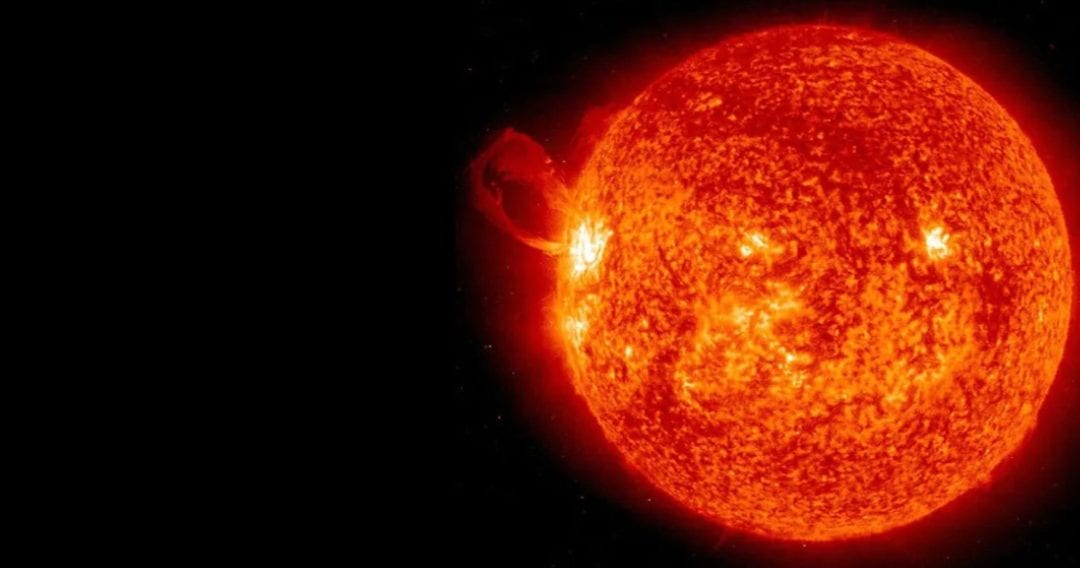
The Sun is unimaginably hot to begin with. Its visible surface reaches more than 10,000 degrees Fahrenheit, a temperature that's already difficult to wrap our heads around. At the outer atmosphere, temperatures climb to more than 1.8 million degrees Fahrenheit. Normally, heat should fade as you move away from its source. In the Sun's case, though, the opposite is true. Scientists have spent decades trying to solve what's known as the solar coronal heating problem.
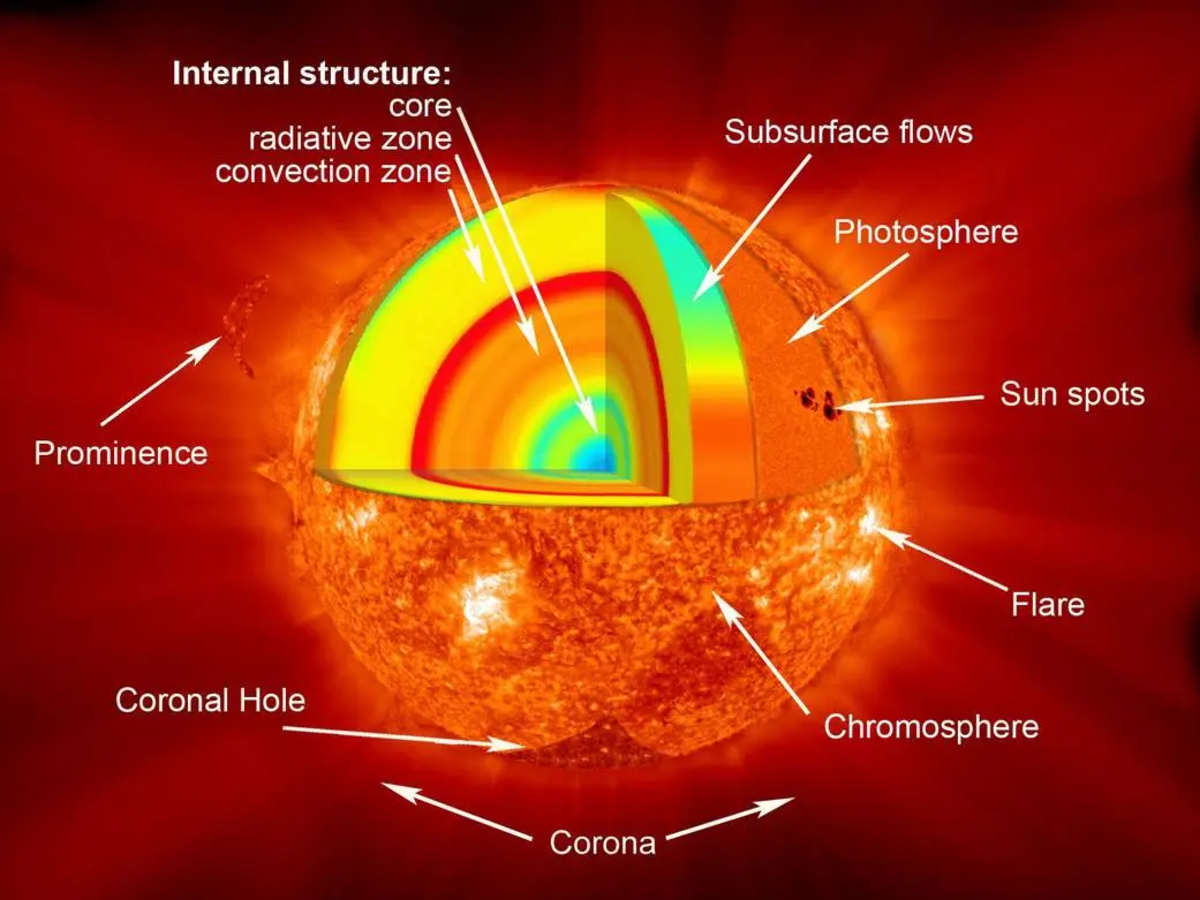
Amy Winebarger, a heliophysicist at Marshall Space Flight Center and principal investigator for NASA's MaGIXS mission, has described it as one of the biggest unanswered questions in astrophysics. In the official statement, Winebarger explains, "Our knowledge of the corona's heating mechanisms is limited, partly because we've not yet been able to make detailed observations and measurements of the temperature distribution of the solar plasma in the region."
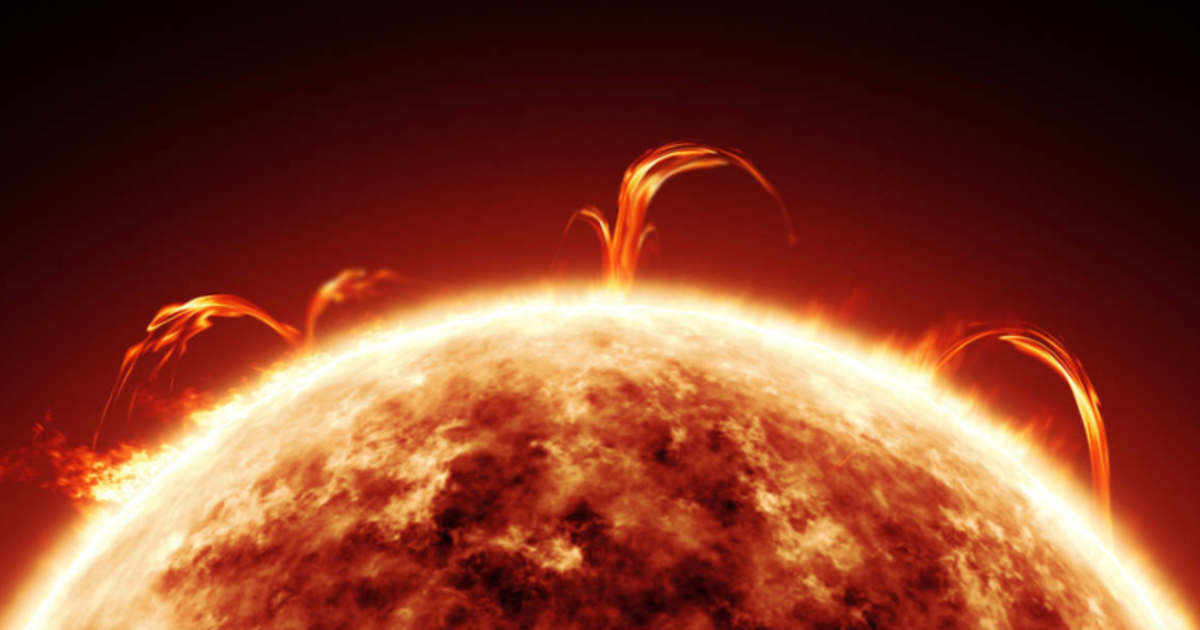
One possibility involves nanoflares. These are tiny but frequent bursts of energy that may occur when magnetic field lines near the Sun's surface become twisted, snap, and reconnect. Another leading idea is wave heating. In this scenario, activity inside the Sun generates waves that travel outward through its magnetic fields. As those waves move into the corona, they may release their energy as heat. For now, neither theory has been definitively proven. The mystery, despite years of study, is still unsolved.
How did supermassive black holes grow so big, so fast?
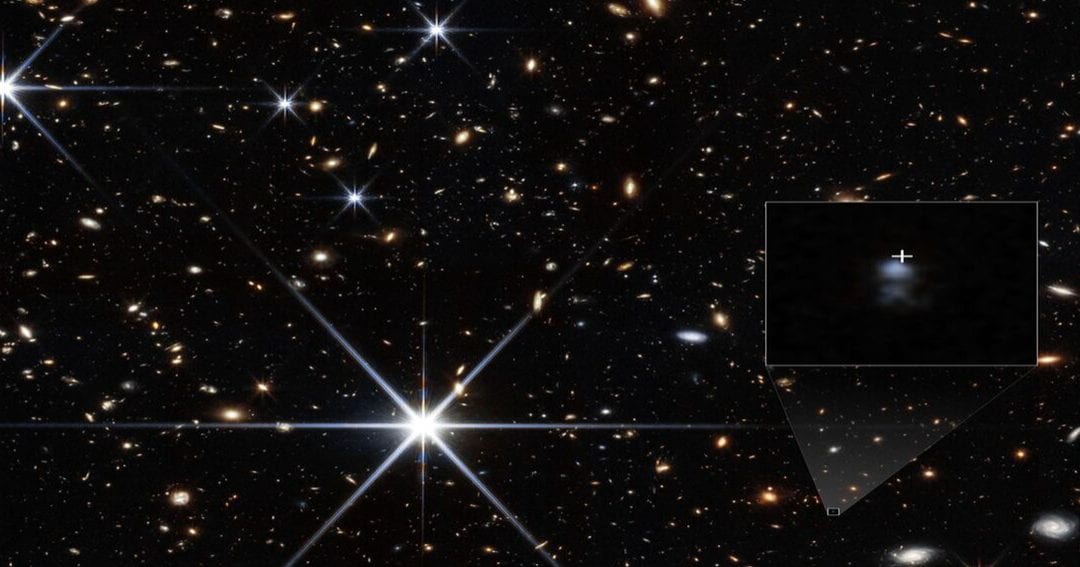
Astronomers have generally assumed that black holes and their host galaxies grow together. The reasoning for this is that bigger galaxies should include bigger black holes. That theory matched observations well enough for decades. But a discovery by the James Webb Space Telescope last year provided scientists with a new insight. The researchers found a rapidly growing supermassive black hole in a galaxy that formed just 570 million years after the Big Bang. The black hole's mass was unexpectedly large for a galaxy of that age. On top of that, it was also growing significantly faster than current models suggest it should.

Lead author Roberta Tripodi explained in the official release, "This discovery is truly remarkable. We've observed a galaxy from less than 600 million years after the Big Bang, and not only is it hosting a supermassive black hole, but the black hole is growing rapidly — far faster than we would expect in such a galaxy at this early time. This challenges our understanding of black hole and galaxy formation in the early Universe and opens up new avenues of research into how these objects came to be."
What causes fast radio bursts, and where do they come from?
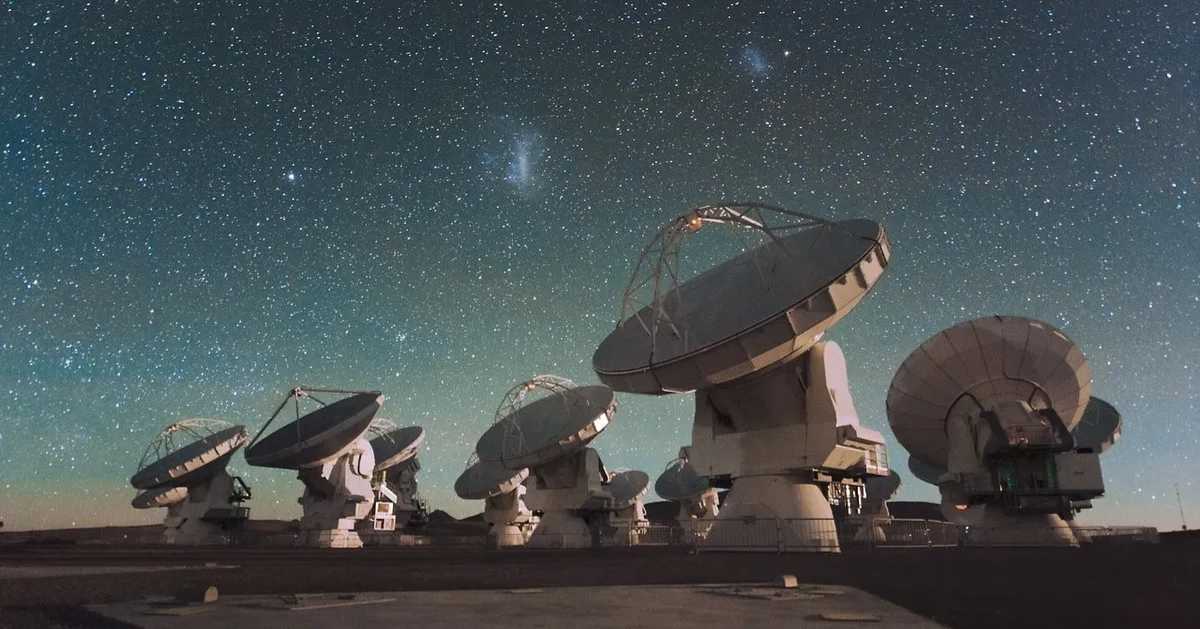
Fast radio bursts, or FRBs, were first detected in 2007. At the time, they appeared as brief, isolated flashes of radio energy that lasted only a few milliseconds. Nearly two decades after they first appeared, we still don’t know much about them. There are some leads, however. Astronomers have narrowed down the likely source of at least one fast radio burst, and magnetars are currently considered the most plausible explanation.

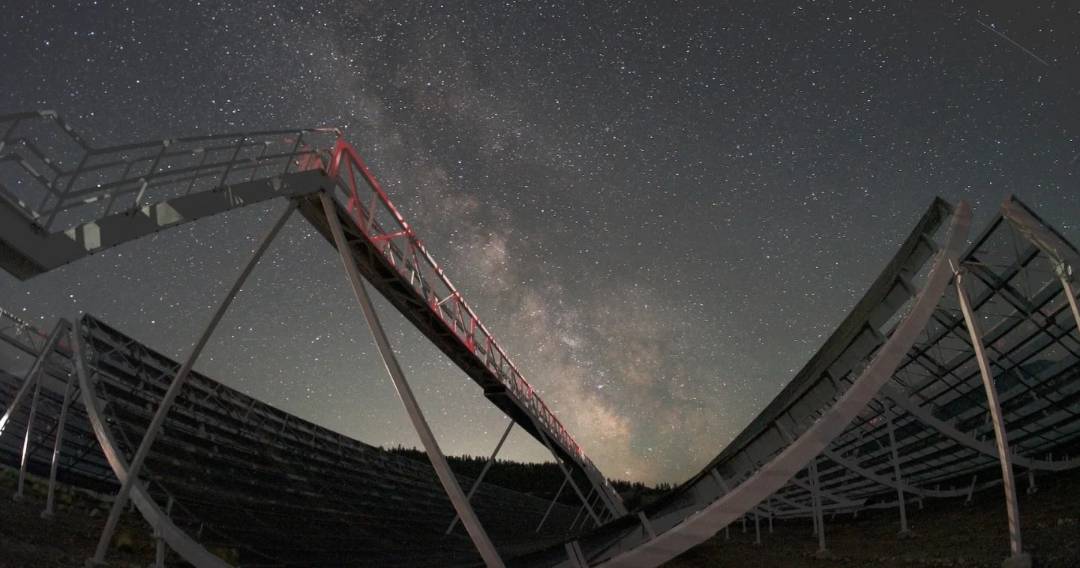
FRB 20250316A, recorded by CHIME in 2025, was the brightest fast radio burst ever observed. Describing the findings, lead author and postdoctoral researcher Amanda Cook at McGill University said in a statement, "This result marks a turning point: instead of just detecting these mysterious flashes, we can now see exactly where they're coming from. It opens the door to discovering whether they're caused by dying stars, exotic magnetic objects, or something we haven't thought of yet." Team member Peter Blanchard added, "Whether or not the association with the star is real, we've learned a lot about the burst's origin. If a double star system isn't the answer, our work hints that an isolated magnetar caused the FRB." For now, the mystery remains very much open.
More on Starlust:
What happens to dark matter around black holes? New study supports long-held theory
Never-seen-before map shows how solar particles interact with Earth's magnetic bubble