NASA's James Webb dates back comet 3I/ATLAS to 'cosmic noon,' raises questions about our solar system

Scientists studied interstellar comet 3I/ATLAS with NASA's James Webb Space Telescope (JWST) last December, and the data they obtained took them by surprise, raising questions about our own solar system. The findings have been reported in a paper published in the journal Nature.
You might have heard of interstellar comet 3I/ATLAS.
— NASA Webb Telescope (@NASAWebb) June 22, 2026
We don't get the opportunity to study objects like this often. Webb took a look at the comet's composition. It's showing us how unusual our own solar system might be.
Here's what we've learned 👇 pic.twitter.com/6Jtm3e3Fa4
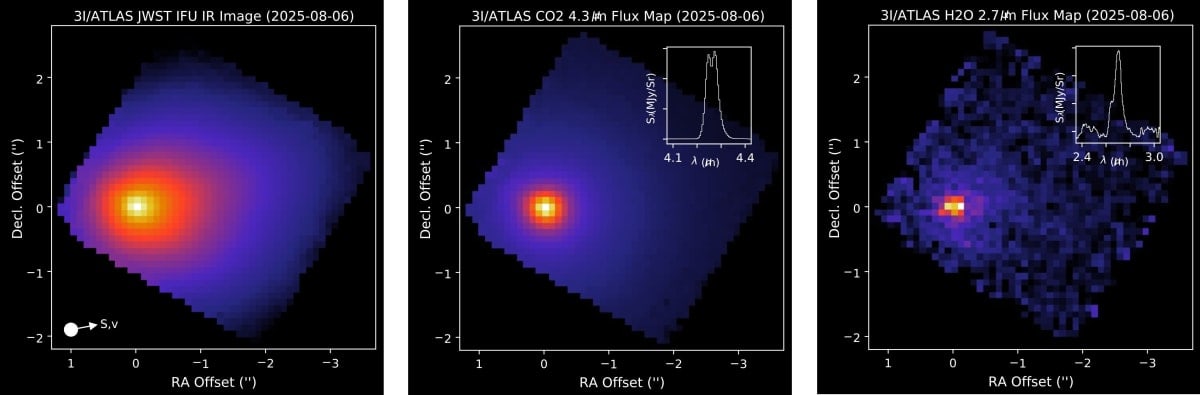
The scientists used the JWST’s instrument called NIRSpec (Near-Infrared Spectrograph) on the comet to analyze its chemical makeup. The team targeted 3I/ATLAS shortly after it had made its closest pass by the Sun, which is when the comet's ice began vaporizing and pushing its interior material outward into a cloud of gas called the coma. That released material had been frozen inside for potentially billions of years, so studying it was a rare opportunity. The JWST data had two things in particular that surprised researchers.
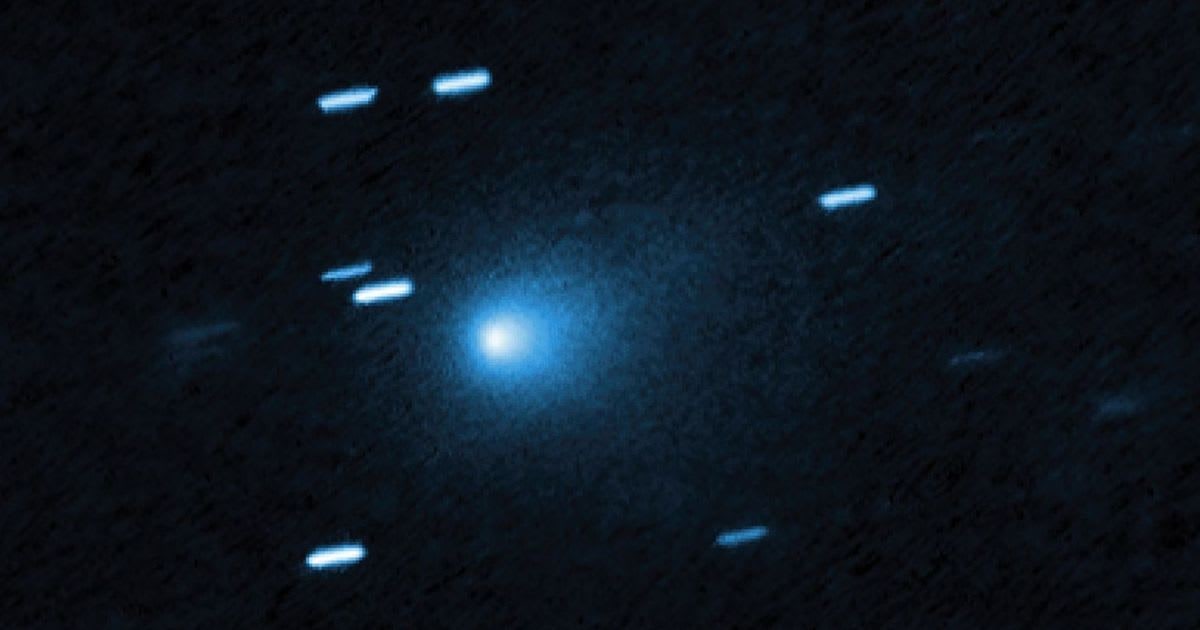
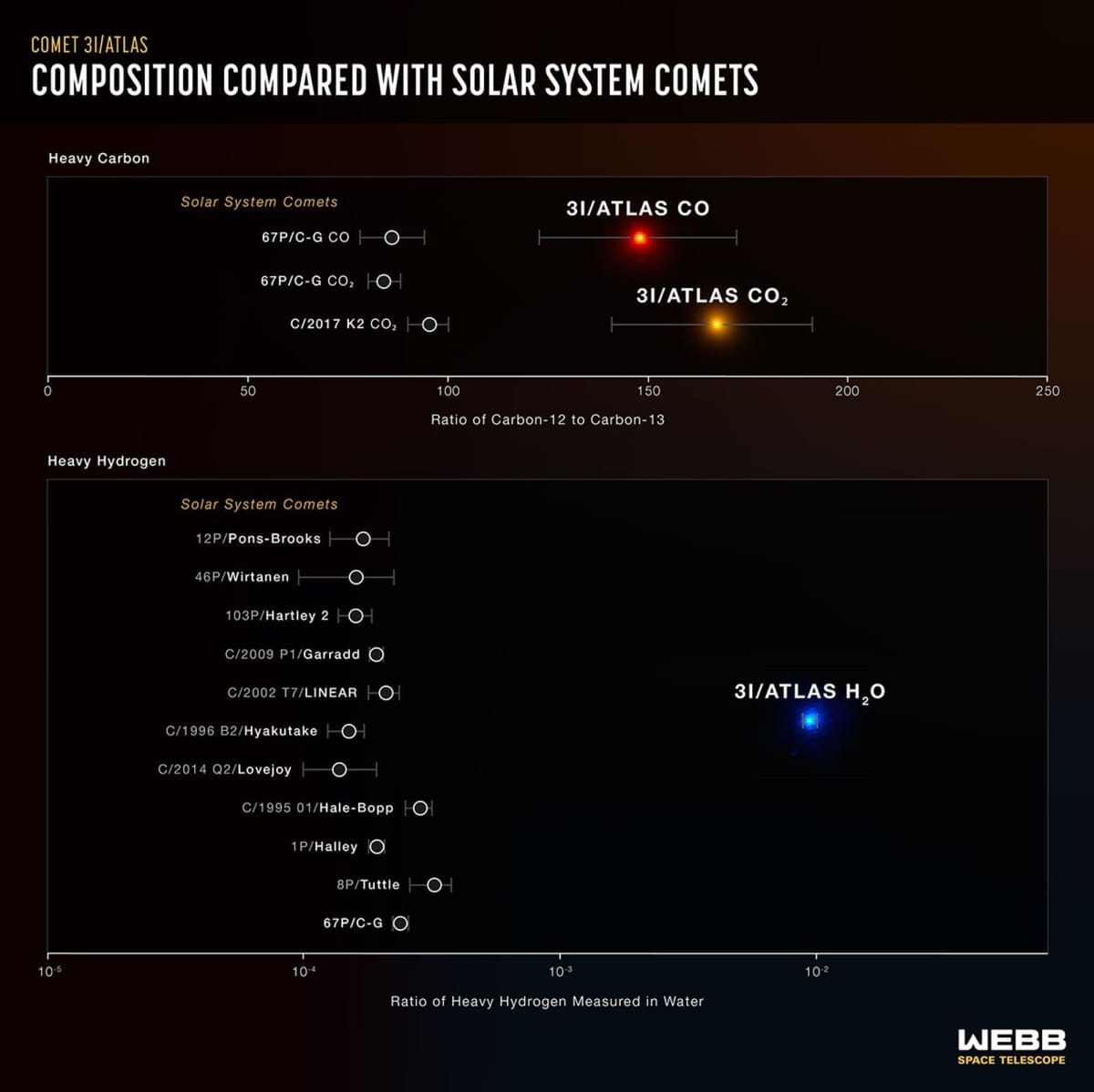
First, Webb picked up exceptionally high levels of deuterium in the comet's water, around 30 times more than what scientists typically see in comets from our own solar system. Deuterium is a heavier form of hydrogen, and having that much of it suggests the comet came from a very cold system, much earlier in the history of our galaxy. The material was exposed to radiation, but never the kind of sustained warmth that would have reprocessed the "heavy water" ice, with deuterium, into the kind of water we have on Earth.
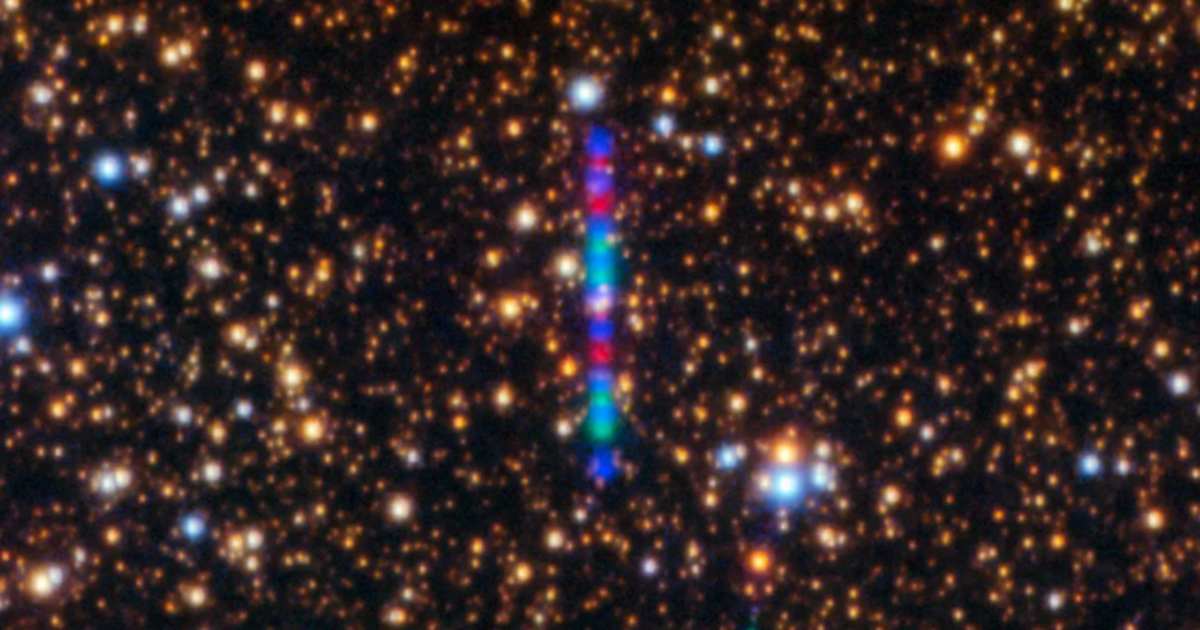
Secondly, the research team found unusually low levels of carbon-13. As stars form and die over billions of years, they steadily enrich the galaxy around them with carbon-13. Our Sun, which formed about 4.5 billion years ago, came together in an environment already rich with it. The fact that 3I/ATLAS contains so little carbon-13 points to its origin in a system that formed much earlier, before that galactic enrichment had built up.
What could Comet 3I/ATLAS tell us about life in the universe?
Those two chemical clues point to a formation age of somewhere between 10 and 12 billion years. This period is known as "cosmic noon," when galaxies were producing new stars at the highest rate. If the estimate holds, this comet is more than twice as old as our solar system. It has spent almost all of its formative years frozen solid and adrift in interstellar space, which is the condition that preserved its ancient chemistry so well. Astro-chemist Martin Cordiner of NASA’s Goddard Space Flight Center in Greenbelt, Maryland, and lead author of the study, said, “This was a unique opportunity to study an ancient object from the distant galaxy, probably pre-dating our Sun and solar system.”
“On the one hand, we get direct insight into that distant time and place, and on the other, we learn something about how unusual our own solar system may be,” he added. Stefanie Milam, a co-author on the research from NASA's Goddard Space Flight Center, said, "For us as scientists, finding these rare isotopes is fascinating, but the bigger picture here is looking at the possibilities of prebiotic chemistry elsewhere in the galaxy. So far, we know of only one place in the vast cosmos where chemical ingredients led to life—our solar system, our Earth. Analysis of these interstellar objects is a major step towards learning how common, or uncommon, the conditions for the evolution of life are in the universe."
More on Starlust
JWST spots the edge of cosmic dawn and the universe's first stars may lie just beyond
Four generations of stars discovered in region near the center of the Milky Way