NASA astronaut Anil Menon will spend eight months aboard the ISS—here's what he'll be doing in orbit
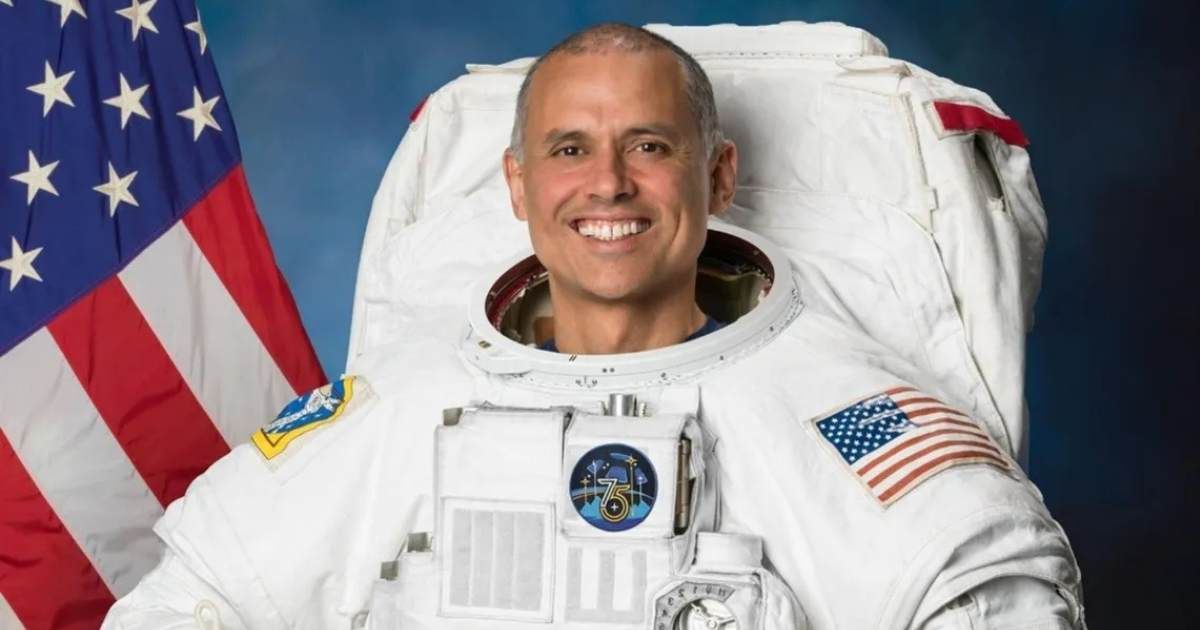
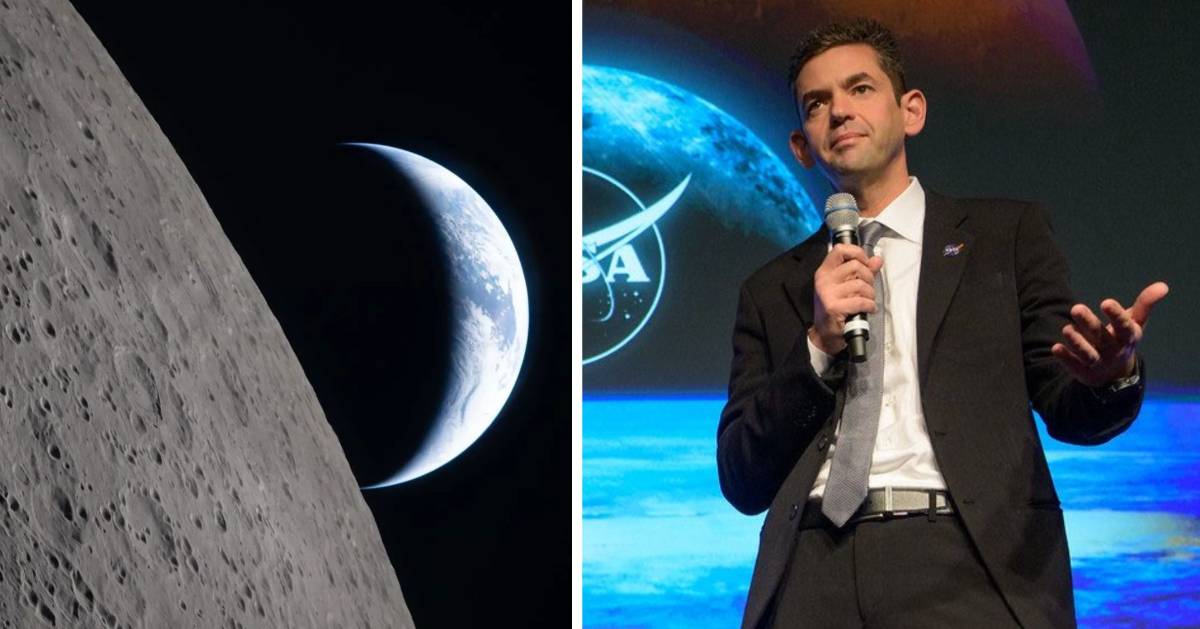
NASA astronaut Anil Menon is set to launch to the International Space Station (ISS) on July 14 aboard the Roscosmos Soyuz MS-29 spacecraft. His first spaceflight, as part of Expeditions 74/75, will see cosmonauts Pyotr Dubrov and Anna Kikina as his crewmates. The trio will spend about eight months on the orbital laboratory before returning to Earth in spring 2027. While aboard, Flight Engineer Menon will take part in research that could shape how astronauts stay healthy on missions to the Moon and, eventually, Mars. The mission will include work on medical research tied to the challenges of long-duration spaceflight.
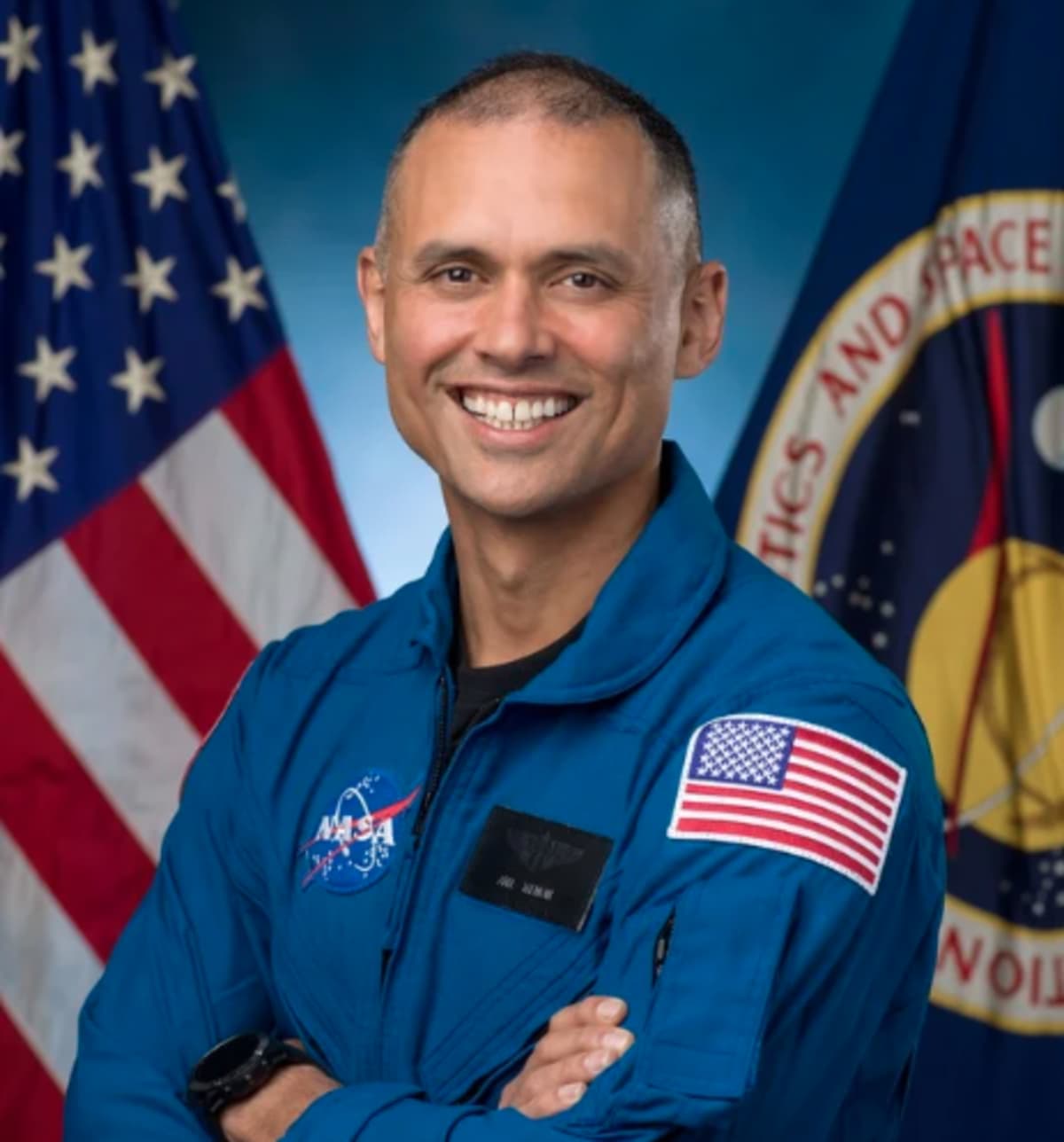
What will Menon work on aboard the ISS?
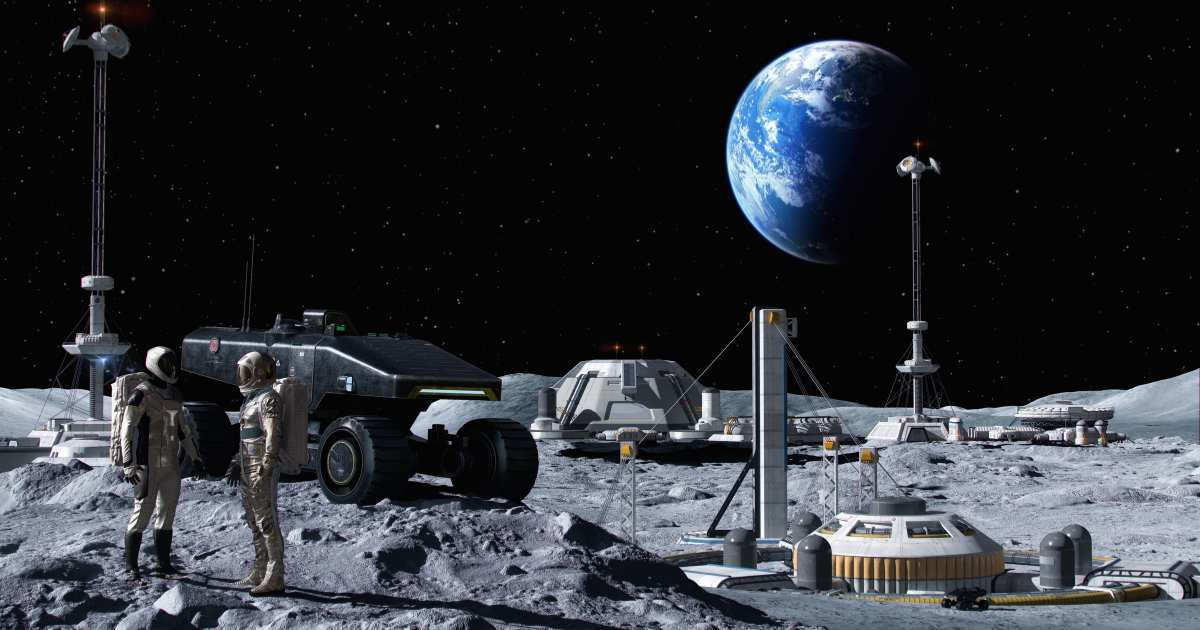
As per NASA’s official release, Menon will take part in studies looking at how astronauts' veins, blood flow, and blood composition change in microgravity, work that has a direct impact on how well the human body holds up over months spent off-planet. He'll also help test whether the station's own water supply can be used to produce intravenous fluids. Taken together, his research is meant to build the medical groundwork NASA will eventually rely on for crewed missions to the Moon and Mars.
Explaining how he gets ready for a mission like this one, Menon shared during a live NASA interview, "I am huge into the process of preparation to get to a spot.” Part of that is hands-on rehearsal, the kind astronauts get at the NBL, one of the largest indoor pools in the world, where crews practice spacewalks long before they ever leave Earth. He also meditates daily, often leaning on visualization techniques borrowed from elite athletes, and said it "helps set up a positive mindset that I'm working towards success." He also spends time studying the science behind the mission in close detail, on the idea that the more he understands, the more prepared he'll be if something unexpected comes up.
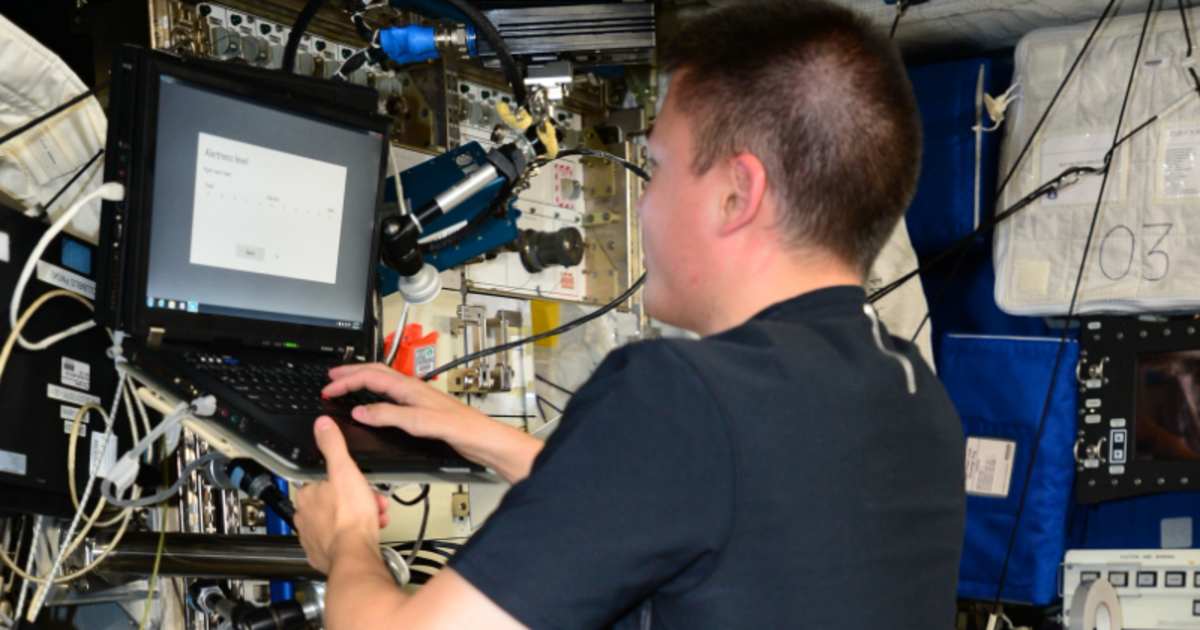
Menon also pointed out the importance of preparing as a team. Before launch, he and his crewmates sit down to talk through shared goals and potential pitfalls, with NASA bringing in psychologists and psychiatrists to help guide those conversations. He drew a comparison to how hospitals function, by adding, "The more you reach outside of, say, the ER to other departments, the better you're able to just call in a consult, get a curbside, get things to work, find efficiencies and just be better at your job." That same principle, he said, carries over into how astronauts collaborate with the engineers supporting them from Earth.
The medical side of the mission
Menon's background as an emergency medicine physician shapes much of what he'll be doing in orbit. He pointed out that the ISS functions as a research platform that has already reshaped how doctors treat astronauts. Scientists have identified new risks over the past decade, including a higher likelihood of blood clots and certain eye problems that weren't understood twenty years ago. On the upside, better tools have followed alongside that knowledge, such as compact, high-powered ultrasound devices now used on the station. He also pointed to research happening aboard the ISS that could reach beyond astronaut healthcare entirely. This includes early work on printing cellular structures in microgravity, since cells can hold their shape without collapsing the way they would under Earth's gravity.
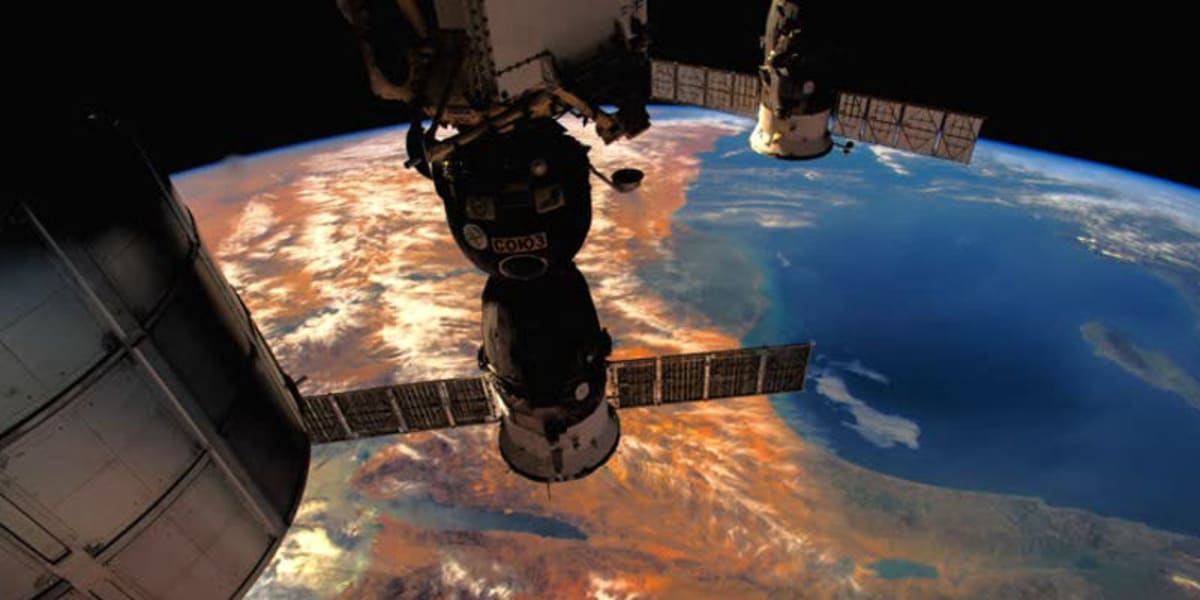
Looking ahead, the mission to Mars would bring its own physical challenges. Astronauts could face a steady loss of bone density in microgravity, which adds up to roughly 3% per month. But Menon is optimistic that many of the countermeasures already tested aboard the ISS, particularly certain types of resistance exercise, could help offset that risk once crews reach Mars. He also pointed out that Mars's partial gravity changes how resistance training works compared to the space station. "I think humans are just amazingly resilient. There will be challenges, but that's the whole reason we have the space station: to figure out what those challenges are, figure out countermeasures, and make it possible," he said. The interview was broadcast live on NASA’s official YouTube channel on June 22, 2026, at 9:00 a.m. EDT.
More on Starlust
Could the first people on Mars need their own time system? Here's what a NASA researcher says
Healthcare on the Moon and beyond—how NASA is preparing for medical emergencies in deep space