
About Author
Purva is an astrophysics researcher, science educator, and writer with over five years of experience spanning astronomy, scientific research, STEM education, and aerospace projects. Her background includes hands-on experience with telescope design, rocket propulsion, and space technology, along with developing interactive educational content and simulations covering topics from quantum physics to general relativity.
She founded Daughters of the Universe, an astronomy outreach initiative aimed at increasing girls' participation in astronomy, and is a Gold Honour recipient at the International Astronomy & Astrophysics Competition (IAAC). Purva is focused on communicating complex scientific concepts clearly, making them accessible to students and audiences at every level.
Latest From Purva Muley
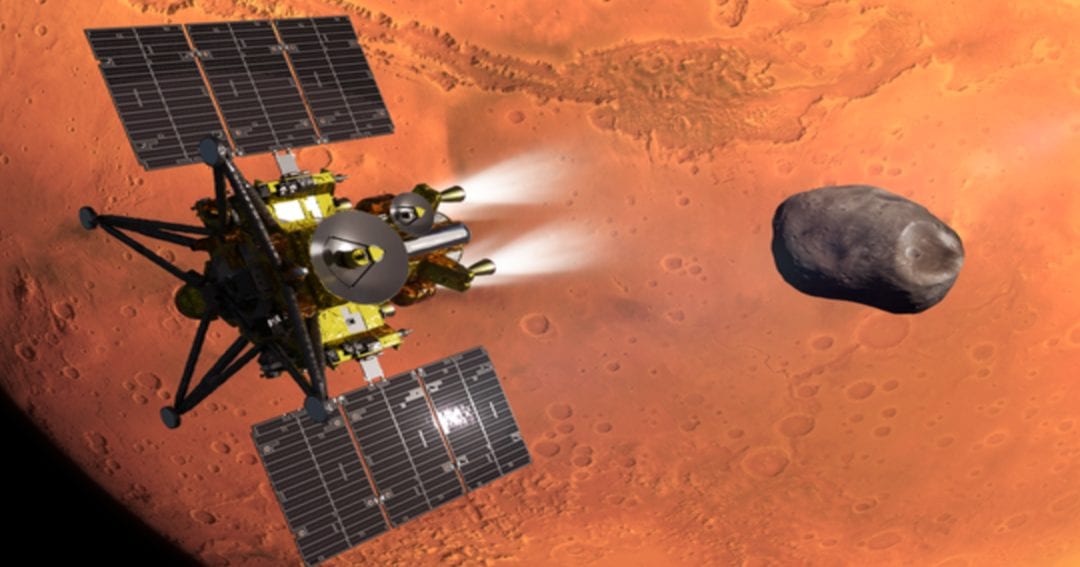
NASA's MEGANE instrument will act as 'eyeglasses' to study Phobos in JAXA's MMX mission
The origins of Mars' moons remain unclear. Could NASA's MEGANE instrument on JAXA's MMX spacecraft finally reveal whether Phobos is a captured asteroid or debris from an ancient impact?
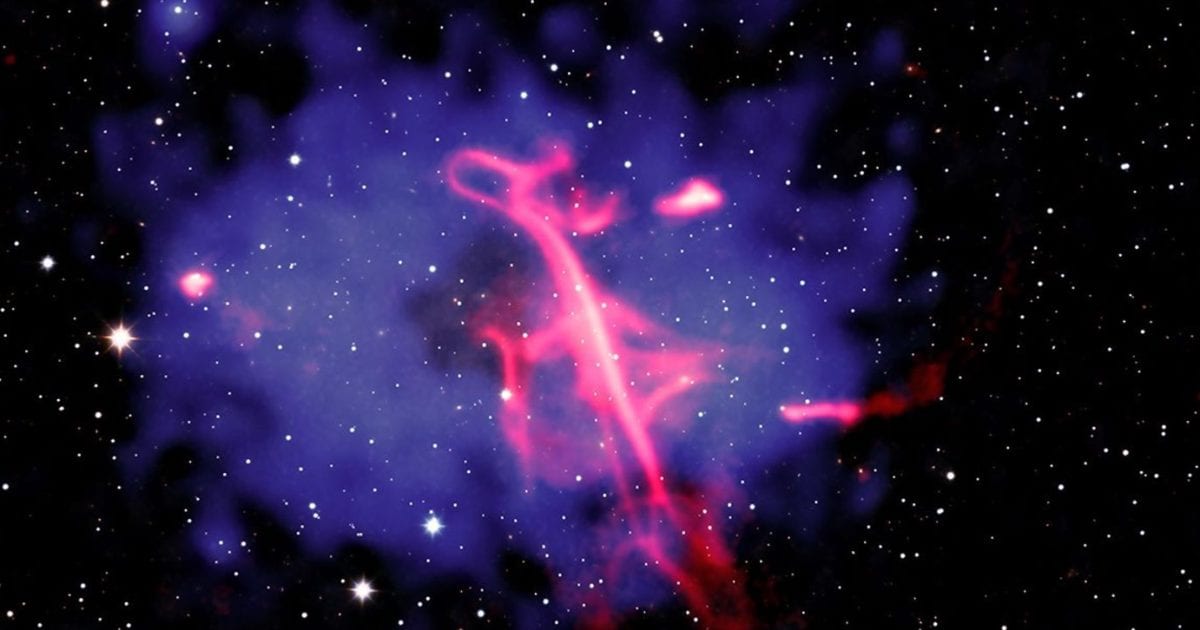
Musical symbol in space? NASA's Chandra Observatory helps reveal origins of 'Treble Clef' radio structure
Researchers have shed light on the origins of a mysterious treble clef-shaped radio structure lurking behind the Milky Way.
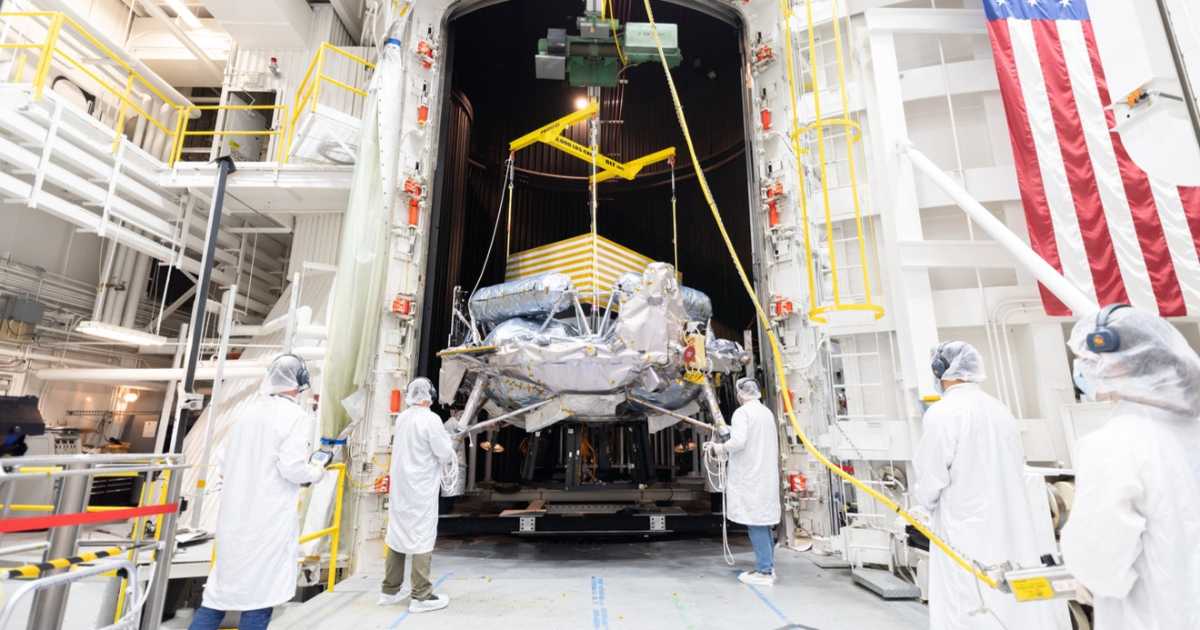
NASA tests Voyager's lunar lander against the extreme requirements of its upcoming Moon mission
Voyager's lander, Griffin-1, has completed weeks of testing at NASA JPL as it gets ready for its trip to the Moon, slated for later this year.
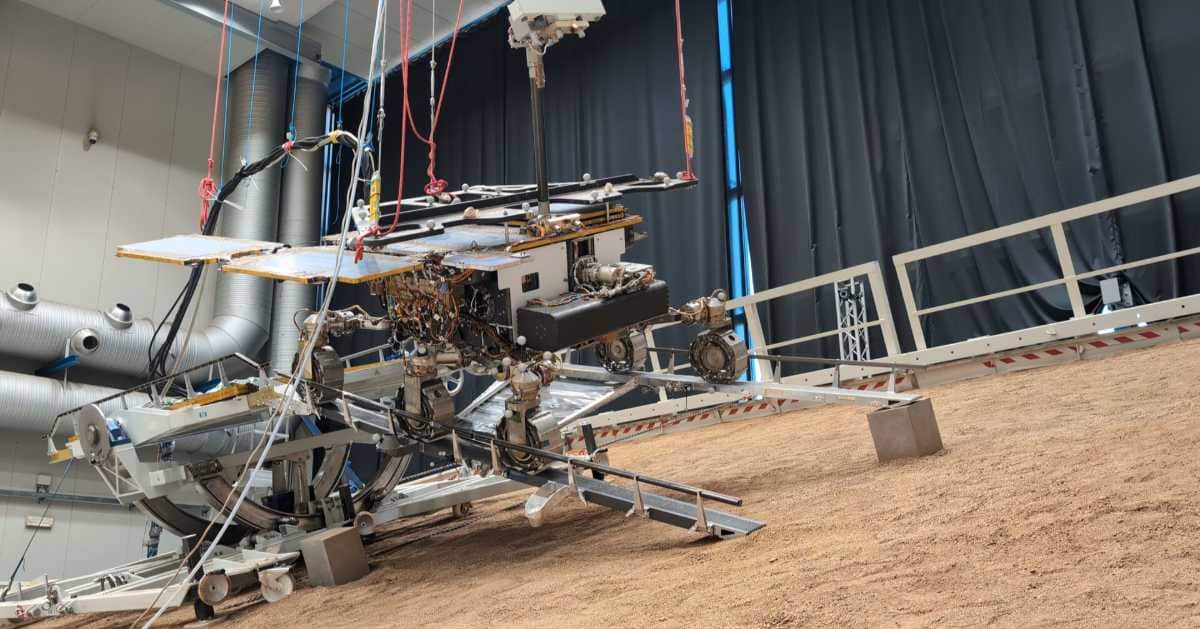
'Only one chance': ESA's Rosalind Franklin rover twin navigates Mars-like conditions on Earth
A full-size model of ESA's Rosalind Franklin rover was put through a rigorous test campaign to check whether the rover would survive its tricky descent onto the Martian surface.
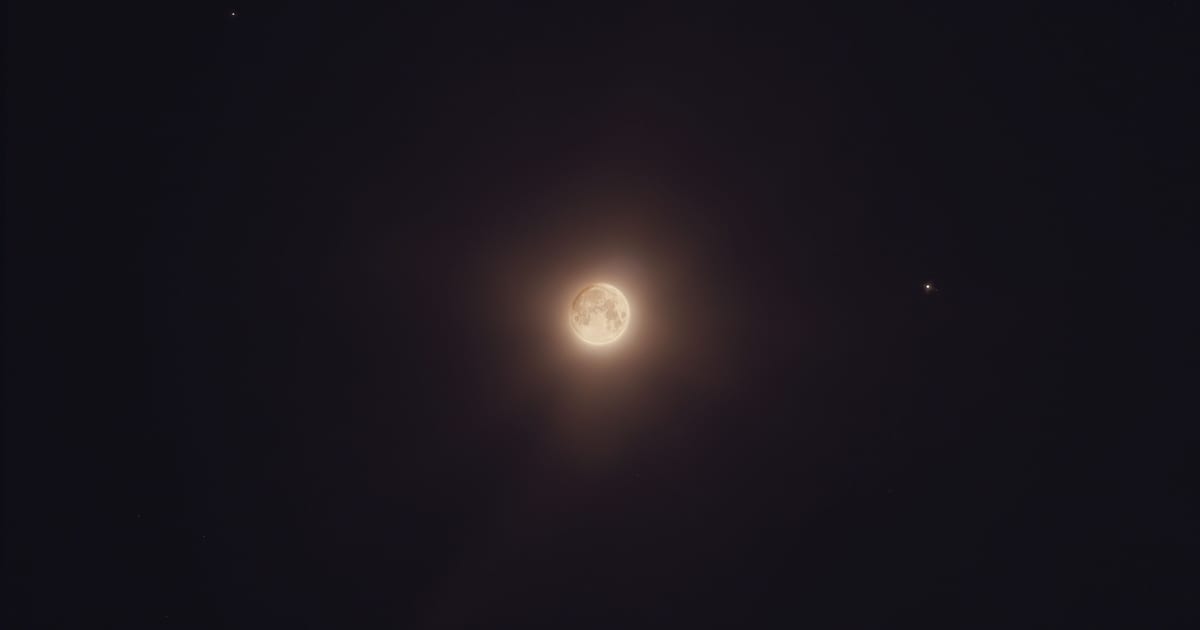
The Moon will pass close to a giant red star on October 14—here's how to spot it
The Moon will pass close to Antares, located roughly 550 light-years from Earth, on October 14, 2026, with a lunar occultation visible from select regions.
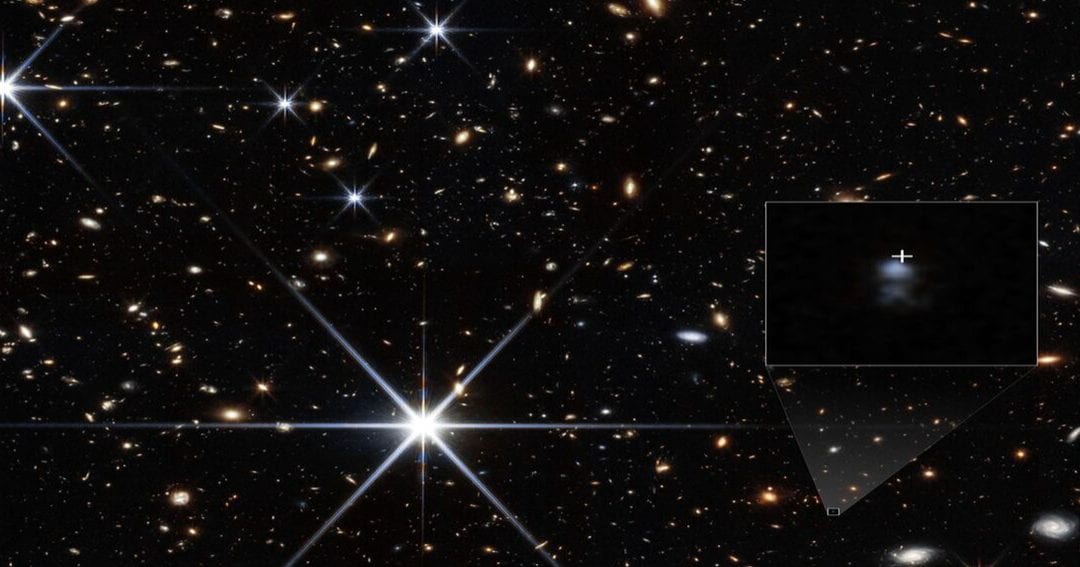
NASA's Webb helps pinpoint location of farthest fast radio burst—it's not what scientists expected
The elusive burst came from a time when the universe was about 3 billion years old and it originated from a very small galaxy.
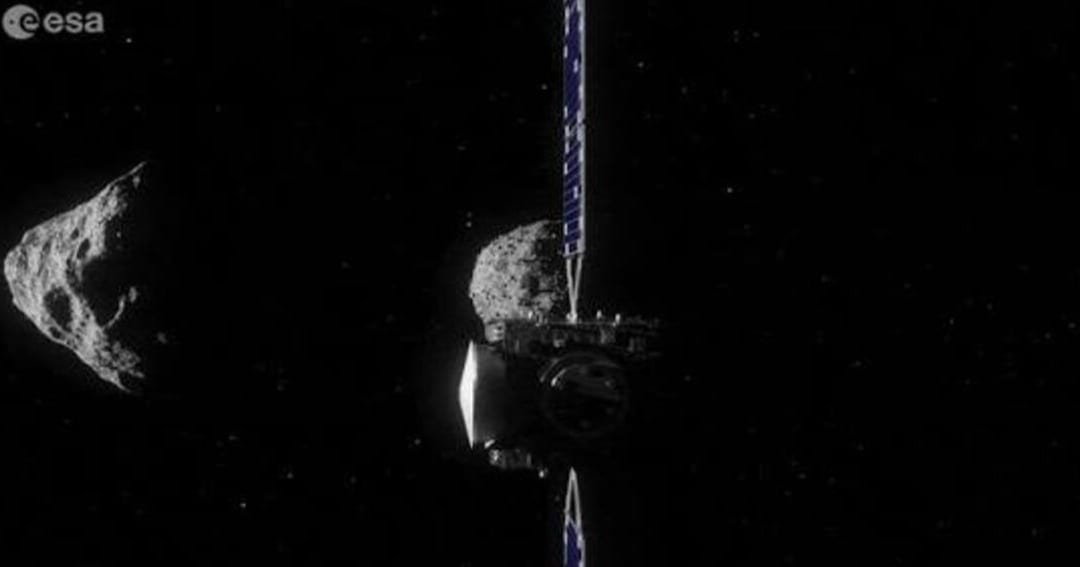
ESA mission to study Didymos: Hera approaches DART target, prepares for 93-minute deceleration burn
ESA’s Hera is preparing for a key braking maneuver as it closes in on Didymos and Dimorphos.
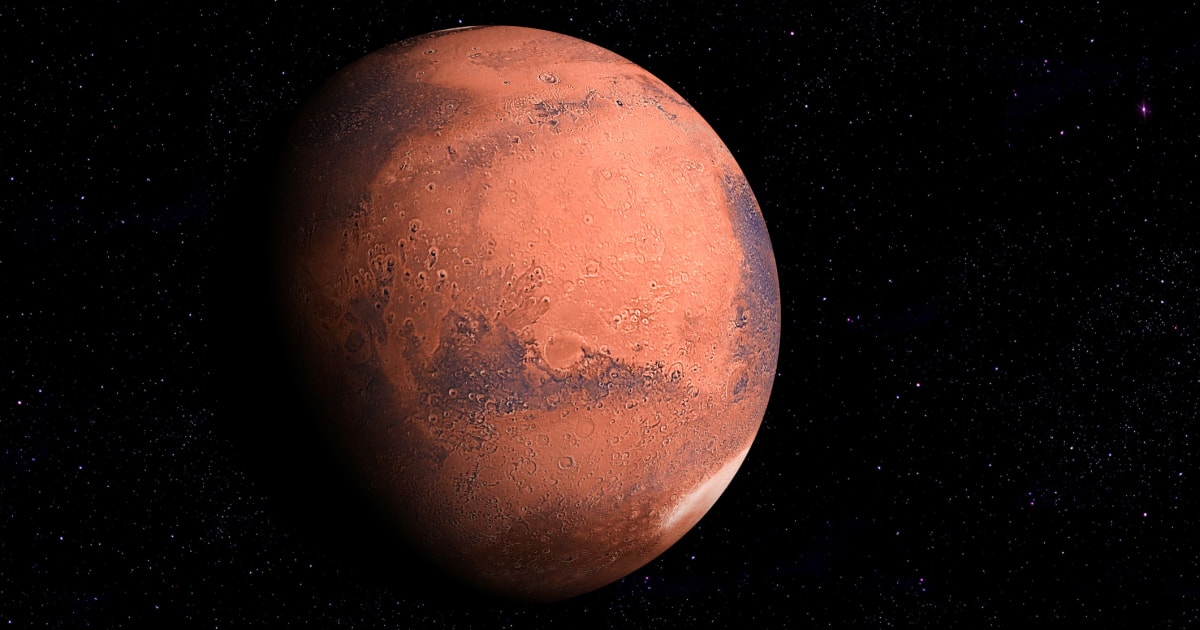
Mars is set to cross a spectacular swarm of stars soon—when and how to watch it
Mars will cross the Beehive Cluster, creating a striking sight for skywatchers this month.
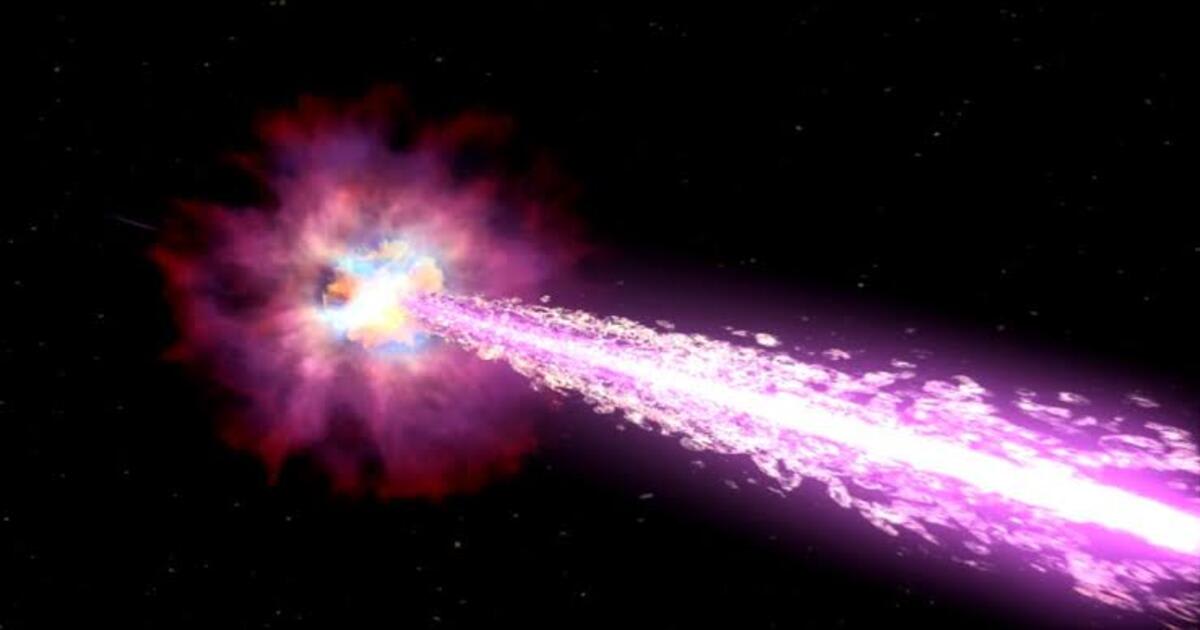
Did scientists just find a new way to detect neutron star mergers? Study provides fresh clue
A lingering afterglow from a gamma-ray burst may have revealed a new sign of neutron star mergers.
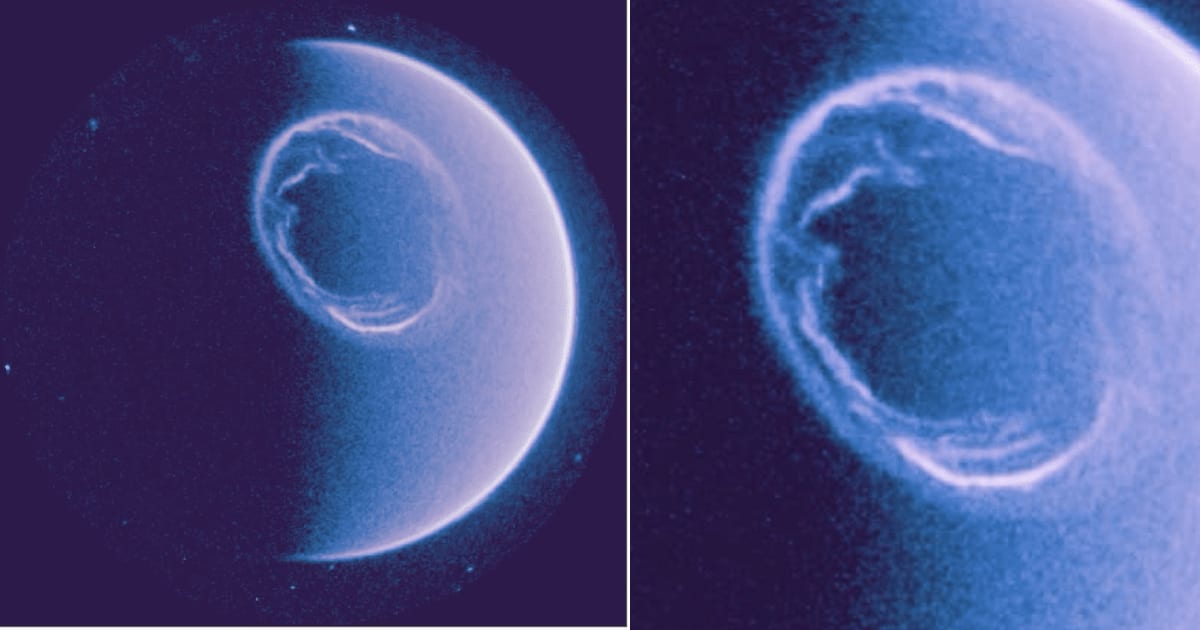
SMILE is ready: Europe and China’s new spacecraft captures massive aurora storm around North Pole
SMILE can watch Earth’s auroras for 45 hours at a time, and is expected to deliver "ground-breaking" data.
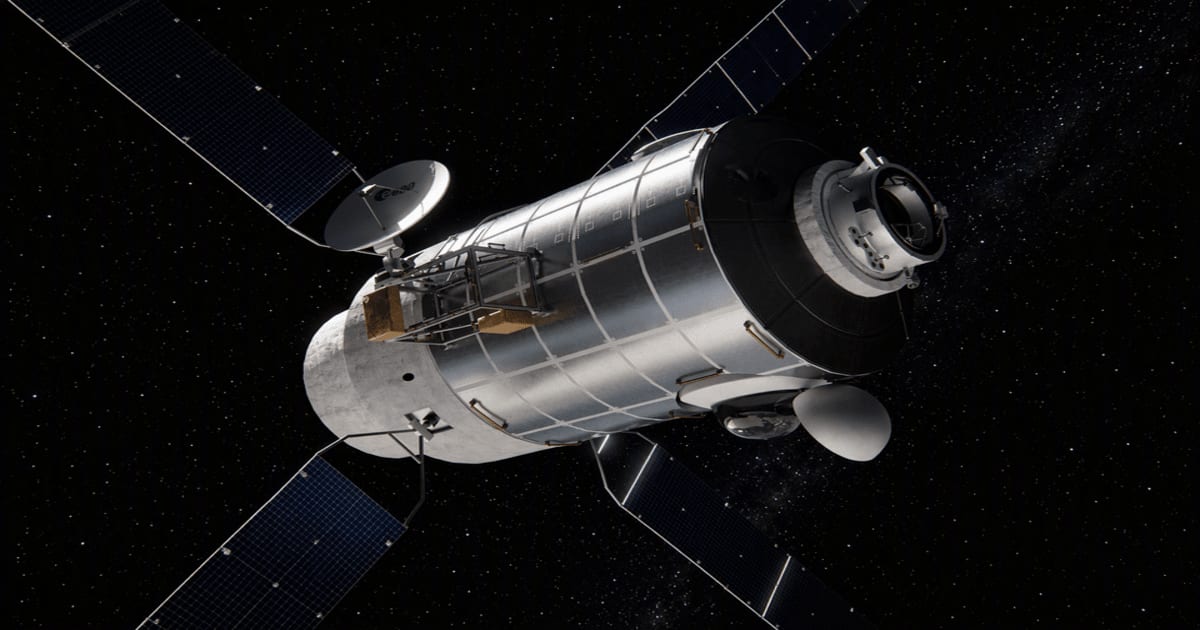
Europe to build its own space station after the ISS? ESA begins new feasibility studies
The ISS has far surpassed its planned life, and will be deorbited after 2030.
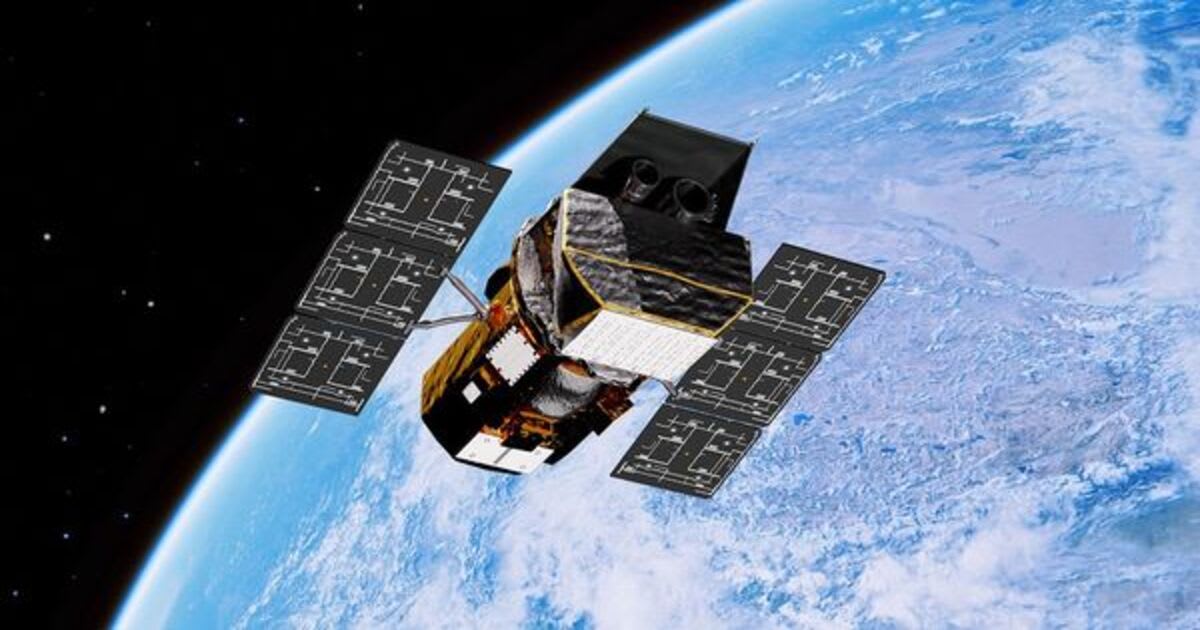
NASA, Katalyst Space look to build on $30 million Swift rescue mission despite failed orbit boost
Katalyst Space's robotic LINK spacecraft re-entered Earth on September 25 after failing its primary mission, but both NASA and Katalyst are choosing to focus on the bright side.
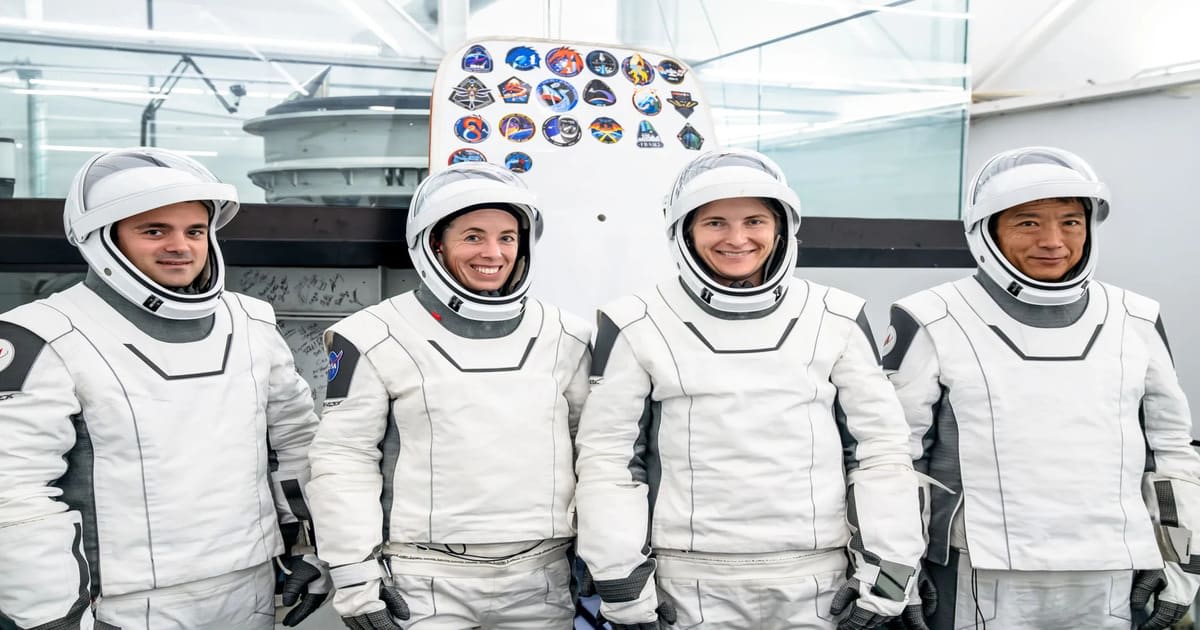
NASA announces four astronauts heading to ISS on SpaceX Crew-14 mission
The Crew-14 mission has a launch target of spring 2027, though a date has not been announced yet.
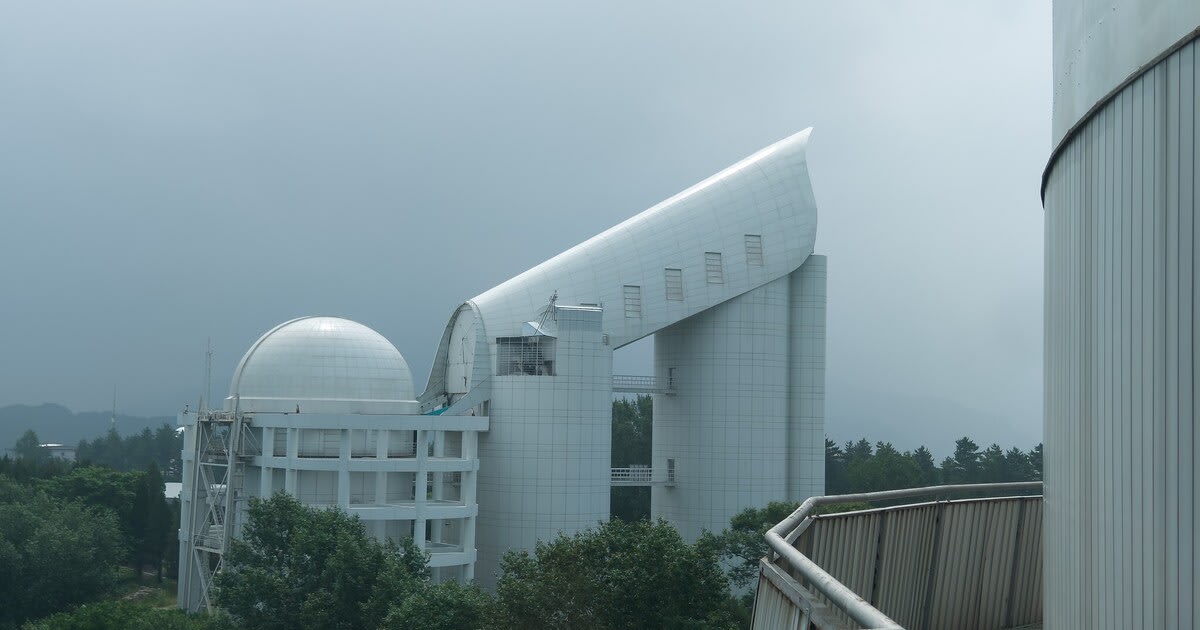
China’s StarWhisper AI is helping telescopes hunt for the first light from exploding stars
Observing supernovae at their earliest stages can help us understand how the explosion develops.
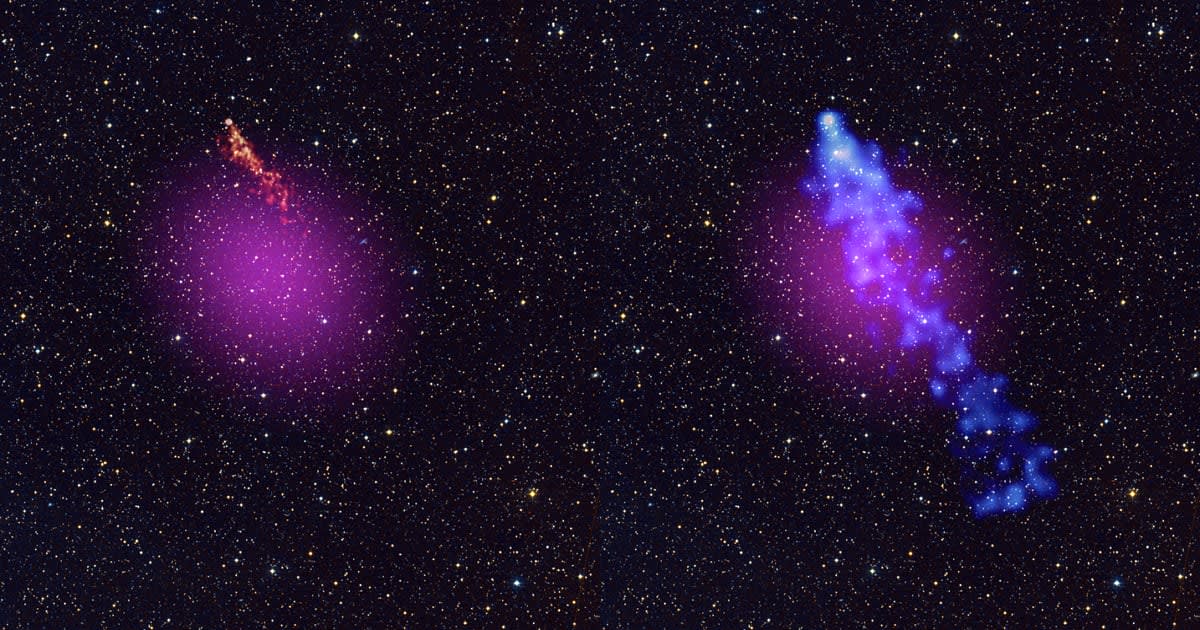
A dead star is leaving behind a bizarre 42-light-year-long trail, China’s Einstein Probe finds
The 42-light-year-long X-ray trail is the longest ever observed from a pulsar wind nebula.
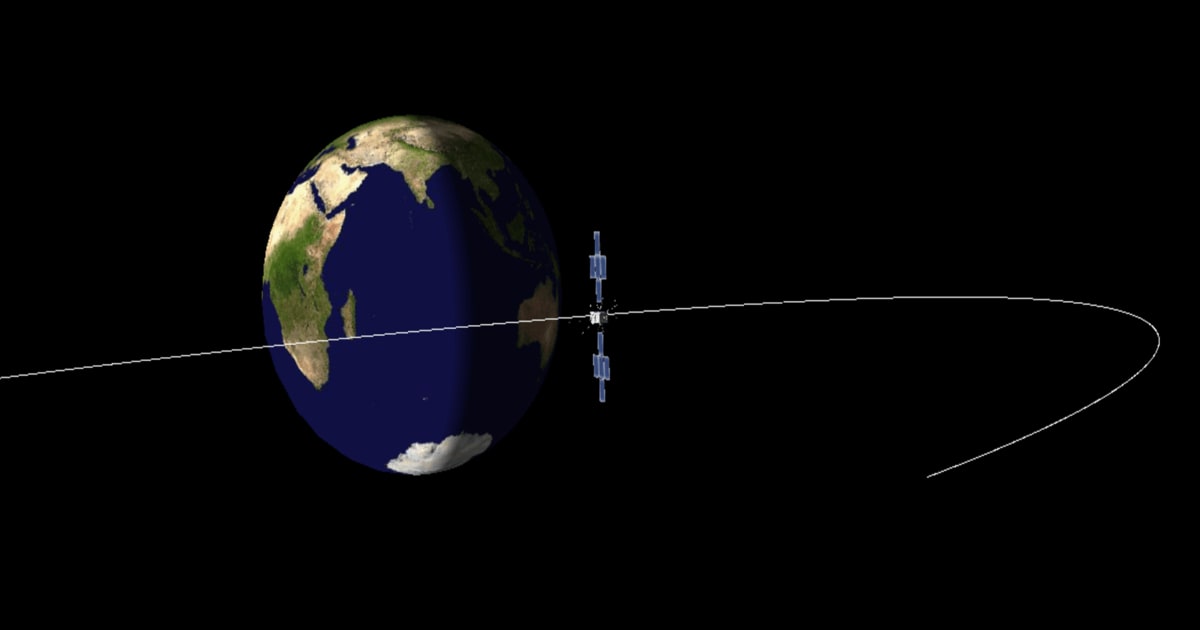
ESA’s Jupiter-bound JUICE spacecraft to use the Moon for a 'test run' before approaching gas giant
JUICE will fine-tune its path, test instruments and study Earth and the Moon before approaching Jupiter.
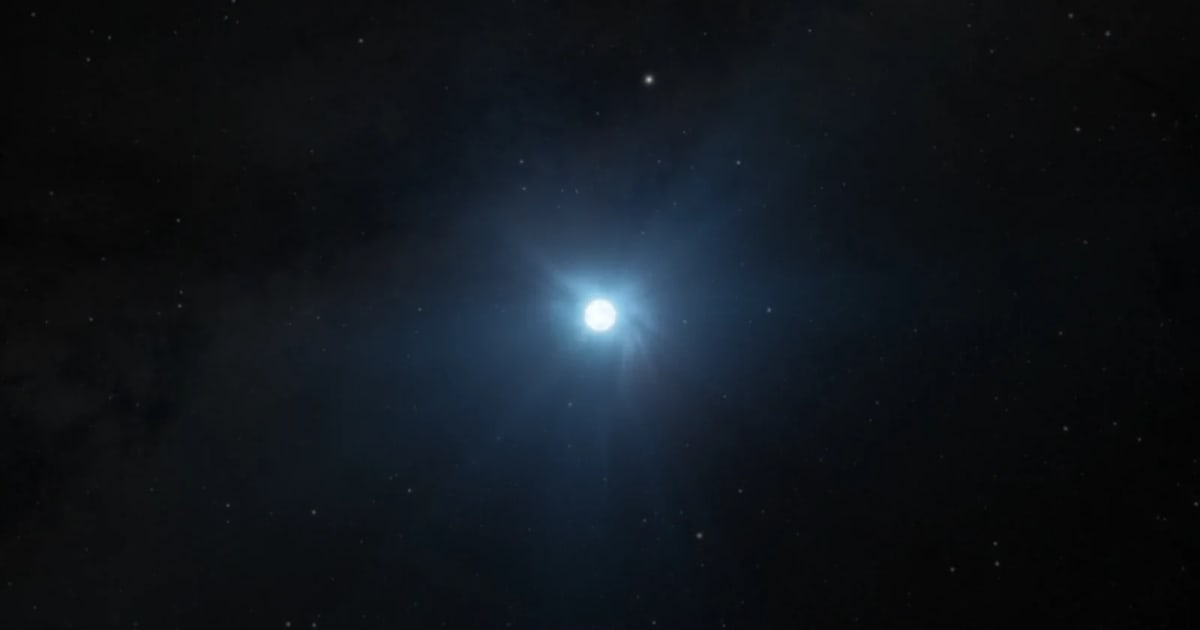
A dead star siphoning gas at 335,000 mph: NASA-JAXA mission makes 'groundbreaking' observation
Astronomers watched a neutron star's accretion disk vanish, only to reappear spinning in reverse.
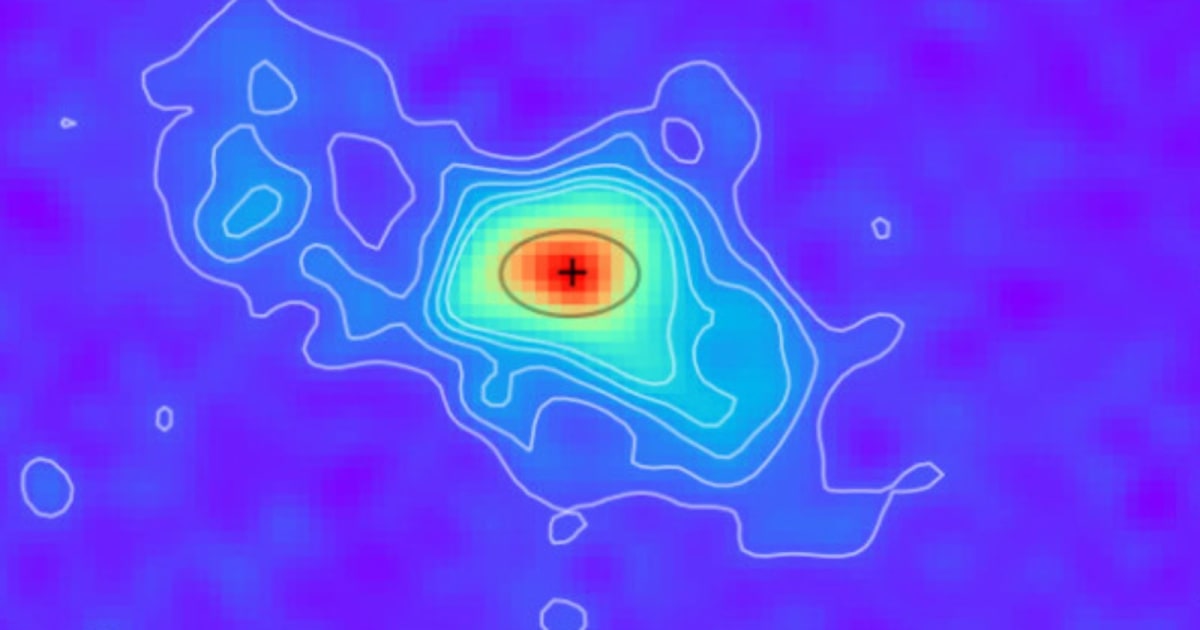
This 'dead' star came back to life 30 years ago. Now it’s changing again.
Astronomers are watching Sakurai’s Object reheat in real time, revealing a rare stage of evolution.
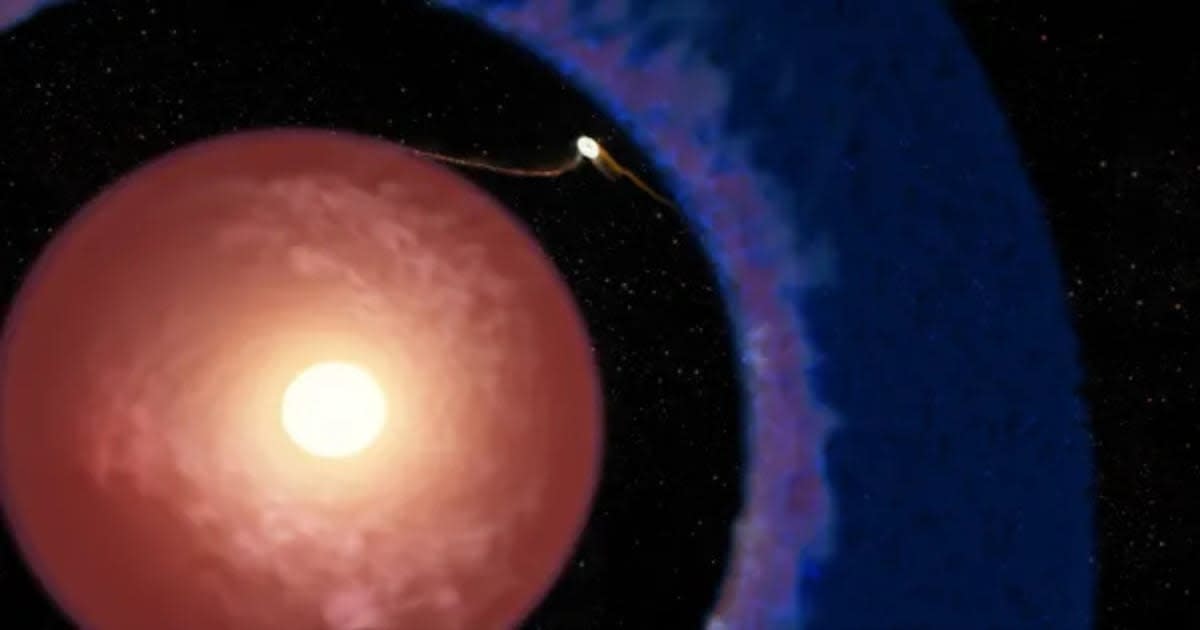
Astronomers just found the youngest planet ever seen—and it's still taking shape
Elias 2-24 b is the youngest by some distance, and could provide rare insights into planet formation.
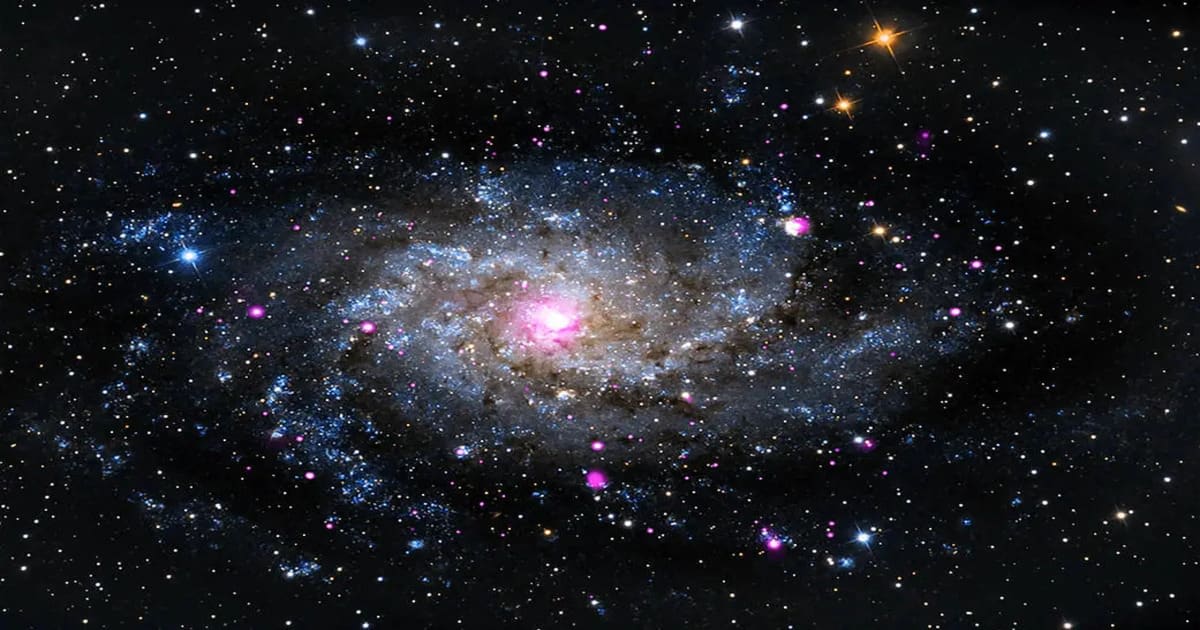
A tiny constellation is rising in the evening sky this week—here’s how to spot the galaxy hidden inside it
M33, or the Triangulum Galaxy, is a spiral galaxy which is the third largest in our Local Group.