SMILE is ready: Europe and China’s new spacecraft captures massive aurora storm around North Pole
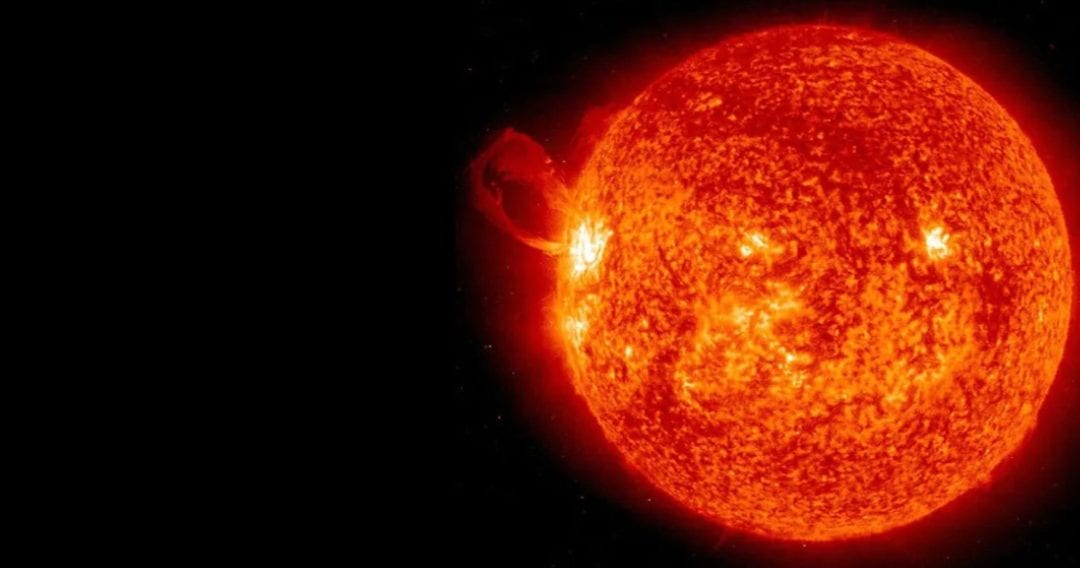
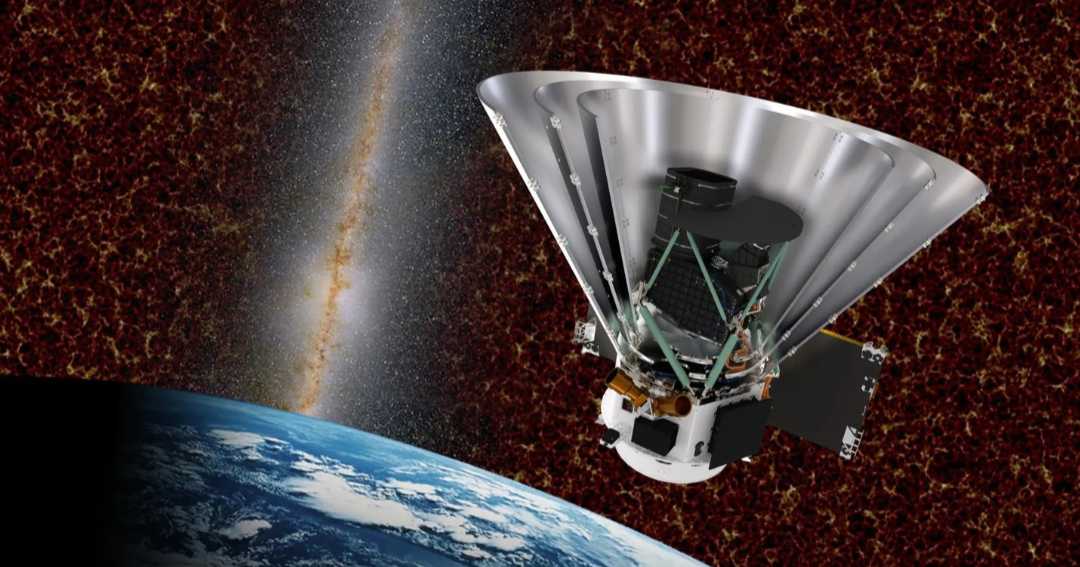
SMILE, the joint European-Chinese spacecraft built to watch how Earth responds to solar wind, has started making scientific observations, having been declared ready on September 23, 2026. The spacecraft uses four science instruments to study how solar activity interacts with Earth's magnetic field and affects auroras and space weather. "SMILE is now approved to begin science operations," said Carole Mundell, ESA's Director of Science, adding that she is confident the partnership will deliver "ground-breaking data to scientists around the world."
SMILE completes its checks before science
SMILE launched on May 19 this year on a Vega-C rocket from French Guiana and reached its target orbit on June 20. Since then, teams in Europe and China have deployed its mechanisms, switched on its units, checked the communications between the spacecraft and ground systems, and fixed problems that appeared along the way. Spacecraft rarely behave in orbit exactly as they do on the ground, and the past three months were spent getting SMILE ready for its science mission.
SMILE can watch the Northern Lights for 45 hours
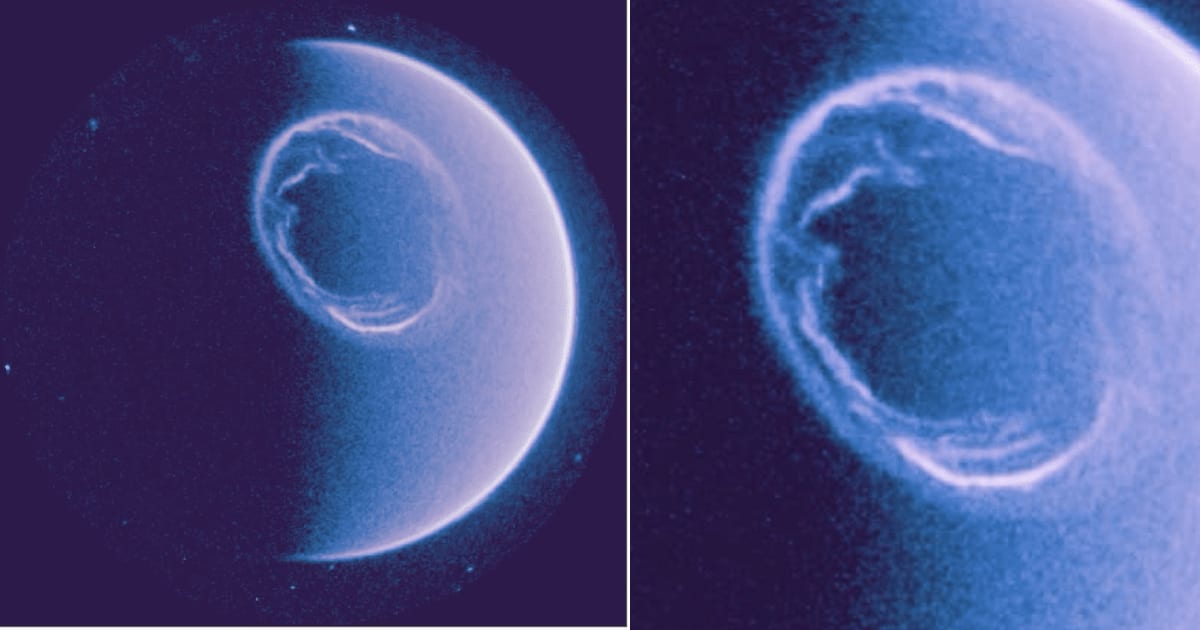
With those checks complete, one of SMILE's first important findings has come from its ultraviolet aurora imager. ESA says it is the first camera since 2008—the year NASA's Polar mission ended—to capture the full ring of northern lights around the North Pole in ultraviolet light. This wide of a view is possible due to SMILE's high orbit. The spacecraft climbs to about 121,000 km above the North Pole, nearly a third of the way to the Moon, so one camera can take in the whole auroral oval and track its changes over a long period.
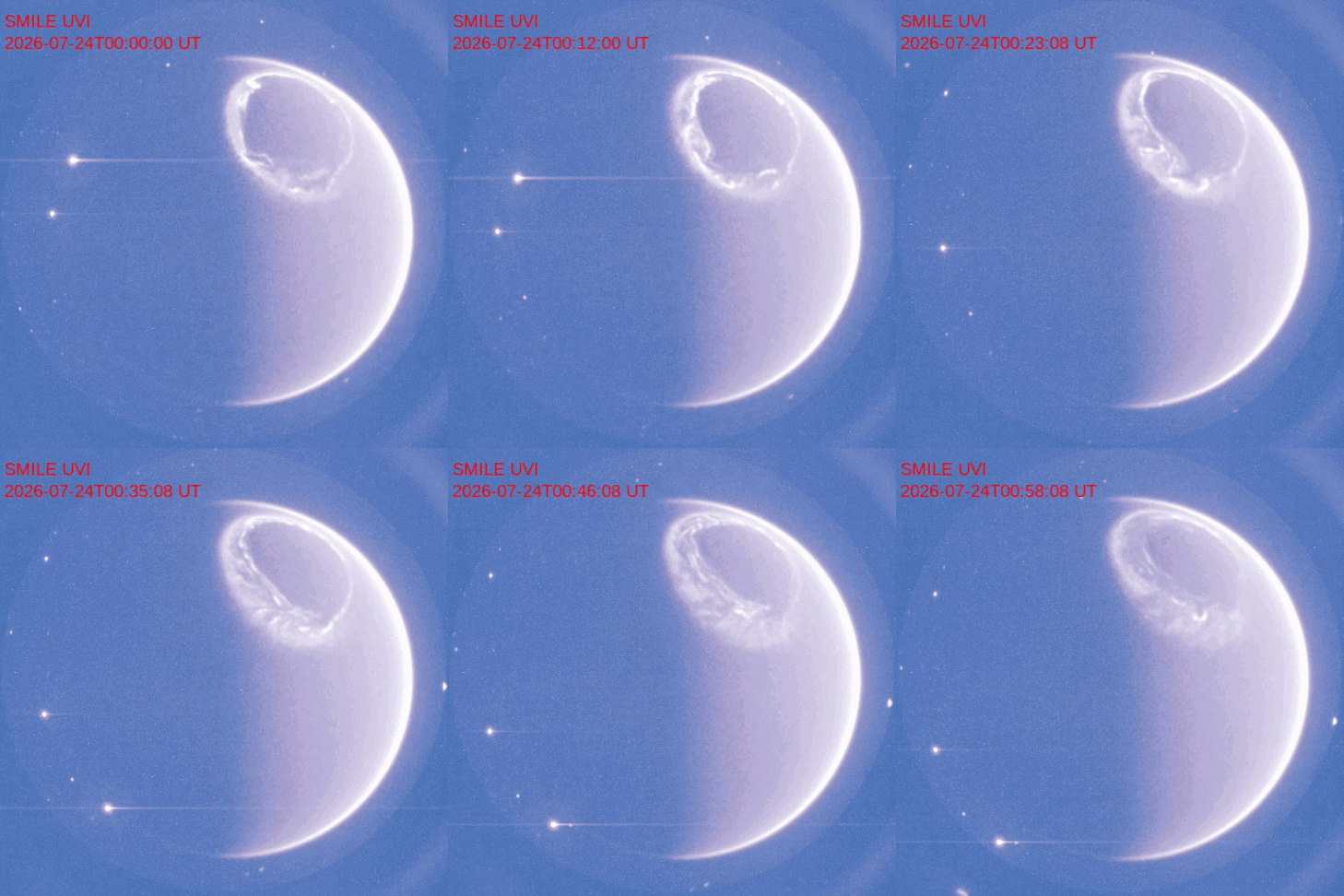
It then drops to about 5,000 km over the South Pole to send its data back to Earth. The camera now records for 45 hours at a time. Its first footage, filmed on July 24 this year, just two weeks after it was switched on, shows the northern lights brightening after a rush of solar wind particles disturbed Earth's magnetic field.
SMILE will combine data for a holistic picture
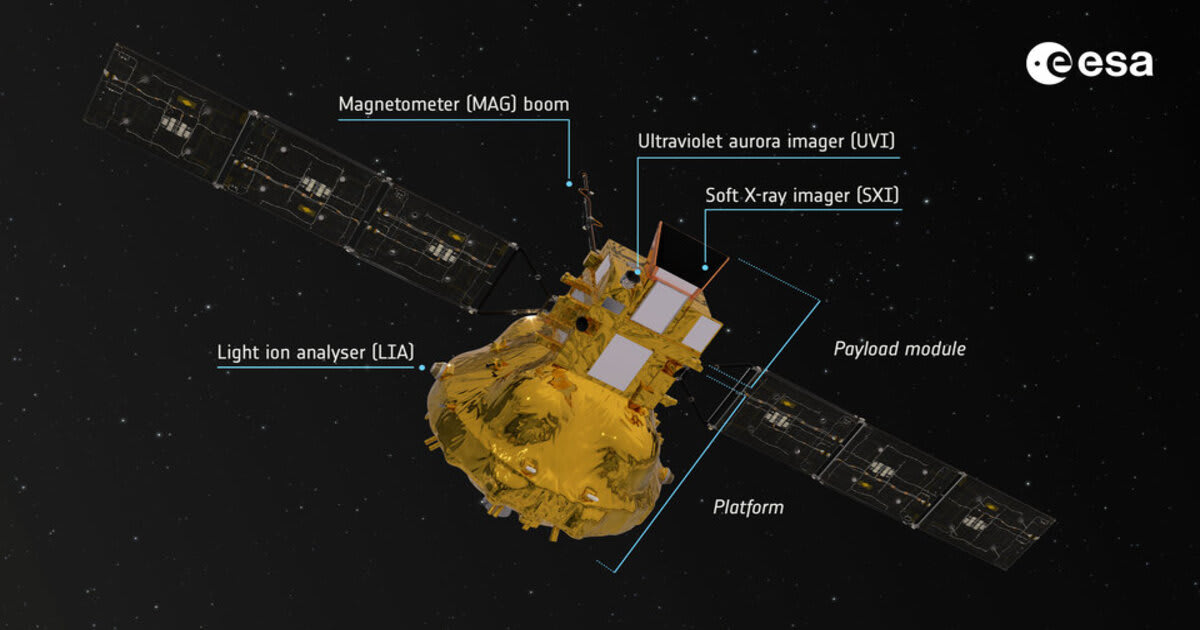
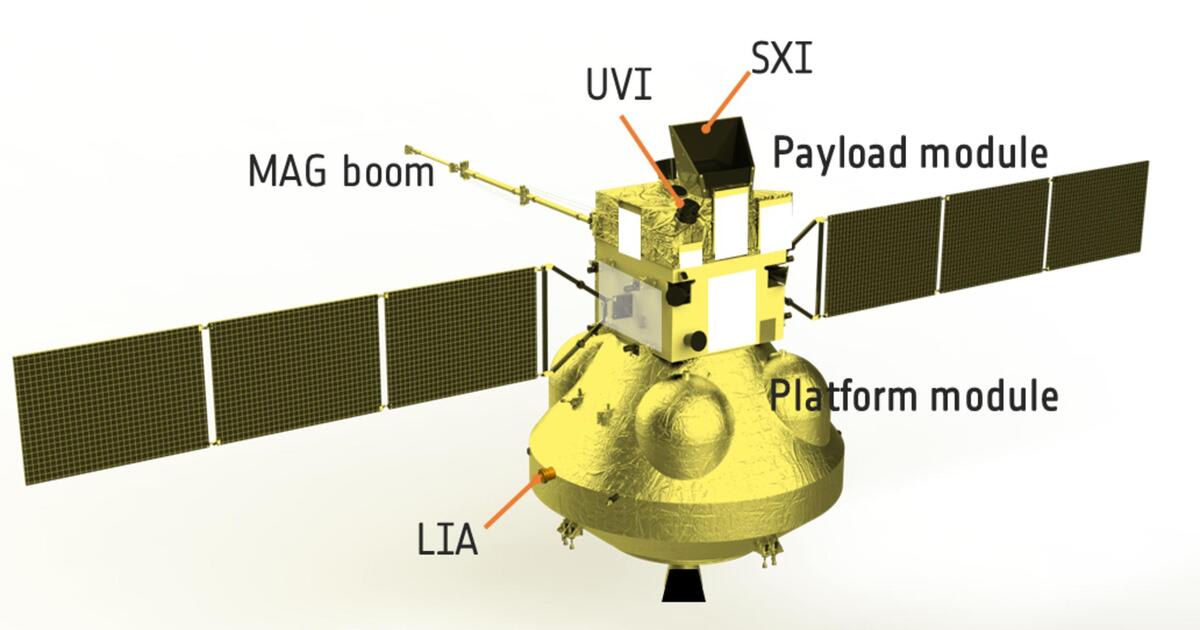
SMILE's Soft X-ray Imager (SXI) will observe the outer edge of Earth's magnetic field, called the magnetopause. This is the region where the solar wind interacts with Earth's magnetic shield. With this interaction, SXI will capture images of it, and scientists will be able to track changes that the solar wind causes in Earth's magnetic field.
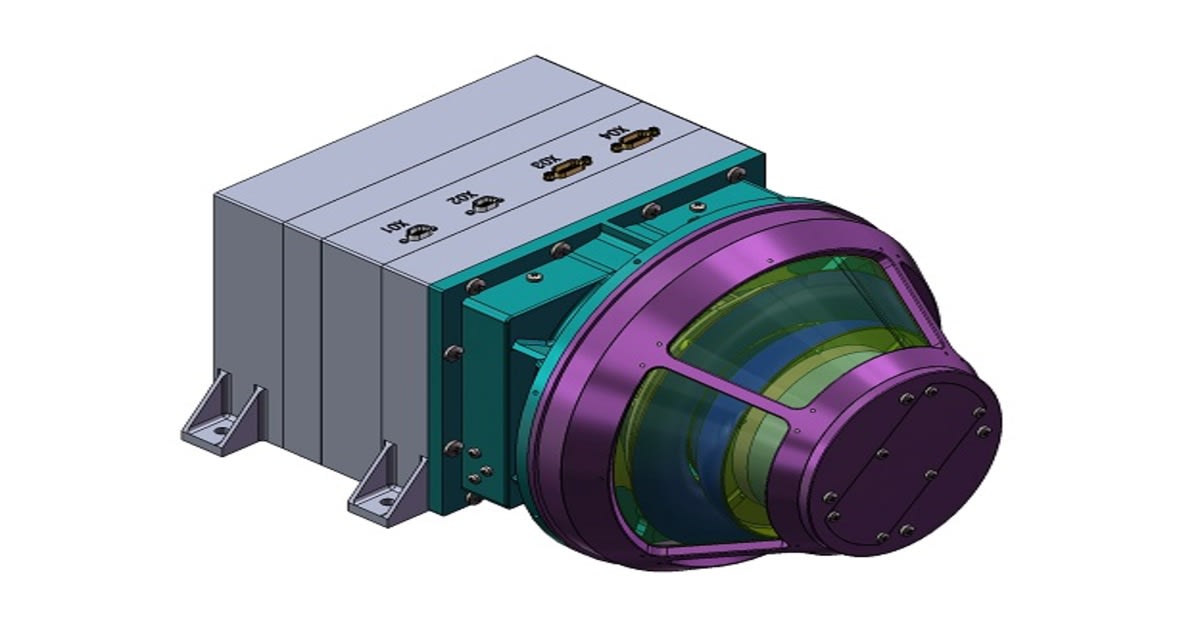
At the same time, SMILE's Ultraviolet Imager (UVI) will observe the auroras around the North Pole. Scientists will combine both sets of data to study the connection between changes in the auroras and Earth's magnetic field. These observations will then be supported by SMILE's Light Ion Analyser (LIA) and Magnetometer (MAG), which will measure solar wind particles and magnetic fields. Together, these measurements will give scientists a better picture of how solar wind affects Earth's space environment.
What could SMILE reveal about space weather?
SMILE's observations will help answer three major questions. First, scientists want to understand what happens when solar wind hits Earth's magnetic field. Second, they want to study what kind of geomagnetic disturbances develop around our planet's night side. And third, they want to understand whether dangerous geomagnetic storms can be detected before they occur. The mission's nominal lifetime is three years, and over 250 European and Chinese scientists are part of the SMILE scientific consortium, working on the mission's science goals and data.
More on Starlust
ESA-China's Smile mission hit by Vega-C rocket technical problem, launch pushed to May 19