Did scientists just find a new way to detect neutron star mergers? Study provides fresh clue
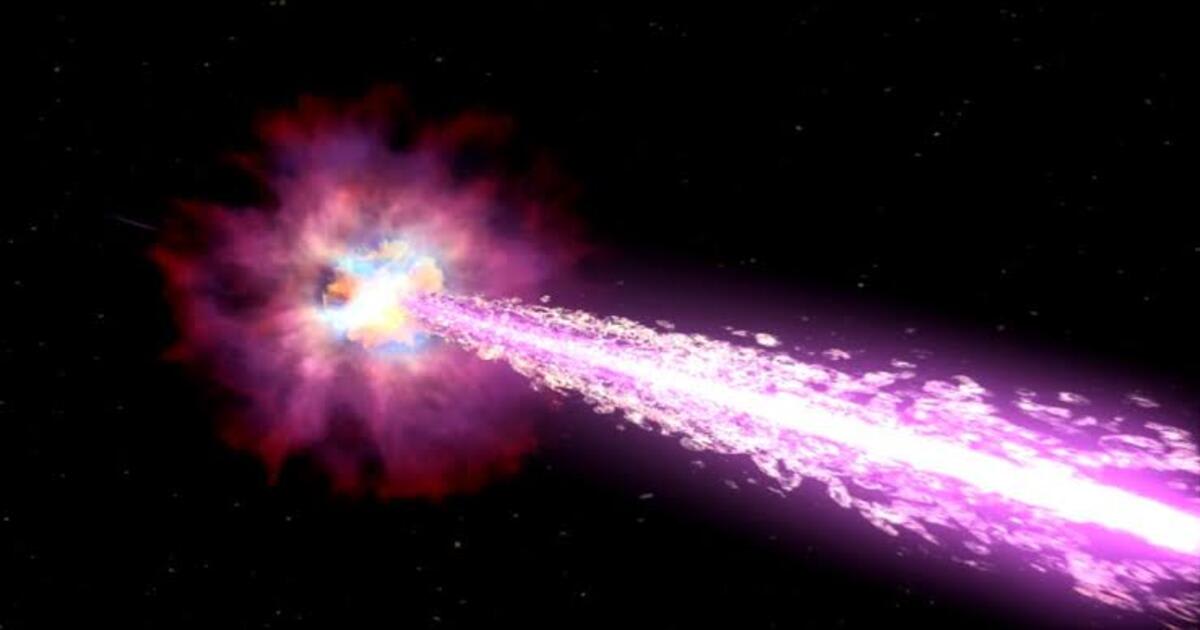
Neutron star mergers are among the most powerful events in the universe, where elements heavier than iron, including precious metals, can be produced. When two neutron stars merge, this event can produce a very short gamma-ray burst, after which an X-ray afterglow usually appears and slowly fades. Recently, in one such event, scientists observed something surprising: the gamma-ray burst lasted only 0.4 seconds, whereas the X-ray emission continued for nearly 10 minutes and, instead of gradually fading as expected, rapidly changed in its brightness and spectrum.
An unusual observation
Short gamma-ray bursts generally last less than two seconds and are linked to mergers of compact objects, such as neutron stars or black holes. The observed burst, named GRB 250704B, also fits this pattern, with the initial gamma-ray burst lasting only 0.4 seconds. So, the short duration was itself not unusual. What caught scientists' attention was what happened after the burst.
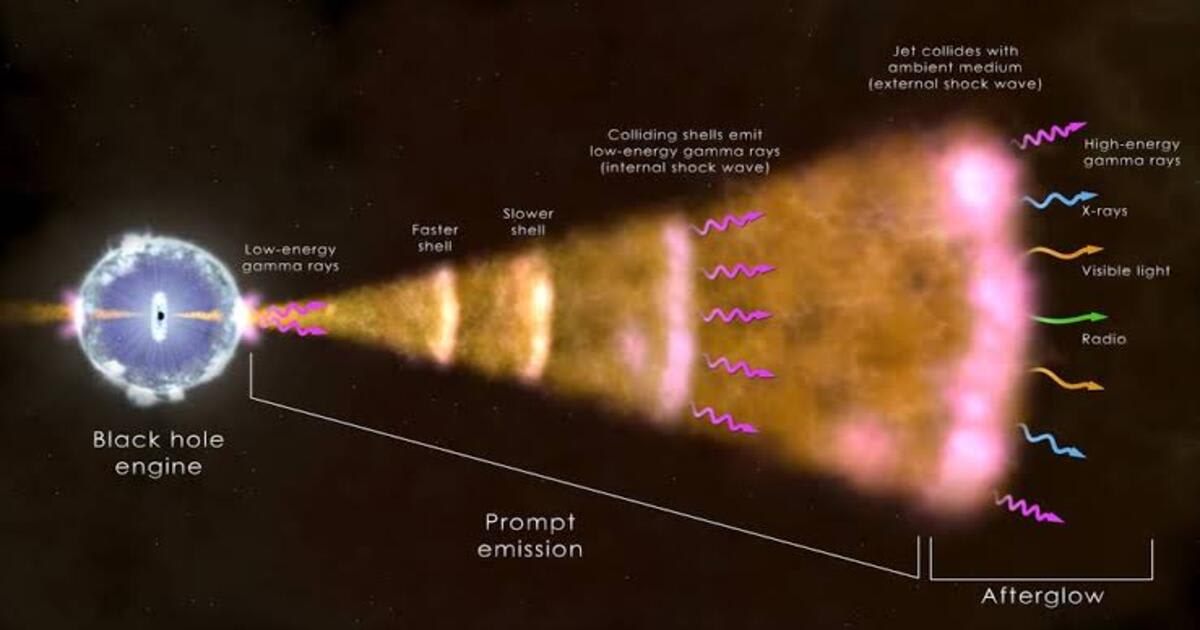
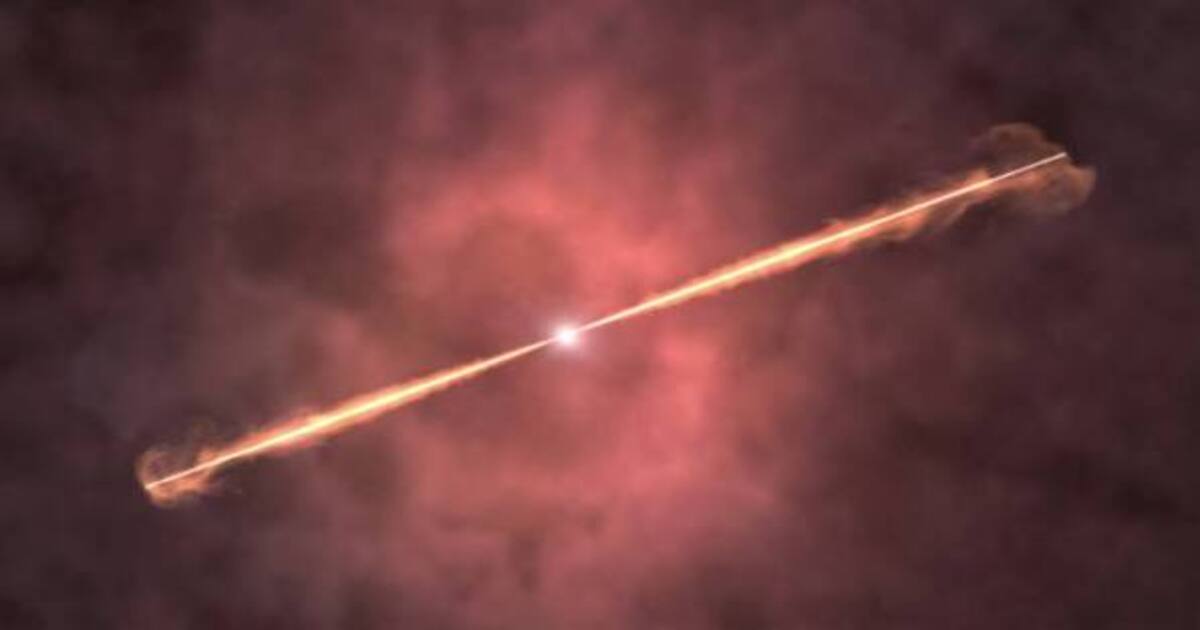
China's Einstein Probe detected the X-ray emission from the beginning of the event, which helped scientists observe the early stage of the X-ray afterglow. Generally, an afterglow gradually becomes weaker as the event loses energy. The early observations of GRB 250704B, however, showed that the X-ray emission was being powered by an additional source of energy. This suggests that something at the center of the merger remained active even after the initial gamma-ray burst faded. Researchers referred to this as an "active central engine"—a surviving object powering the observed glow.
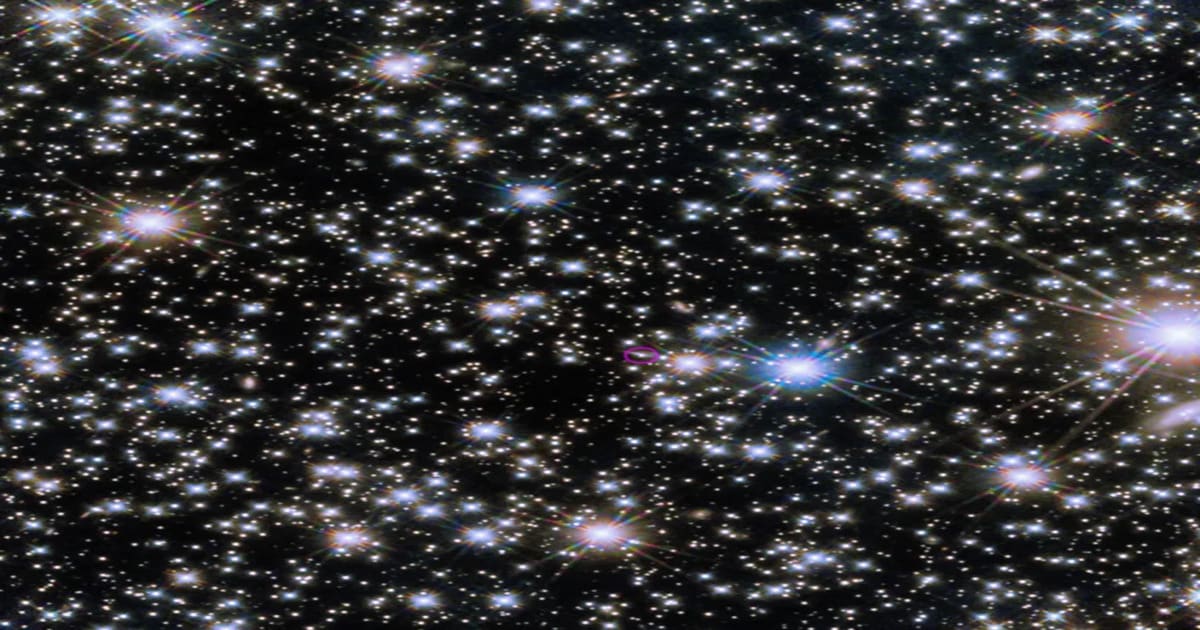
Later on, scientists also used the Very Large Telescope (VLT) to measure the redshift. To put it simply, redshift is the shift of light toward longer, redder wavelengths as an object moves away from us, which can help scientists estimate how far away it is. Through this, scientists found that the event took place more than 6 billion light-years away. This told astronomers that if the event originated from a supernova, it would be visible to telescopes. However, no signs of a supernova matching that distance was found, thereby strengthening the idea that the event was triggered by a neutron star merger.
What could have kept X-ray emission going?
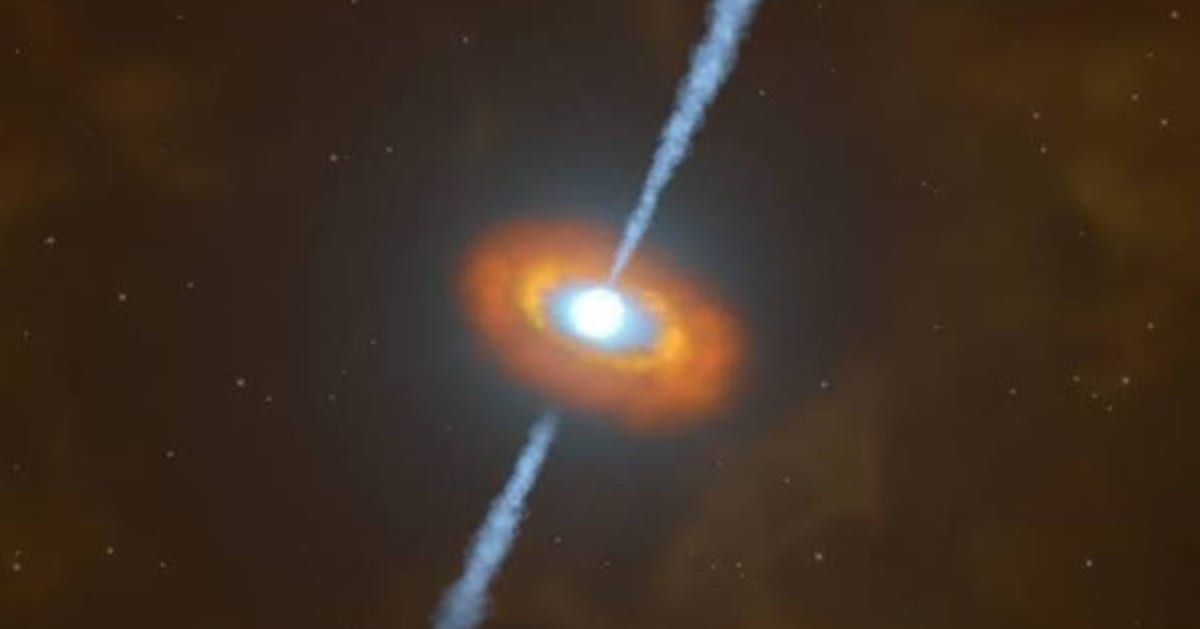
One possible explanation scientists have for this is that, after the merger, a rapidly spinning, highly magnetized neutron star, also known as a magnetar, was formed. A magnetar has very high rotational energy and a strong magnetic field. If it survived the merger, it could continuously release this energy and keep the X-ray emission powered for several minutes.
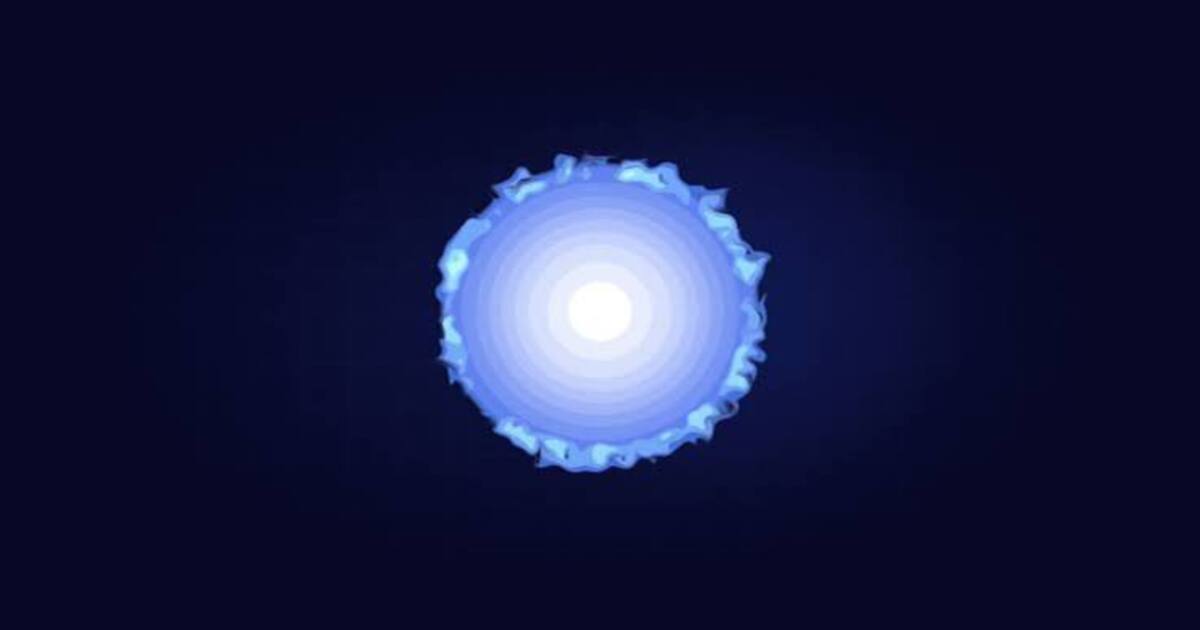
More importantly, such soft X-ray emissions, which consist of lower-energy X-rays, may have been missed in previously studied neutron star mergers, because many gamma-ray instruments are not designed to detect this type of emission. The Einstein Probe's X-ray observations therefore gave scientists a chance to study this previously unseen phase of neutron star mergers.
Why this could change how scientists find neutron star mergers
Until now, scientists understood and identified neutron star mergers through short gamma-ray bursts and gravitational waves. But observations of GRB 250704B suggest that minutes-long soft X-ray emissions could also be a sign of neutron star mergers.
If scientists detect similar X-ray flashes in future observations, they can use this signal to identify and study neutron star mergers, especially when gravitational wave detectors observe the same event. Through this, scientists can closely study the remnants, including a possible magnetar formed from the merger. This study can help scientists understand how exactly mergers evolve after such an extreme event in the cosmos and what type of object they eventually become.
More on Starlust
Inside Sunbird: Pulsar Fusion's nuclear spacecraft that can cut travel time to Mars in half
Astronomers discover atmosphere on the coldest lava exoplanet ever found; here’s why it matters