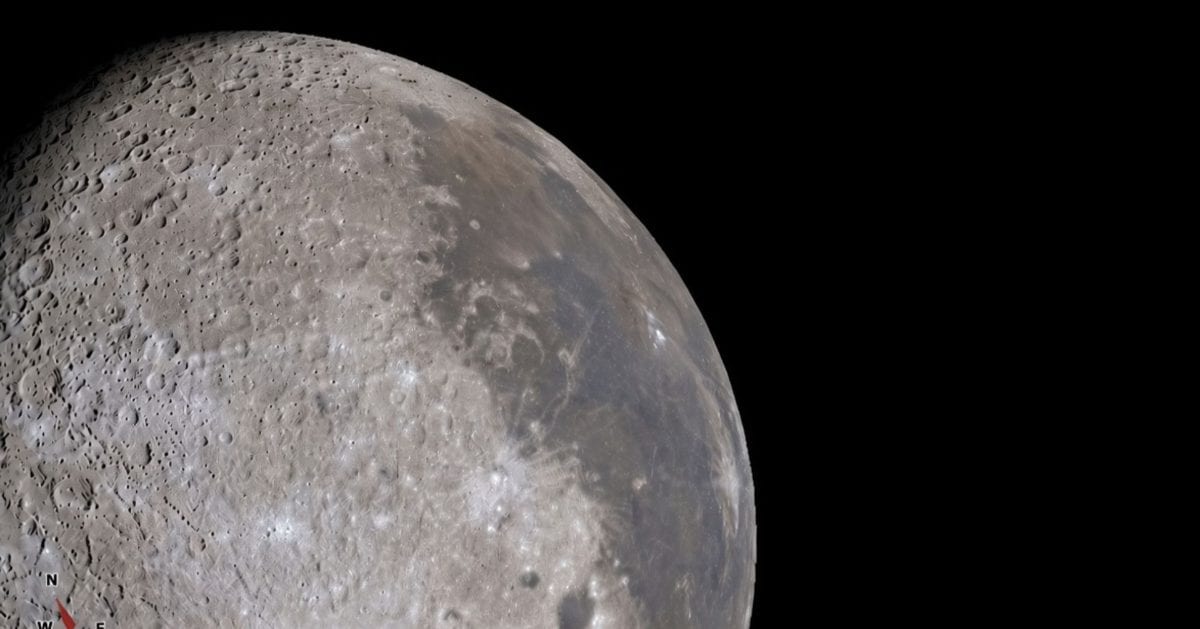
NASA tests Voyager's lunar lander against the extreme requirements of its upcoming Moon mission
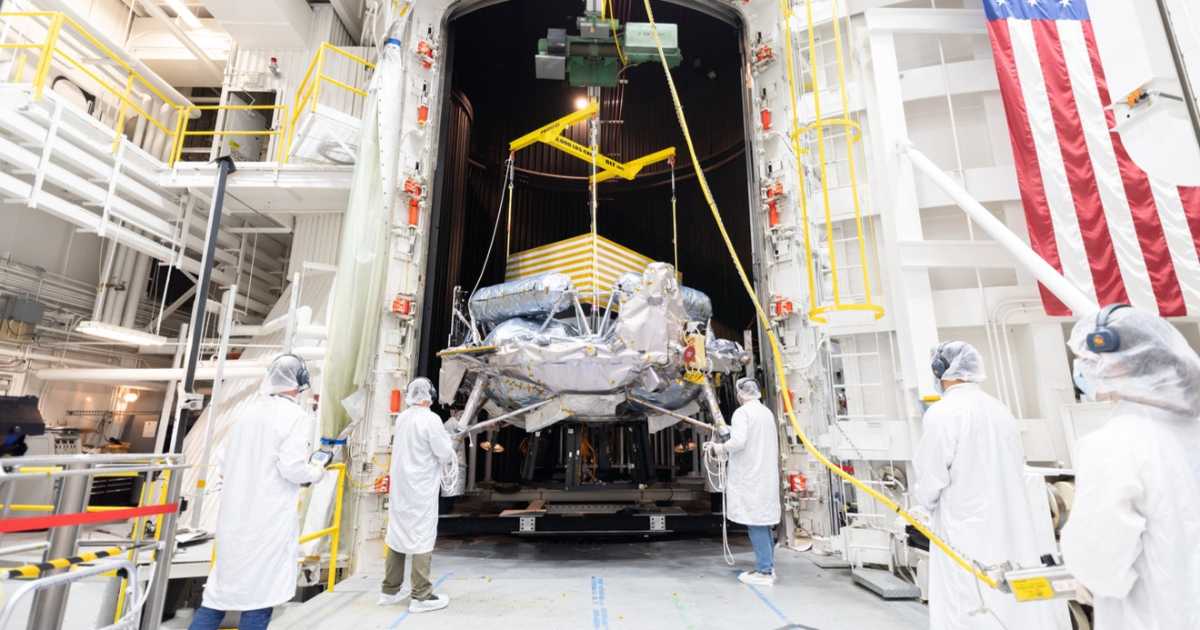
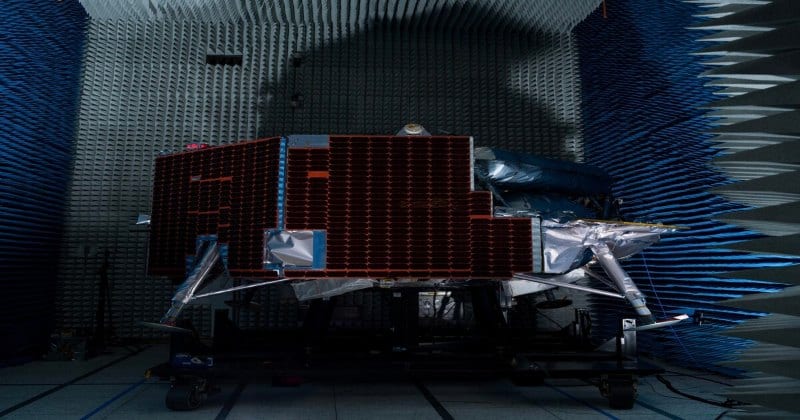
Voyager Technologies' Griffin-1 lunar lander has completed environmental testing at NASA's Jet Propulsion Laboratory (JPL). As part of the tests, engineers put the lander through extreme temperatures and simulated the vacuum of space, as well as the strong vibrations and noise related to a rocket launch. These tests were designed to check whether the lander could withstand the harsh conditions it will face during its expedition to the Moon. Griffin-1 is now moving toward the next stage of preparations for its lunar mission, expected to launch sometime later this year.
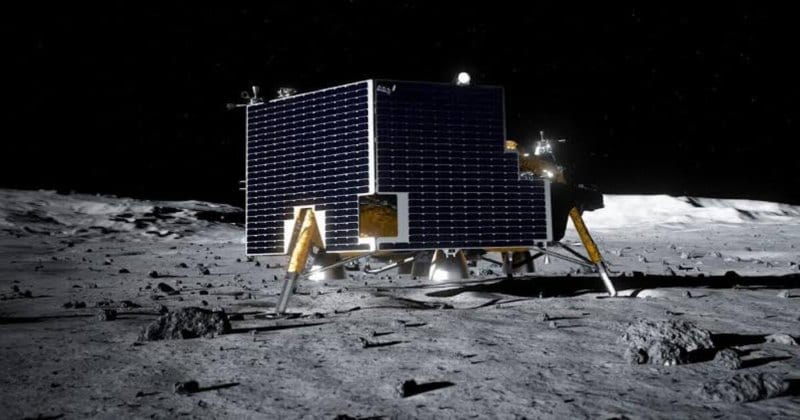
Griffin-1 and its Moon mission
Voyager Technologies developed Griffin-1 to deliver scientific instruments and other equipment to the lunar surface. This lander is a part of NASA's Commercial Lunar Payload Services (CLPS) Program, which helps the agency send research instruments to the Moon through partnerships with commercial space companies like Voyager (formerly Astrobotic) and Intuitive Machines.
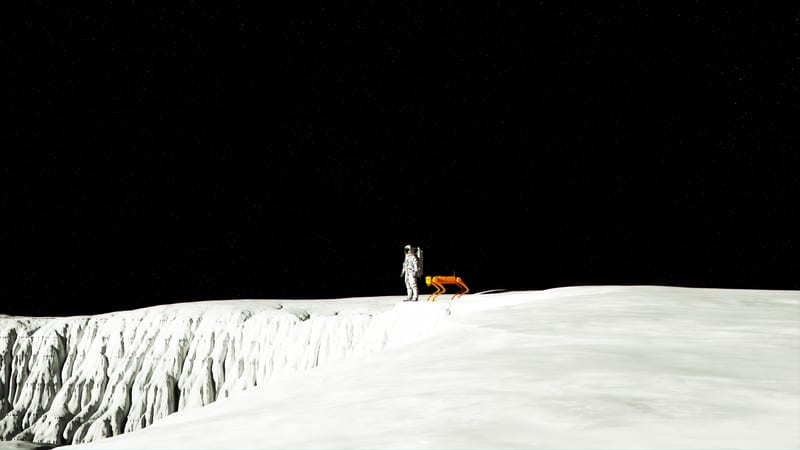
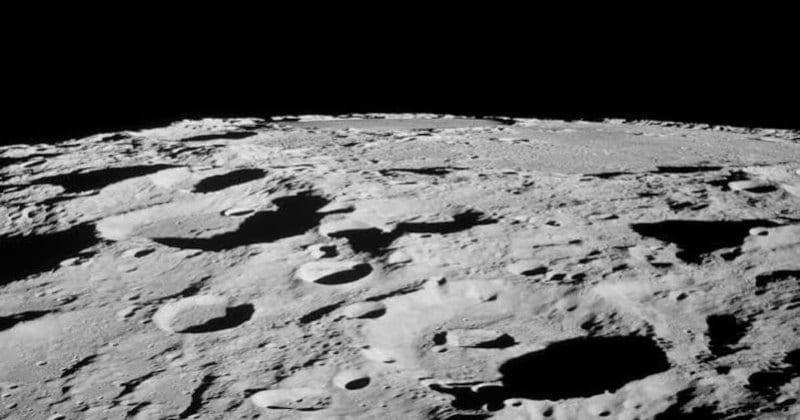
Griffin-1 is built to carry a substantial cargo load. For this mission, it will transport more than 1,100 pounds of cargo to the Moon. Its first mission will take 10 scientific and technological experiments from six countries to the region around Nobile Crater near the lunar south pole. One of its payloads is Astrolab's FLIP (FLEX Lunar Innovation Platform) rover, a large commercial vehicle that will help support future lunar surface operations.
How NASA tested Griffin-1 for its Moon mission
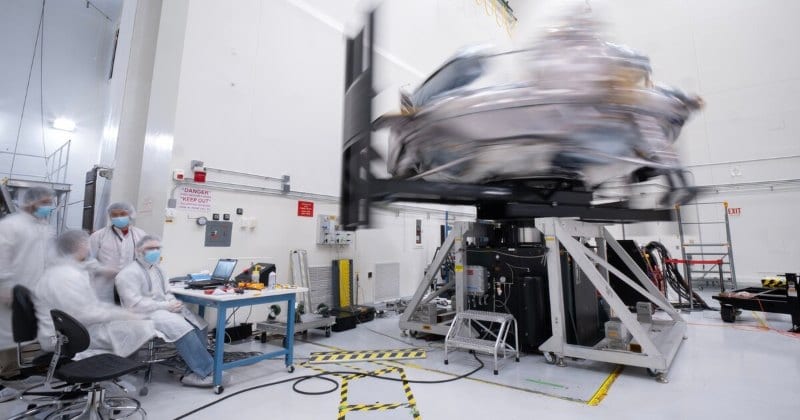
JPL's engineers began testing Griffin-1 in July to assess how the spacecraft would handle the conditions it could encounter during launch and its mission. One of the initial tests measured the mass distribution of the lander, which refers to how its mass is spread across the spacecraft. For this test, engineers spun the lander on a special rotating table to detect any unexpected wobble. The results will help them understand how the spacecraft will move during flight and plan its navigation for landing on the Moon.
JPL has decades of experience testing robotic spacecraft, dating back to NASA's Ranger program in the 1960s. Charles Whetsel, manager of JPL's Exploration Systems Development Office, highlighted the laboratory's role in supporting commercial lunar exploration. “NASA JPL’s Environmental Test Laboratory has been putting robotic explorers to the test since the Ranger program gave us NASA’s first up-close views of the Moon’s surface in the mid-1960s. We’re proud to provide our expertise and facilities to support this new phase of commercial lunar exploration,” he said in a statement.
Simulating the conditions for space and launch
During a rocket launch, a spacecraft has to withstand intense vibrations and extreme noise. So, to recreate these conditions, engineers mounted Griffin-1 on a shaker table, which subjected the lander to strong vibrations in three directions. Hundreds of sensors monitored how the spacecraft responded to these vibrations.
Engineers also tested how the lander would withstand the intense noise generated during a launch. For this, they used acoustic horns that are powered by compressed nitrogen gas. These horns produce powerful sound waves that expose the spacecraft to sound levels of up to 153 decibels inside a sealed acoustic chamber.
After these tests, Griffin-1 was kept inside JPL's 25-Foot Space Simulator, a chamber that recreates the vacuum of space and its extreme temperatures. For approximately two weeks, the lander was exposed to temperatures as high as 167 degrees Fahrenheit (75 degrees Celsius) and as low as minus 148 degrees Fahrenheit (-100 degrees Celsius). This helped scientists understand whether the spacecraft could withstand these temperatures during space travel and on the lunar surface.
Griffin-1 officially completed acceptance testing at @NASAJPL. Getting here meant passing through various environmental tests. Now, Griffin-1 has reached an enormous step toward launch, supporting NASA's Moon Base Program. Follow us for ongoing coverage of the Griffin-1 mission and read more about it at https://t.co/xAGhtc7Wwk $VOYG #AcceleratingtheAdvantage #MissionReady
— Voyager Technologies (@voyagertech_) October 13, 2026
“Griffin-1 is being built for a historic purpose: to deliver the infrastructure and capabilities to the Moon. Seeing the spacecraft complete this demanding environmental testing is a major milestone because it demonstrates that Griffin-1 is ready for the extreme journey ahead: launch, through deep space, to the lunar South Pole,” John Thornton, executive vice president of Voyager, said. “This spacecraft represents a new era of commercial lunar exploration, where missions like Griffin-1 are laying the groundwork for the Moon Base and helping turn sustained lunar exploration from a vision into a reality,” he added.
More on Starlust
"Houston, we've had a problem": How Apollo 13’s Moon mission turned into a fight to get home