NASA, Katalyst Space look to build on $30 million Swift rescue mission despite failed orbit boost
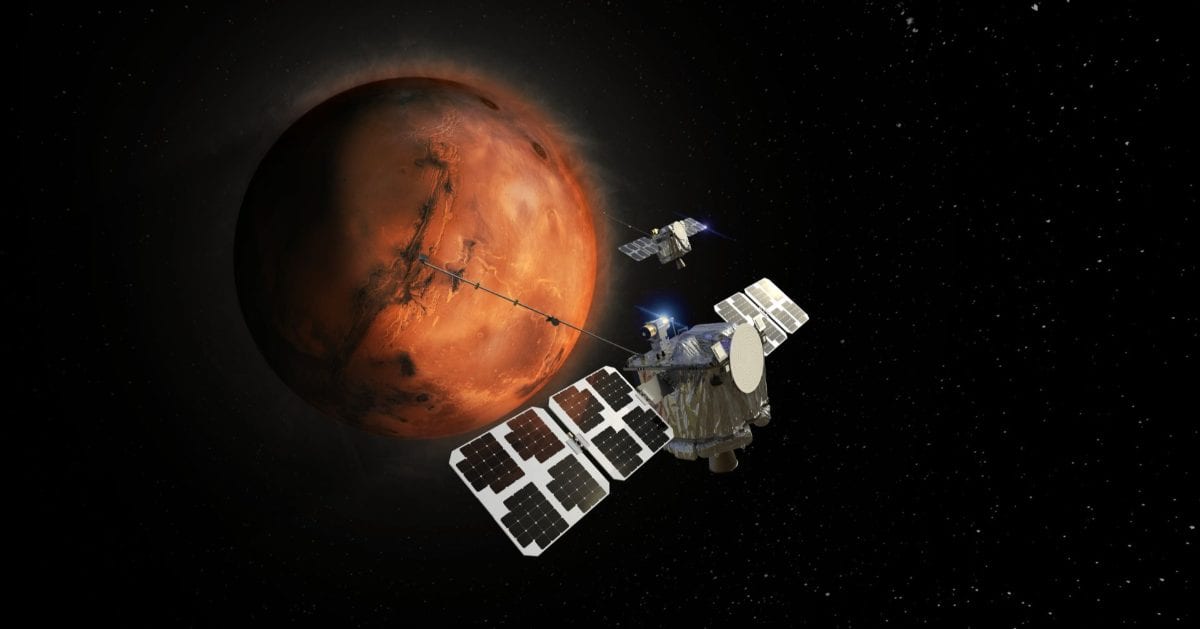
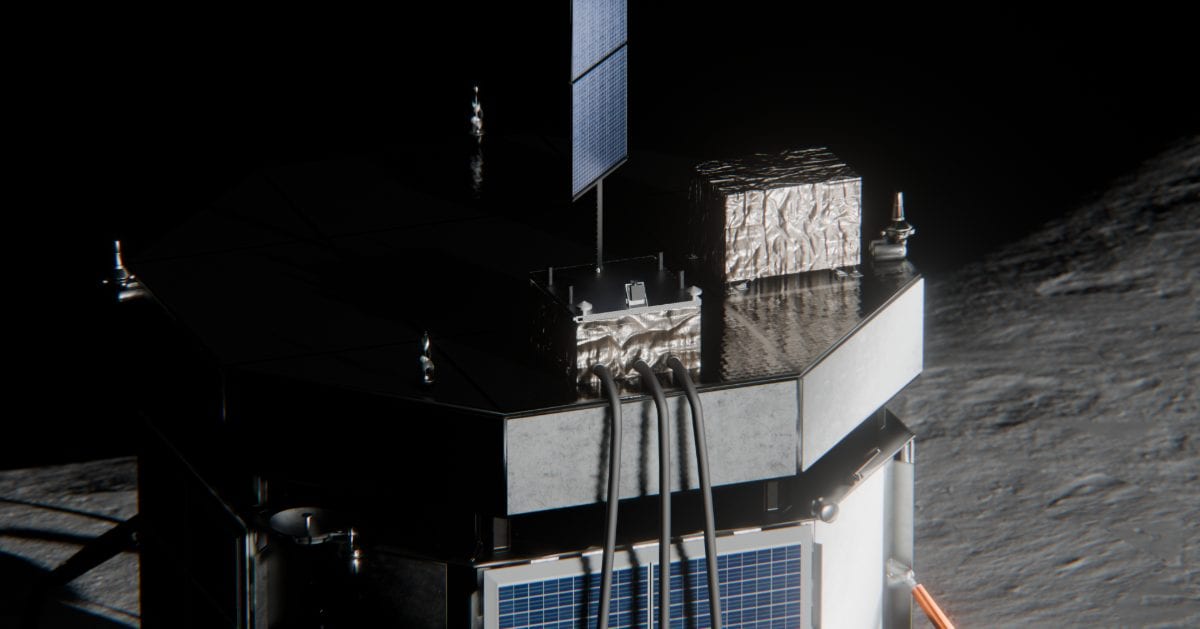
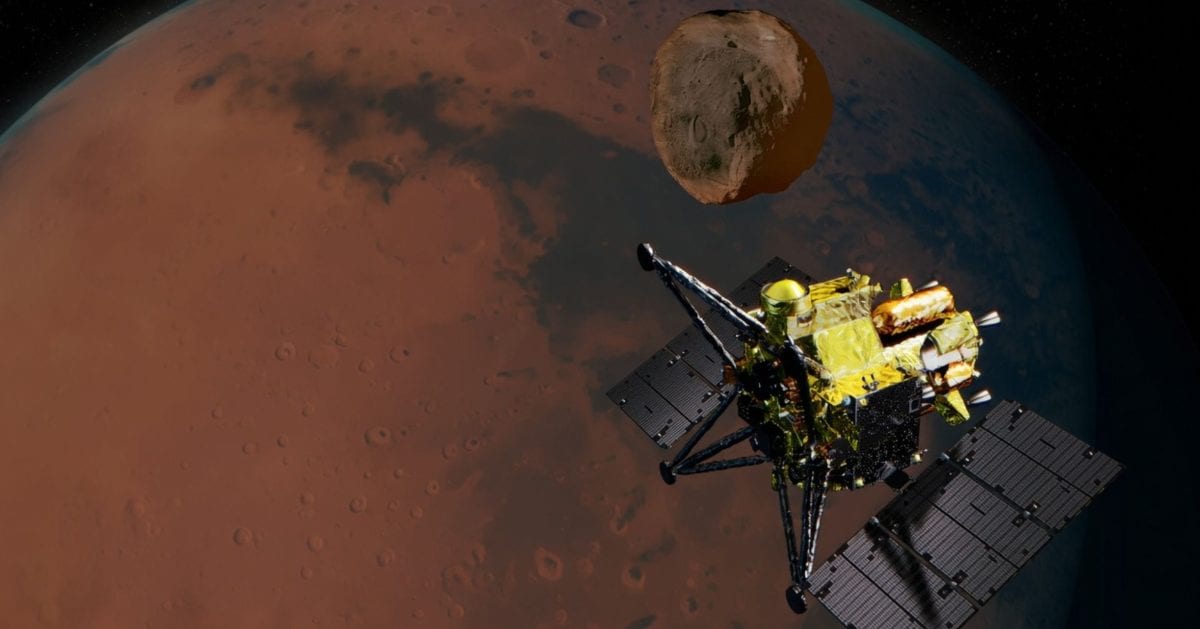
Katalyst Space's LINK spacecraft re-entered Earth's atmosphere earlier this month after having failed to boost the orbit of NASA's Neil Gehrels Swift Observatory. And while that means NASA will have to bid goodbye to the 22-year-old observatory earlier than they would've ideally liked, the agency is trying to look at the bright side of things. "While we’ll be sad to see Swift’s mission come to a close, we knew this boost effort would be valuable to the agency on multiple levels—advancing U.S. spacecraft servicing technology, challenging us to meet unprecedented mission timelines, and testing how we operate satellites to extend their time in low Earth orbit," said Shawn Domagal-Goldman, the director of NASA's Astrophysics Division, in a statement.
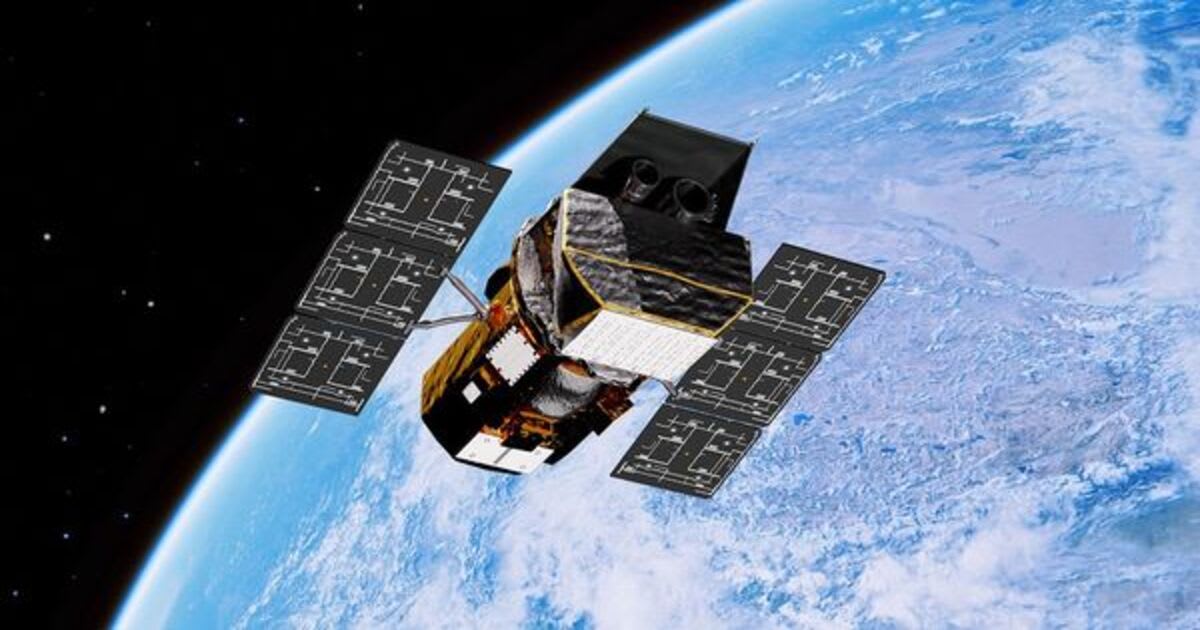
NASA launched Swift in 2004, with the objective of studying gamma-ray bursts (GRBs). Besides GRBs, which are the most powerful known explosions in the universe, it has also looked into comets, asteroids, and even distant black holes since becoming operational. But as is the case with all spacecraft operating in low Earth orbit, Swift had been steadily losing its altitude because of the drag from our planet's atmosphere. A period of increased solar activity magnified this effect on Swift, with estimates suggesting that it would re-enter Earth's atmosphere later this year. This is where Katalyst Space's $30 million LINK mission came in.
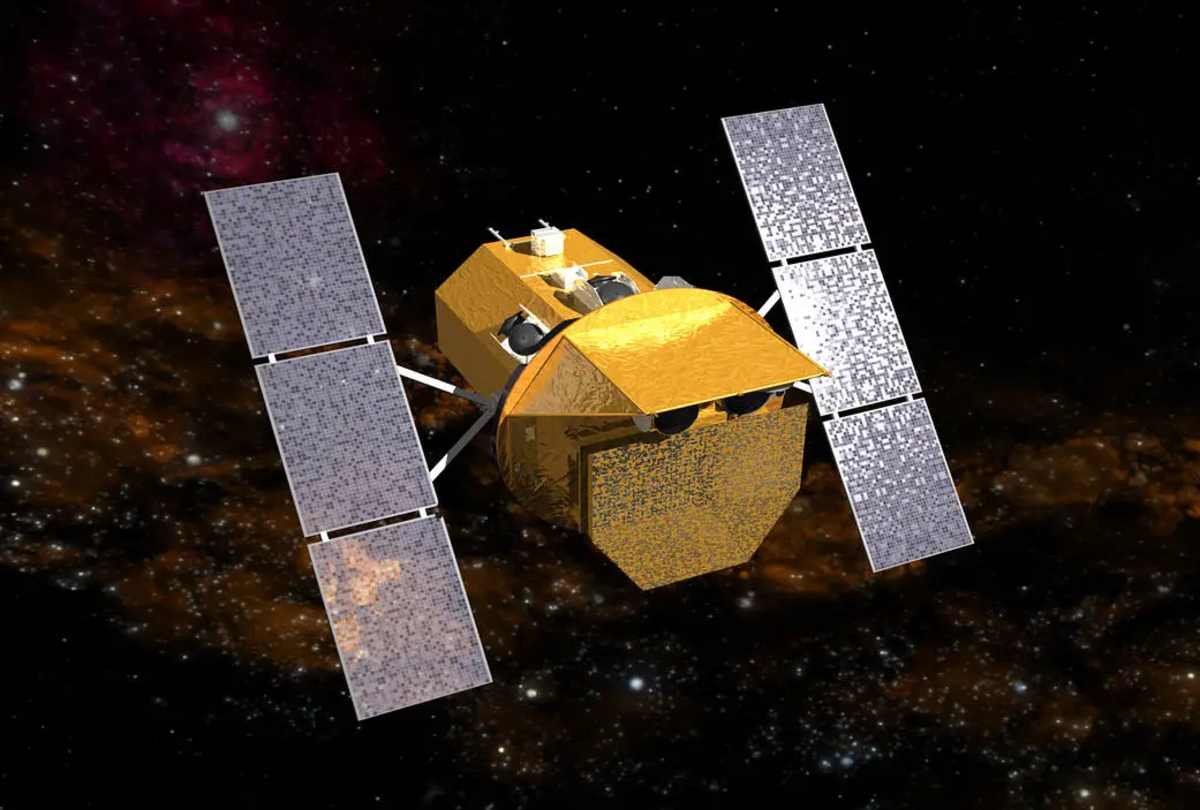
NASA turned to the Arizona-based company in September 2025, giving it less than a year to mount a servicing mission for a spacecraft that was never designed to be serviced. "This was an ambitious mission on an aggressive timeline. While we did not accomplish every objective we set out to achieve, in less than a year we went from mission concept to launching and operating the first commercial space robot. This is a foundation we can build on," said Katalyst's CEO Ghonhee Lee.
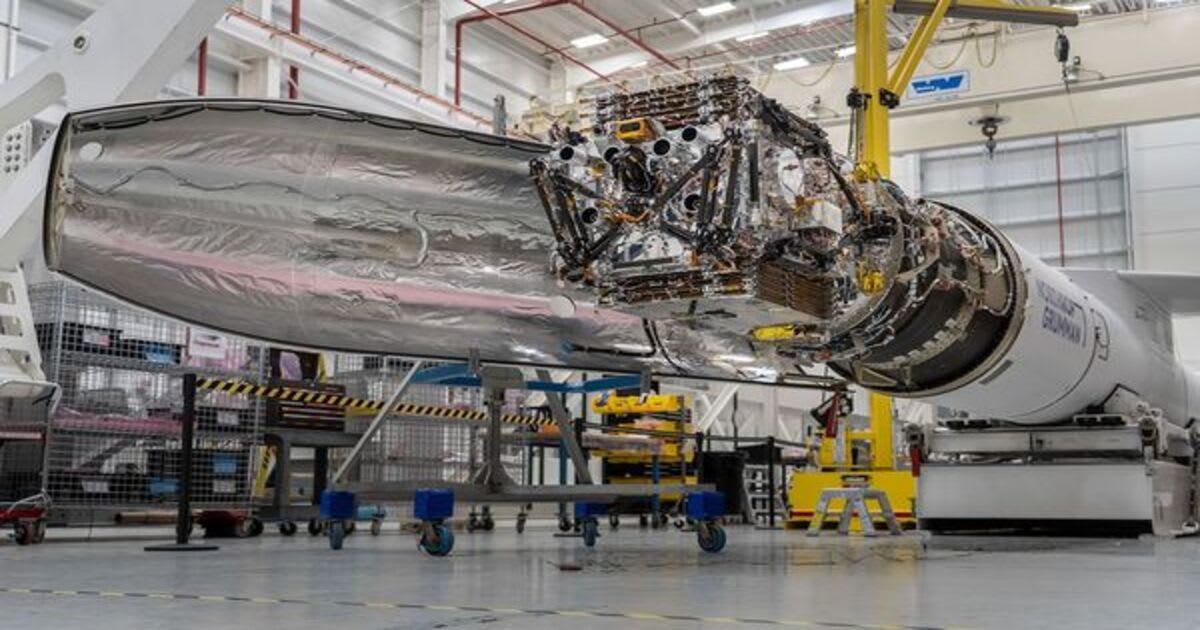
While LINK was being developed, Swift's team was trying to prevent the spacecraft from dropping to the critical altitude of approximately 185 miles (300 kilometers), which would have made the rescue attempt even trickier than it was already proving to be. In December, the team replaced around 25% of Swift's targets with those that would result in less atmospheric drag on the spacecraft. By February 2026, the team had switched completely to this low-drag strategy.
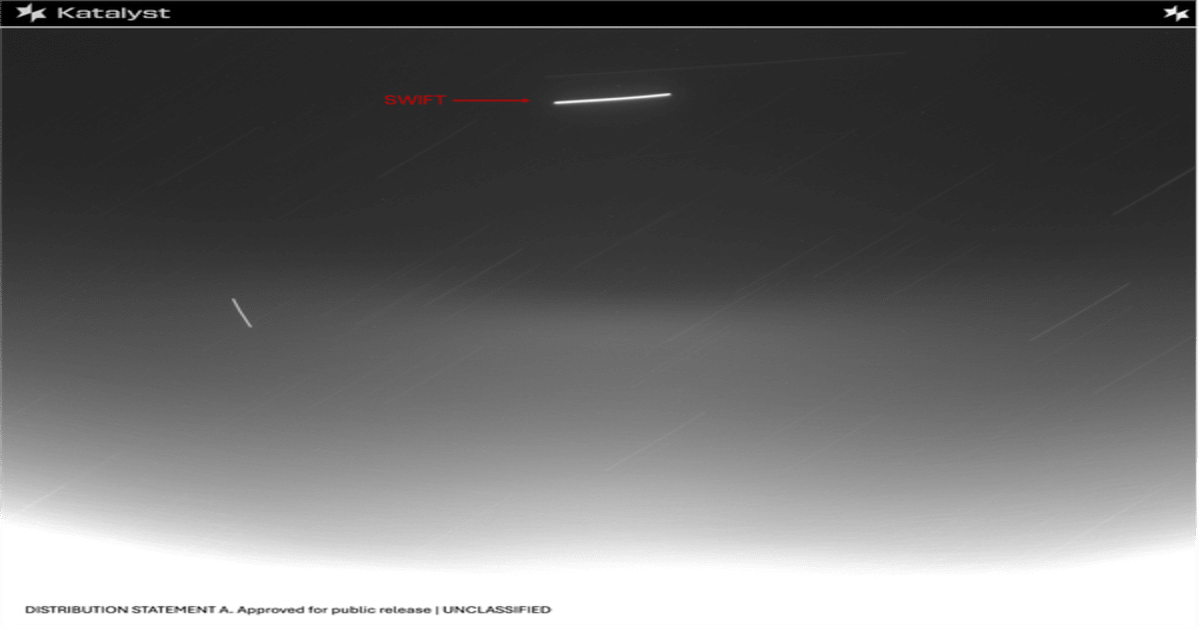
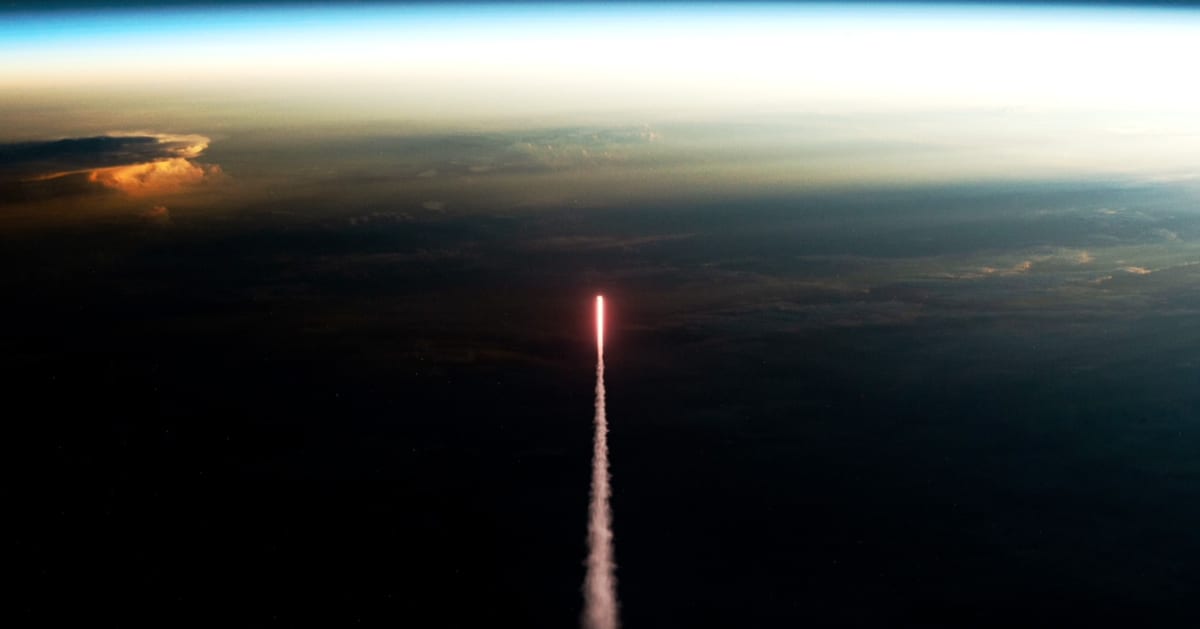
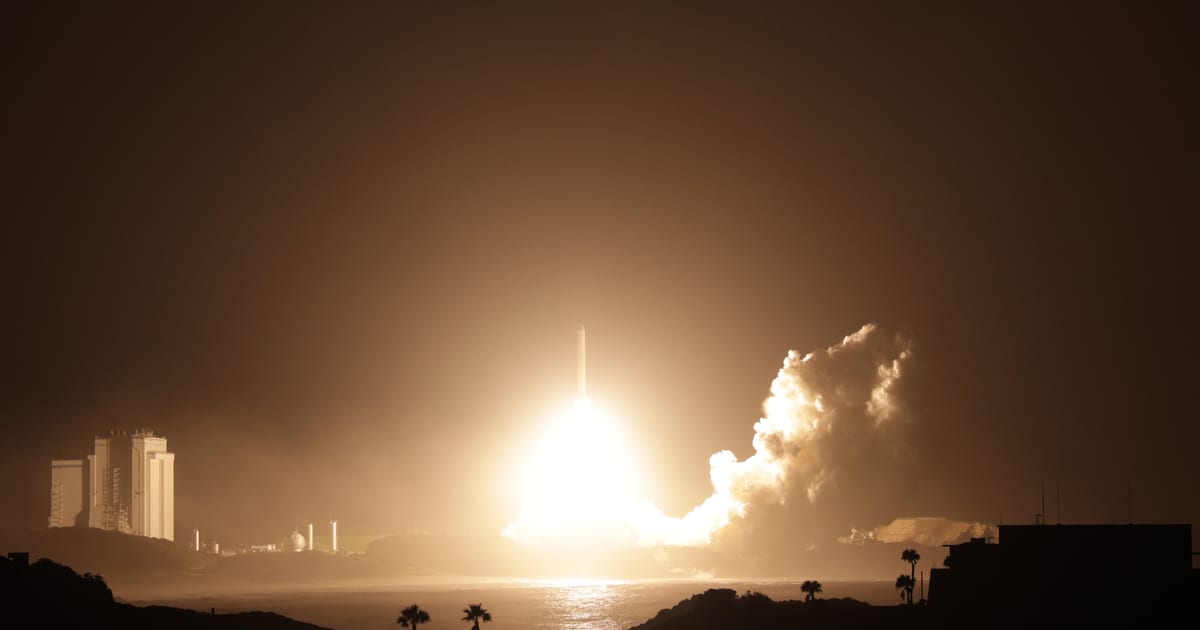
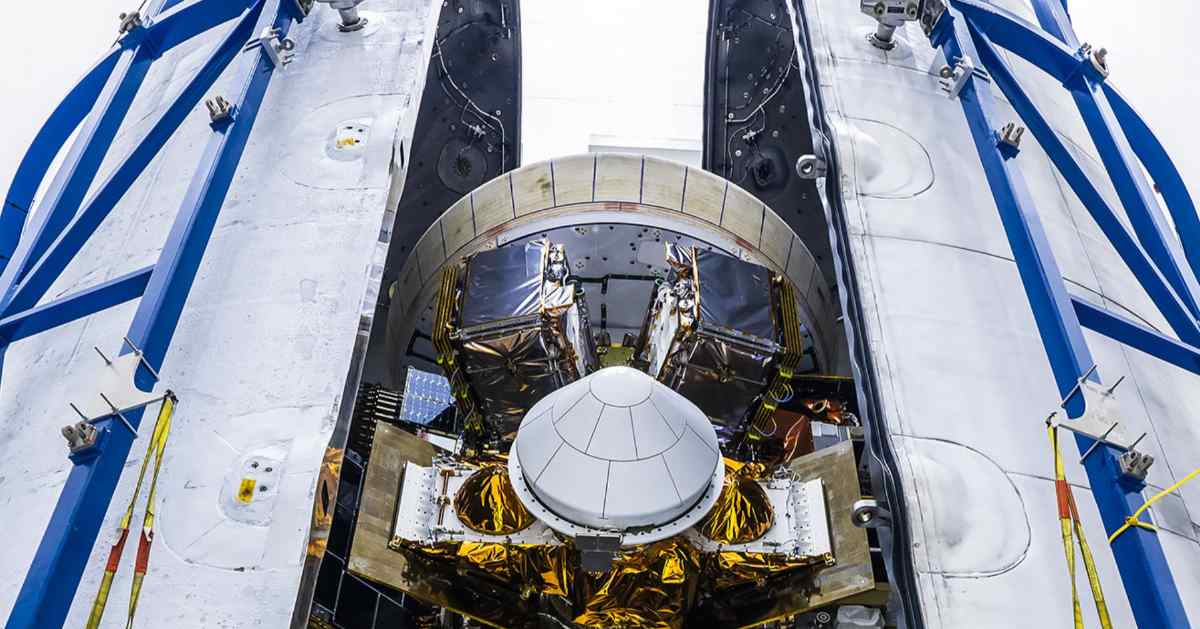
LINK had its unconventional lift-off from the Marshall Islands in July after several delays. However, after going through an initial round of checkouts, it started experiencing issues with communication and orientation control, with NASA and Kalalyst ultimately deciding to not go forward with its primary mission. They chose to focus on technology demonstrations instead, which saw LINK coming within around 7-9 miles (12-15 kilometers) of Swift, taking imagery, and exercising its xenon thrusters as well as its three flexible robotic arms that were designed to grab a hold of Swift. LINK's time in space came to an end on September 25, when it re-entered Earth's atmosphere.
More on Starlust
Google’s AI chips are heading to space on a SpaceX Falcon 9: Date, time and key details