NASA's MEGANE instrument will act as 'eyeglasses' to study Phobos in JAXA's MMX mission
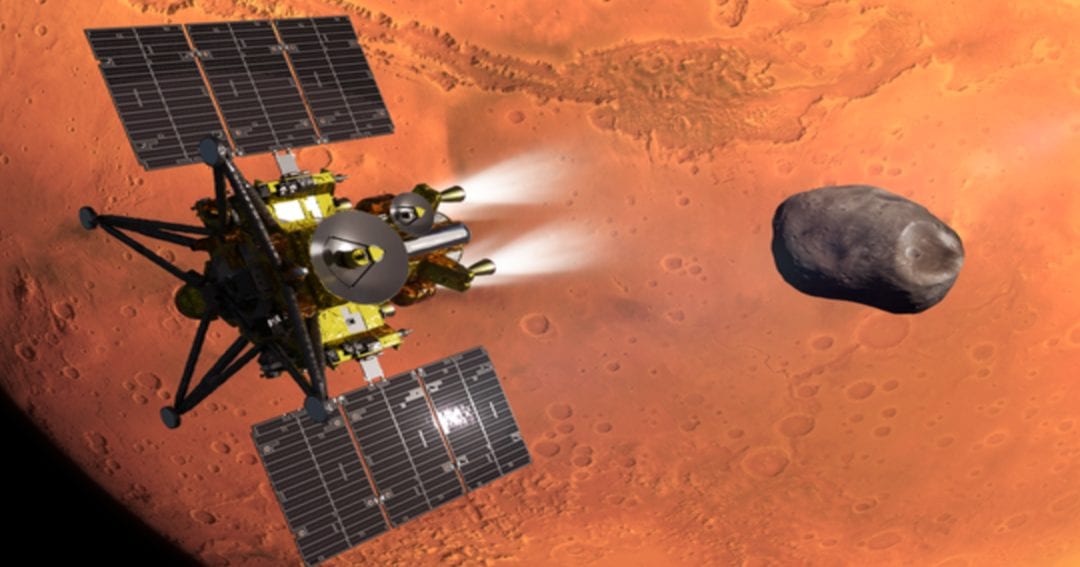
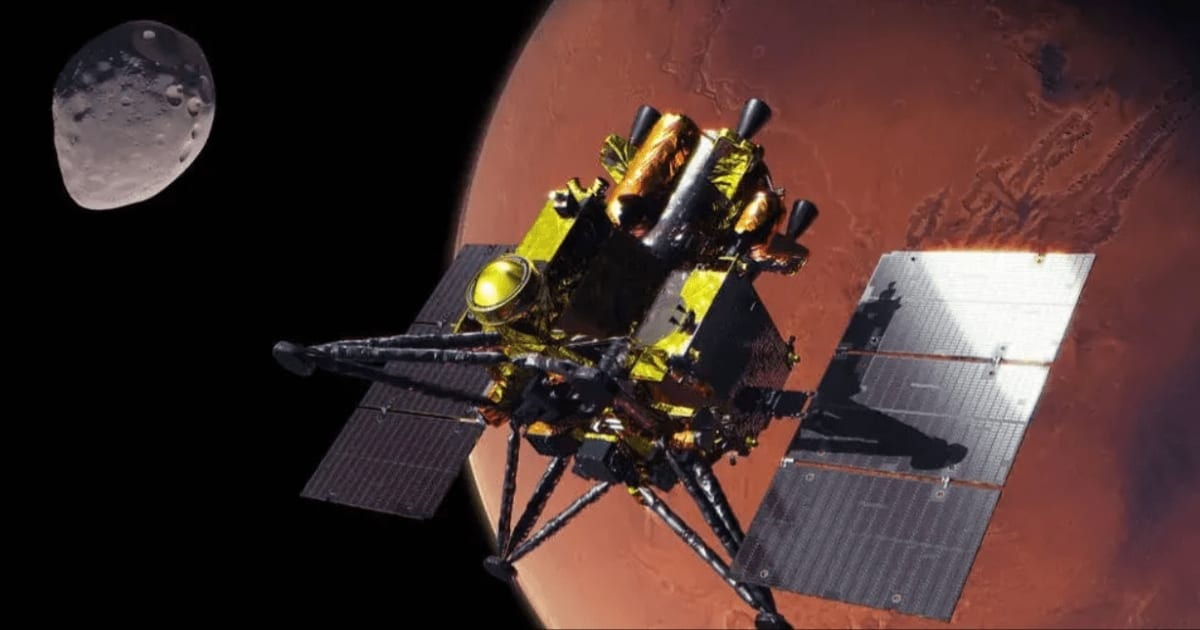
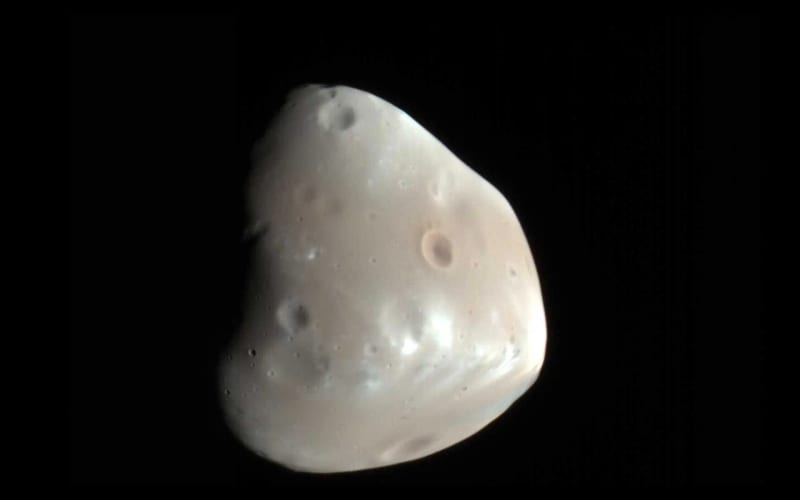
The nature of the two moons of Mars, Phobos and Deimos, still remain a big enigma for scientists. Researchers have two competing theories: these moons are asteroids captured by Mars' gravity, or they formed from debris left behind after a collision between Mars and another large object. To try and solve this mystery, NASA is contributing an instrument called MEGANE (Mars-moon Exploration with GAmma rays and NEutrons) to Japan's upcoming Martian Moons eXploration (MMX) mission, which aims to shed light on the origins of these moons.
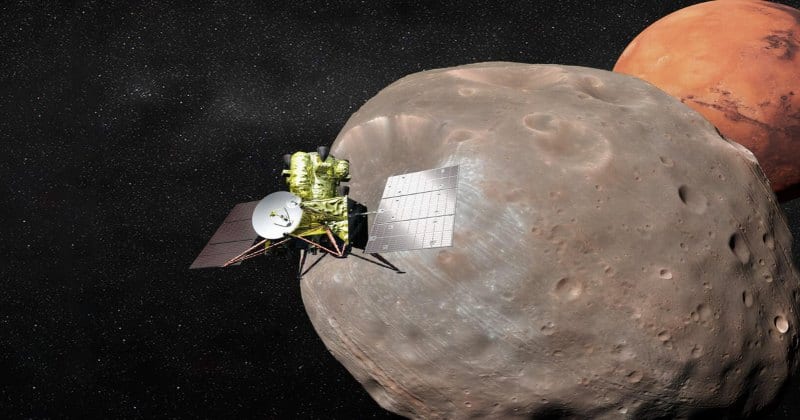
JAXA's MMX mission to explore Martian moons
The Japan Aerospace Exploration Agency (JAXA) is scheduled to launch the Martian Moons eXploration (MMX) mission on October 19, 2026, at 3:41 p.m. EDT (4:41 a.m. local time on October 20) from the Tanegashima Space Center. The spacecraft is expected to reach the Martian system in August 2027 and conduct a detailed survey of its two moons, Phobos and Deimos.
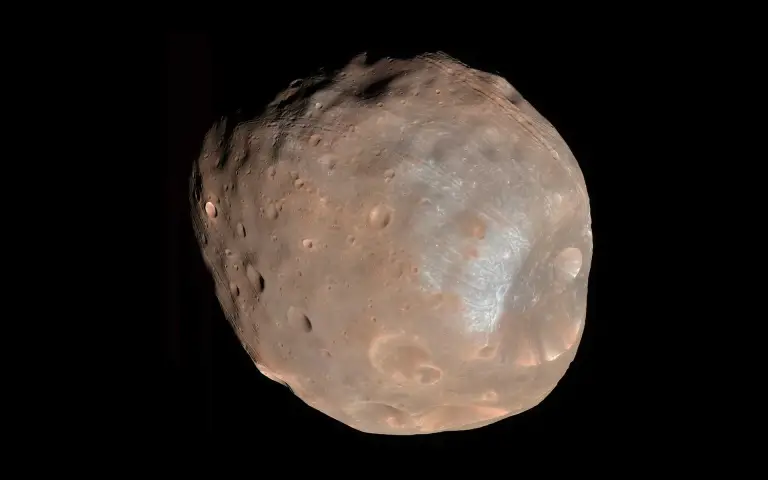
As part of the mission, the spacecraft will collect samples from the surface of Phobos and return them to Earth. Meanwhile, NASA's MEGANE instrument—which literally translates to eyeglasses in Japanese—will measure neutrons and gamma rays emitted from Phobos' surface to help scientists identify the chemical elements present there. As part of the agreement, NASA will also receive about 15% of the samples brought back from Phobos for preservation and study at its Johnson Space Center in Houston.
“The samples from MMX will bring forth paradigm-shifting science on the Mars system for generations to come, especially as NASA prepares to send the first humans to Mars,” Nicky Fox, associate administrator for the Science Mission Directorate at NASA Headquarters in Washington, said in a statement. “The NASA-JAXA sample curation partnership is extremely valuable, and I am proud that NASA Science is supporting MMX sample curation and will be sharing portions of these samples for study as we continue to expand humanity’s understanding of the universe for the benefit of all,” she added.
How MEGANE will study Phobos
The Johns Hopkins Applied Physics Laboratory developed MEGANE for the mission, and the instrument is designed to detect emissions produced when high-energy cosmic rays bombard a moon's surface. Scientists will study these emissions to learn which chemical elements are present on Phobos.
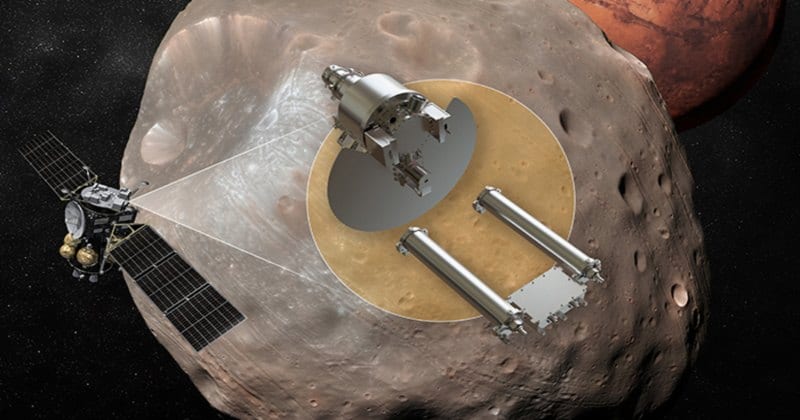
MEGANE has two detectors that will take different measurements. One is a gamma-ray spectrometer, which will measure the energy of gamma rays. Since different elements emit gamma rays with specific energies, these measurements can help scientists identify the elements present on Phobos and estimate their abundance. On the other hand, the neutron spectrometer in MEGANE will measure neutrons at different energy levels, which will help scientists understand the hydrogen content of the surface material. Scientists will combine the data collected from these two detectors to glean insights into the composition of Phobos' surface, and the measurements could help evaluate the two competing theories about how the moons formed.
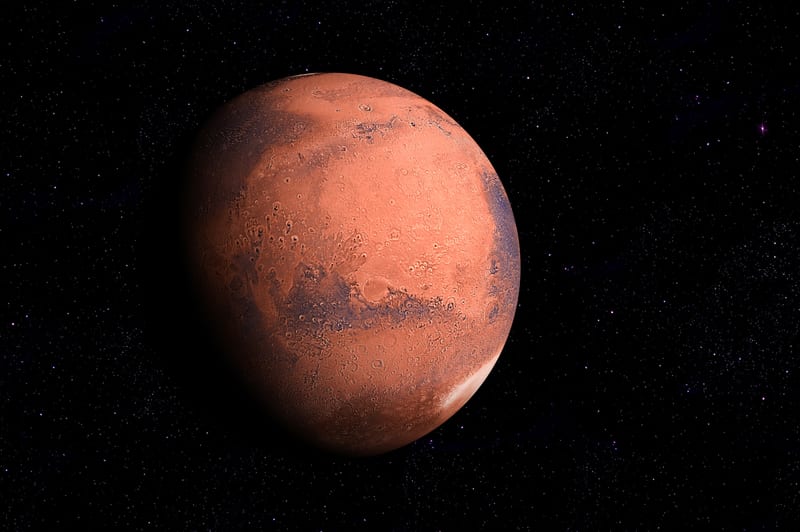
“Phobos and Deimos may be the remains of a massive impact on Mars that sent material into orbit around the planet, or they could be ancient asteroids that were captured by Mars’ gravity billions of years ago,” Tom Statler, MMX program executive and program scientist at NASA headquarters, said. “Having the answer will help illuminate that early era when Earth and the other inner planets may have been acquiring much of their water and organic compounds,” he added.
We've studied the moons of Mars from Earth, from orbit, and even in the sky as seen from the surface. (This view comes from the Curiosity rover.) Now, the @JAXA_en MMX mission will see them up close, and even bring a sample home. NASA will be assisting each step of the way. 1/2 https://t.co/taPHAWIGv5
— NASA Mars (@NASAMars) October 15, 2026
As part of its survey of the two Martian moons, the MMX mission will also deploy a French-German rover named Idefix on Phobos. After collecting samples from Phobos, the Japanese spacecraft is expected to return to Earth in 2031, marking the first ever Martian moon sample return.
More on Starlust
Japan’s historic first Martian moon sample collector to launch for Phobos on October 19
NASA’s Perseverance rover breaks off-world driving record after covering over 28 miles on Mars