NASA and CSA astronauts prepare for two spacewalks to upgrade ISS solar array—date, time and other details
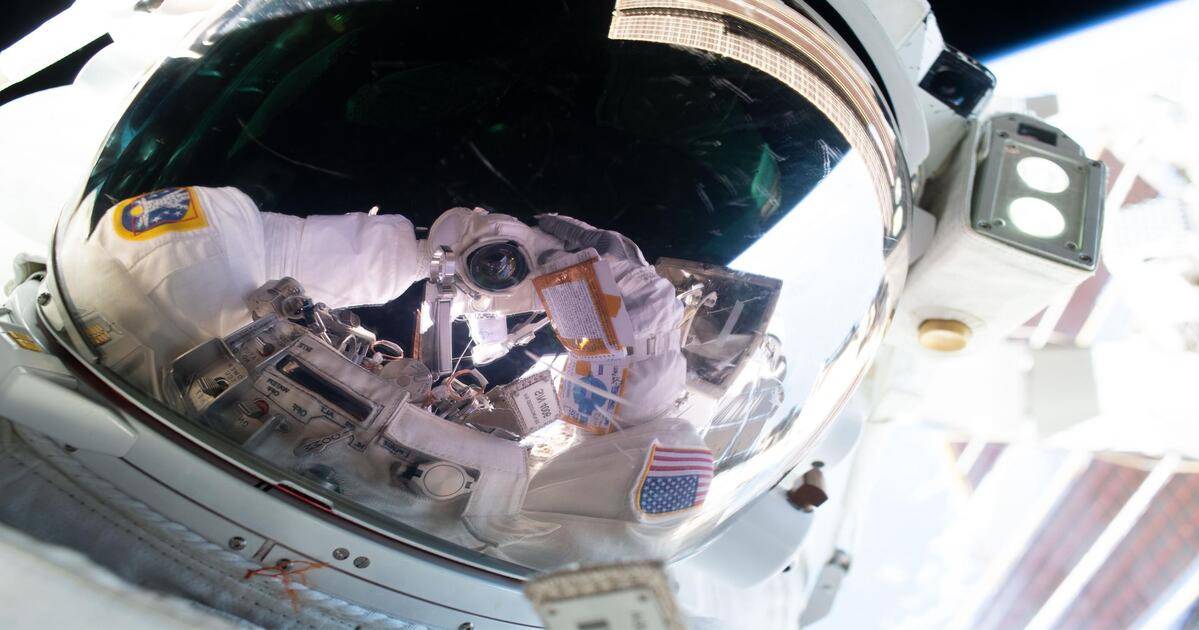
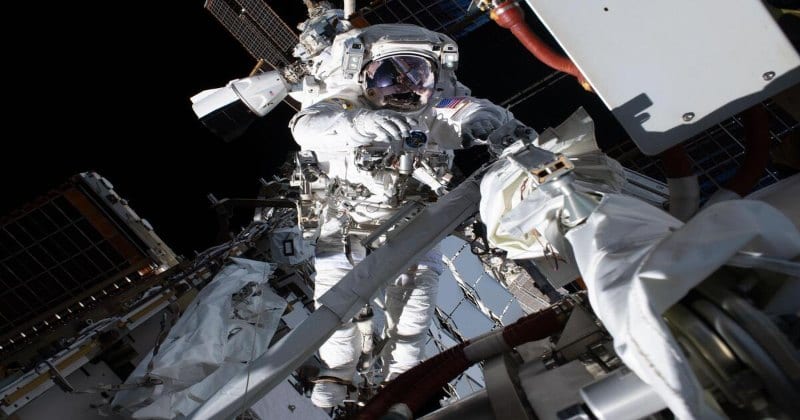
NASA astronaut Anil Menon and Canadian Space Agency (CSA) astronaut Joshua Kutryk are preparing for two upcoming spacewalks to upgrade solar power system of the the International Space Station (ISS). The spacewalks are scheduled for October 29 and November 5, and will involve installing the final two roll-out solar arrays, which could increase the ISS's power-generation capacity by up to 30%. These two spacewalks will also mark U.S. spacewalks 100 and 101, respectively.
Meet the astronauts behind the upcoming ISS spacewalks
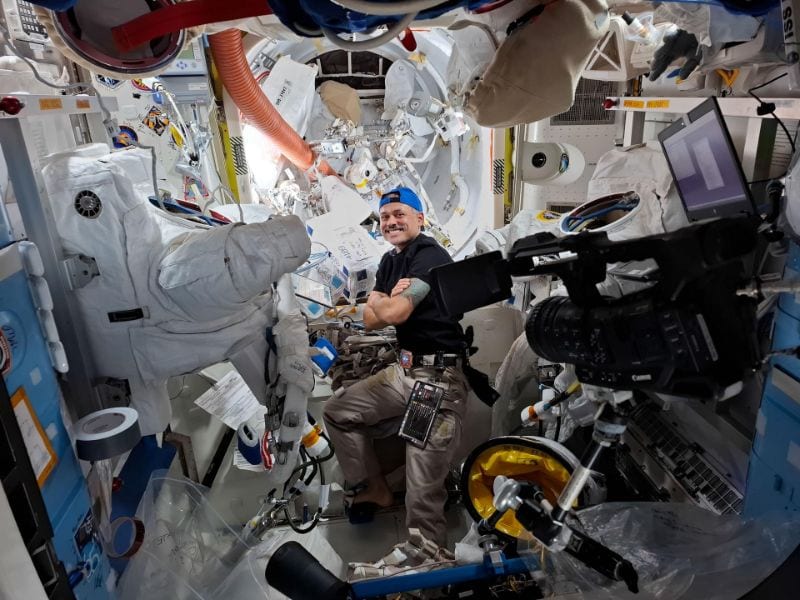
Menon and Kutryk are preparing for the upcoming spacewalks by checking their equipment and reviewing the procedures they will follow outside the ISS. According to NASA updates, the pair has organized tools in the Quest Airlock, inspected safety tethers, and cleaned their spacesuit helmets. They have also fitted their suits with necessary communication and health monitoring equipment to ensure that both systems function properly during the operation.
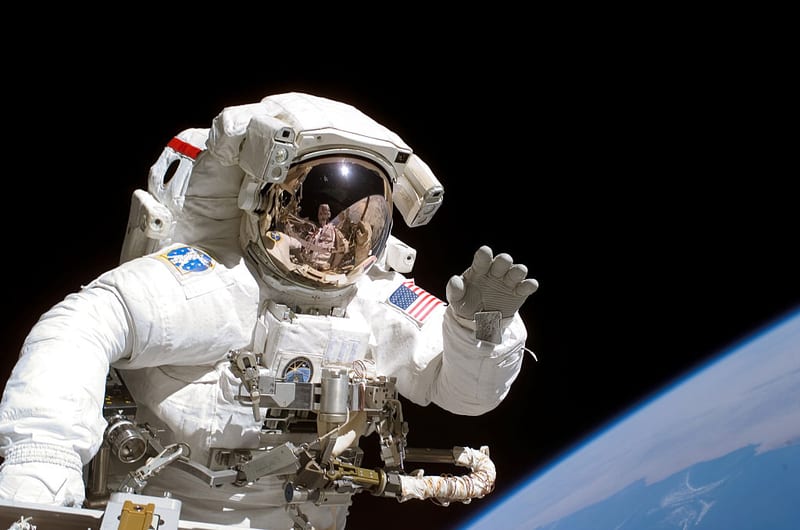
Although both astronauts are preparing for their tasks in orbit, they bring varying levels of experience to spacewalks. For Menon, this will be his fourth spacewalk. During his previous excursions, he helped prepare the station's power system for new solar arrays and replaced a space-to-ground antenna that supports high-speed communication between the ISS and mission control in Houston. Kutryk, meanwhile, will be performing his first spacewalk, and has gone through extensive training to prepare for working outside the station.
Besides the two astronauts, the operation will also involve CSA astronaut Jenni Gibbons and NASA astronauts Jessica Watkins and Luke Delaney, along with Canadian flight control and engineering teams on the ground. Gibbons will serve as the capsule communicator (Capcom), relaying instructions between ground-based experts and the ISS crew, while Watkins and Delaney will operate Canadarm2, the station's robotic arm.
Key dates for the upcoming spacewalks
The first spacewalk is scheduled for October 29, beginning at 8:00 a.m. EDT, with NASA+ coverage starting at 6:30 a.m. EDT. During this operation, the astronauts will install and deploy the station's seventh roll-out solar array on its 2A electrical power channel.
The second spacewalk is planned for November 5 and is scheduled to begin at 8:10 a.m. EST, with NASA+ coverage starting at 6:45 a.m. EST. This time, the astronauts will install and deploy the eighth and final roll-out solar array on the station's 3B electrical power channel to complete the planned solar array upgrades. Together, the two operations will also be the 285th and 286th spacewalks conducted in support of ISS assembly, maintenance, and upgrades.
Completing the ISS solar array upgrades
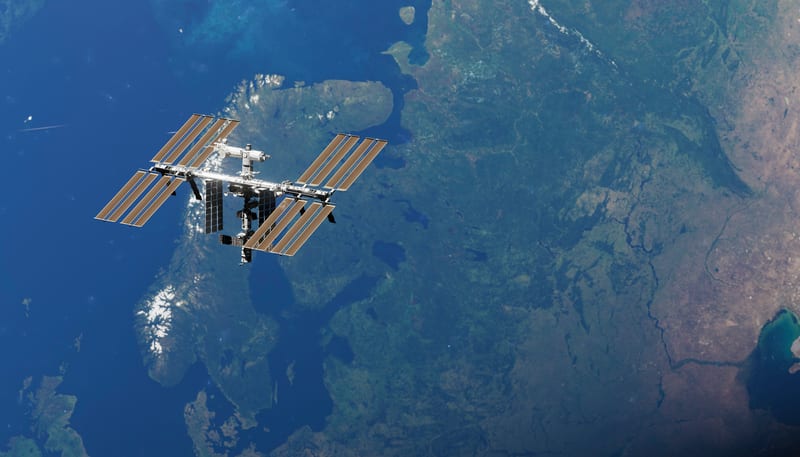
The ISS depends on electricity generated by its solar arrays to power its life-support systems, scientific experiments, and daily operations. However, the station's existing solar arrays have degraded over time, which is why they are being supplemented with new arrays.
Once the final two roll-out solar arrays are installed, the ISS's available power-generation capacity could increase by up to 30%, rising from around 160 kilowatts to approximately 215 kilowatts. This extra boost will support the station's daily operations and scientific experiments. It will also be important for the ISS's future operations, including its safe and controlled deorbit, planned for the end of this decade.
More on Starlust
Why do astronauts train underwater before going on spacewalks?