Northern Taurids meteor shower 2026 to bring fireballs as it peaks on November 11-12: Viewing tips
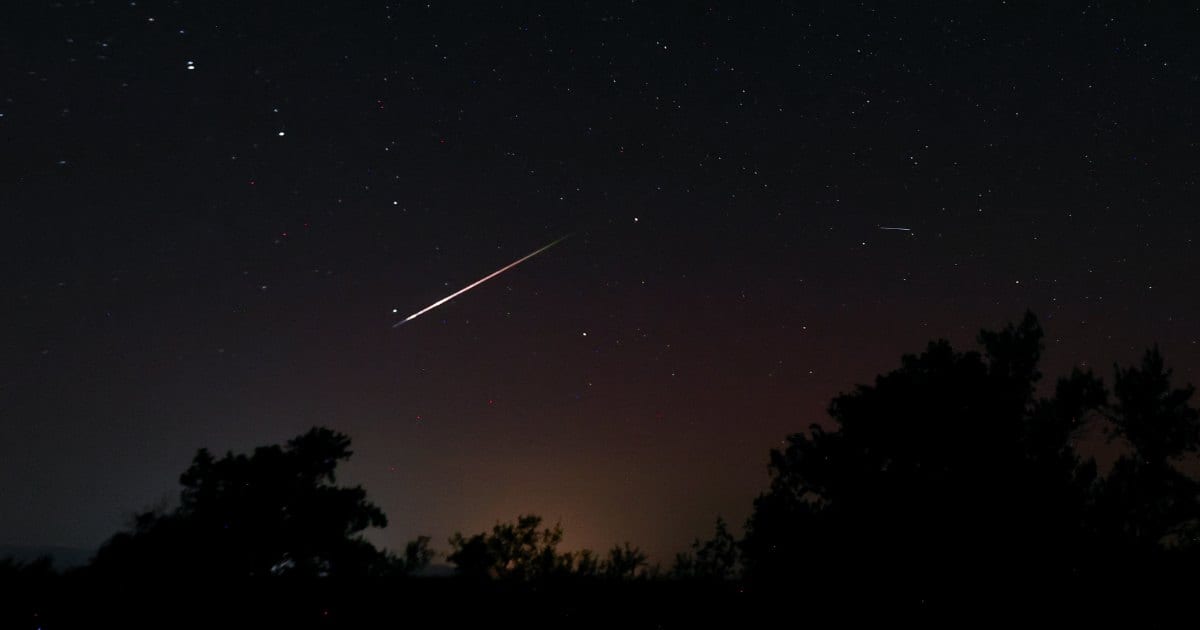
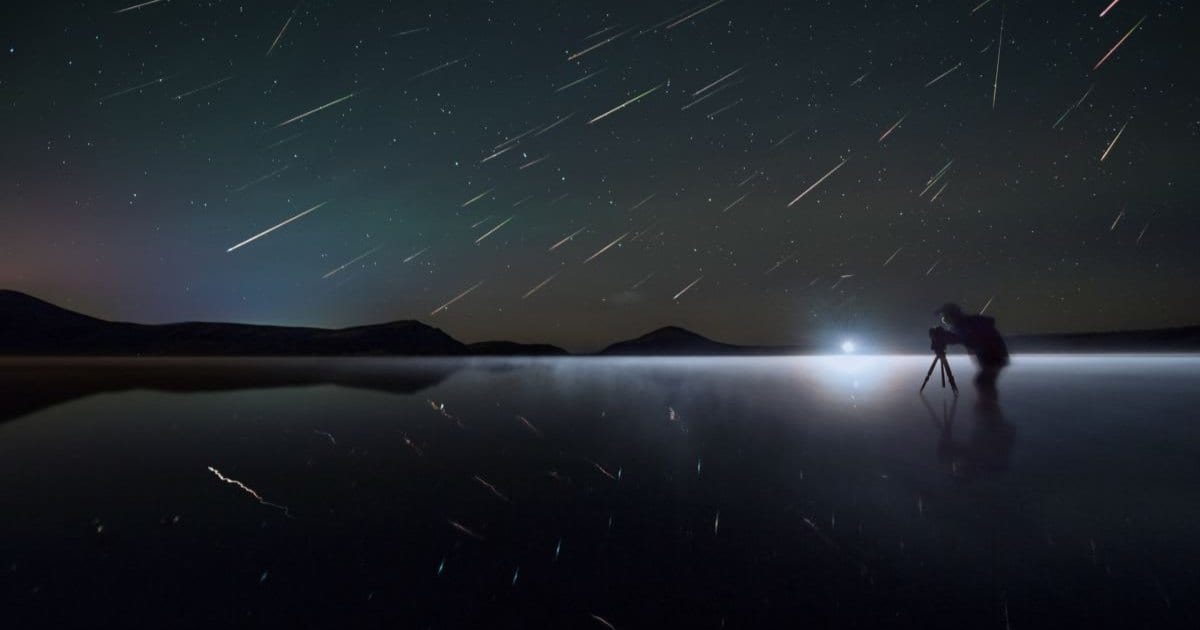
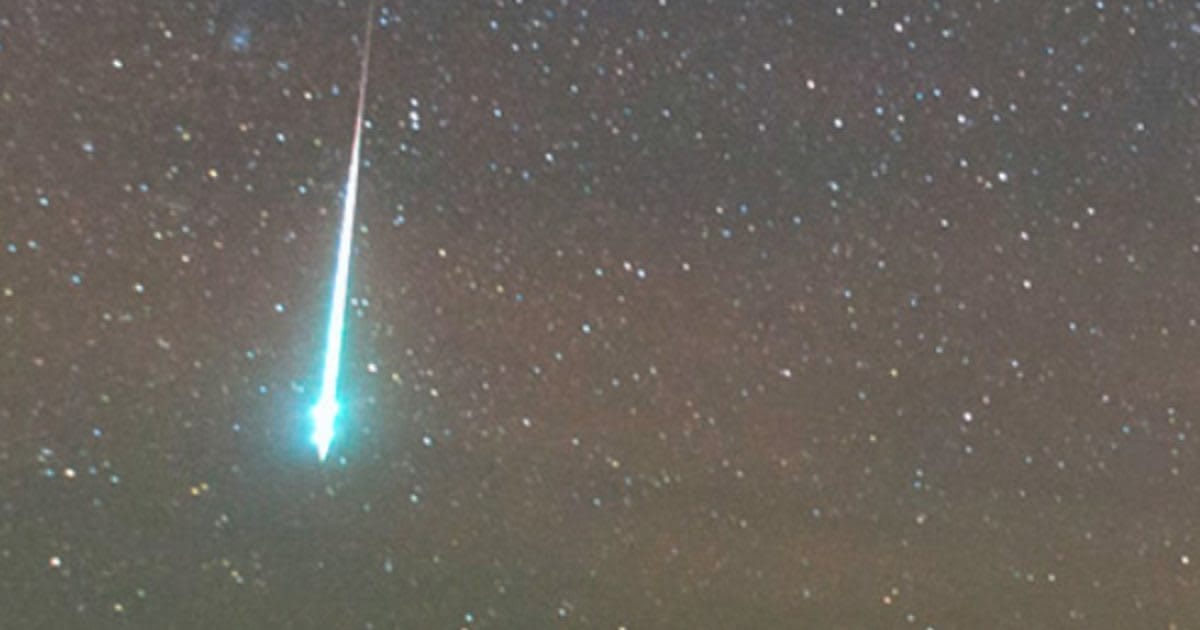
This year’s Halloween is parting with its last trick-or-treat—a cosmic one at that—with stargazers getting a chance to spot beautiful fireballs in the sky in the coming days. On November 11-12, the celestial event known as the Northern Taurid meteor shower is all set to paint streaks of light across the night sky. This shower, along with the Southern Taurids, are popularly referred to as Halloween fireballs due to their proximity with the festival. Below are all the details you need to plan your observations before heading out for a night under the stars in the coming week.
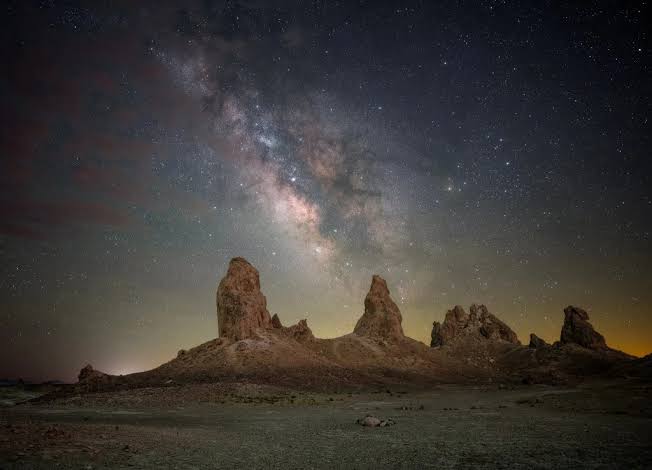
When and where to watch the Northern Taurid meteor shower
The Northern Taurid meteor shower remains active from October to December. According to the American Meteor Society, its peak is expected on November 12 in the Taurus constellation. The meteor shower is expected to produce around five meteors per hour at a speed of approximately 29 km/s. However, the number of meteors may vary depending on one’s location. The Northern Taurid meteor shower is relatively modest compared to high-volume showers such as the Geminids, but it is known for its slow-moving meteors and bright fireballs.
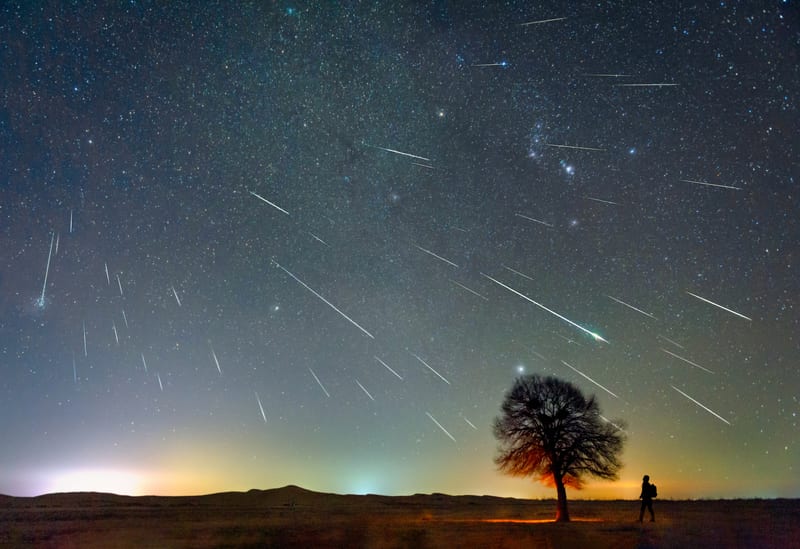
The upside here is that the illumination of the Moon on that day will be just three percent, meaning the viewing conditions will be particularly favorable for skywatchers. To make the most of this event, find a place where the sky is clear and dark, away from city lights.
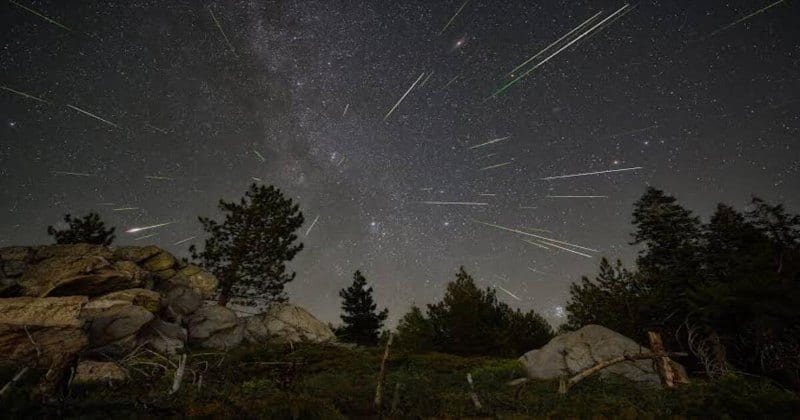
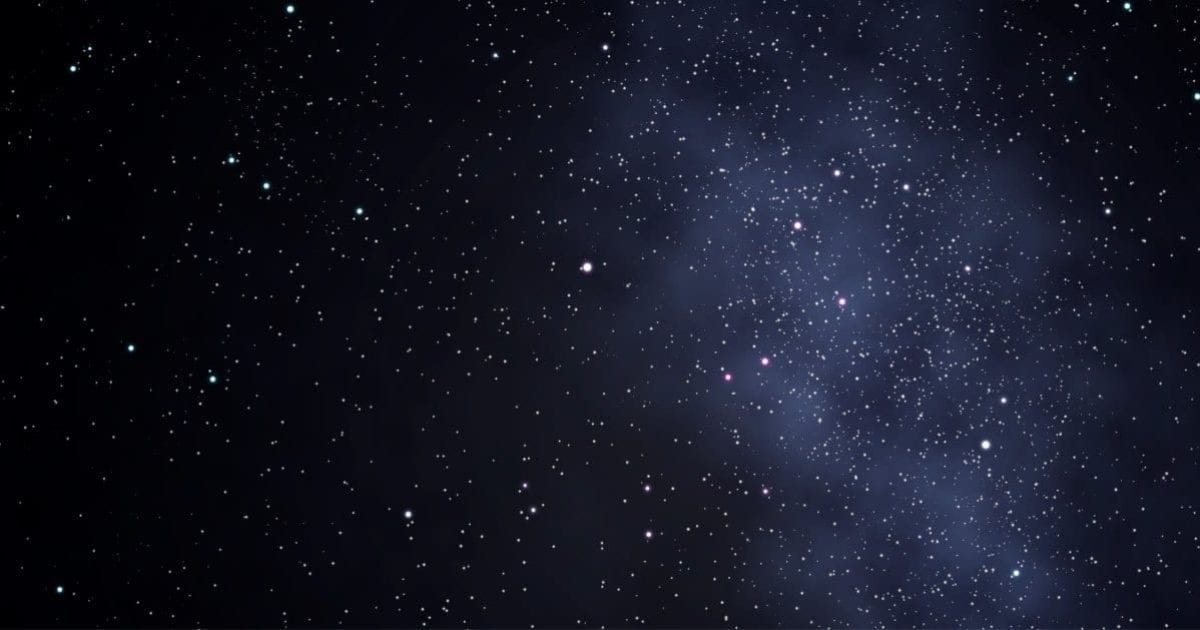
The Northern Taurid meteor shower will be perceptible from both the Northern and Southern hemispheres. But for a better view, stargazers in the Northern Hemisphere can fix their gaze towards the southern part of the sky as the constellation Taurus rises higher in the sky. However, you do not need to look directly at the Taurus constellation to spot the meteors. They can appear anywhere across the night sky. The best time to watch these meteor showers is from midnight until dawn.
Key dates and timings for the Northern Taurid meteor shower
The Northern Taurid shower can be visible across the night sky depending on the location. Below is the expected timeline that you can follow to plan your skywatching:
Country | City | Peak date | Best viewing time (local) |
|---|---|---|---|
United States | New York | November 12 | 10:12 p.m. to 2:42 a.m. |
Japan | Tokyo | November 13 | 7:14 p.m. to 4:44 a.m. |
Philippines | Manila | November 13 | 7:53 p.m. to 4:38 a.m. |
Australia | Sydney | November 13 | 11:03 p.m. to 3:38 a.m. |
India | Pune | November 12 | 10:00 p.m. to 5:00 a.m. |
South Korea | Seoul | November 13 | 8:03 p.m. to 5:38 a.m. |
Tips to watch the Northern Taurid meteor shower
Once you know when and where to look for the Northern Taurid meteor shower, you can make the most of the event by observing or capturing it. Here are a few ways to get started:
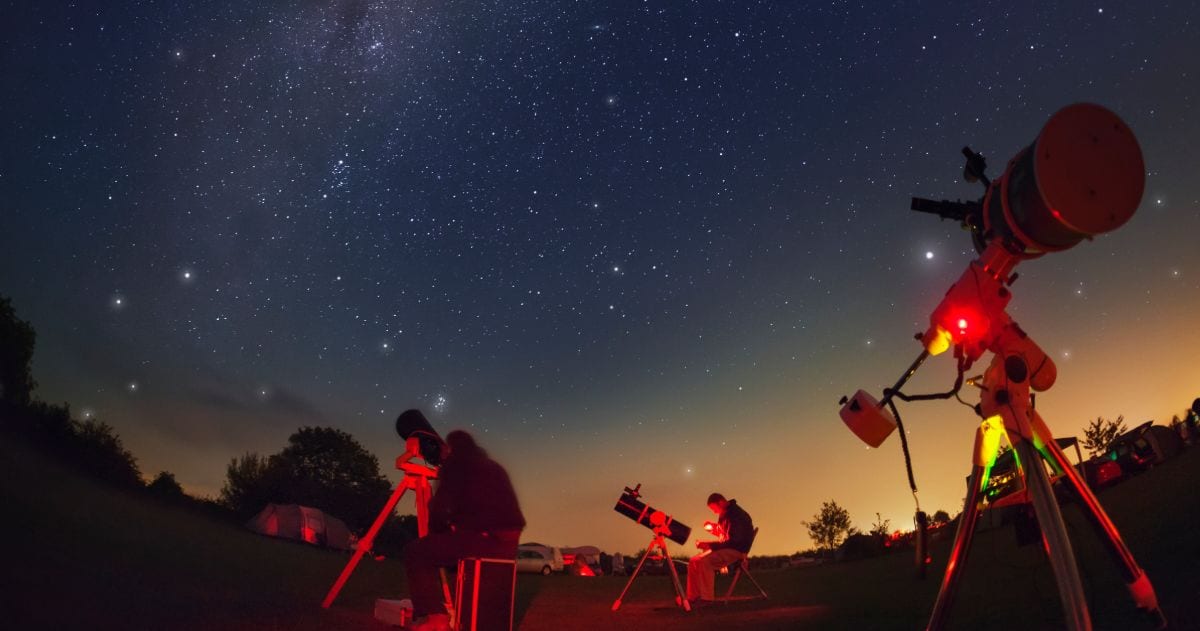
Find a location away from city lights and streetlights to get an unobstructed view of the meteor shower in the night sky.
Let your eyes adjust to the darkness for at least 20-30 minutes. Try to avoid looking at the bright screen of your cellphone to get the best view afterward.
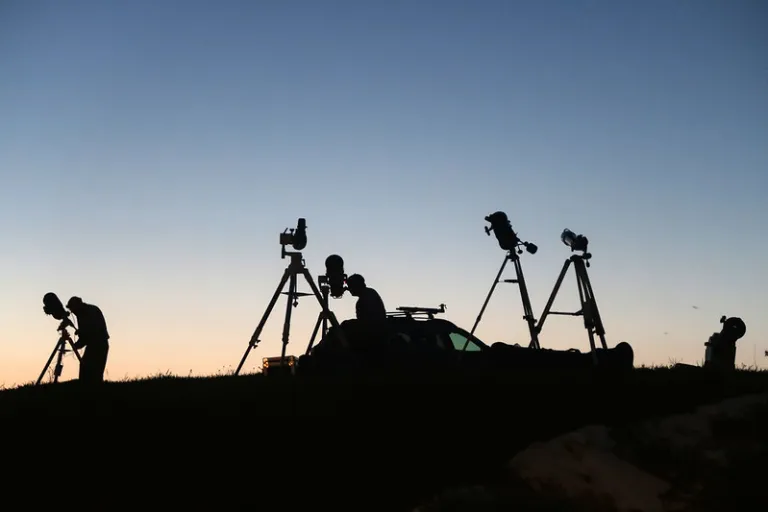
3. You do not need a telescope or binoculars to observe the Northern Taurid meteor shower. As it is visible across the night sky, you will be able to observe it with the naked eye.
4. As mentioned above, the Taurids produce only five meteors per hour under ideal conditions, so viewers should be patient while observing the night sky.
More on Starlust
Catch Venus shining at its brightest in November: Citywise timings in the U.S. for best views