Europe to build its own space station after the ISS? ESA begins new feasibility studies
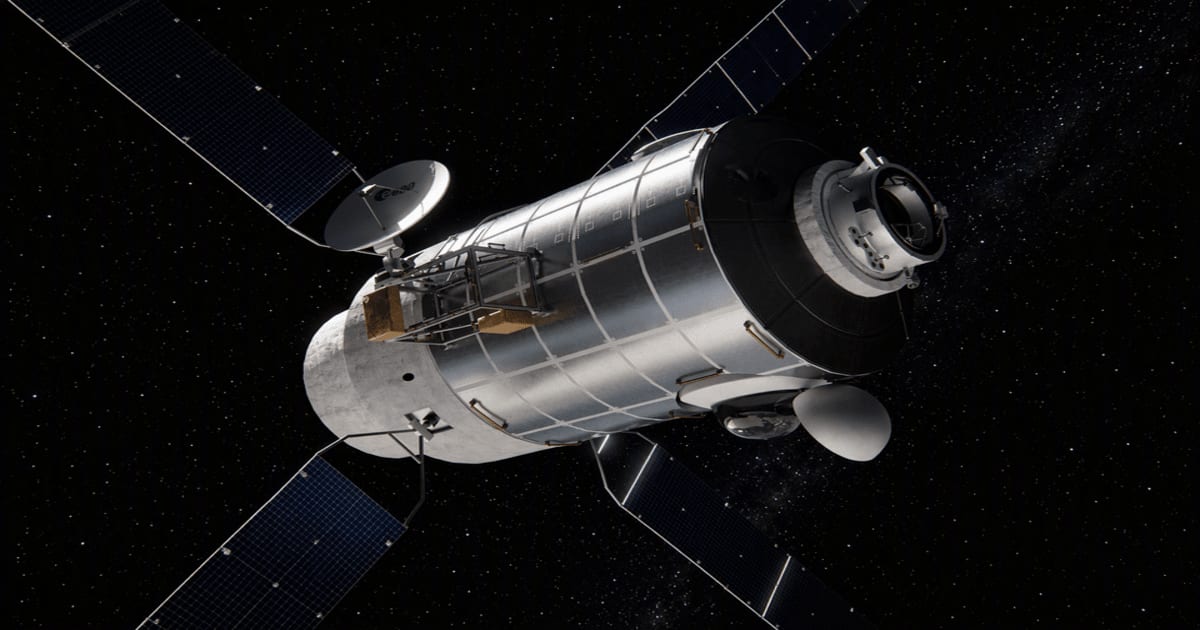
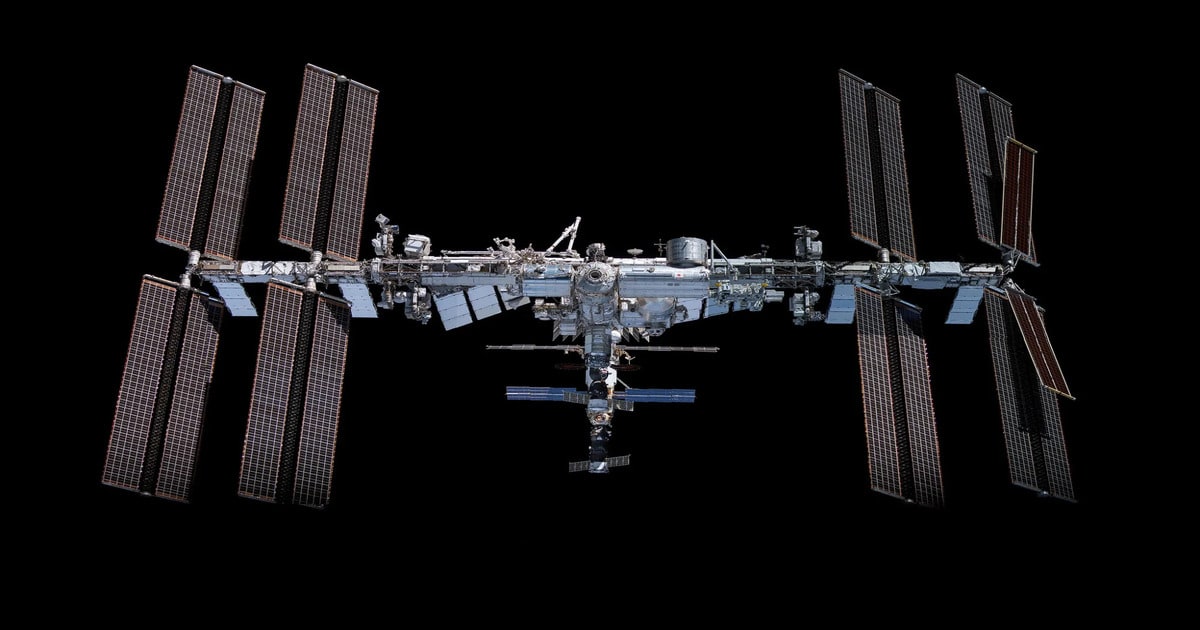
The lifespan of the International Space Station (ISS) is coming to an end soon and Europe is exploring the possibility of developing its own European-led orbital outpost for the post-ISS era. To that end, the European Space Agency (ESA) has started two studies that will assess how a future orbital station could support astronauts, scientific research, and new technology development in low Earth orbit (LEO).
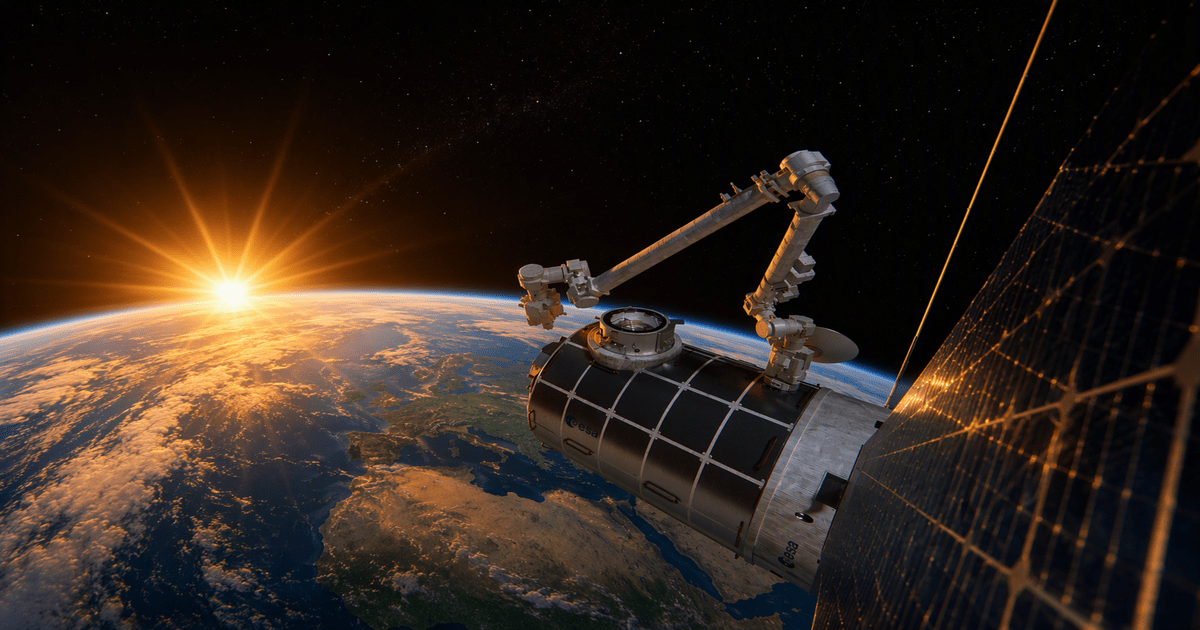
Its first component launched in November 1998, the ISS became operational in 2000, and has been continuously inhabited ever since, far surpassing its planned design life of 15 years. However, the station's age has started to show of late, with the ISS now requiring frequent and increasingly expensive repairs to keep it running. Given that the repair or replacement of some of the major modules cannot be carried out in orbit, NASA's plan is to use the station until 2030, after which it will undergo a controlled deorbit and reenter the atmosphere before safely splashing down in the South Pacific Ocean.
ESA brings in two European industrial teams
With the end of the ISS era looming, ESA has appointed two European industrial consortia to study the feasibility of a European-led orbital outpost. Among these, one team is led by Airbus Defence and Space, while the other is led by OHB. Both teams will study what kind of infrastructure, transportation, and services will be needed to develop and operate an orbital outpost. These studies started in June 2026 under ESA's European Exploration Envelope Programme (E3P) and will last nine months.
Europe already has experience building space infrastructure
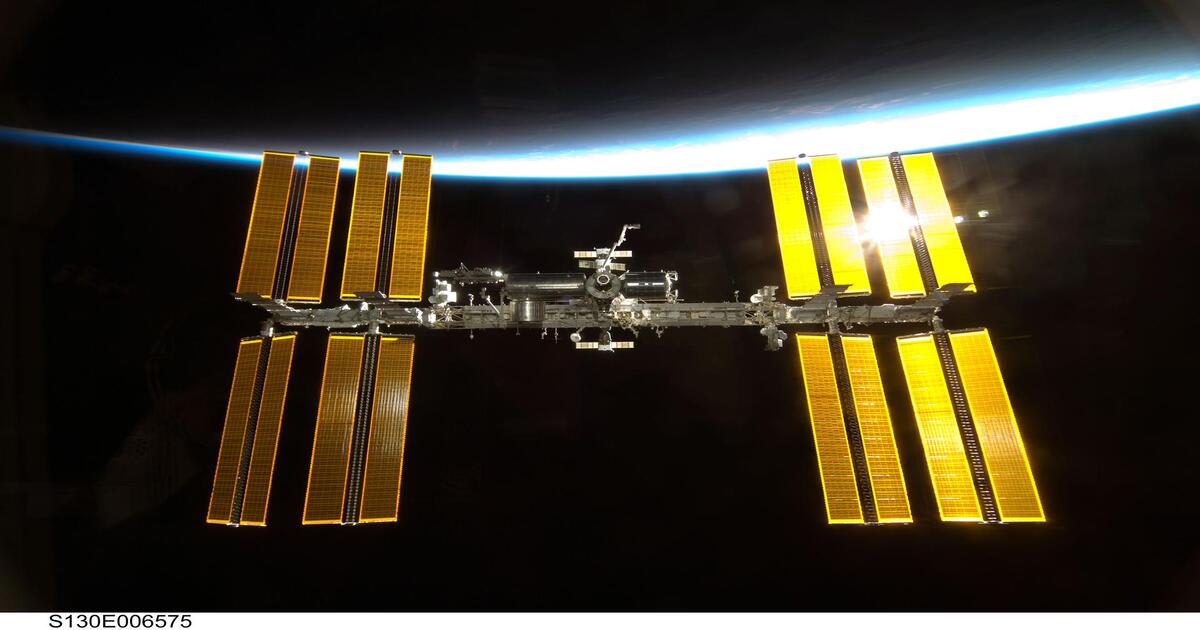
Europe is no stranger to spaceflight, having gained extensive experience through participation in the ISS program. ESA's single largest contribution to the ISS, the Columbus Laboratory, was launched and attached to the space station in February 2008. It remains operational to date and routinely conducts experiments in fluid physics, materials science, and life sciences. ESA also has made several other contributions to the ISS, including the panoramic, seven-window Cupola Observation Dome, the Harmony and Tranquility modules, and a robotic arm.
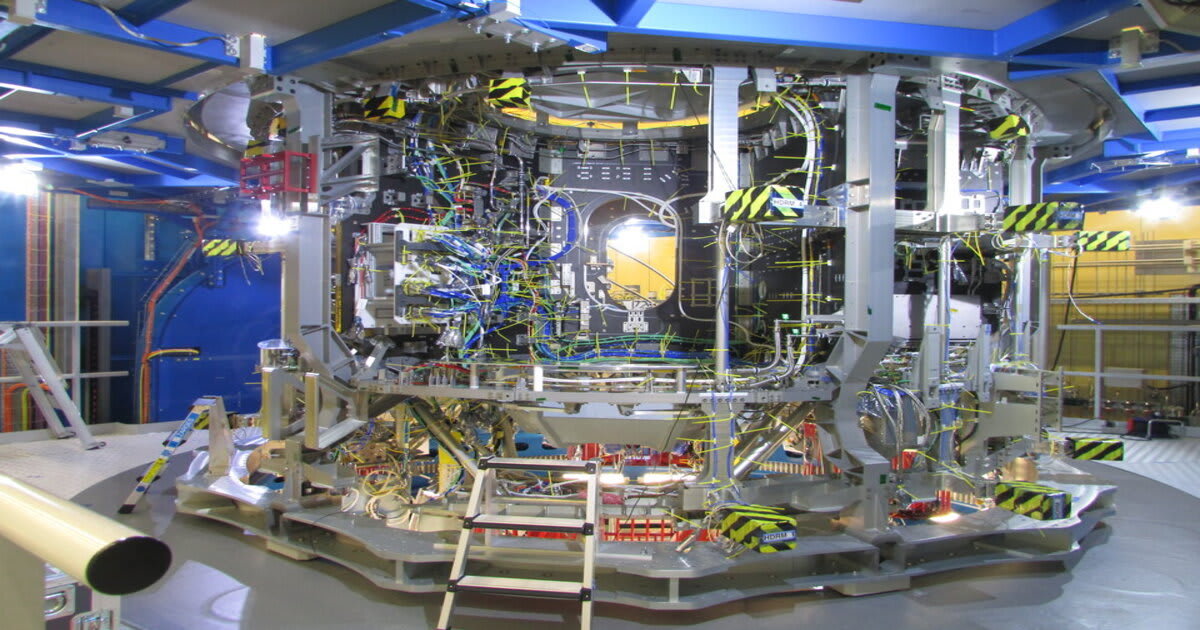
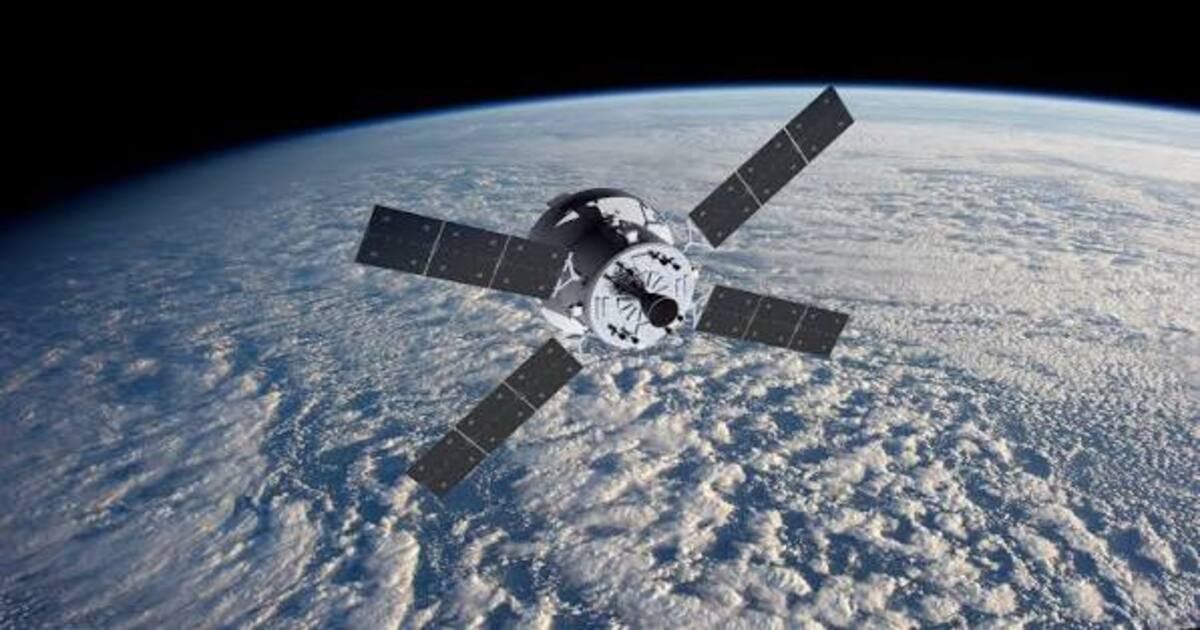
Another major contribution is the European Service Module for NASA's highly successful Orion spacecraft, which completed the Artemis I and II missions in 2022 and 2026, respectively. The module provides electricity, water, oxygen, and nitrogen to the spacecraft and supports it during Moon missions. This technology also has a connection to the Automated Transfer Vehicle (ATV) program, which helped bring supplies to the ISS and maintain the station's orbit. Besides this, ESA and European industries are developing their capabilities in areas such as life-support systems, habitation, robotics, and in-orbit servicing, the space agency said in a statement. This existing experience provides an important foundation for developing and operating a future European-led orbital outpost.
"Europe has built world-class capabilities in human spaceflight through decades of international cooperation. We are now facing the opportunity to shape our collective future while safeguarding the excellency of our engineers and industry,” said Daniel Neuenschwander, ESA’s Director of Human and Robotic Exploration.
ESA studies will shape the next steps
The two parallel studies are now in the Pre-Phase A stage, in which ESA will assess the technical and programmatic feasibility of a future European-led orbital outpost. At this stage, the studies will look at the station architecture, required technologies, industrial capabilities, and potential partnerships, and their findings will help the agency prepare for potential future program decisions. While nothing has been set in stone yet, these feasibility studies will provide ESA Member States with foundational information to consider the possible next steps for a European-led orbital outpost.
More on Starlust
Will Starliner get more missions to ISS after 2024 mishap? NASA will answer at live event tomorrow
Spacesuit checked: NASA’s Crew-12 astronauts wrap up 8-month stay ahead of departure from ISS