Don't miss the second Supermoon of 2026 in November: Date, city-wise timings and viewing tips
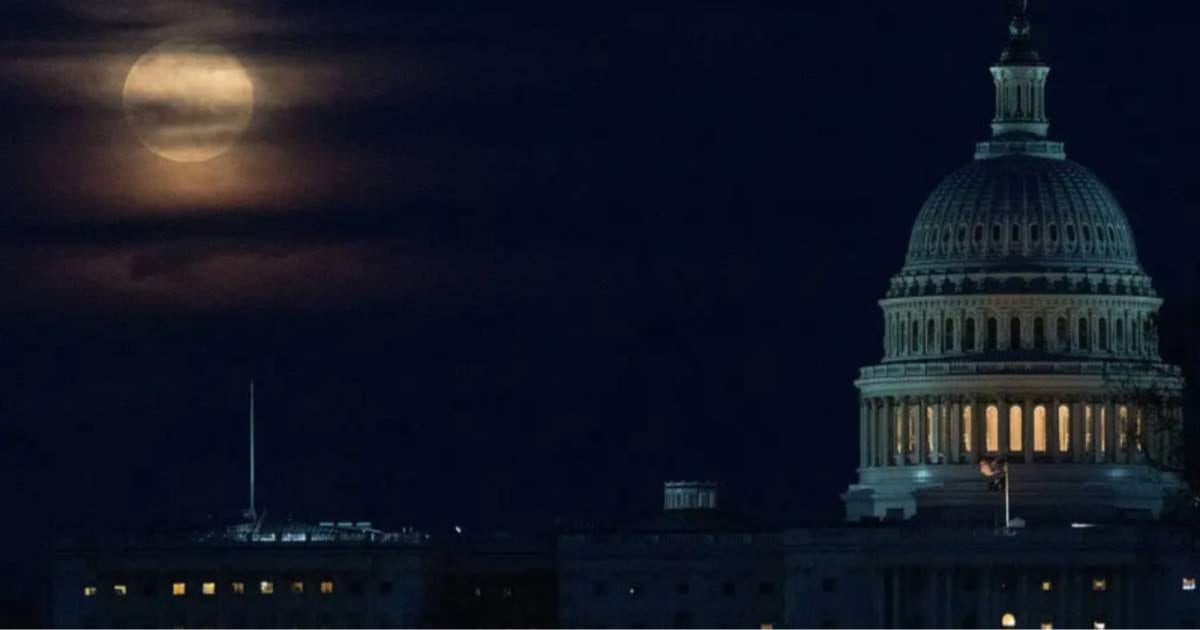
November's night sky is about to welcome a Supermoon, offering another chance to see the Moon appear larger and brighter than usual. The event will take place on November 24, when the Moon reaches its full phase at 9:53 a.m. EST. The exact timing of the Full Moon is the same worldwide, but local viewing conditions and moonrise times will vary by location and weather. Here's when to look and how to get the best view.
What is a Supermoon?
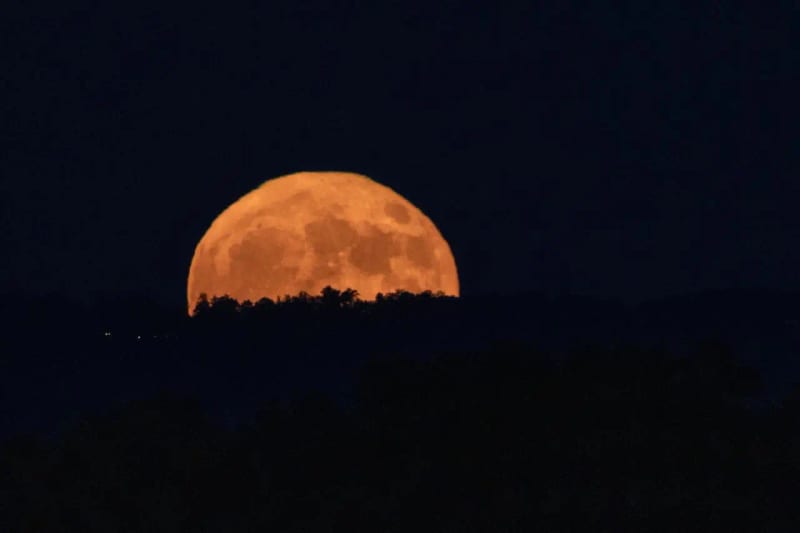
A Supermoon occurs when a Full Moon is around its closest point to Earth (perigee) in its orbit. This makes a Supermoon appear slightly larger and brighter than an average Full Moon. However, the difference is subtle and may be difficult to notice with the naked eye. The Full Moon on November 24, also called the Beaver Moon, will be the second Supermoon of the year, following the first one on January 3. The third Supermoon will occur on December 24, completing the year's three-Supermoon sequence.
How close will the Moon get to Earth on November 24?
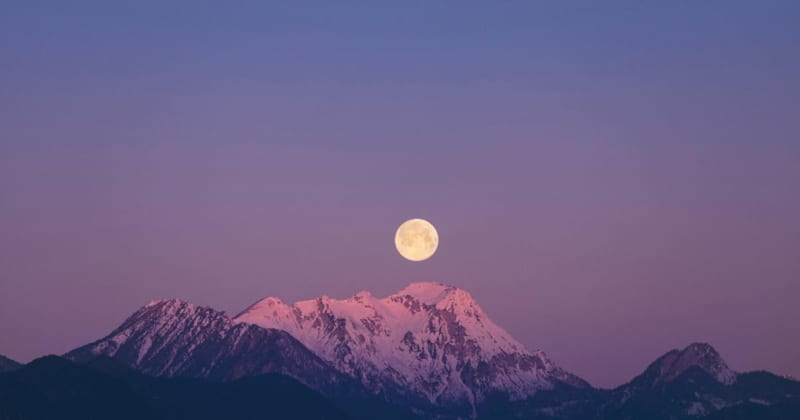
On November 24, the Full Moon will reach its peak illumination at around 9:53 a.m., but the Moon will reach its closest point to Earth on November 25 at a distance of 359,486 kilometers, according to NASA's Daily Moon Guide. On November 24, it will be slightly farther away at 223, 694 miles (359,648 kilometers). For comparison, the average distance between the Moon and Earth is about 238, 856 miles (384,400 kilometers).
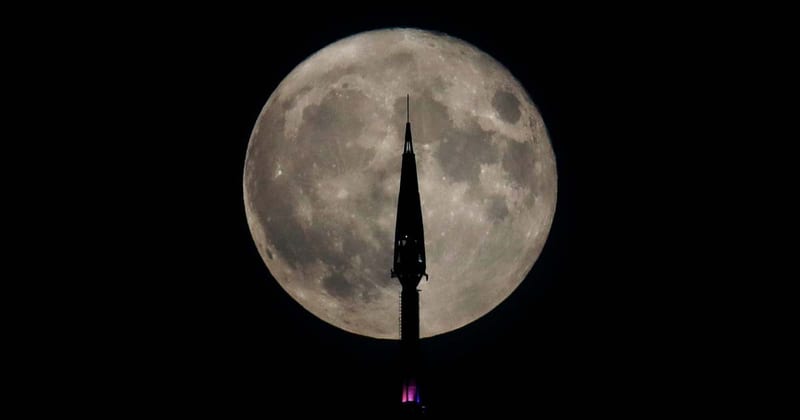
City-wise timings for the November Supermoon
Although the exact Full Moon peak will occur during daylight hours in many locations, skywatchers can still observe the Moon on the evening of November 24. The Moon will rise at different times across the world, depending on each city's location. Here are the expected timings for selected cities, according to Solocene.com:
City | Country | Moonrise on Nov. 24 (local times) |
|---|---|---|
New York | United States | 4:15 p.m. |
Los Angeles | United States | 4:42 p.m. |
Chicago | United States | 4:07 p.m. |
Toronto | Canada | 4:25 p.m. |
Mexico City | Mexico | 6:02 p.m. |
São Paulo | Brazil | 6:57 p.m. |
London | United Kingdom | 3:17 p.m. |
Paris | France | 4:22 p.m. |
Berlin | Germany | 3:15 p.m. |
Amsterdam | Netherlands | 3:51 p.m. |
Cairo | Egypt | 4:33 p.m. |
Cape Town | South Africa | 7:53 p.m. |
New Delhi | India | 4:56 p.m. |
Mumbai | India | 5:37 p.m. |
How to get the best view of the supermoon
To make the most of this celestial event, skywatchers can follow a few simple tips to enjoy the view and observe the Moon's surface features clearly.
You don't need any equipment to enjoy the supermoon. Choose a place with clear skies and an unobstructed view of the horizon. You'll see the Moon covered in dark patches. These are the lunar seas, or maria, and are areas where volcanic lava flow has solidified.
Check the local weather forecast for cloud cover and haze. If the Moon is hidden behind the clouds, then moving to a nearby location with a clearer view will help.
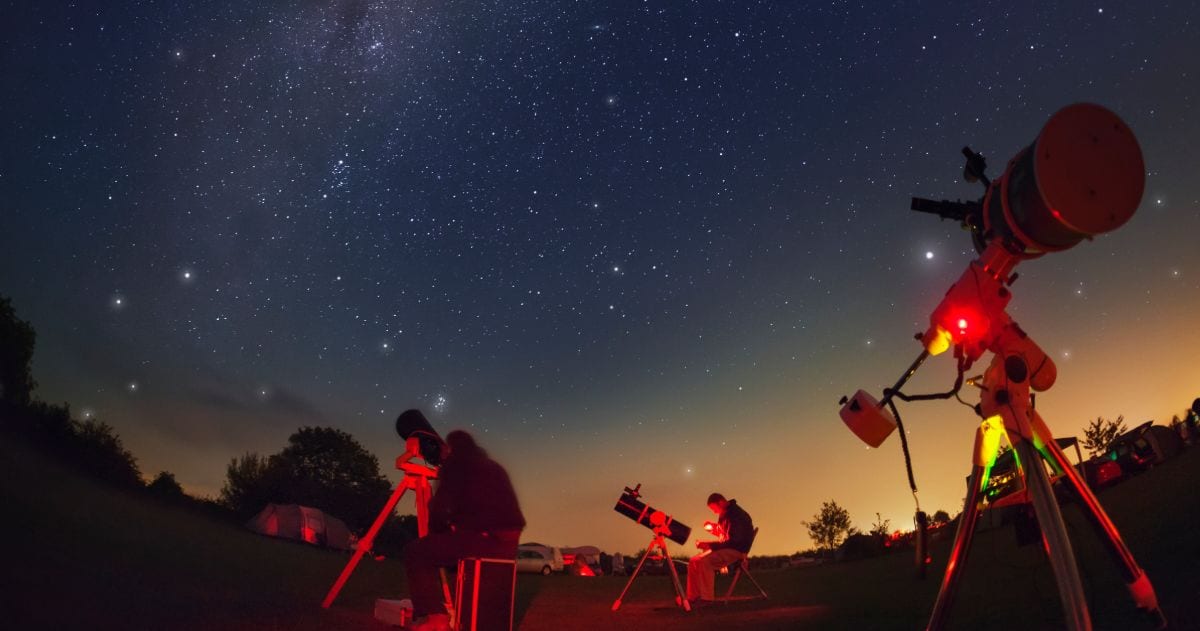
If you have binoculars, use them to observe the Moon's craters, mountains, and other regions. NASA recommends binoculars with a 7x magnification or higher for the best experience.
If you have a telescope, you can use it to observe the Moon's surface features more clearly and in greater detail. Remember that a Full Moon can appear extremely bright through a telescope. To make the experience easier on your eyes without compromising on surface details, use a Moon filter.
More on Starlust
The Moon will be near the Seven Sisters tomorrow: When, where and how to watch the celestial pairing
Vincent van Gogh's The Starry Night depicted the actual sky, study finds—what the painting shows