ESA's communication system for the Moon is space-ready. Where will Lunar Link be used?
The European Space Agency (ESA) has completed the final major integration and testing of its Lunar Link communication system. During testing, engineers successfully demonstrated communication with a simulated user on the Moon. Lunar Link was initially developed to support NASA's Gateway, a planned lunar space station. However, with the Gateway project indefinitely on hold, ESA is currently considering how to use Lunar Link to relay communications between astronauts on the lunar surface and spacecraft in orbit during future Moon missions.
How ESA tested Lunar Link
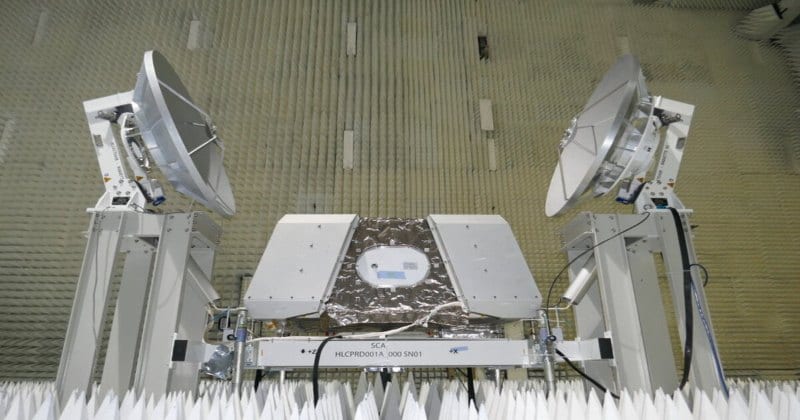
Engineers began by testing Lunar Link's central electronic unit, known as the baybox, under different environmental conditions to check whether it could withstand the demands of its intended mission. After the unit passed testing, the team connected it to the system's two high-gain antennas. These antennas focus radio signals in specific directions, which allows communication over long distances. With the main components connected, engineers could move on to testing how the system would work as a whole.
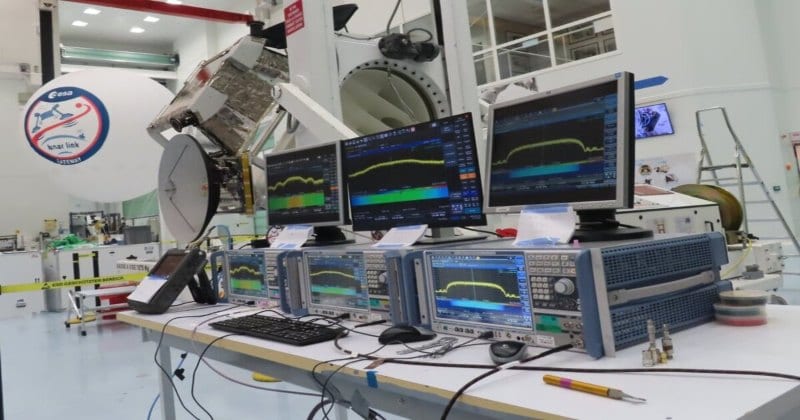
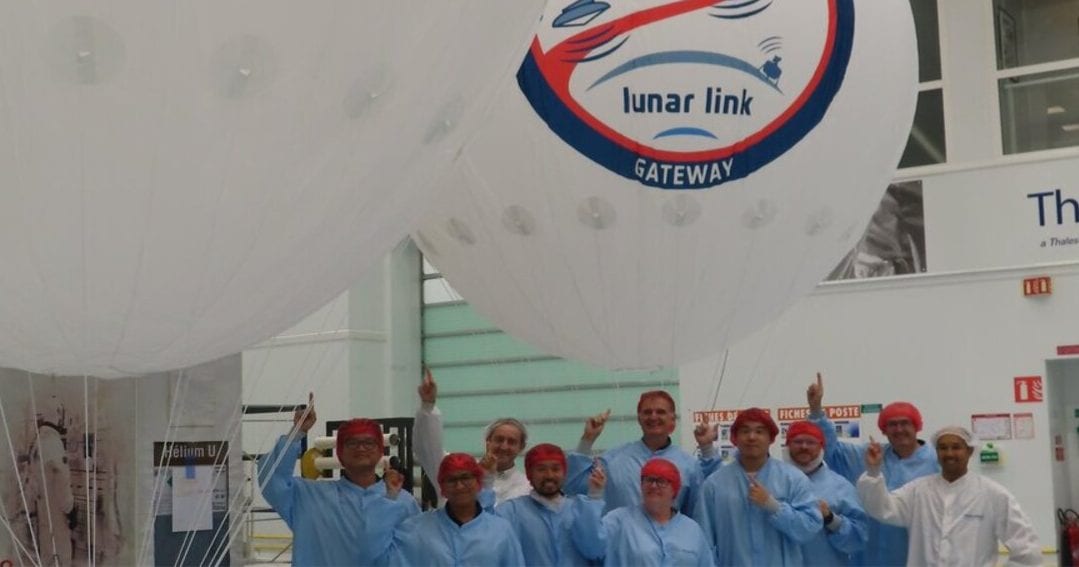
Another part of this process was checking how the antennas could be deployed in space. Engineers conducted a balloon-assisted antenna deployment test, using balloons to simulate aspects of the weightless environment experienced by equipment in orbit. This helped them assess the antennas' deployment mechanism under conditions that differ from those on Earth.
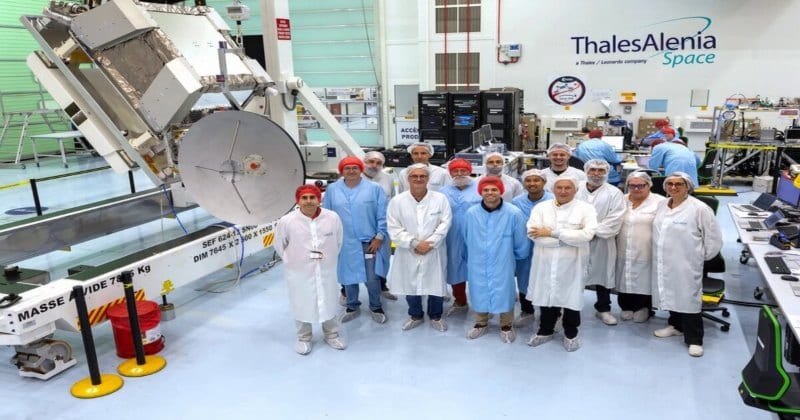
Earlier, in summer this year, engineers from NASA's Johnson Space Center joined ESA's Lunar Link team at Thales Alenia Space in Cannes, France, for a communication demonstration. NASA brought equipment racks that could simulate a user on the Moon. With the help of this setup, the teams tested communications through Lunar Link, including its encryption system, which helps keep messages secure. The demonstration was successful, confirming that the system performed as expected.
Lunar Link is ready, but what happens now?
In September 2026, ESA and Thales Alenia Space began the qualification and acceptance review of Lunar Link, which is expected to be completed by the end of 2026. The review aims to confirm whether the system meets all the technical requirements and is ready for spaceflight.
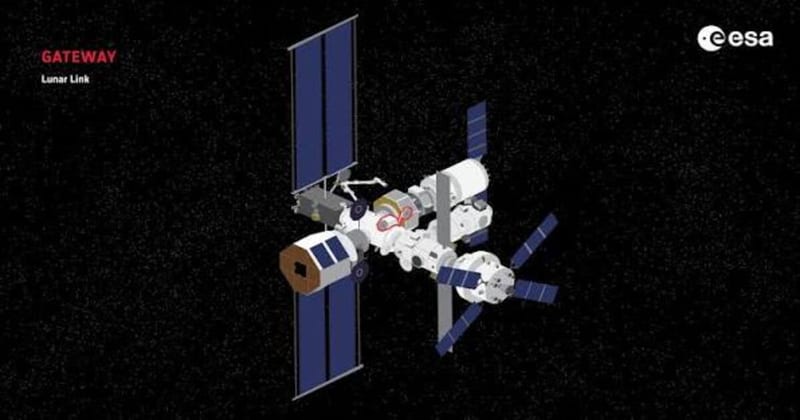
Once the review is complete and a final software update has been carried out, Lunar Link's flight hardware will be placed in controlled storage, meaning that it will be preserved under particular conditions to ensure it remains flight-ready until assigned to a future mission.
What comes next for Lunar Link?
Lunar Link could become an independent communication relay system for future Moon missions. To make this possible, the system could be installed on a spacecraft orbiting the Moon, with an additional antenna to establish a communication link with Earth.
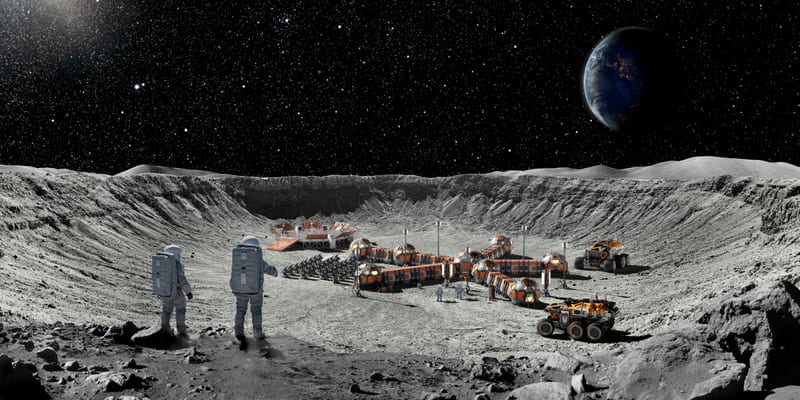
To explore this possibility, ESA invited organizations to submit proposals in July 2026 for studies on how Lunar Link could be adapted for a new mission. To that end, researchers will study how Lunar Link could be placed in orbit around the Moon, looking into factors such as which spacecraft and orbital paths would work best and how the system could work alongside ESA's Moonlight communication and navigation program. They will also evaluate whether these spacecraft could carry additional scientific instruments or experiments. However, ESA has not yet confirmed any new mission for Lunar Link.
More on Starlust
The next era of lunar exploration: Upcoming Moon missions to watch in 2026 and beyond
Four major lunar missions set to launch in 2026 to support NASA's goal to 'stay' on the Moon