Beaver Moon 2026: Date, peak time and how to photograph November’s Supermoon
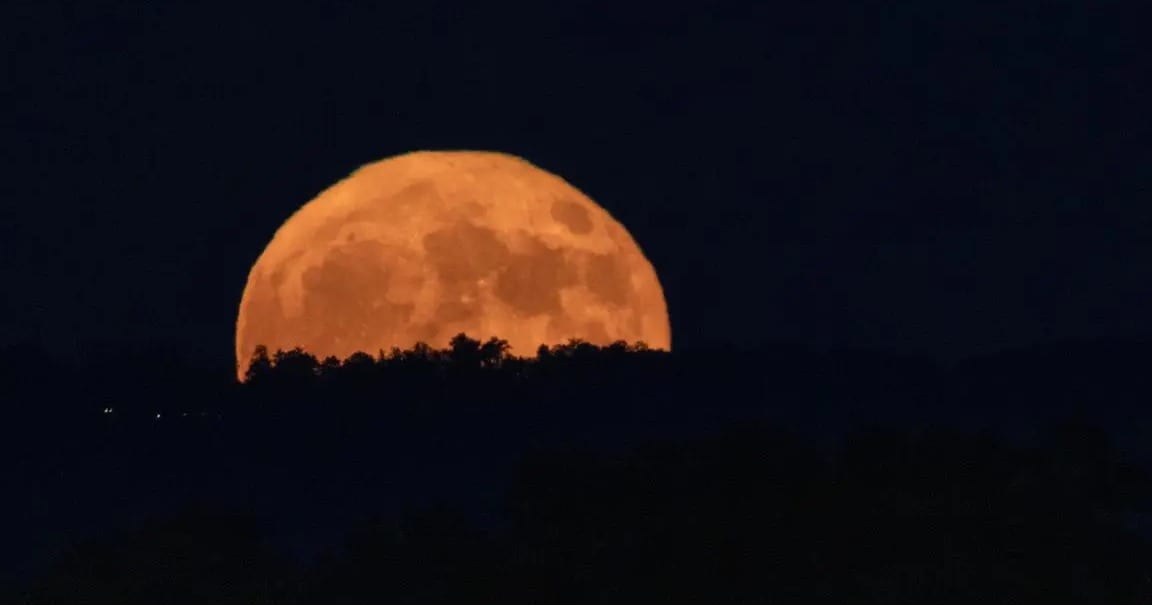
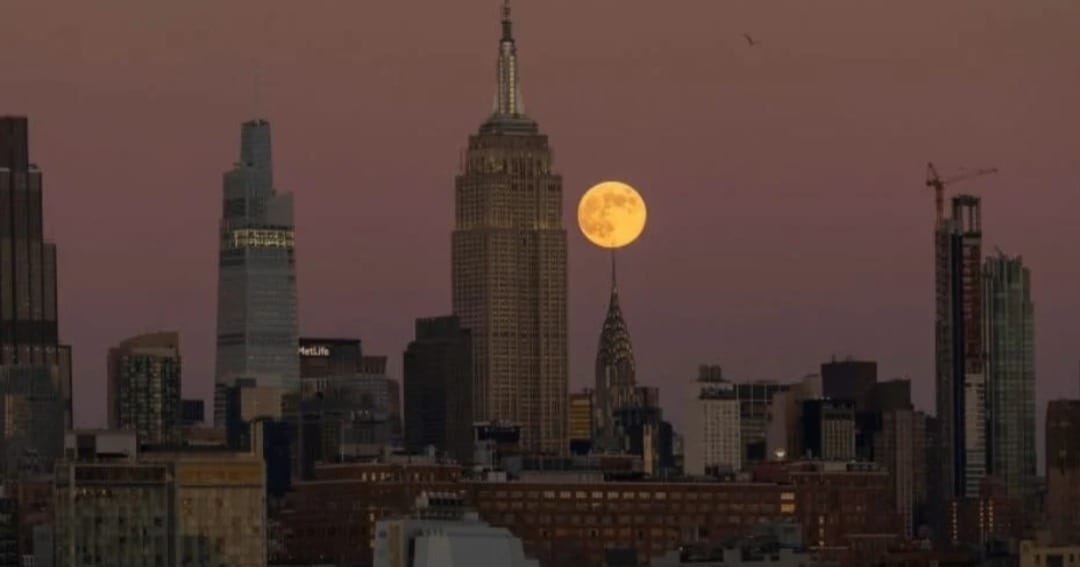
Skywatchers will have a chance to watch a Supermoon on November 24, with the arrival of the Beaver Moon in the night sky. What perhaps makes it more exciting is that it will be the first in a series of three consecutive Supermoons in November, December, and January.
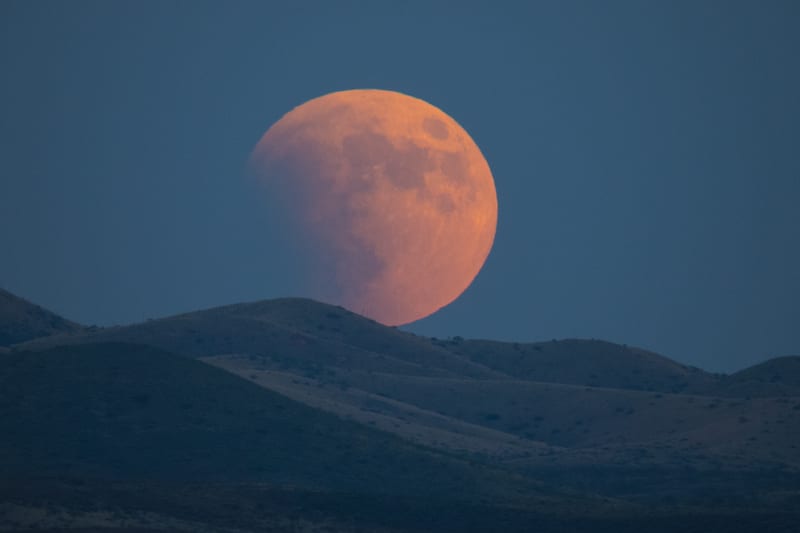
What is a Supermoon? Why is November's Full Moon called the Beaver Moon?
A Supermoon is a Full Moon that appears bigger than usual because it is near its closest point to Earth (perigee) in its orbit. While the Moon will enter its full phase on November 24, it will be the closest to Earth a day later, at a distance of 359,486 kilometers (223,374 miles), as opposed to its average distance of about 384,400 kilometers (238,885 miles). According to The Old Farmer's Almanac, November's Full Moon is traditionally called the Beaver Moon because beavers prepare their lodges and food stores for winter around this time of year.
When to see the Beaver Moon in November 2026
The Beaver Moon will reach its peak at 9:53 am EST. The Moon will be below the horizon at the time, but you can always look for it on the evening of November 24 or the day before, as it will appear full on both days. Other places, which will have the Moon above the horizon during its peak, will be able to enjoy the view provided the skies are clear.
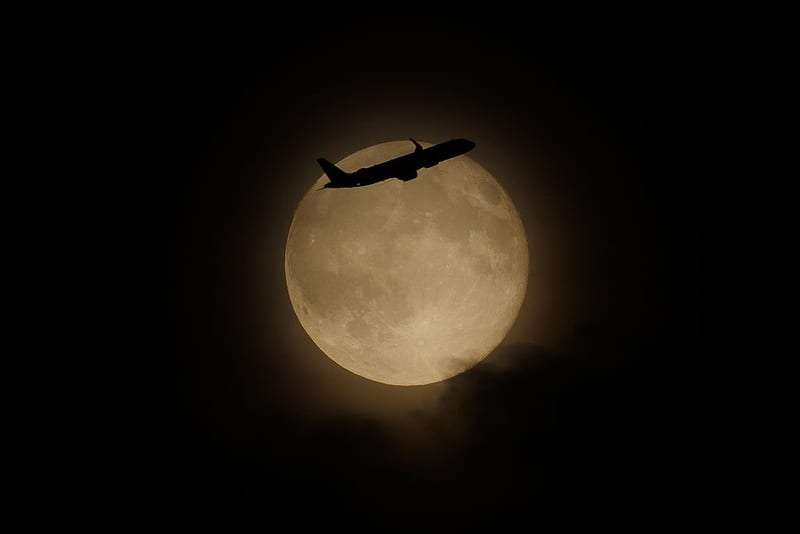
For the best experience, find an open space with a clear view of the horizon, where buildings or trees won't block the view. Before heading out, check your local moonrise forecast to plan your viewing.
Beaver Moon 2026: Key timings and places
The table below lists the expected local moonrise times and Full Moon peak times from selected cities.
City and Country | Moonrise on Nov. 24 | Full Moon Peak |
|---|---|---|
New York, USA | 4:15 p.m. | 9:53 a.m. |
Los Angeles, USA | 4:42 p.m. | 6:53 a.m. |
Mexico City, Mexico | 6:02 p.m. | 8:53 a.m. |
London, UK | 3:17 p.m. | 2:53 p.m. |
Paris, France | 4:22 p.m. | 3:53 p.m. |
Cairo, Egypt | 4:33 p.m. | 4:53 p.m. |
Cape Town, South Africa | 7:53 p.m. | 4:53 p.m. |
Mumbai, India | 5:37 p.m. | 8:23 p.m. |
Bengaluru, India | 5:30 p.m. | 8:23 p.m. |
Beijing, China | 4:10 p.m. | 10:53 p.m. |
Tokyo, Japan | 3:48 p.m. | 11:53 p.m. |
Sydney, Australia | 7:34 p.m. | 1:53 a.m., Nov. 25 |
How to photograph and observe Beaver Supermoon 2026
Once you know when to look for the Beaver Moon, you can make the most of the event by photographing it or observing its surface features. Here are a few ways to get started:
Photograph the Moon with a smartphone
You don't need special equipment to capture the Beaver Moon. A smartphone can take a good image if you keep it steady, tap the moon to focus, and lower the exposure so its surface doesn't appear as an overexposed white blob. Keep the flash off and set a timer to prevent the phone from shaking while taking the photo.Use a DSLR or mirrorless camera
If you have a DSLR or mirrorless camera, you can try capturing the Moon in manual mode. Keep the ISO low, as it controls the camera's sensitivity to light, and start with a fast shutter speed. You can adjust the settings until the Moon's surface details are visible. Using a tripod will help keep the camera steady. Including trees, mountains, or other landmarks in the frame can also make the image more captivating.Photograph the Moon through a telescope
A telescope can help you observe the lunar features such as craters, mountains, and dark regions in greater detail. To photograph them, you can attach a smartphone to the eyepiece of a telescope using a compatible adapter. You can start at low magnification to locate and center the Moon, then increase gradually if you want a closer look. Also, keep an eye on the Moon's frame, as it can gradually move out of view while taking the photographs.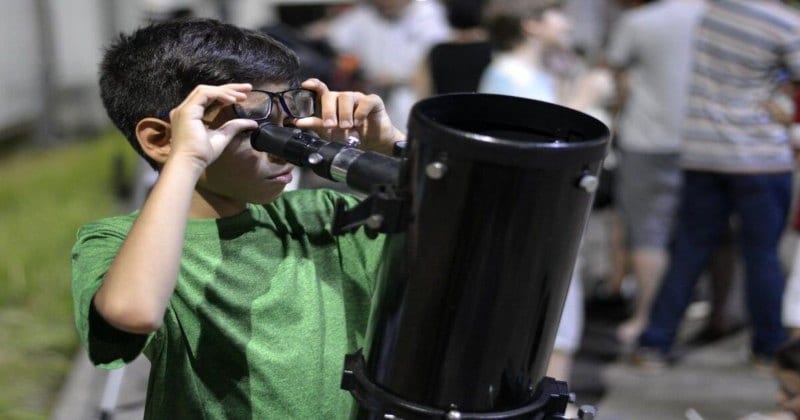
A child looks through a telescope during a stargazing activity. (Image Source: NASA) Observe the Moon through binoculars
If you don't have a telescope, binoculars are another option. According to NASA, binoculars with 7x magnification or higher can help you see the craters and other surface features clearly.
A child uses binoculars to observe the night sky. (Image Source: NASA) Observe the Moon with your naked eyes
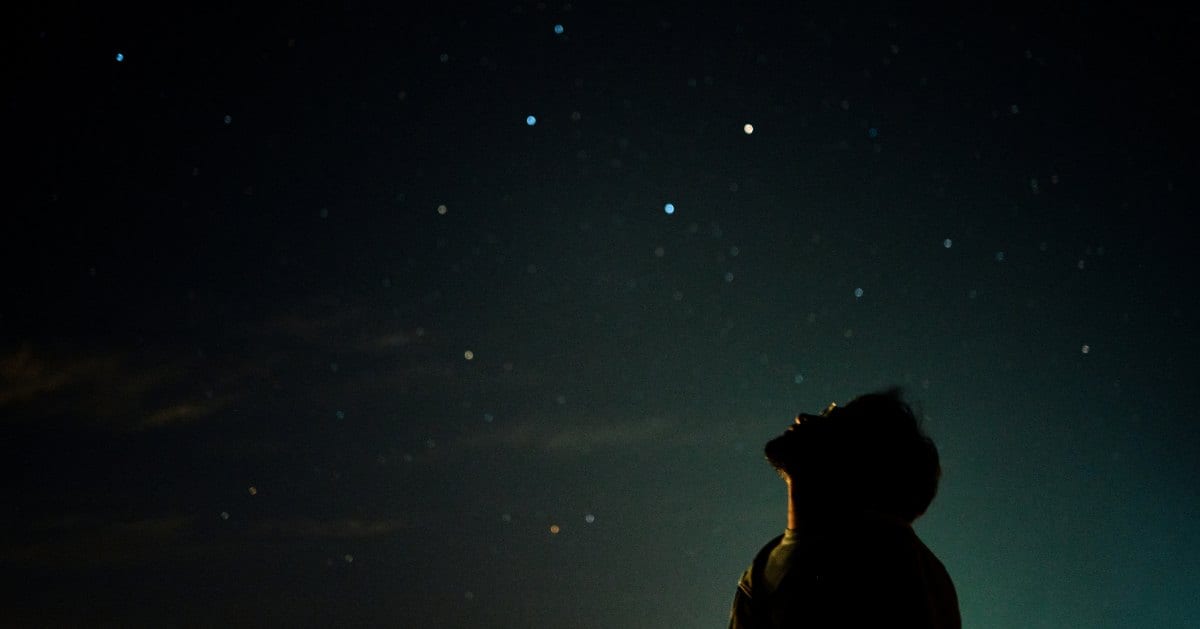
You don't need any equipment to enjoy the Beaver Moon. Choose a place with clear skies and an unobstructed view of the horizon. Notice the light and dark patches on the Moon's surface, and watch how it looks as it rises above the surrounding landscape. You can also enjoy the view alongside trees, mountains, or buildings, depending on your preference.
More on Starlust
Southern Taurids meteor shower to bring fireballs as it peaks this week—here’s all you need to know
Catch Venus shining at its brightest in November: Citywise timings in the U.S. for best views