November 2026 skywatching guide: Mark your calendars for Beaver Supermoon, Taurid meteor shower and more
Skywatchers around the world will have a chance to observe some mesmerizing celestial events—including colorful meteor showers, a planetary pairing, and different lunar phases—this November. Below is the chronological guide to the skywatching events taking place throughout the month, with dates and details to help you plan your observations and make sure you don't miss them.
1. Southern Taurid meteor shower — November 4-5
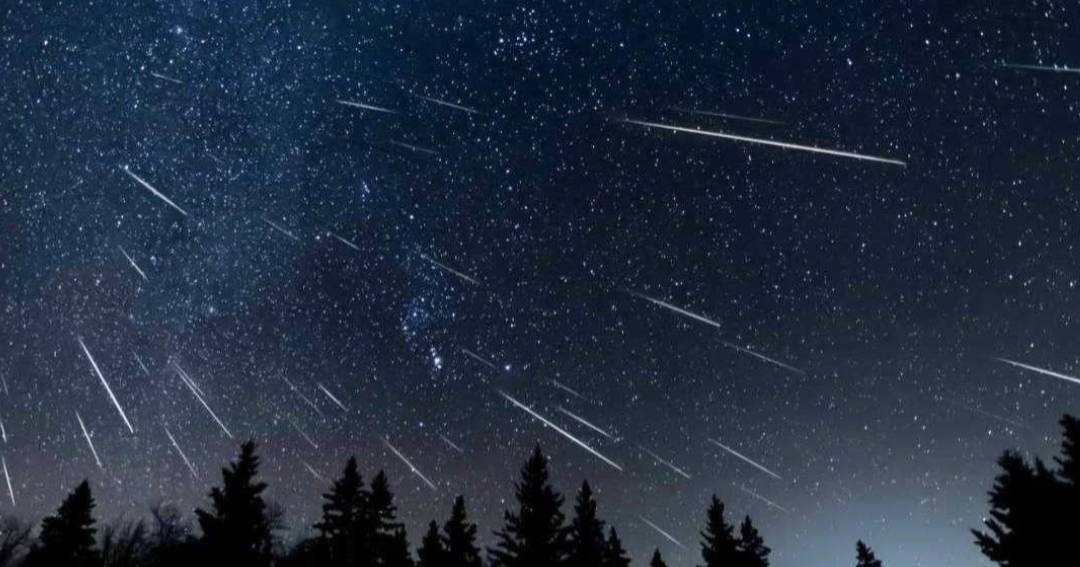
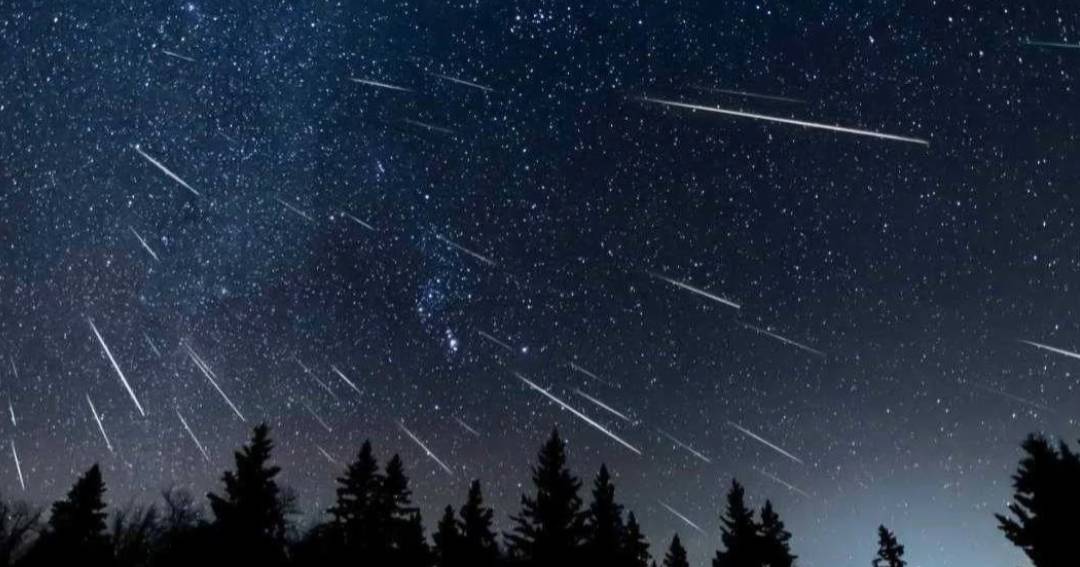
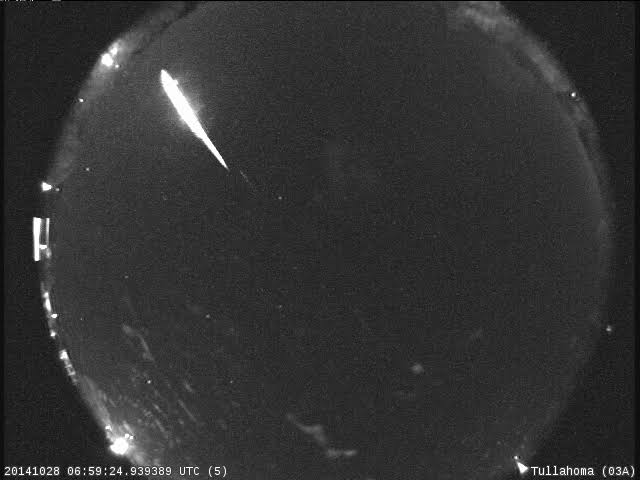
The Southern Taurid meteor shower is an annual meteor shower that remains active from September to November. Its regular annual peak occurs in October, but an additional fireball-swarm peak is observed in November. According to the American Meteor Society, its November peak is expected on the 5th of the month. This meteor shower can be observed from both the Northern and Southern hemispheres. The best time to observe it is from midnight to the early morning hours, when the Taurus constellation is positioned higher in the sky. Its radiant—the point in the night sky from which the meteors appear to originate—is located in the Taurus constellation. However, skywatchers do not need to look only towards Taurus, as meteors can appear in any part of the sky. Therefore, observers can try to watch a wide area of the night sky.
2. New Moon — November 9
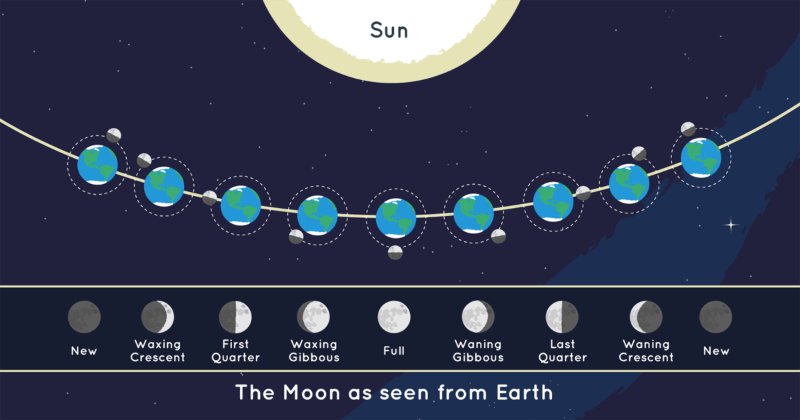
A New Moon is considered the first phase of the lunar cycle. It occurs when the Moon is between Earth and the Sun, and its illuminated side is facing away from Earth. This month, the New Moon will occur on November 9 at 07:02 UTC. The local timings will vary depending on the location. For instance, in New York, it will occur on November 9 at 2:02 a.m. EST; in Los Angeles, on November 8 at 11:02 p.m. PST; and in Chicago, on November 9 at 1:02 a.m. CST. The New Moon phase is itself not visible in the night sky. However, skywatchers can take advantage of darker skies away from city lights to enjoy the view of other celestial objects during this phase.
3. Northern Taurids meteor shower — November 11-12
We are also going to witness another meteor shower, known as the Northern Taurids, which remains active from October to December. Its peak is expected on November 12 in the Taurus constellation. The expected rate of this shower is around five meteors per hour at a speed of approximately 29 km/s. However, the number of meteors can vary depending on the location. To make the most of this event, skywatchers can try to find a place with dark and clear skies away from city lights, as this shower will be visible to the naked eye.
4. Mars-Jupiter conjunction — November 16
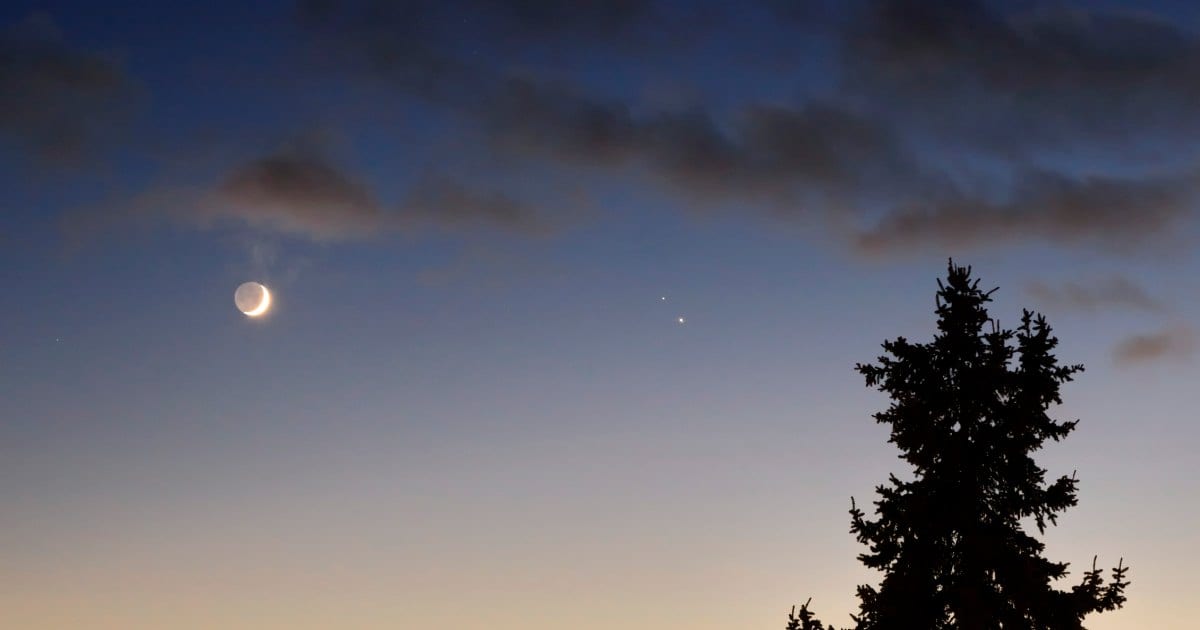
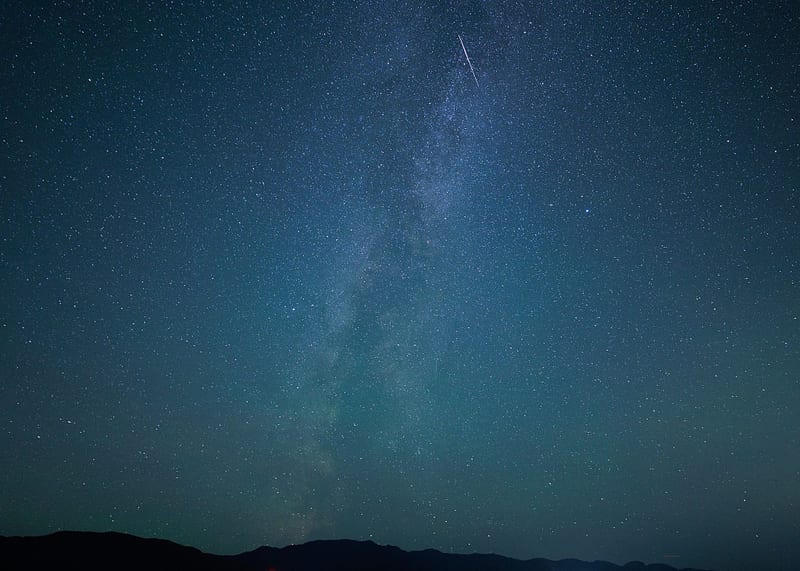
On November 16, Mars and Jupiter will appear very close to each other. These planets will be in the Leo constellation, where the apparent distance between them will be approximately 1.2 degrees. Skywatchers can look towards the south-eastern sky before sunrise to observe the pair. Jupiter will appear brighter, while Mars will have a reddish-orange color. Both planets will be visible to the naked eye. However, if you have binoculars or a telescope, they can give you a more captivating view.
5. Leonids meteor shower — November 16-18
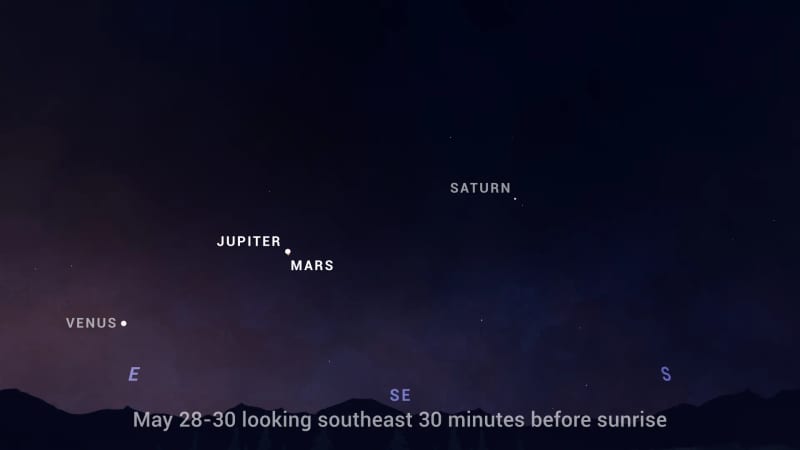
The Leonids meteor shower is expected to peak between November 16 and 18. The meteors enter Earth's atmosphere at speeds of approximately 71 kilometers per second. However, moonlight could make some of the dimmer streaks difficult to spot. Still, skywatchers can spot the streaks in dark, clear skies away from city lights and areas with less light pollution.
6. Mercury at its greatest western elongation — November 20-21
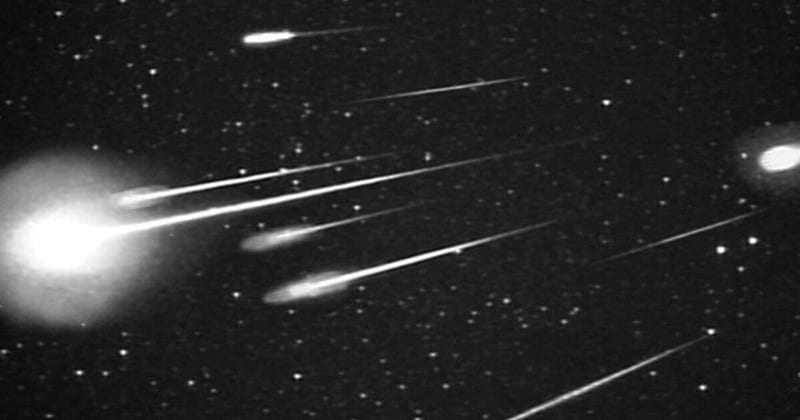
On November 20, Mercury will reach its greatest western elongation. During this time, Mercury will appear approximately 19.6 degrees west of the Sun in the morning sky. To be precise, the planet will be at its farthest apparent distance from the Sun. Skywatchers will have a good opportunity to observe this celestial event before sunrise, near the eastern horizon.
7. Beaver Supermoon — November 24
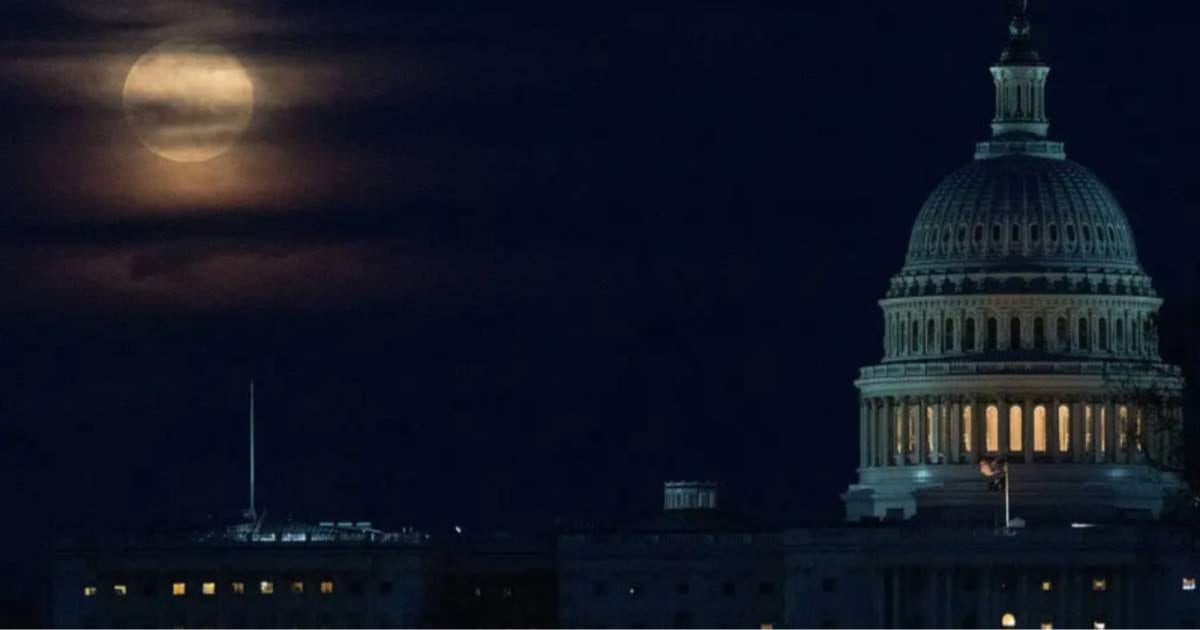
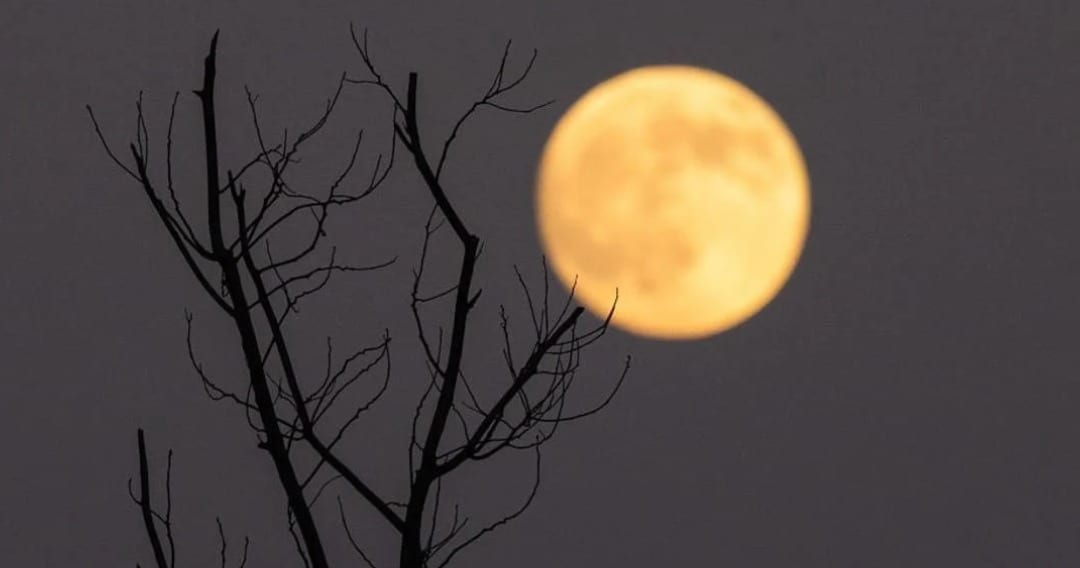
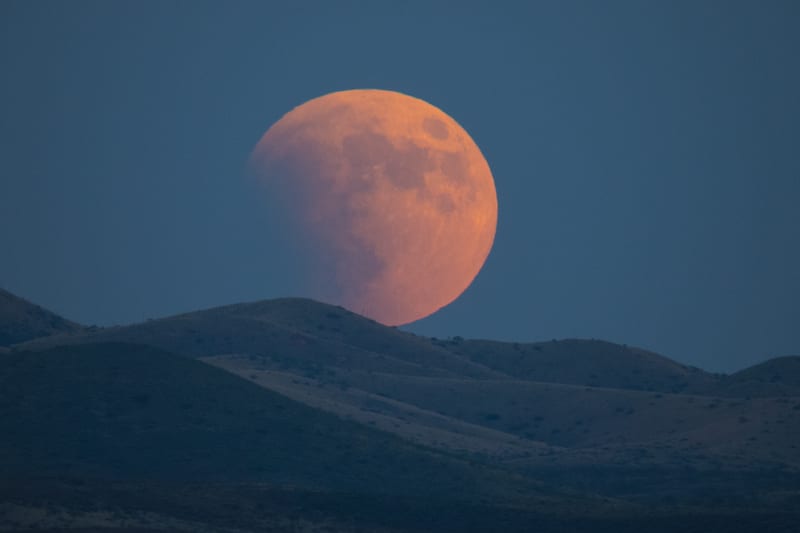
In November, skywatchers will be able to observe the first in a series of three consecutive supermoons that will become visible between now and late January 2027. Also known as the Beaver Moon, this supermoon is set to occur on November 24 at 9:53 a.m. EST. Visibility, however, will depend on your location and the local time at which the supermoon occurs.
8. Uranus at opposition — November 25
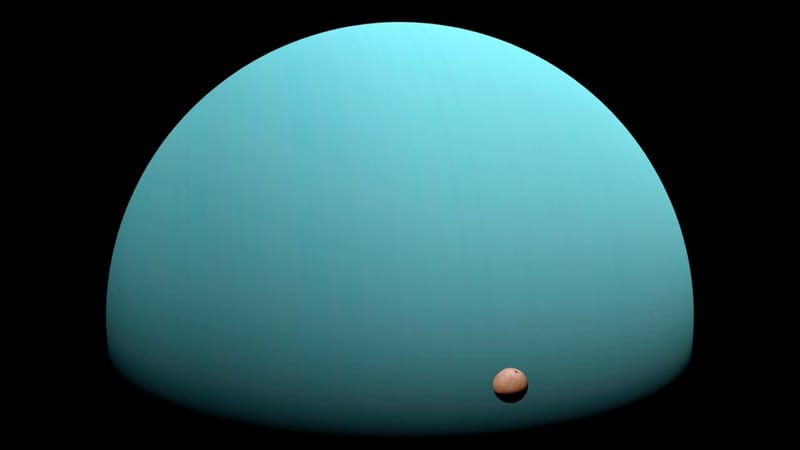
On November 25, the seventh planet in the solar system, Uranus, will reach opposition. During this event, Earth will appear between Uranus and the Sun, due to which Uranus will appear opposite the Sun in the sky. At this time, the planet will be at its brightest appearance and can be observed throughout the night by skywatchers.
9. Venus at peak brightness — November 29
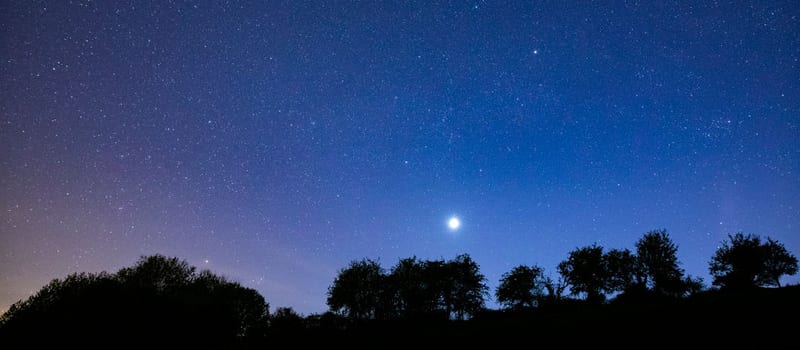
The hottest planet in our solar system, Venus, also known as the Morning Star, will be at its brightest in the sky on November 29. At this time, Venus will shine with an apparent magnitude of -4.4. This means Venus will appear brightest in the early morning sky compared to all other stars and planets. Skywatchers can enjoy this view before sunrise in the eastern sky, preferably with dark, clear skies and less light pollution. Venus can also be seen with the naked eye. However, if you have binoculars or a telescope, its crescent shape will be visible.
More on Starlust
Don't miss the second Supermoon of 2026 in November: Date, city-wise timings and viewing tips