Five of the solar system's eight planets will be visible in November: How to spot and viewing tips
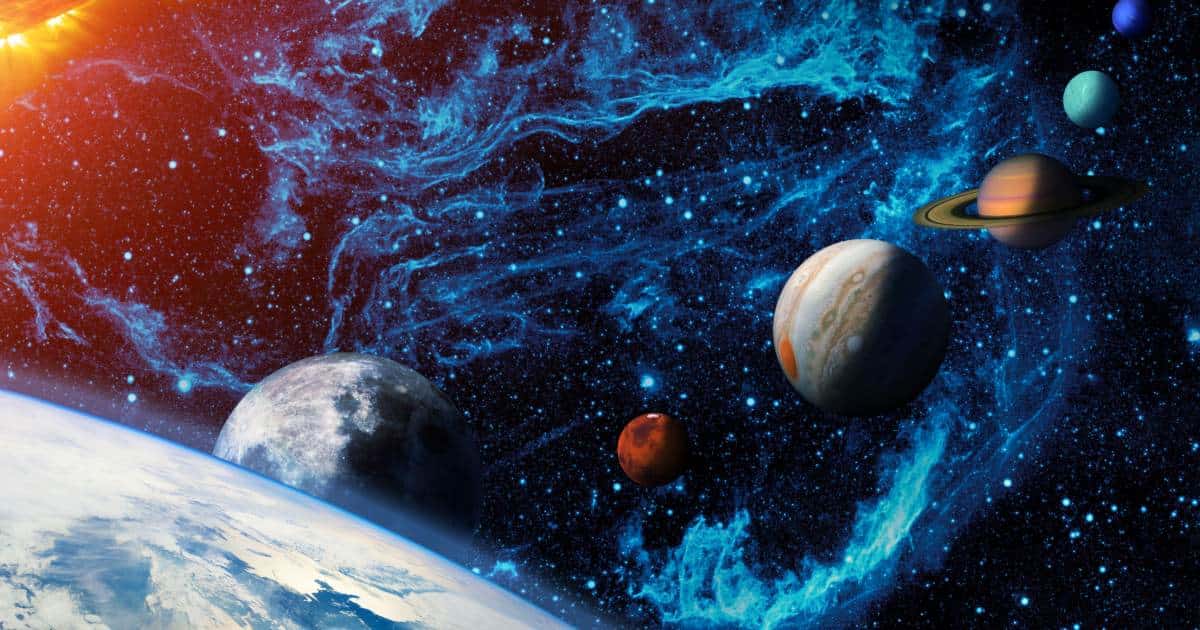
The month of November offers plenty of opportunities for stargazers with a packed calendar of skywatching events. During this month, most of the planets in the solar system will be visible in the night sky, with some reaching their greatest illumination of the year. If you are planning on heading out to watch these events, below is a guide to help you plan your observations and make the most of them.
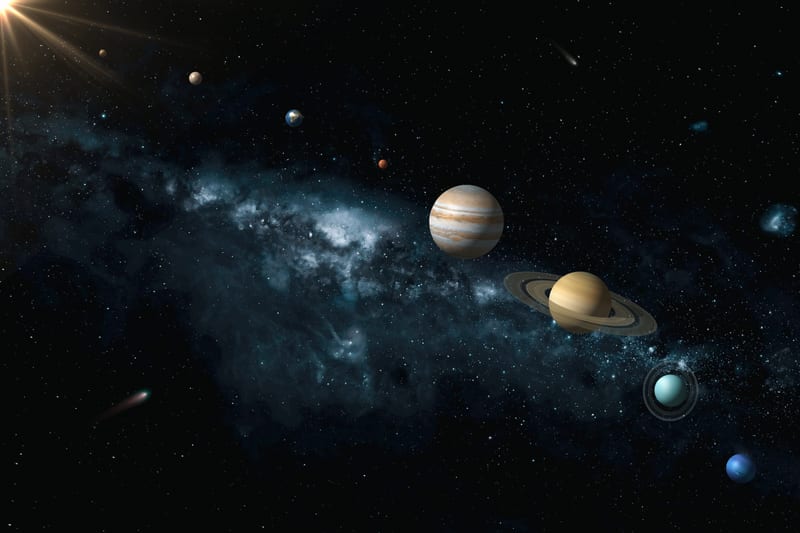
Which planets will be visible in the November night sky?
If you look up at the night sky, you will find five planets shining brightly across the sky, including Mercury, Venus, Mars, Jupiter, and Saturn. The brightness of these planets changes throughout the year as their distance from Earth changes during their orbit around the Sun. Additionally, superior planets—whose orbits lie farther from the Sun than Earth's—appear bright when they reach opposition, which occurs when Earth passes directly between the Sun and the planet. You will be able to spot these planets at different times throughout November. Let’s take a closer look at when and where to find them.
Mercury
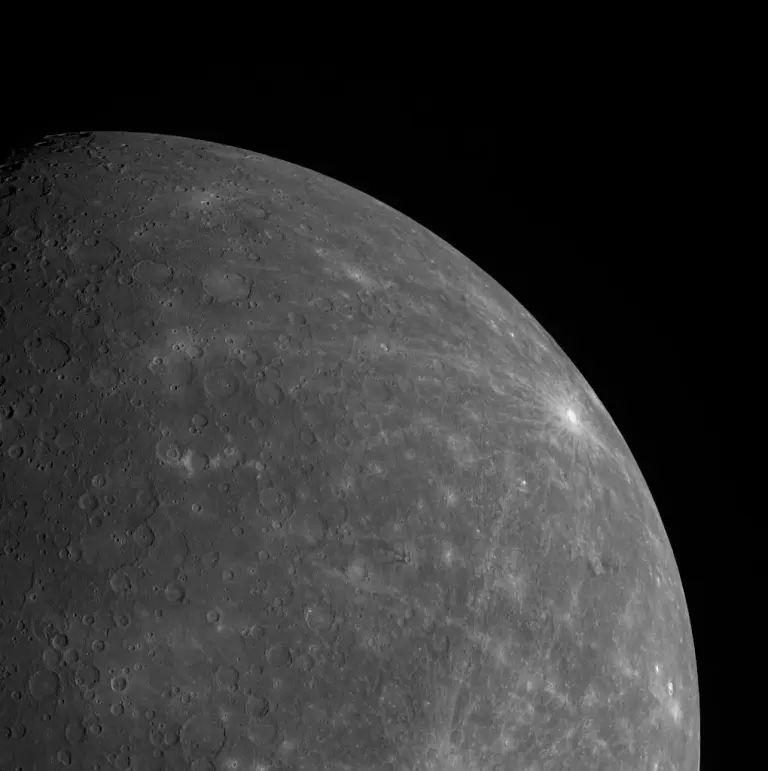
During the second half of November, Mercury will be visible in the morning sky, where it will appear low above the eastern horizon before sunrise. Mercury is among the inferior planets, which means it orbits the Sun entirely within Earth's orbit. Mercury will reach its greatest western elongation, when it will appear at its greatest angular distance west of the Sun, reaching about 20 degrees on November 20. This makes Mercury visible in the dawn hours. For observers at mid-northern latitudes, including parts of the United States, Canada, Europe, and East Asia, Mercury will rise more than 95 minutes before sunrise between November 16 and 26. If you are planning on spotting Mercury, look for it below and to the left of Venus, near the east-southeastern horizon.
Venus
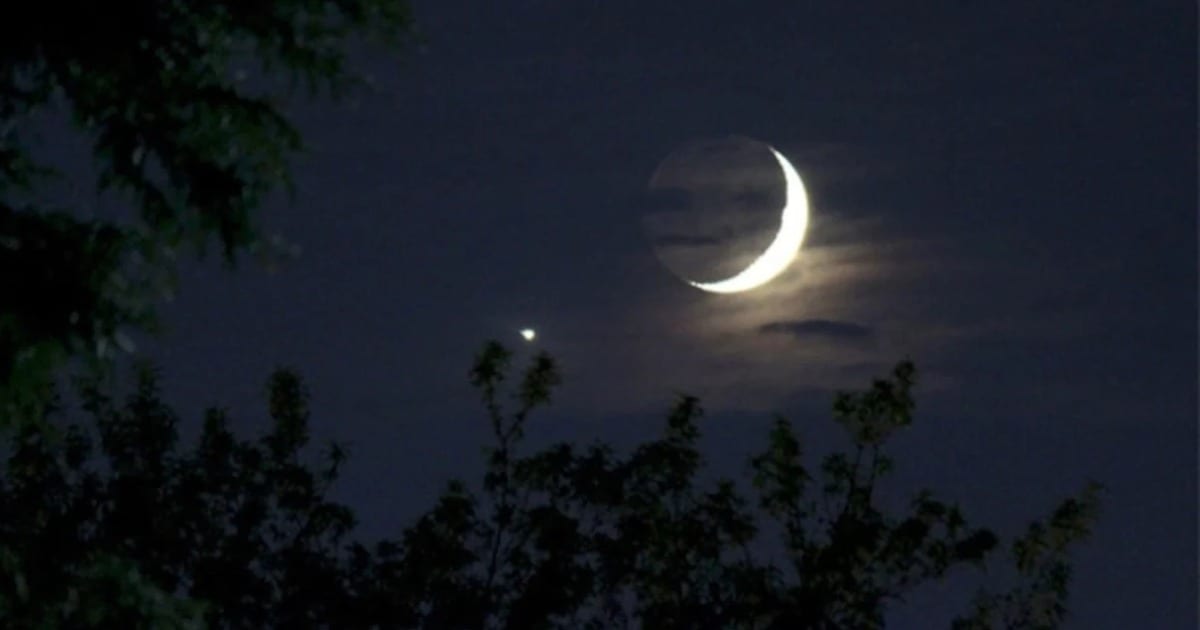
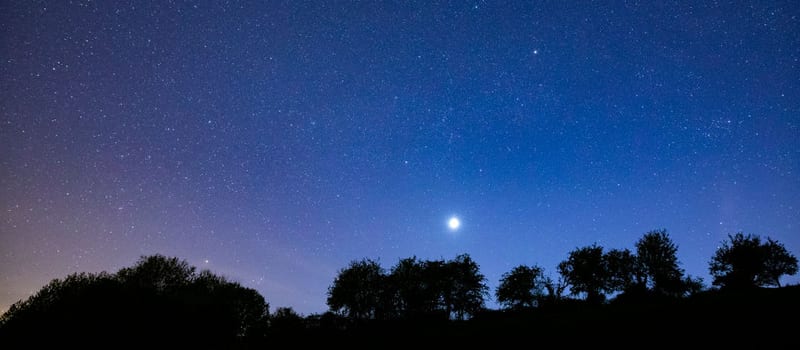
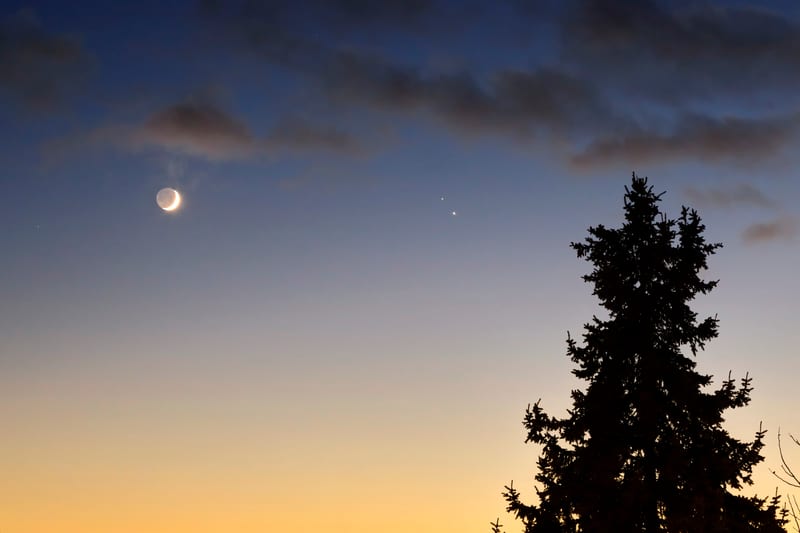
Venus, also called the Morning or Evening Star, will be visible all through November in the eastern and southeastern sky before sunrise. It will be visible in both the Northern and Southern Hemispheres, including locations such as Singapore, London, New York, Sydney, and São Paulo. However, the exact viewing direction and time will vary depending on the observer's location. It will be the brightest planet in the sky and will reach its greatest brightness of 2026 between November 27 and 29. Its brightness will be approximately at a magnitude of -4.9 (higher negative values indicate higher brightness). Towards the end of November, Venus will rise more than three hours before the Sun at mid-northern latitudes, including locations such as London and New York. On November 7, Venus will appear close to the waning crescent Moon and the star named Spica, which is the brightest star in the Virgo constellation.The planet will be visible to the naked eye; however, binoculars or a telescope will a more captivating view.
Mars
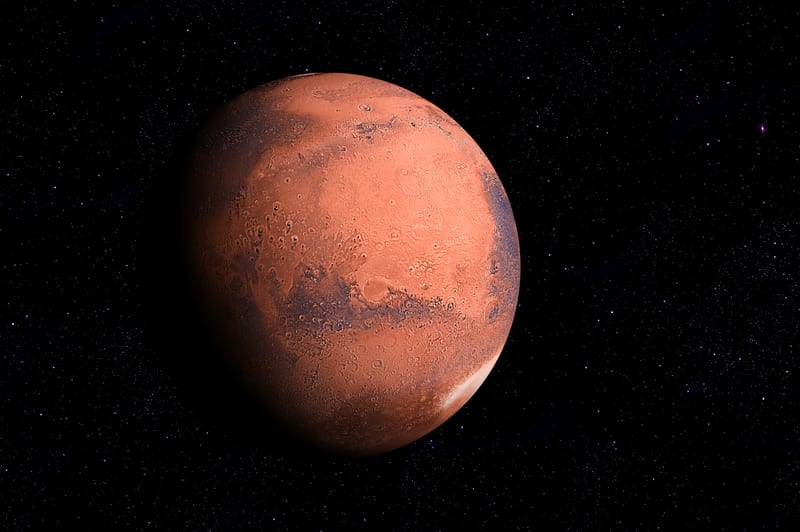
Mars will also be visible in the eastern sky during the late-night and early-morning hours throughout November. It will shine with a reddish-orange hue, with a magnitude of +0.9 at the start of the month and +0.4 towards the end. The Red Planet will be visible towards the south before sunrise for observers in the Northern Hemisphere and towards the north for those in the Southern Hemisphere, and it can be observed with the naked eye.
Jupiter
After gradually approaching each other over the course of the month, Mars and Jupiter are scheduled for a rendezvous on November 16, appearing just over a degree apart in the night sky. The meet up will be visible to most people across both hemispheres—observers in New York City can spot the pair from around 12:15 a.m. EST, while those in London can see them from 12:10 a.m. GMT. In Sydney, Australia, the pair will be visible from approximately 2:45 a.m. AEDT. Jupiter will shine at a magnitude of -2.0 at the beginning of the month and will slowly progress in brightness to magnitude -2.1 towards the end of November. Jupiter will also be visible to the naked eye, but if you have binoculars or a telescope, you can observe its surface details along with the four Galilean moons.
Saturn
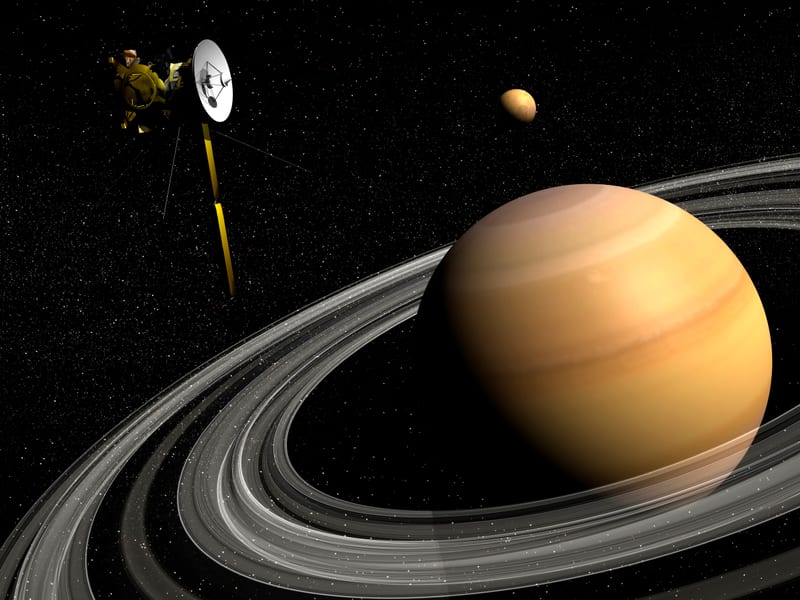
Our solar system's famous ringed planet Saturn will grace the evening sky throughout November. Observers in the Northern Hemisphere, including those in New York and London, will see it towards the south, while those in the Southern Hemisphere, such as observers in Sydney, will find it towards the north. Saturn will shine at approximately magnitude +0.5. On November 20, Saturn will appear around 6 degrees south of the waxing gibbous Moon. Its rings are tilted by about 6-6.5 degrees towards Earth’s line of sight.
More on Starlust
Mars is cozying up to Jupiter this November: When, where and how to watch it
Catch Venus shining at its brightest in November: Citywise timings in the U.S. for best views