About Author
A creative professional with forays into all kinds of artistic pursuits, Pranjal's knack for meticulousness when it comes down to telling stories about space is rooted in his existential fascination. Aspects of his creative writing stem from a range of influences—be it the excellent authorship of Carl Sagan in Cosmic Connection, or in Stephen Hawking’s A Brief History of Time. From an early age, the works of astronomy iconoclasts Copernicus, Galileo, and Kepler helped him develop a scientific temper in the face of prevailing traditions, and this has pervaded into Pranjal's current works on spaceflight and skywatching. With him joining Starlust.org’s brilliant team of writers, he can realize his dream of perhaps awakening the curiosity of a fellow stargazer, the same way his own interests were piqued many moons ago.
Latest From Pranjal Pranit
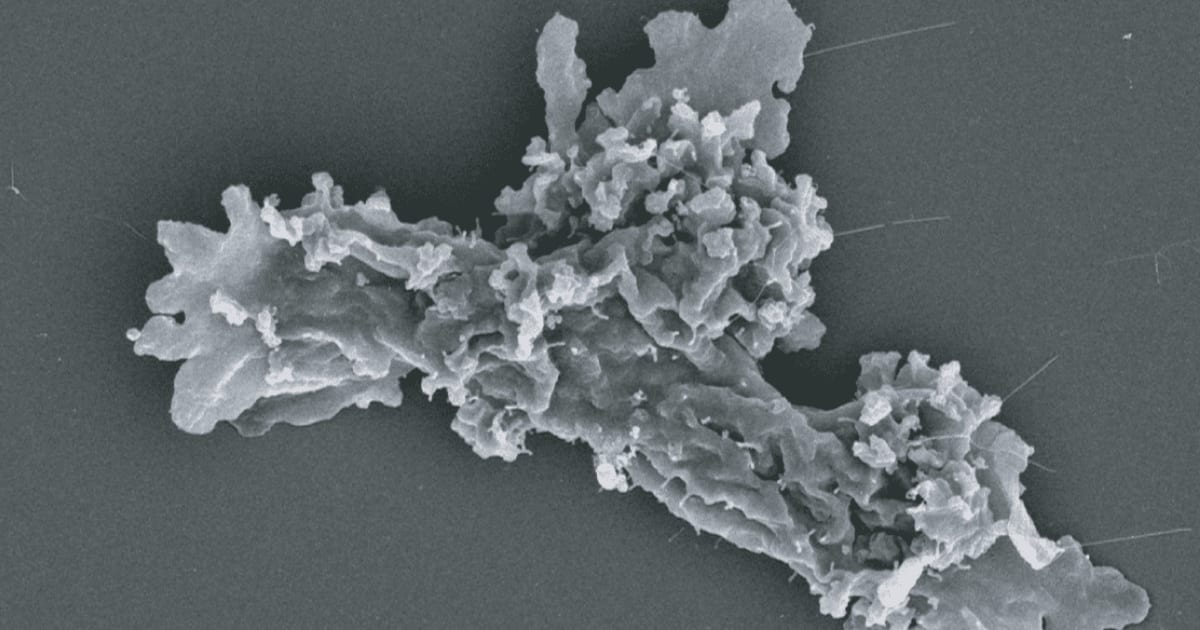
Scientists have discovered new heat-resistant amoeba—and it could help find alien life
Certain fungi and algae are known to survive extreme heat, but this newly discovered amoeba has broken all records.
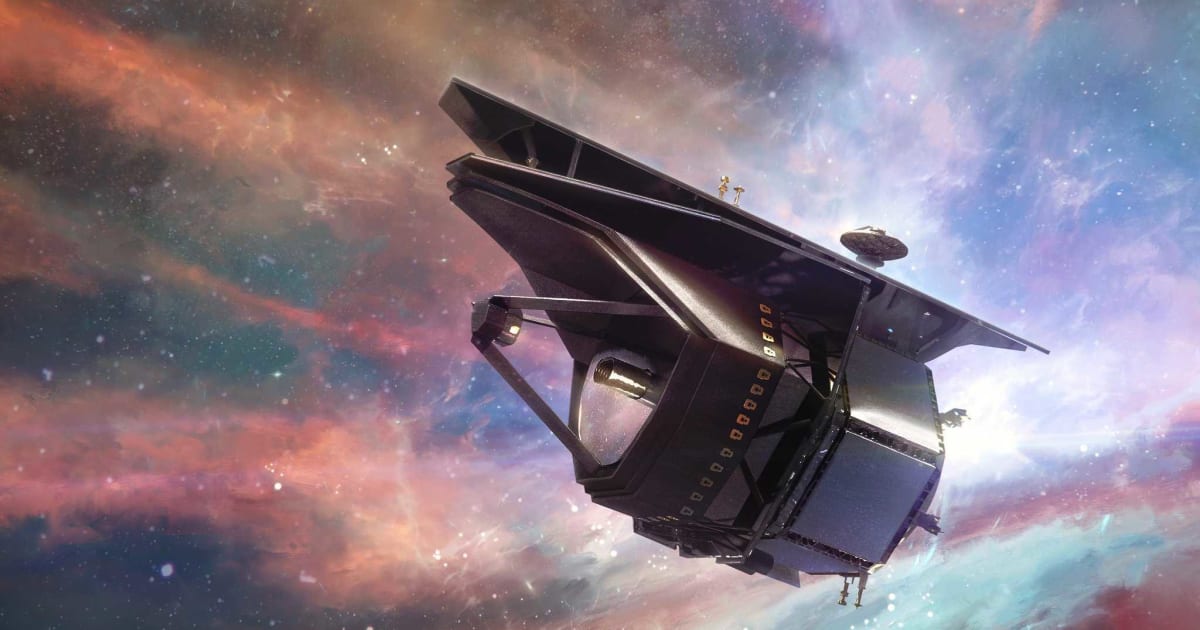
'Humanity’s next window into the deep universe': Meet PRIMA, NASA's new far-infrared telescope
The mission is expected to launch on its five-year mission in 2033.
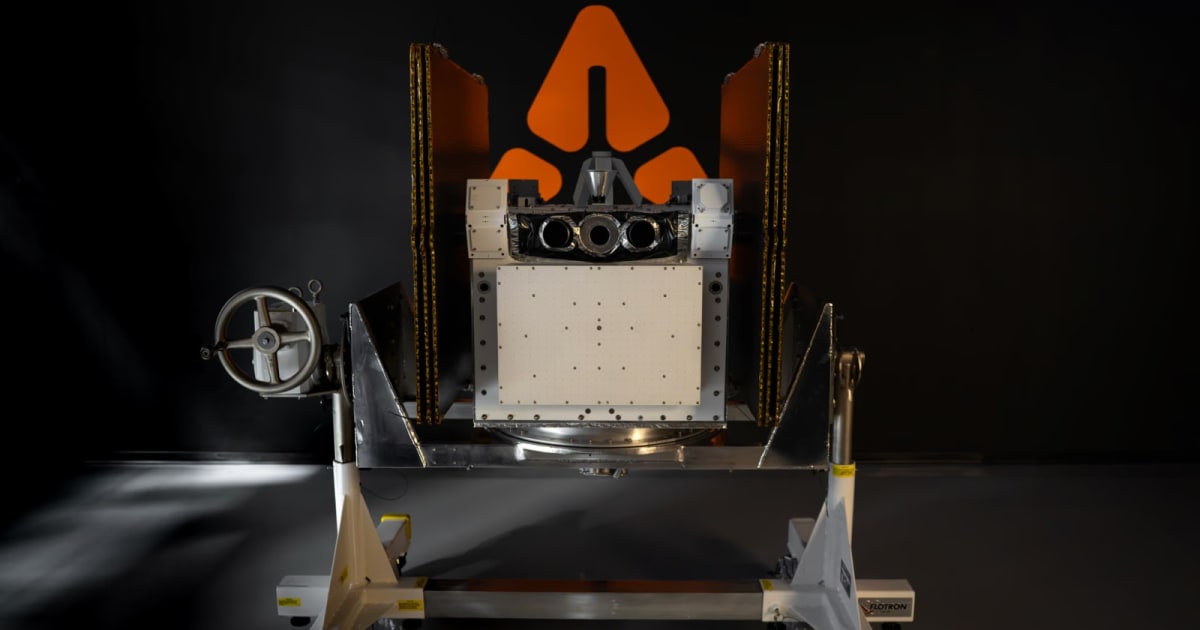
AI flying a spacecraft? U.S. firm AstroForge to launch fully autonomous mission in 2027
The AI model, named Solo, will execute the mission objectives sans any human assistance from Earth.
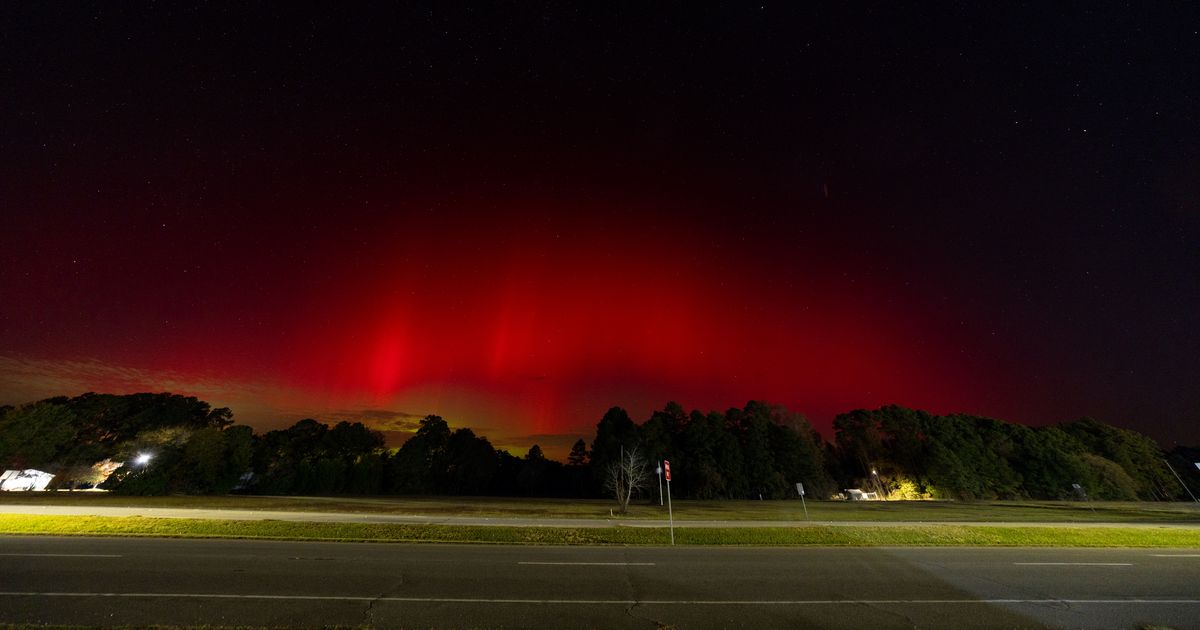
Aurora forecast: Solar storm could trigger prominent views over northern U.S. on September 24
A fast-moving stream of solar wind from a canyon-shaped coronal hole may trigger a minor geomagnetic storm as early as tonight.
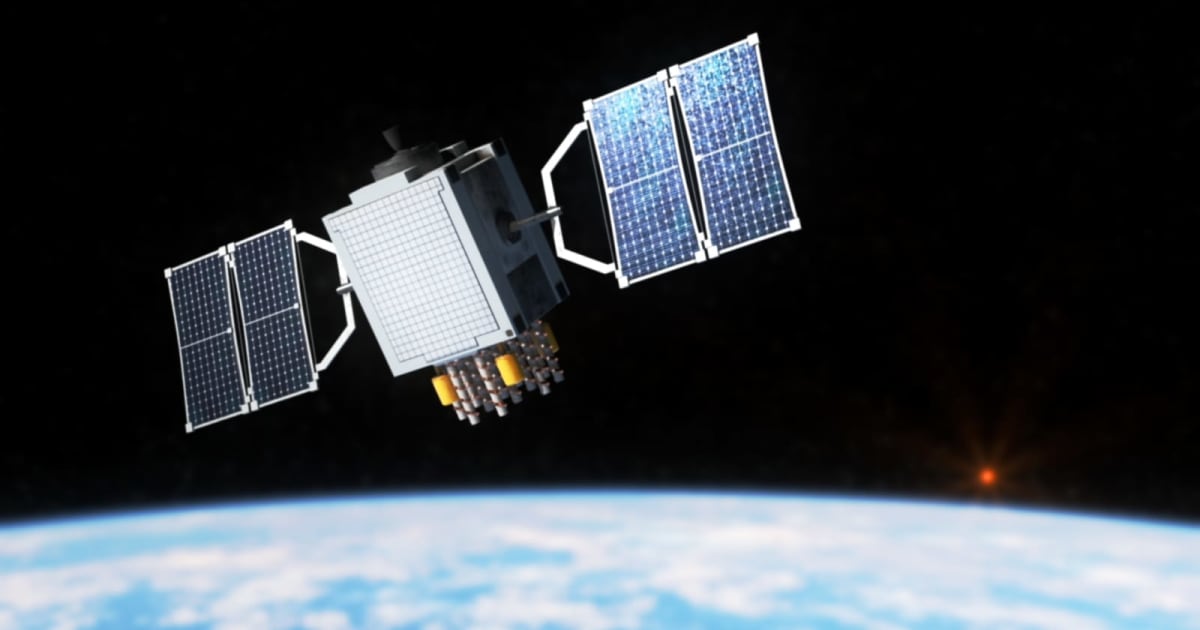
U.S. weapons in space to deter 'evolving threats': What are the risks identified by USSF?
The types of threats identified have potential to adversely affect day-to-day civilian lives.
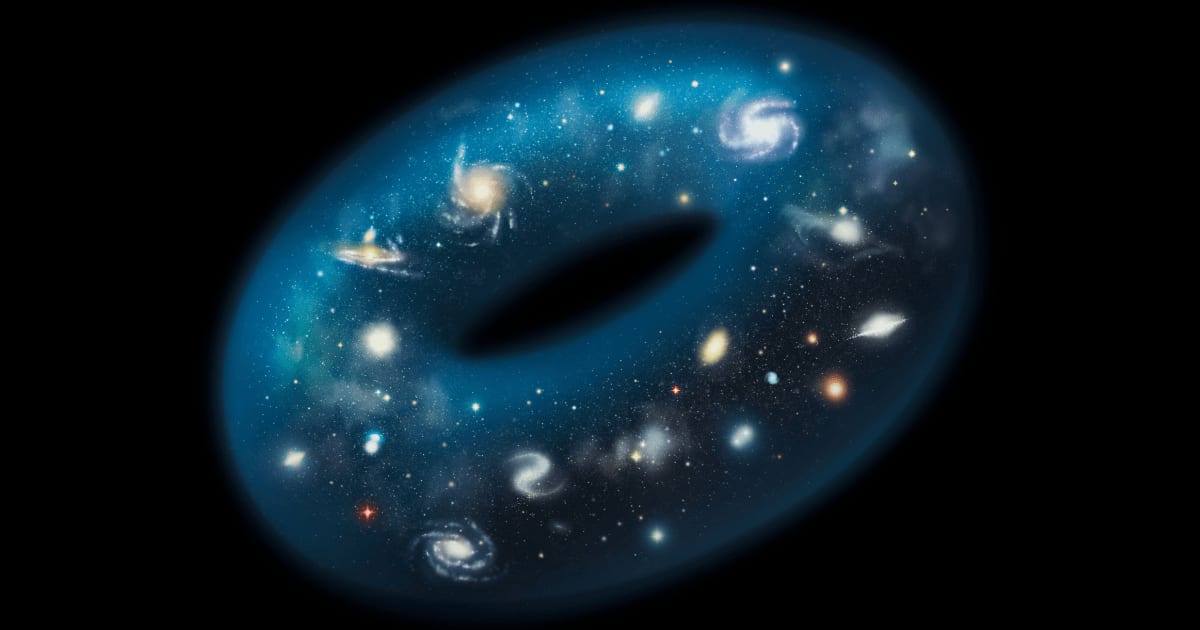
Is the universe shaped like a doughnut? Here's what researchers say
A new study points towards possible ways in which the shape of the universe can be probed.
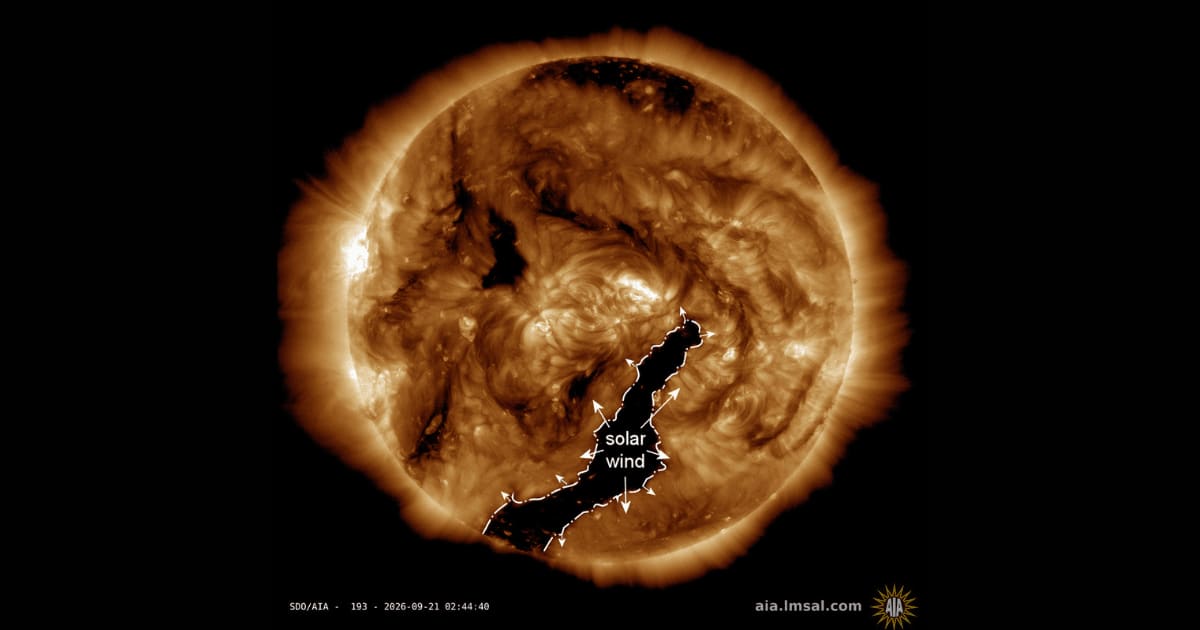
Aurora alert: Solar wind from giant coronal hole could enhance Northern Lights on Wednesday
The Sun's rotation caused the coronal hole to face our planet and a blast of solar wind is en route.
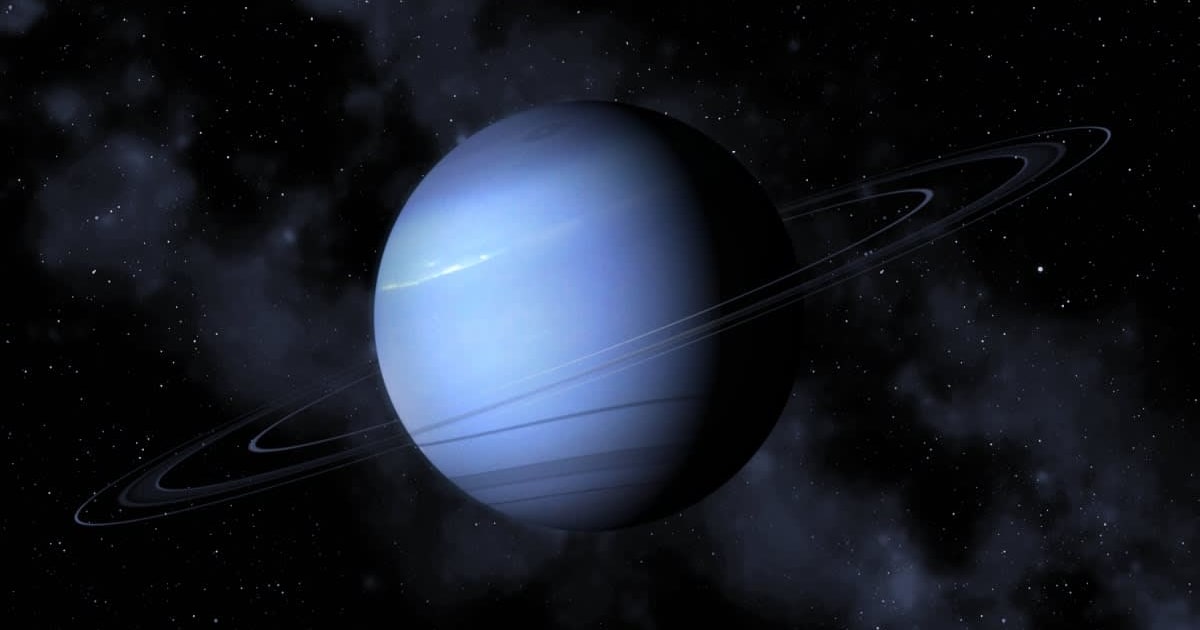
Did liquid water once exist in the outer solar system? Study of Neptune's moons provides clue
The outer solar system is a frigid place where liquid water isn't expected to exist.
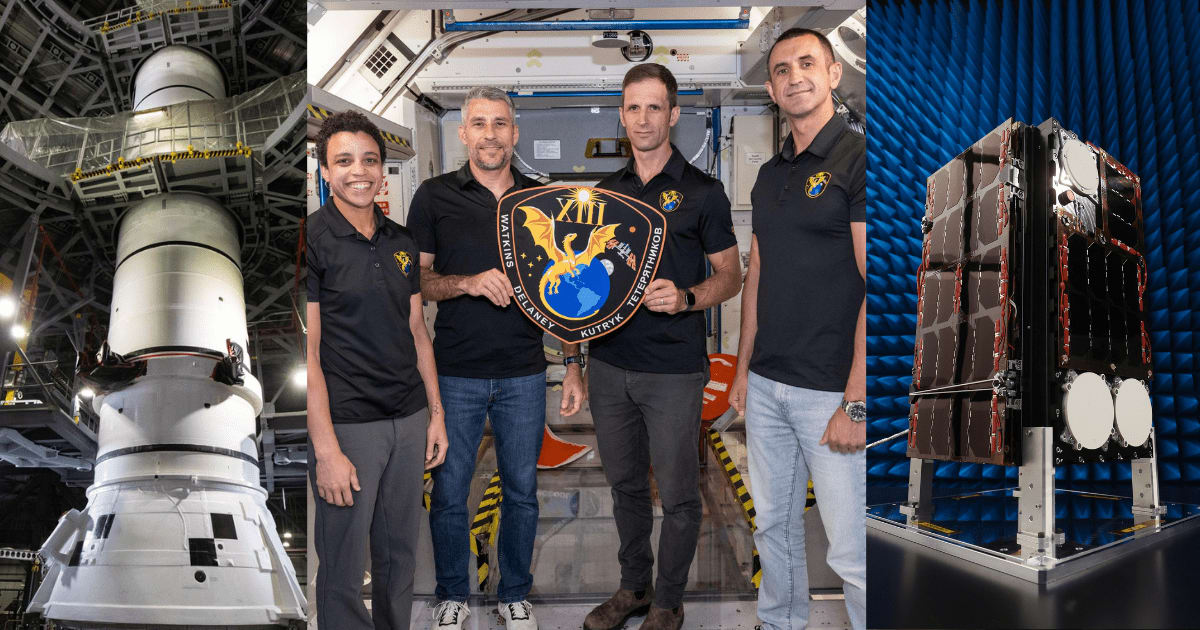
Space weekly recap, September 12–18, 2026: Key stories you may have missed
From progress in NASA's moon mission to discoveries about black holes, here's what happened this week.
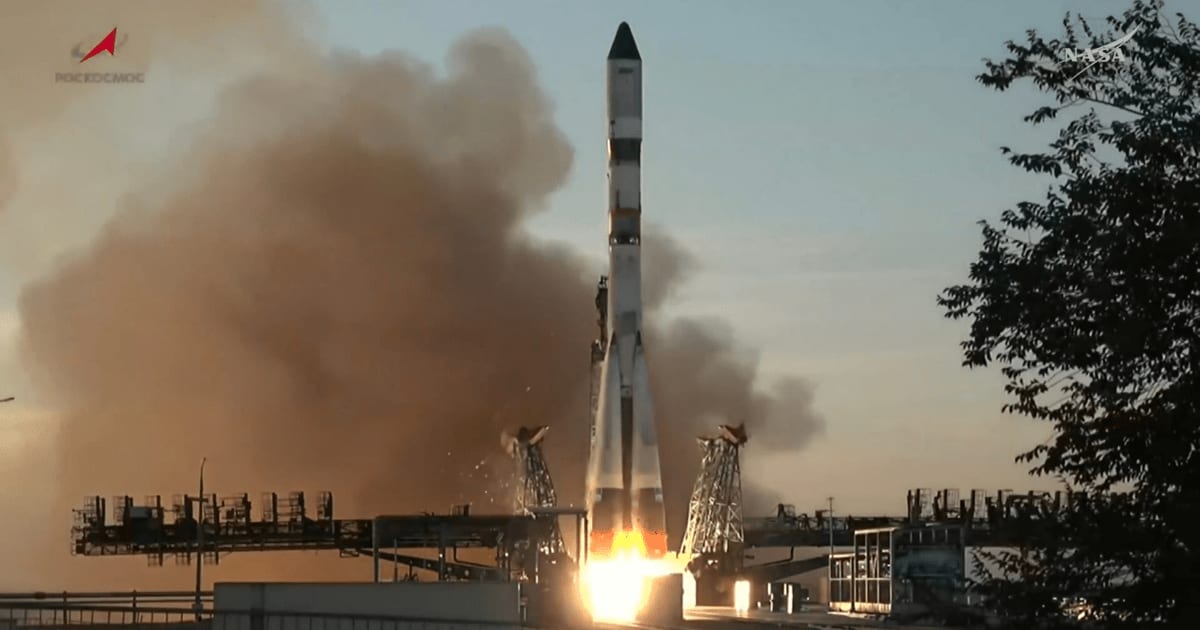
Russia's Progress 96 spacecraft finally departs for International Space Station after long delay. What's next?
The unmanned spacecraft is carrying about 3 tons of cargo to the orbital laboratory.
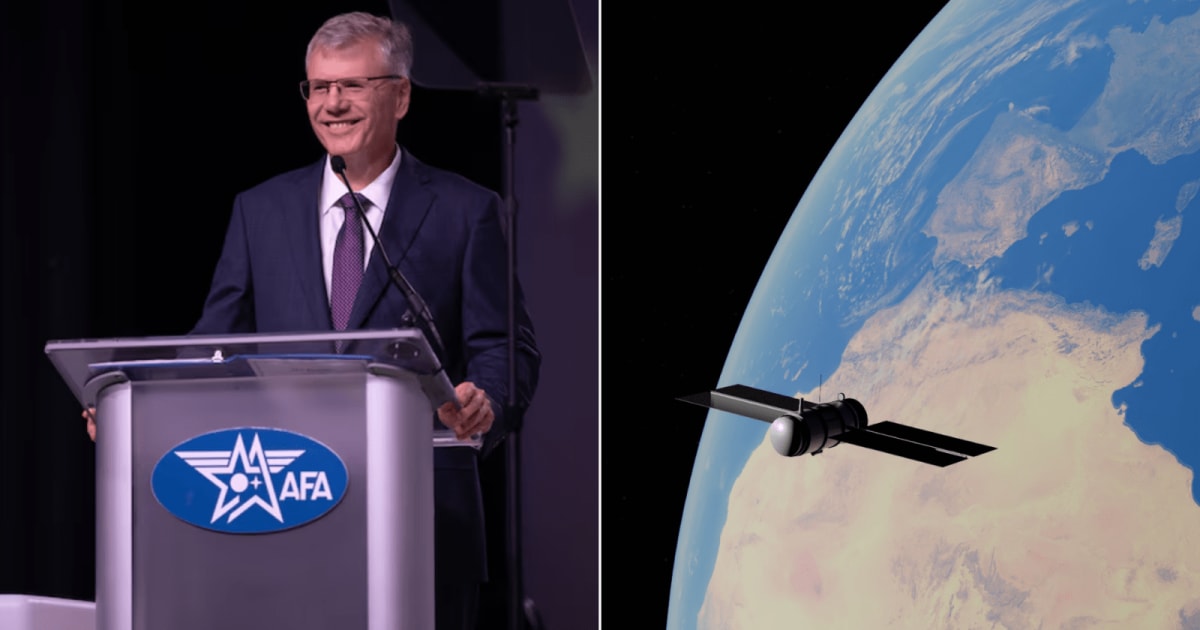
U.S. admits to deploying weapons in space for first time: Is it violating international space law?
It was a bit of an open secret already, but an explicit admission by the U.S. has stirred up a storm nonetheless, drawing criticism from both Russia and China.
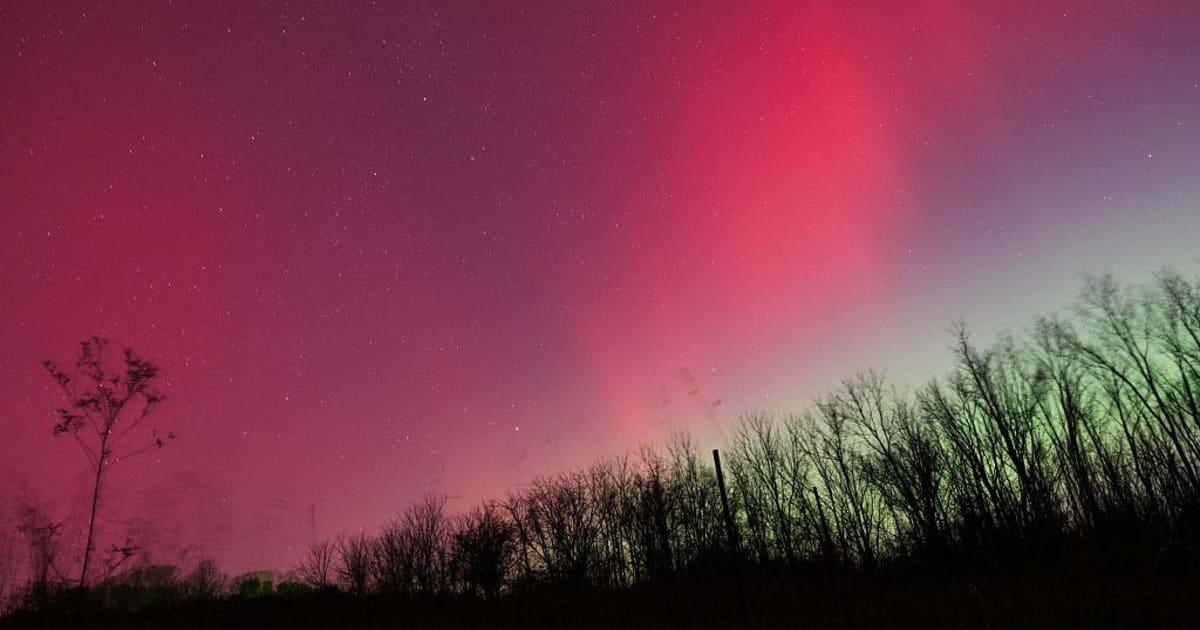
Aurora alert: Northern lights could be visible Wednesday night in Montana, Alaska and more U.S. states
The visual spectacle can be best viewed around midnight under clear and darkened skies.
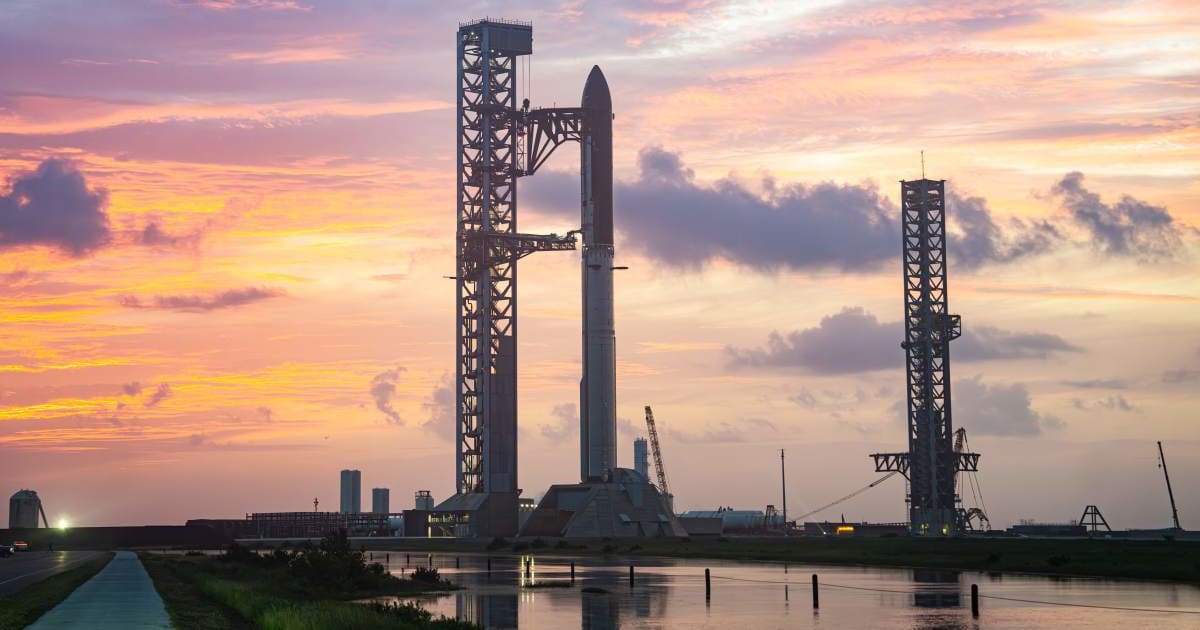
SpaceX CEO Elon Musk confirms Flight 15 will be caught; Flight 14 to launch on September 22, 2026
Elon Musk also mentioned reflying Starship in a few months' time, creating a fully reusable rocket.
What is the planetary K-index? How is it related to auroras and geomagnetic storms?
Denoted by Kp, the planetary K-index shows the intensity of disturbance in Earth's magnetosphere.
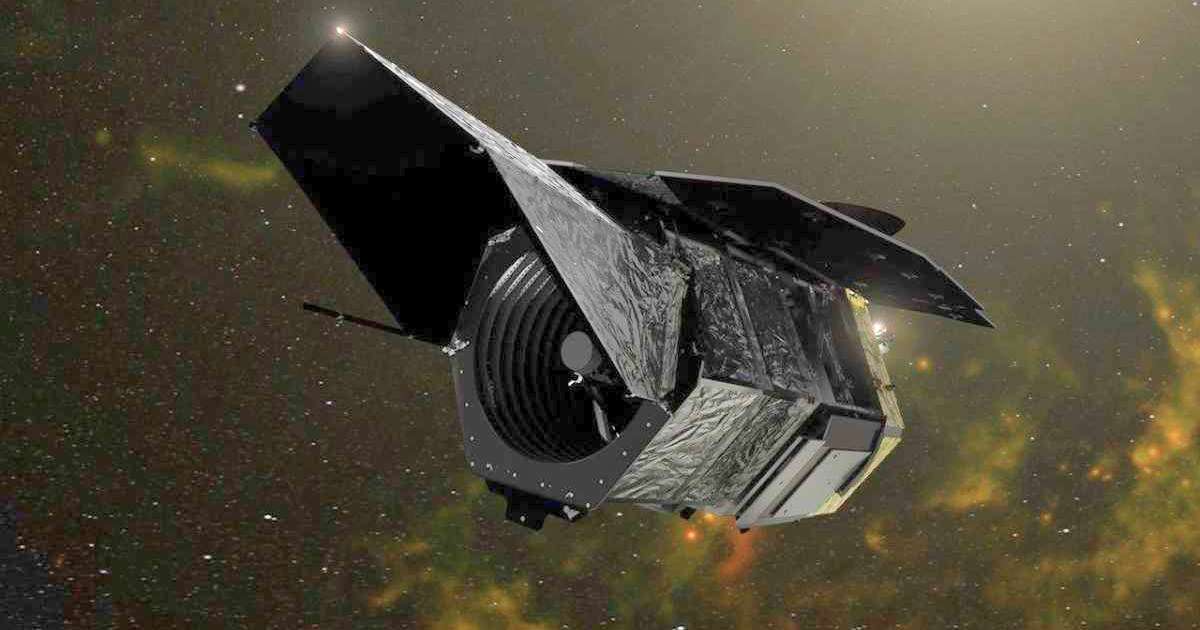
NASA's Nancy Grace Roman Telescope can now easily run for 22 years instead of 10. Here's how
The telescope was designed for a 10-year mission, including a five-year extension on top of a five-year primary mission.
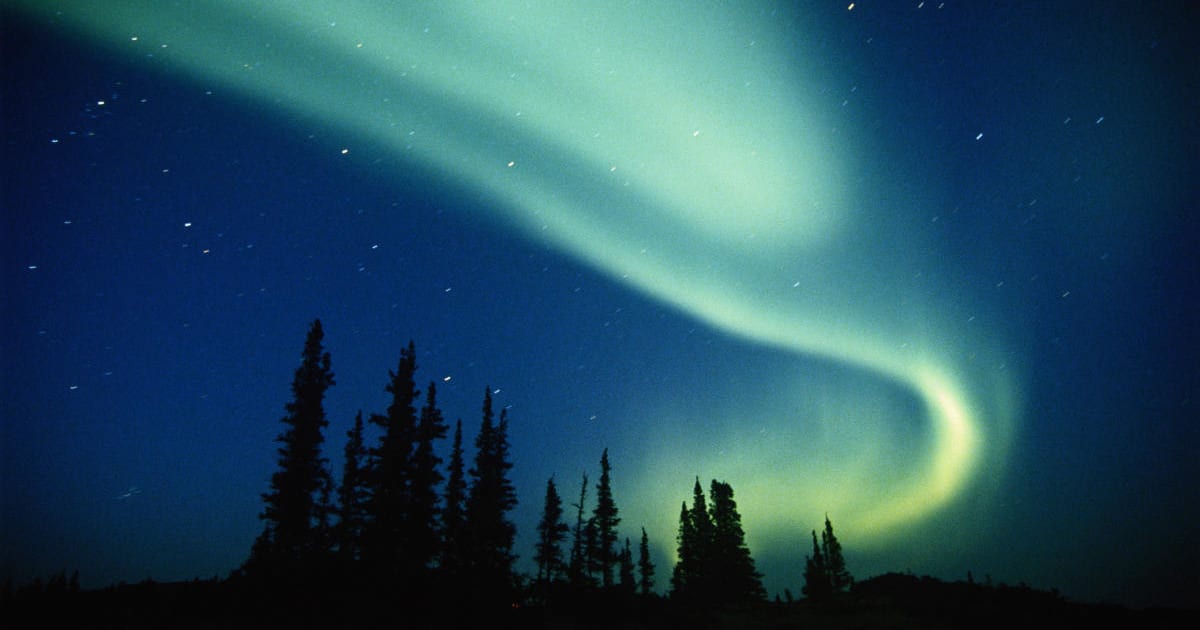
Northern U.S. could get to see the aurora on September 15-16, says NOAA's Space Weather Prediction Center
Combined effects of coronal hole high-speed streams and coronal mass ejections could see the geomagnetic field reach G1 (minor) storm levels today and tomorrow.
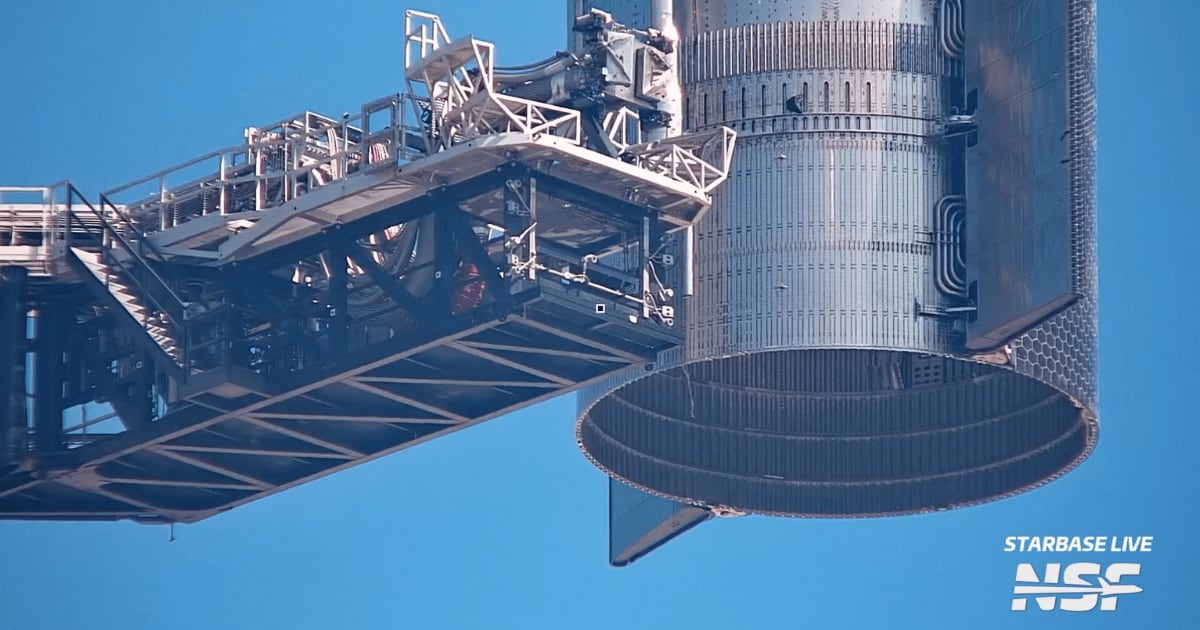
SpaceX hoists Starship upper stage on chopstick arms: Could Flight 15 finish with a tower catch?
Flight 15's Ship 42 underwent chopstick testing on September 11 and 12 at SpaceX's facilities in Starbase, Texas.

Space weekly recap, September 5–11, 2026: Key stories you may have missed
New rockets for NASA, discovery of new cosmic objects, and some watchdog reports round out the week.
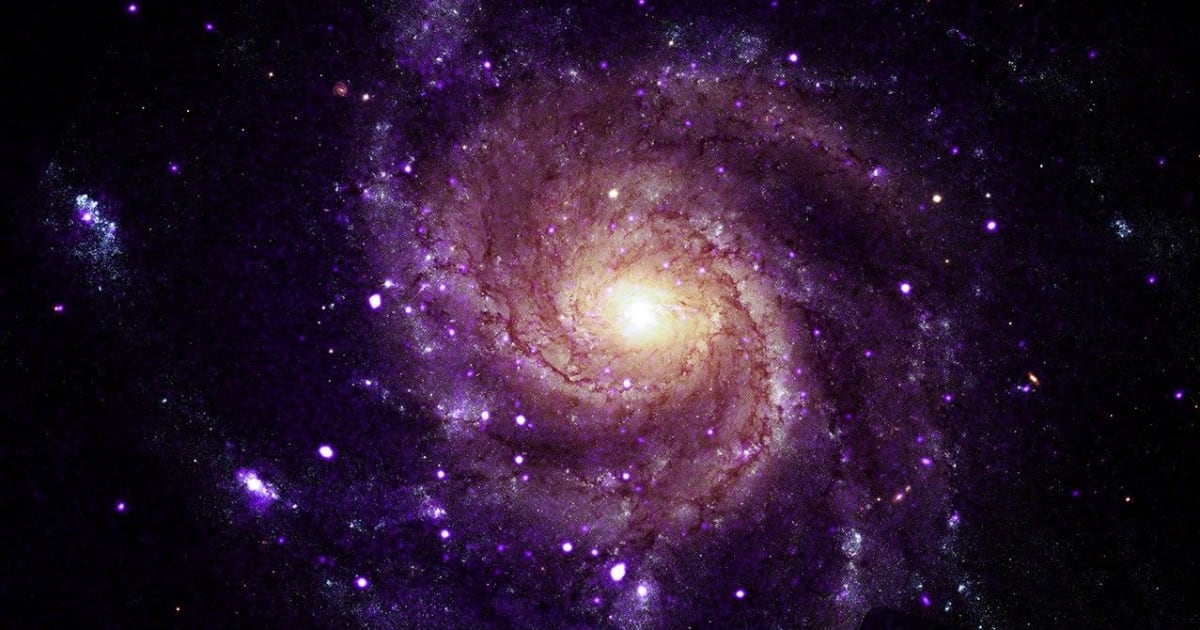
"Never encountered objects that act like this": NASA’s Chandra reveals a new class of cosmic objects
The scientists found these sources among objects that appeared in the lowest X-ray-energy images in the Chandra archive but disappeared in higher-energy images.
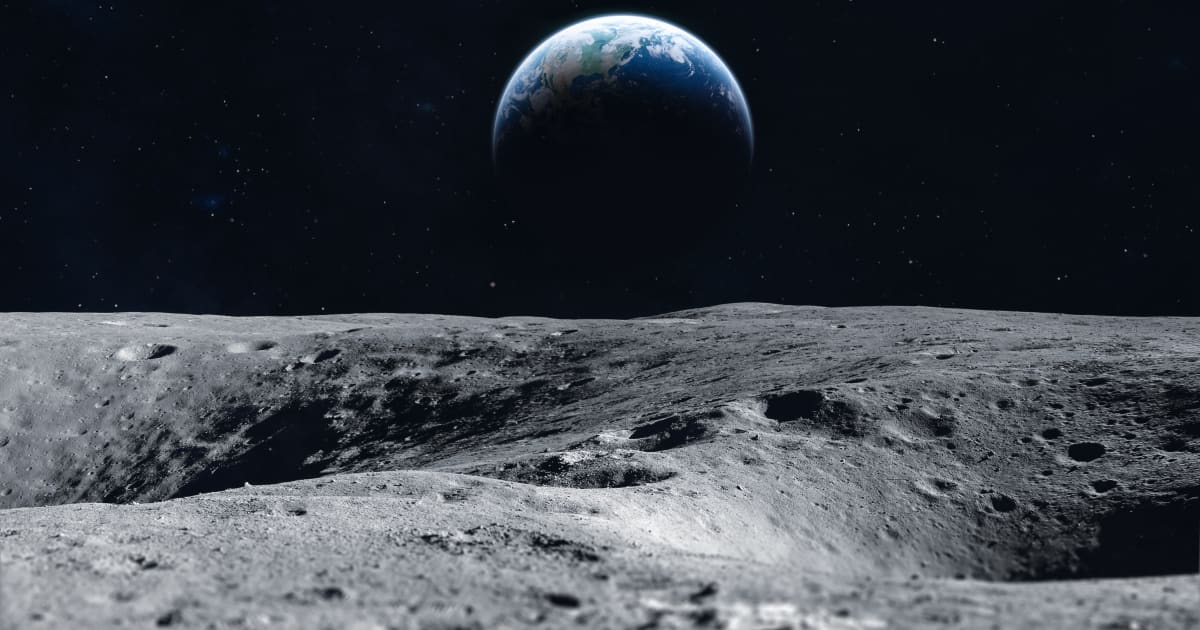
Could the Moon be hiding signs of ancient alien technology? SETI scientist proposes how we might find them
The research, led by a SETI scientist, takes a completely different approach to the existing efforts of searching for life beyond our planet.