Scientists have discovered new heat-resistant amoeba—and it could help find alien life
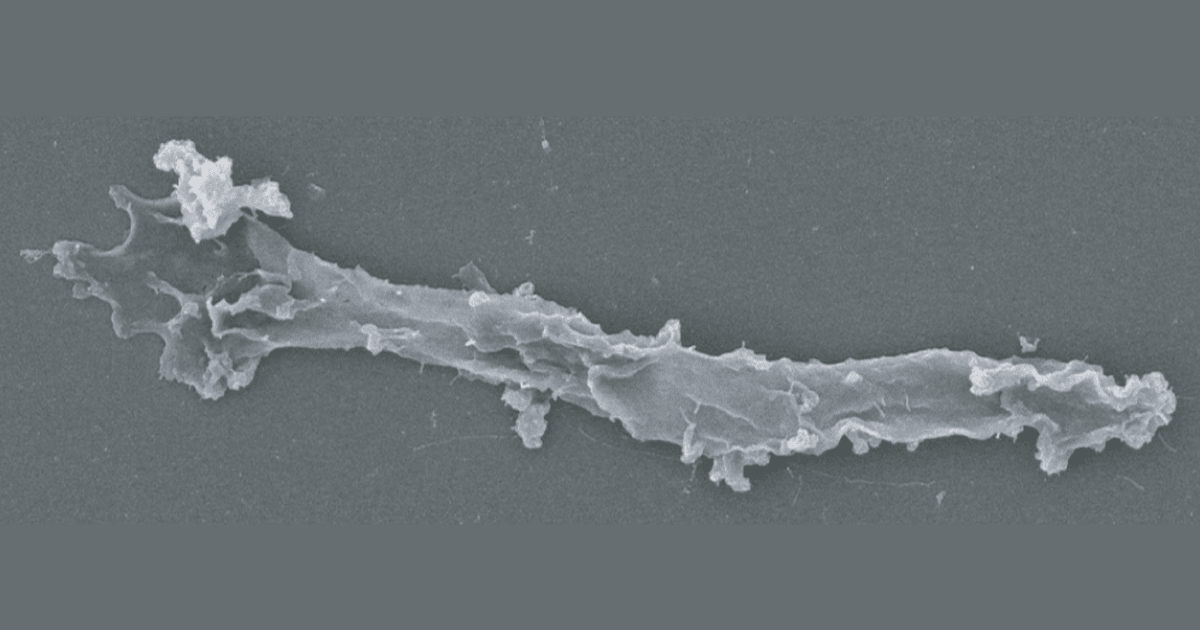
![Scanning electron microscopy (SEM) of I. cascadensis in amoebiform state. [Cover Image Source: Rappaport et al. (2026). DOI: 10.1016/j.cell.2026.08.043]](https://d3hedi16gruj5j.cloudfront.net/818083/uploads/844b1000-b7ed-11f1-ba3b-05f54fce9422_1200_630.jpeg)
Scientists supported by NASA have discovered an organism that can feed and reproduce in conditions thought to be too hostile for complex life. These single-celled organisms—commonly known as fire amoeba—found in the geothermal springs at Lassen Volcanic National Park in California could have major implications for humanity's search for life beyond our planet.
A tiny amoeba broke complex life’s heat record and could broaden the search for habitable worlds. 🔥
— NASA Solar System (@NASASolarSystem) September 22, 2026
NASA-supported researchers found the first known eukaryote able to reproduce at 145°F (63°C), hotter than scientists thought complex cells could withstand.… pic.twitter.com/iXDNKhDAIt
This unicellular organism’s scientific name is Incendiamoeba cascadensis. Because of their ability to survive in conditions that border on completely inhospitable, organisms like I. cascadensis are referred to as extremophiles. "Studying extremophiles helps us better understand the biochemical and physiological limitations of life as we know it on Earth," said Alison Olcott, program scientist for Exobiology at NASA Headquarters in Washington, in a statement. "This information, in turn, helps guide NASA’s search for life as it expands the range of conditions we think life could potentially be inhabiting elsewhere."
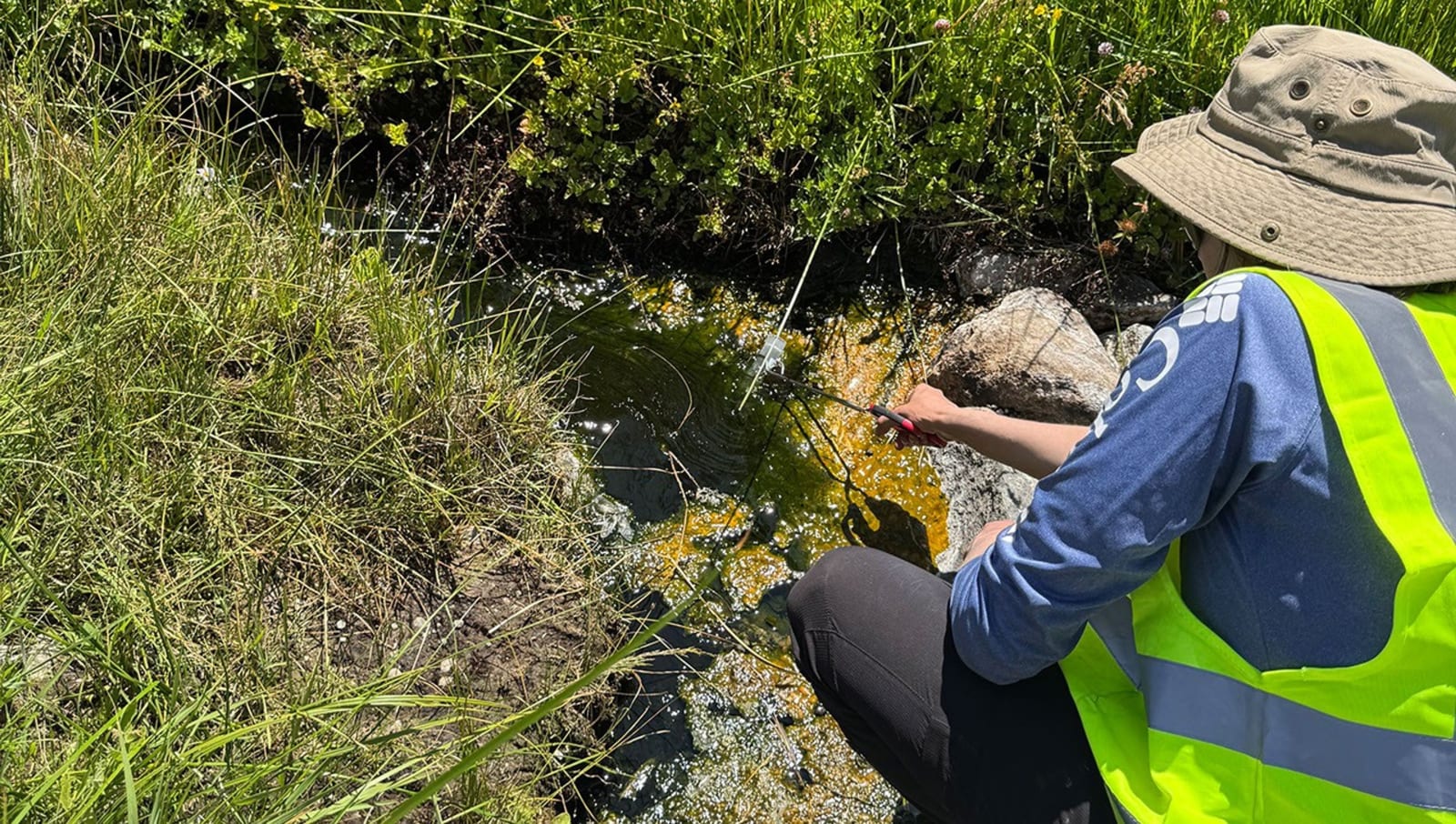
The previous record of extreme heat tolerance for eukaryotes—complex organisms with a separate cell nucleus—was set by certain fungi and red algae, which can survive temperatures up to 60 degrees Celsius. Fire amoeba, however, can reproduce even at 63 degrees Celsius. What’s more, the scientists noticed that they could move around to search for food at temperatures up to 64 degrees Celsius. These findings were published in the journal Cell on Tuesday, September 22.
The study also involved sequencing the fire amoeba genome. Beryl Rappaport, a graduate student at Syracuse University and lead author of the paper, said that the organisms had developed special mechanisms to protect themselves. “For instance, some proteins in I. cascadensis have a high positive surface charge that could help them remain stable," said Rappaport. Such amoebas could be discovered elsewhere on Earth as well, given that similar pieces of DNA have been found in places such as Yellowstone National Park in Wyoming and even in New Zealand. "Finding eukaryotes surviving in high temperature environments not only expands our understanding of where life could be found, but also of how complex that life could be," Olcott added.

That said, it is important to understand that temperature alone doesn’t dictate the presence of life. Rappoport explained that multiple things like the right atmospheric pressure, acidity, oxygen levels, water, and food are also required for life to thrive. Even if that life form is as resilient as the fire amoeba. “It could certainly be possible for complex life like I. cascadensis to survive on another planet, but Earth is the only planet we currently know of to have all the requirements for I. cascadensis to be happy,” Rappaport said. Nevertheless, the search for life beyond our planet continues. In fact, a recent study led by SETI (Search for Extraterrestrial Intelligence) proposes looking for microscopic technological debris from intelligent alien civilizations that might have existed before us. Building on a proposal made in the 1990s, the study suggests that such debris could be hiding in the dust of the Moon. Upcoming Artemis and Chang'e missions could test this theory, considering they are expected to bring back large amounts of lunar samples.
More on Starlust
Radio signals seen directly from an exoplanet for the first time—here's what astronomers found
ESA’s Plato, set to hunt Earth-like exoplanets, is now ready for launch after acing final tests