U.S. weapons in space to deter 'evolving threats': What are the risks identified by USSF?
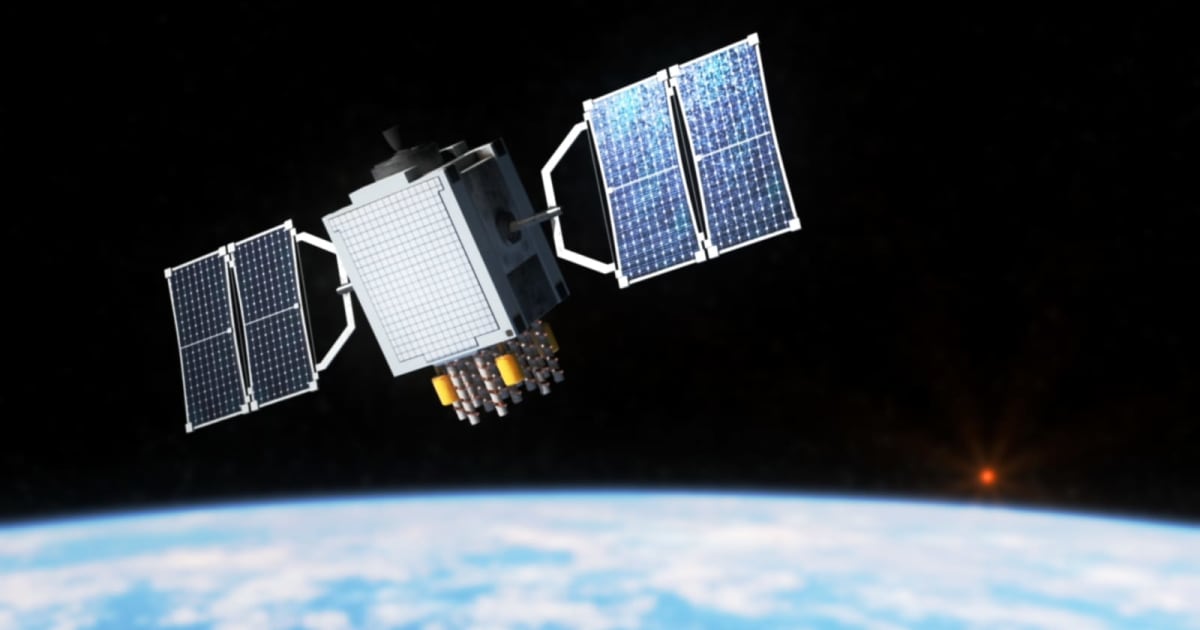
The U.S. military last week publicly declared that it had put weapons in Earth orbit, marking the first acknowledgement of the militarization of space by a superpower. While little is known about the capabilities of these "space control" orbital weapons operated by the 2019-established U.S. Space Force (USSF), the announcement cited "evolving threats" that necessitated the deployment of arms in space. But what are some of these risks? The USSF's Space Systems Command classifies these threats, describing them as not a thing of the future, but as "real … and here today." Here's a rundown.
Space threats are real. To counter them, #SpaceForce is accelerating space acquisition, ensuring we rapidly deploy the capabilities needed to protect our domain. See our video series From Science Fiction to Science Fact: https://t.co/rrQVZD7nrU pic.twitter.com/yzpui4dtmT
— Space Systems Command (@USSF_SSC) September 22, 2026
Cyber attacks
The SSC has named cyber attacks as the first of the many threats the space force must deal with. Per the SSC, such attacks can use information as a weapon. Possibilities include U.S. satellites being hacked, which could cause significant disruptions to vital infrastructure. Such an attack could leave communications crippled, which would be disastrous for the USSF.
Electronic warfare
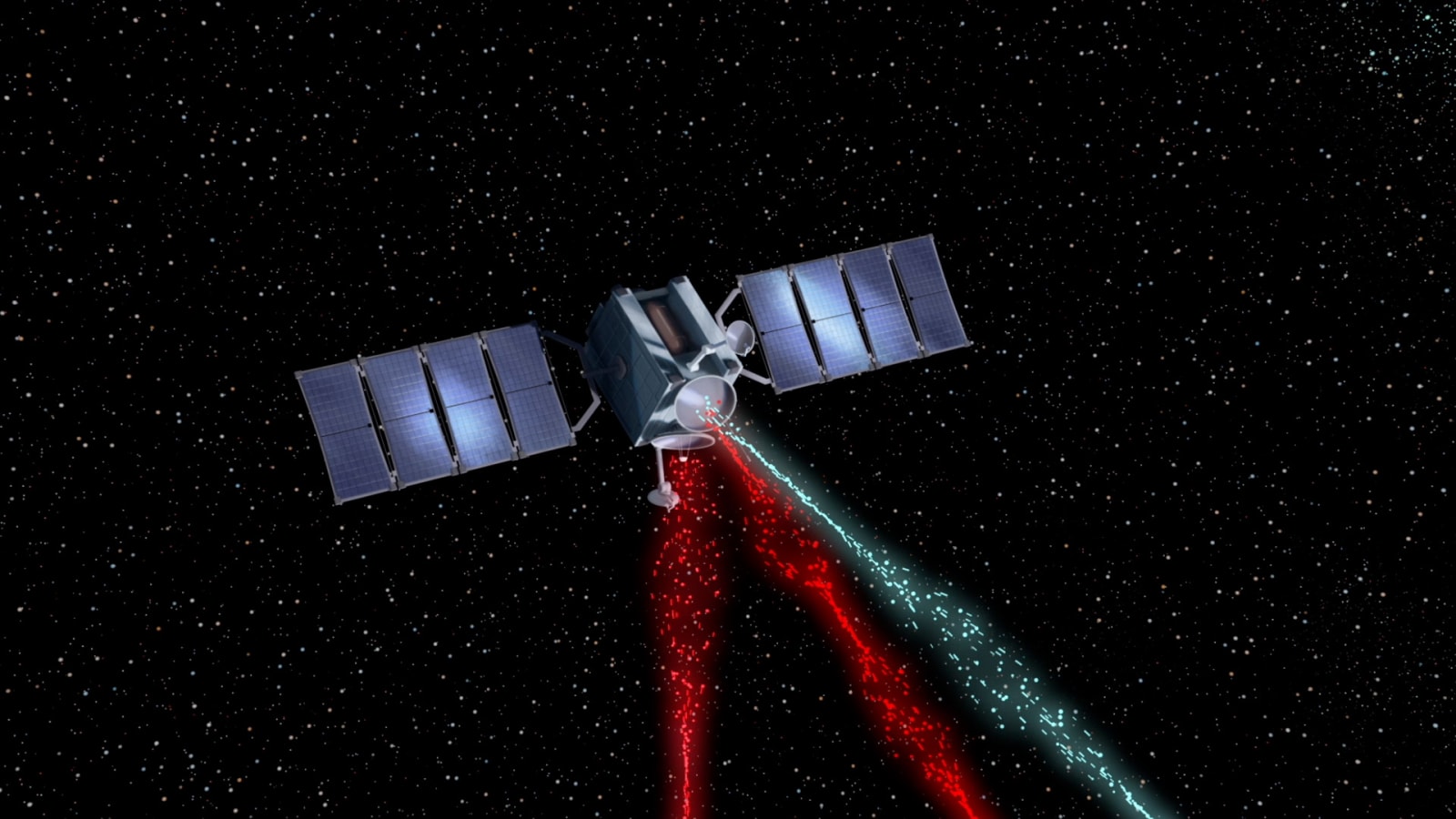
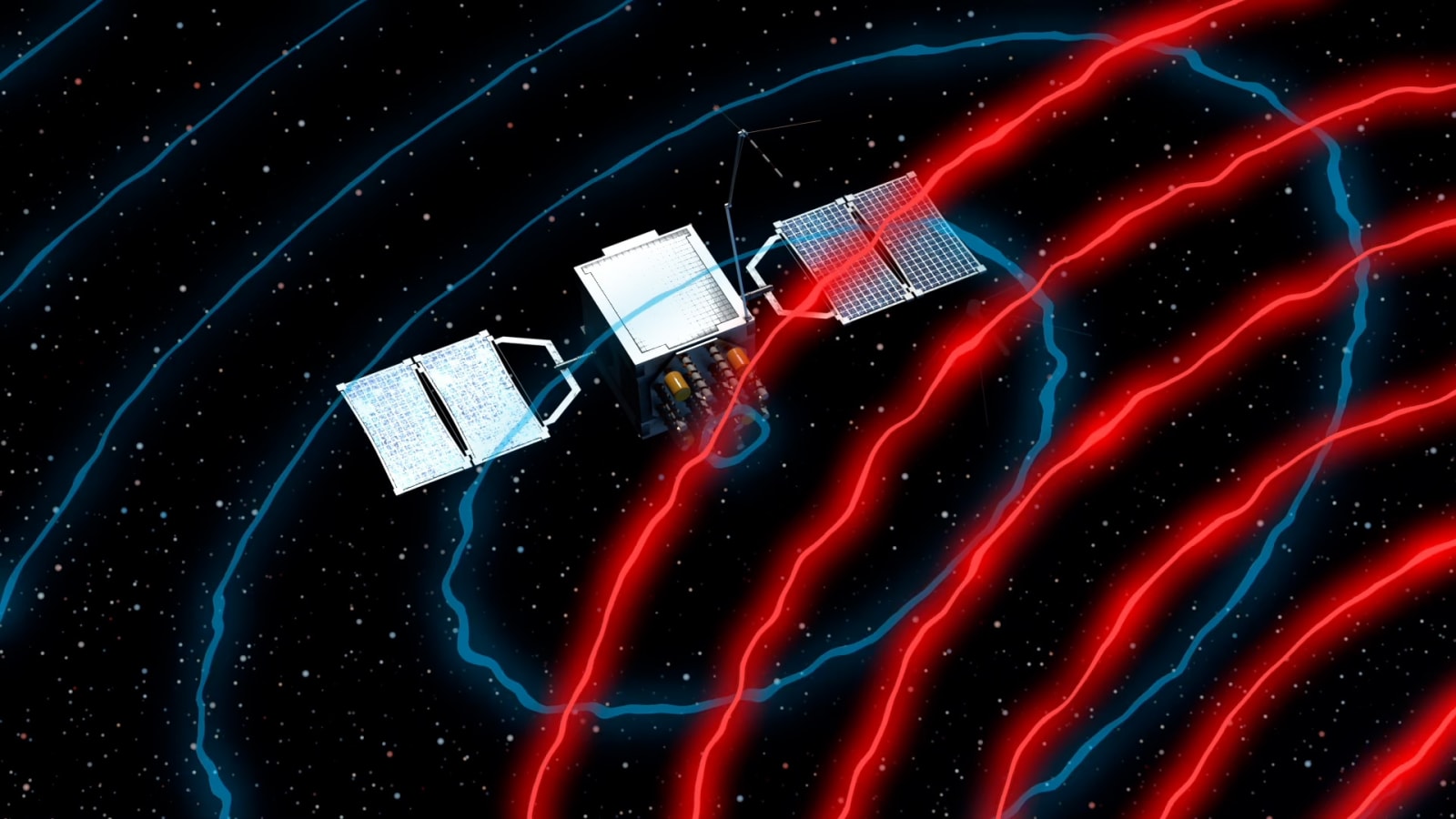
Another type of threat coming from adversaries could be the jamming or 'spoofing' of signals travelling between various components of the U.S. space defense systems. Jamming causes interference to signals by matching their frequency using large amounts of electromagnetic energy to drown out legitimate communications, while spoofing tricks receivers with fake, deceptive data. The USSF deals with jamming by ‘frequency hopping’, which means continuously switching between frequencies.
Directed energy weapons
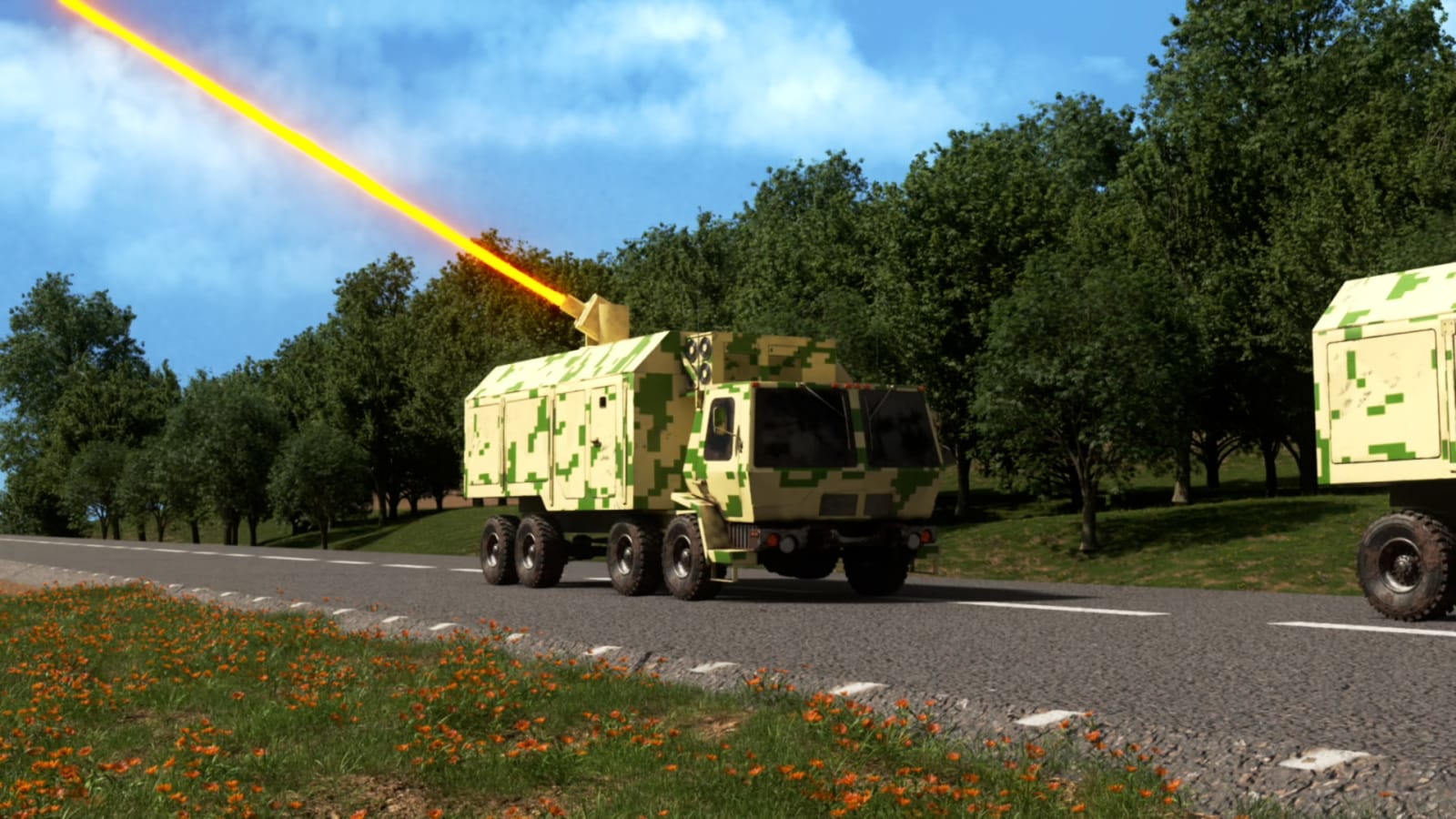
While the top brass at USSF did not specify the kind of space weapons they have deployed, the SSC has mentioned the kind of arms it must defend against. These are called directed-energy weapons, which make use of high-energy beams like lasers to “blind” electro-optical sensors on satellites, which could cripple reconnaissance and intelligence gathering. Since these lasers can be beamed from the ground, maintaining them is easy for those using them.
Kinetic energy weapons
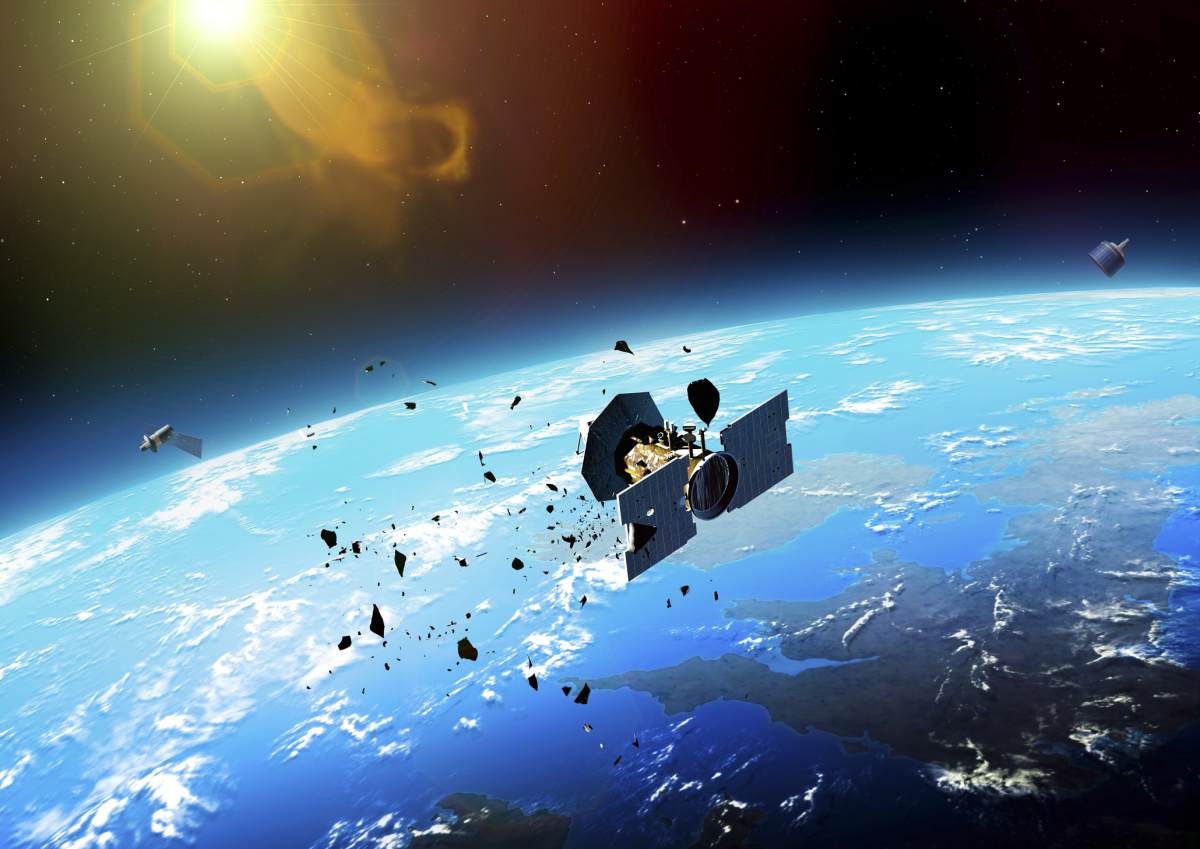
Easily the most potent of the space weapons described thus far, kinetic-energy weapons can be used to physically destroy satellites rather than just cause them to malfunction. Examples can include another spacecraft being made to deliberately crash into a USSF satellite, or using dedicated missile warheads to do the job. The danger that comes from kinetic-energy weapons doesn't come from the impact alone, as the resulting space debris could cause a lot more destruction to other satellites in orbit with a cascading effect, potentially triggering what is known as the Kessler syndrome.
High-altitude nuclear detonation
Perhaps even more destructive than kinetic-energy weapons, a nuclear weapon set off in space could affect all of our daily lives. Not only could defense satellites be destroyed with the same aftereffects as those caused by kinetic-energy weapons, but they could wreak havoc on civilian spacecraft as well. The burst of radiation has the potential to render GPS and communications satellites impaired or simply damaged. The higher the explosion, the greater the scope of these effects will be. According to the SSC, such technologies have been known to be developed by both the U.S. and the former Soviet Union as far back as the 1950s when the space race was brewing.

Orbital attacks
Spacecraft launched under the pretext of carrying out civilian tasks could potentially be used to specifically target and destroy U.S. orbital assets. Such spacecraft may be equipped with chemical sprayers, robotic arms, or tracking instruments. These spacecraft could even be used to destroy satellites via a direct collision, much like kinetic-energy weapons.
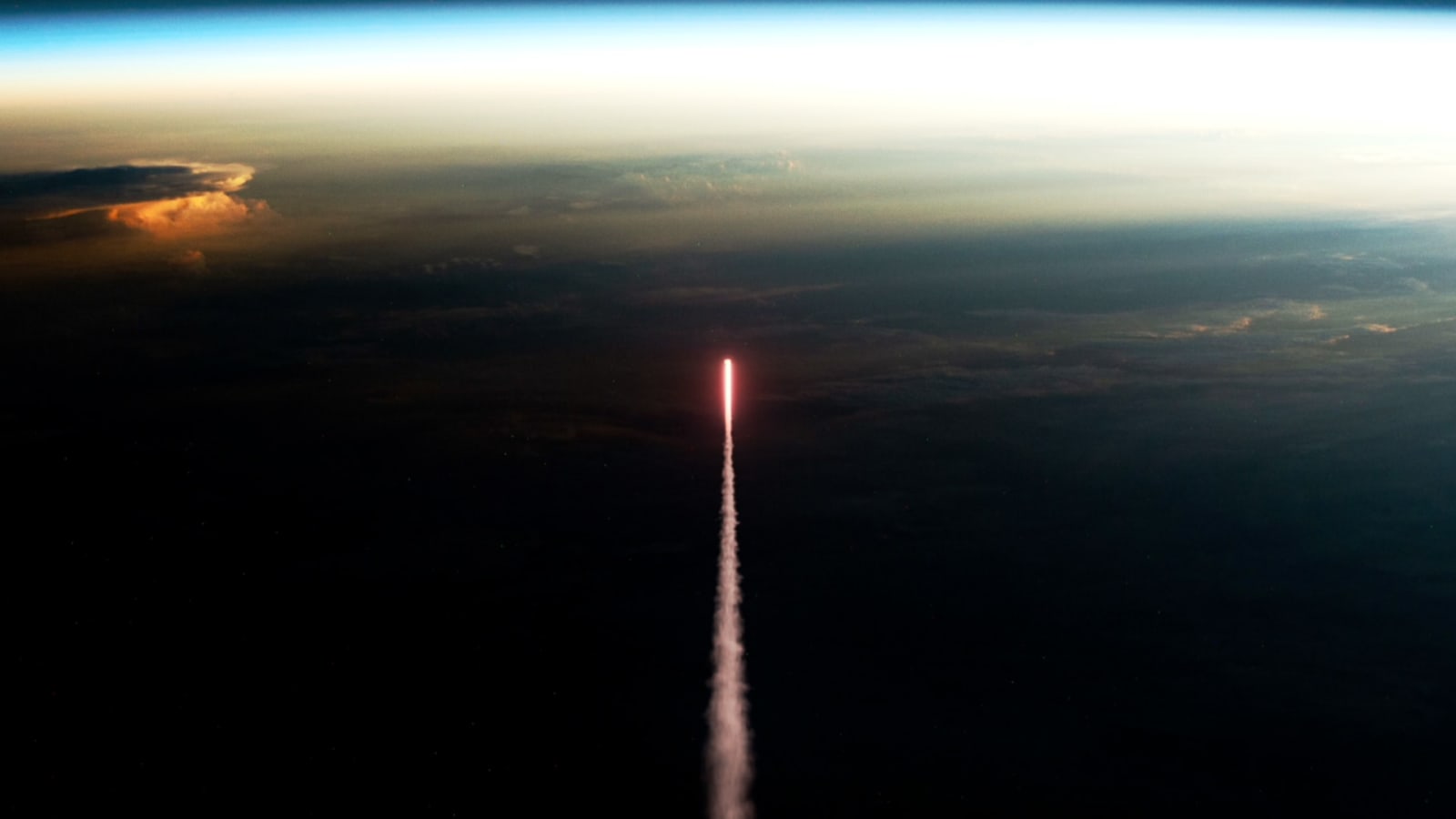
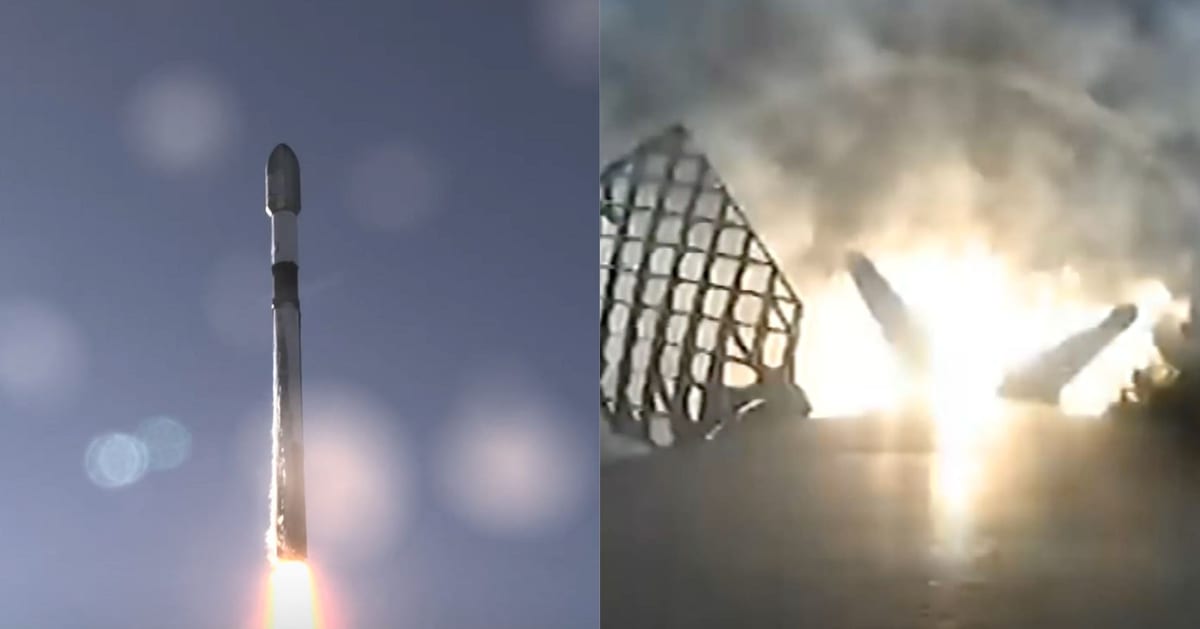
While it is not known when the USSF deployed orbital weapons, the space force occasionally launches missions through its industry partners like the Elon Musk-owned aerospace company SpaceX. Recent launches by the space force using SpaceX rockets included classified missions such as the USSF-153 and the USSF-259, both launched earlier this month. A third mission, USSF-385, is also scheduled for September 2026, with SpaceX eyeing a launch from Vandenberg Space Force Base in California on September 26.
More on Starlust
'Catastrophic': Million-satellite 'ring' around Earth could be crippling for observational astronomy