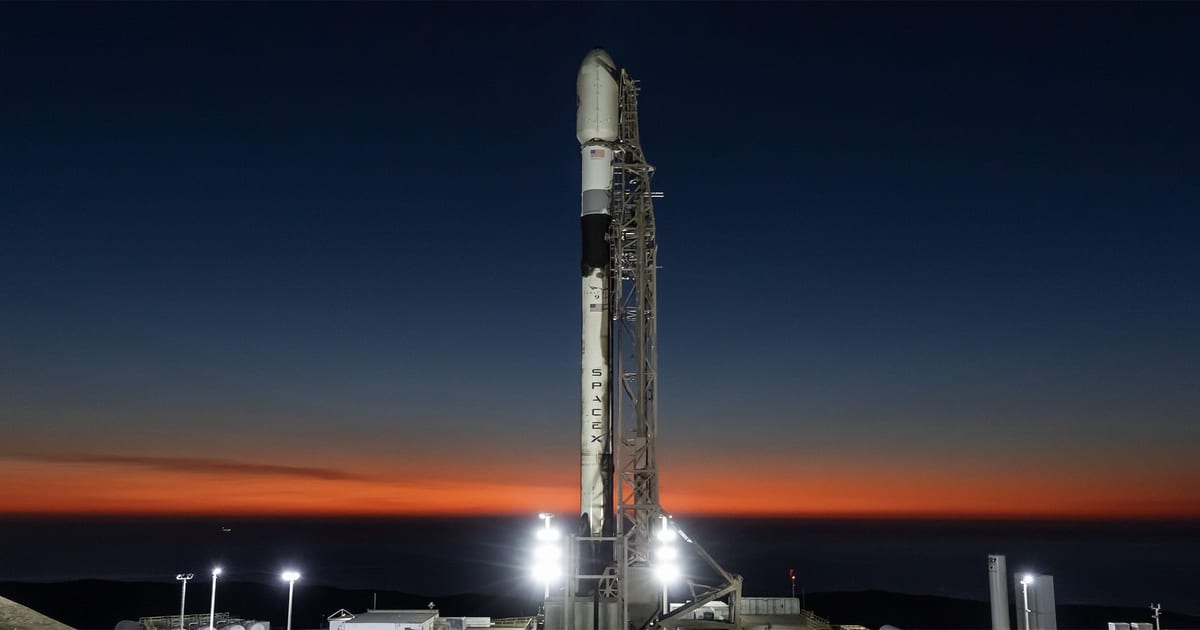
SpaceX hoists Starship upper stage on chopstick arms: Could Flight 15 finish with a tower catch?
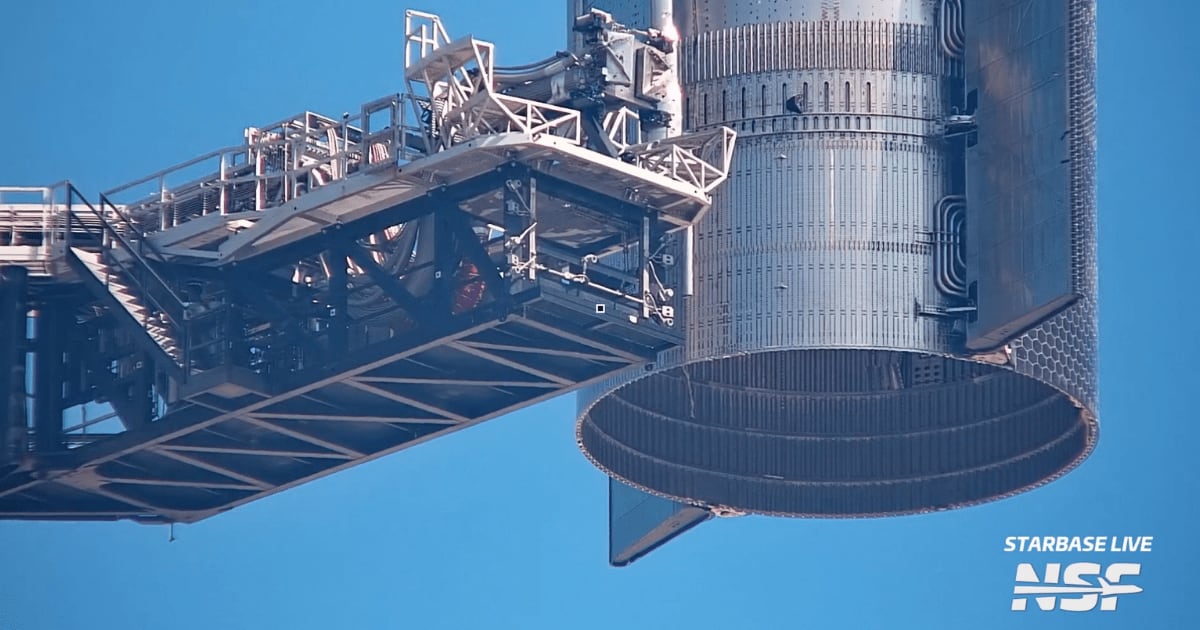
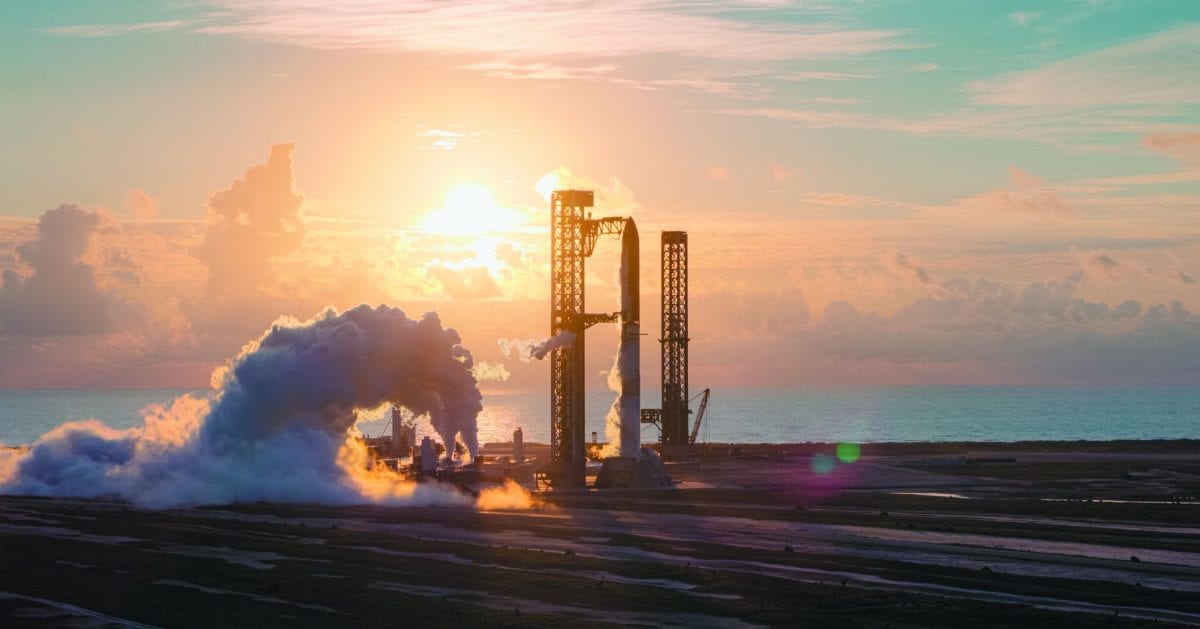
Ship 42—the Starship upper stage to be used for Flight 15—reportedly underwent chopstick testing on September 11 and 12. The testing, which took place at Pad 2 in SpaceX's facilities in Starbase, Texas, also included the first connection of the quick disconnect arm—meant for loading propellant—to a Starship upper stage. While SpaceX hasn't announced a date for Flight 15 yet, the two-day-long testing could mean that the company may be planning to catch Ship 42 instead of having it splash down in the ocean.
While SpaceX has caught Starship's Super Heavy booster three times already, it is yet to attempt the maneuver with the upper stage. CEO Elon Musk announced in August that Flight 14 would be the first Starship mission to end in an upper stage catch. However, the plan was soon discarded, with Musk saying that it would be a few months before the maneuver is attempted. He had also said that Flight 14 would tentatively take place at the end of August itself, but it's September already, and the company is yet to officially announce a date.
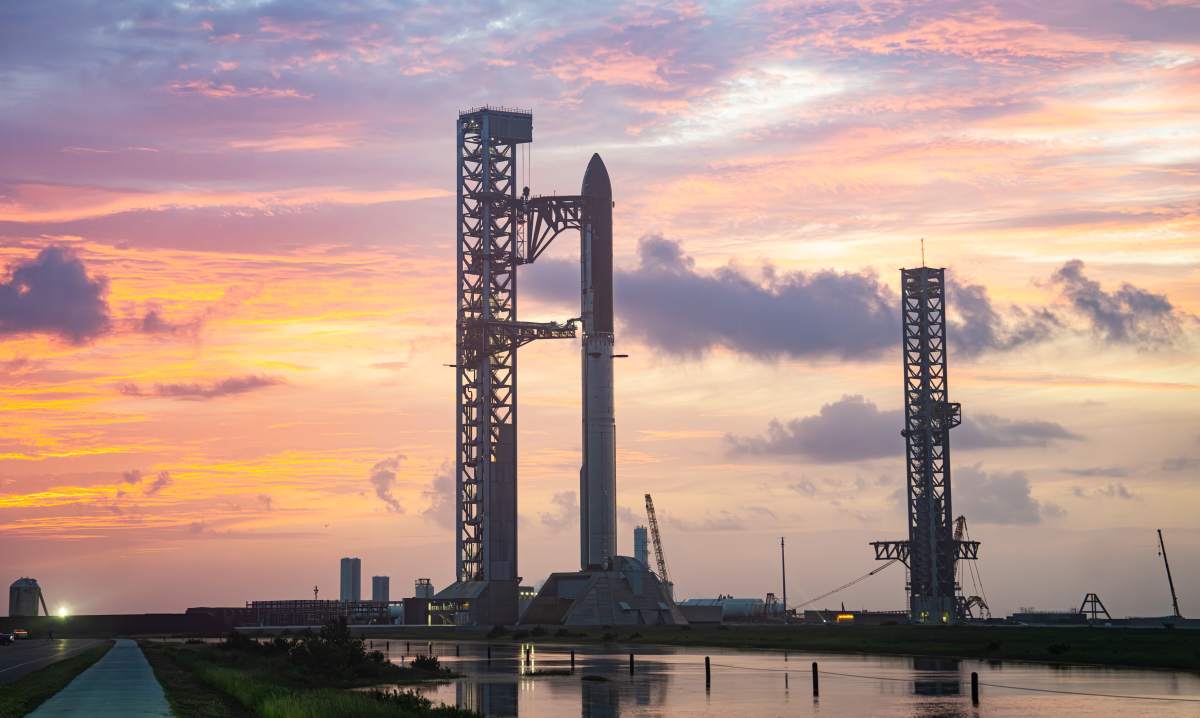
While SpaceX didn't provide an explanation, it's likely that Flight 13's data was not encouraging enough to attempt something as risky as the catch maneuver. The risk stems from the possibility that any misalignment during the controlled descent could result in catastrophe at the newly built Pad 2. A much safer option is to have the upper stage perform a landing maneuver in the ocean. Musk, in fact, had also stated that had a catch tower been located at sea, Starship would probably have been successfully caught.
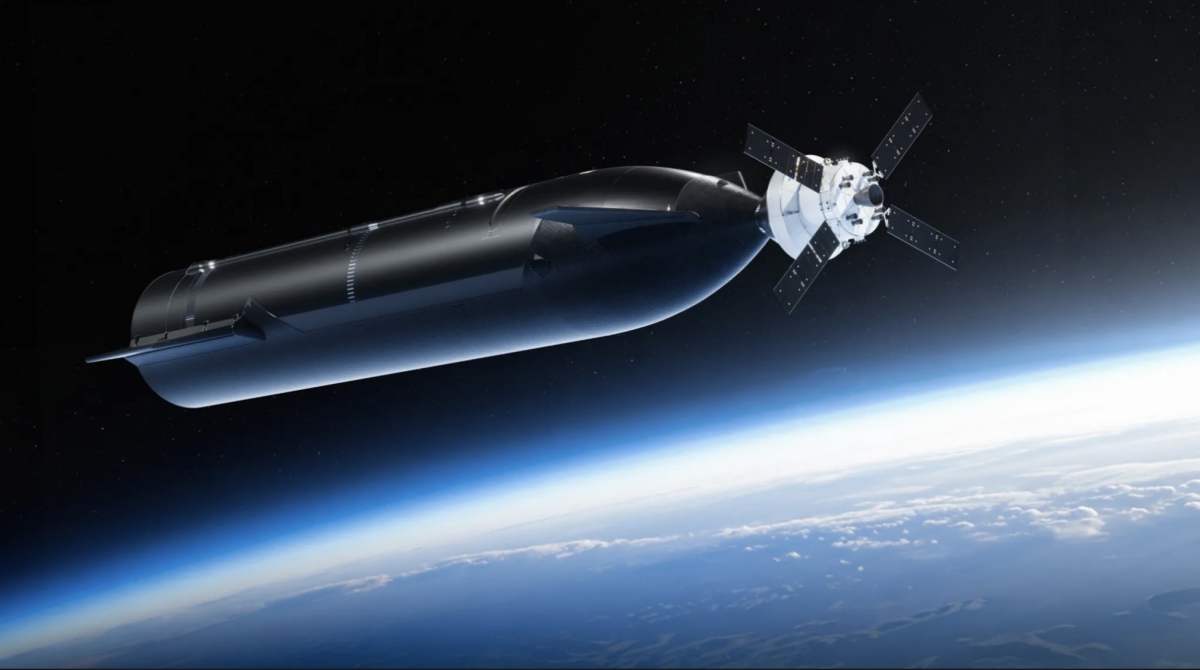
Nevertheless, the two-day-long chopstick testing may hint that a tower catch is not too far away into the future, even if it is not attempted during Flight 15. And SpaceX will certainly like to master the maneuver as soon as possible, given how much the company has riding on the vehicle achieving full and rapid reusability. Musk has said that rapid reusability could reduce the cost of access to orbit by a factor of 100, if not more. Not to mention, he also thinks that it will be the point of difference between humanity staying a single-planet species and becoming a multi-planet one. The aerospace giant also has to get its Starship Human Landing System test article to rendezvous and dock with the Orion capsule carrying four astronauts as part of the Artemis III mission next year. Should all go well with the complex mission, the next one in the program could see Starship carry humans to the lunar south pole in 2028.
More on Starlust
Indian scientists propose BHEEM—a Mars habitat double the size of ISS designed to launch on Starship