Aurora forecast: Solar storm could trigger prominent views over northern U.S. on September 24
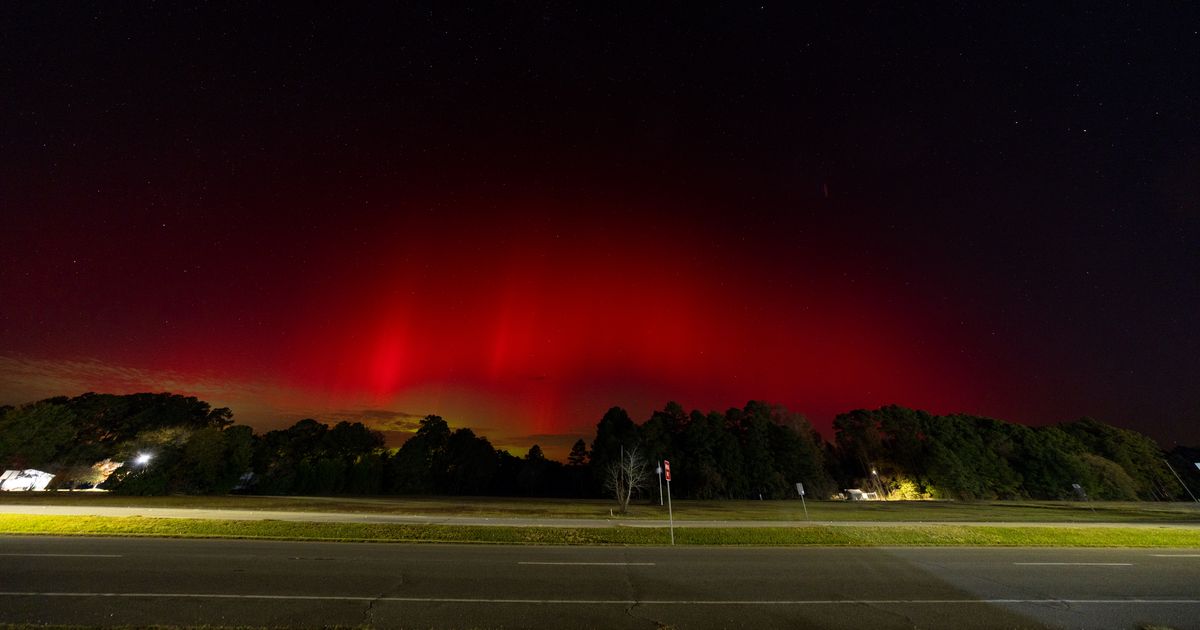
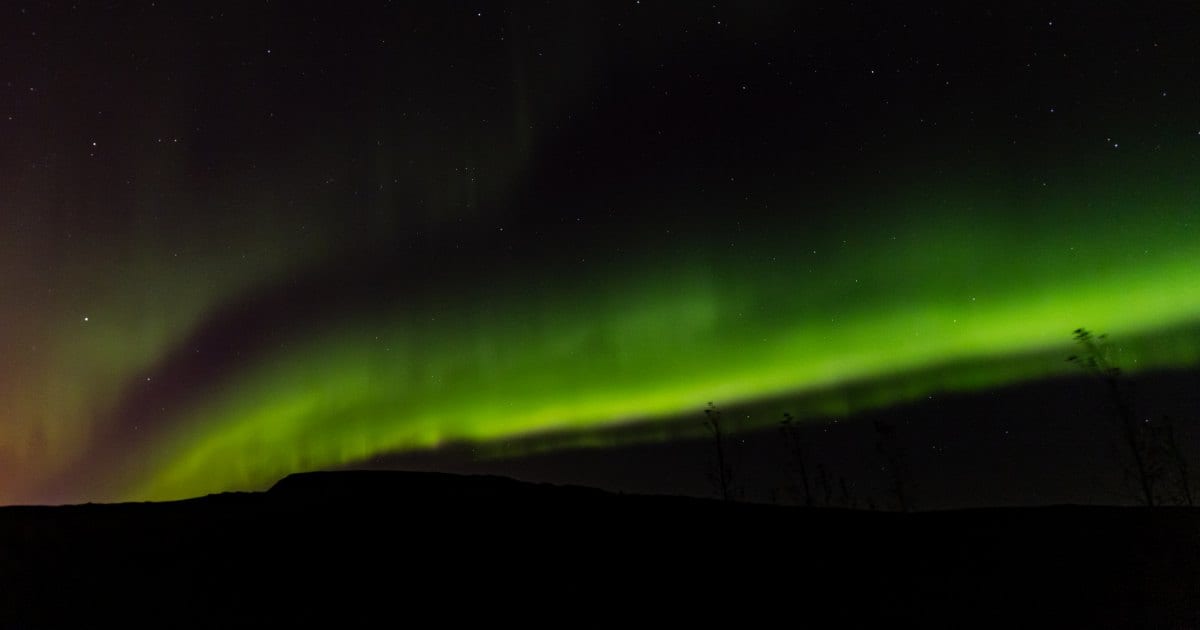
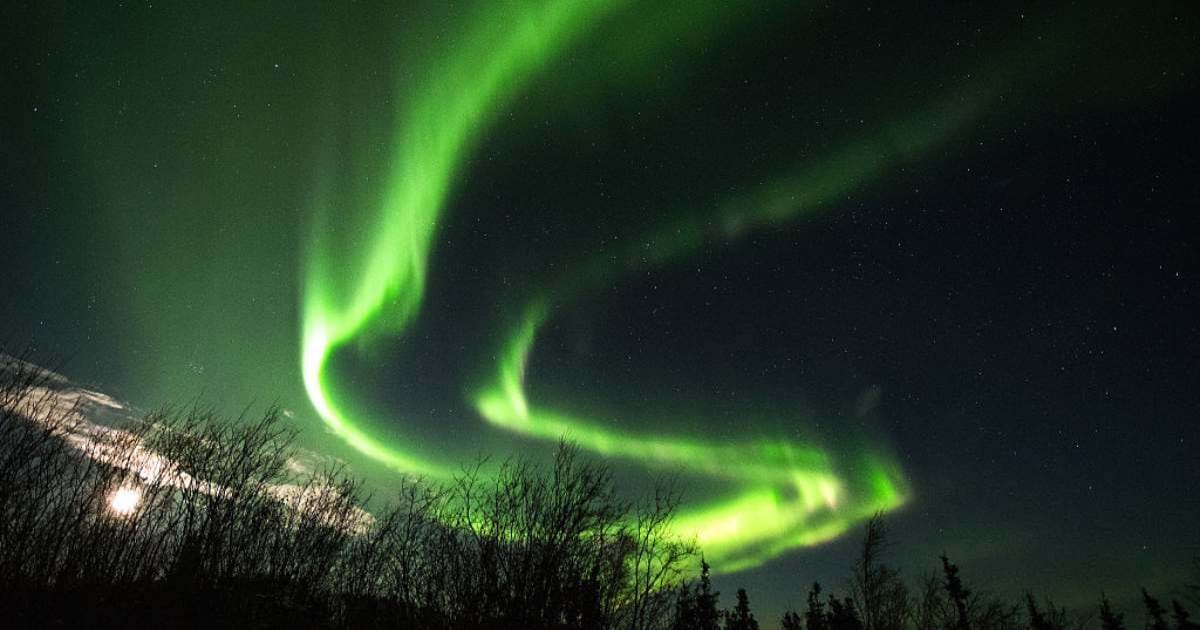
Geomagnetic activity may hit G1 (minor) storm levels tonight, September 23, says the latest 3-day forecast issued by NOAA's Space Weather Prediction Center (SWPC). The culprit this time is a fast-moving stream of solar wind that originated in a canyon-shaped coronal hole in the Sun's atmosphere. The stream may also trigger a prominent display of auroras over the northern United States tomorrow, September 24.
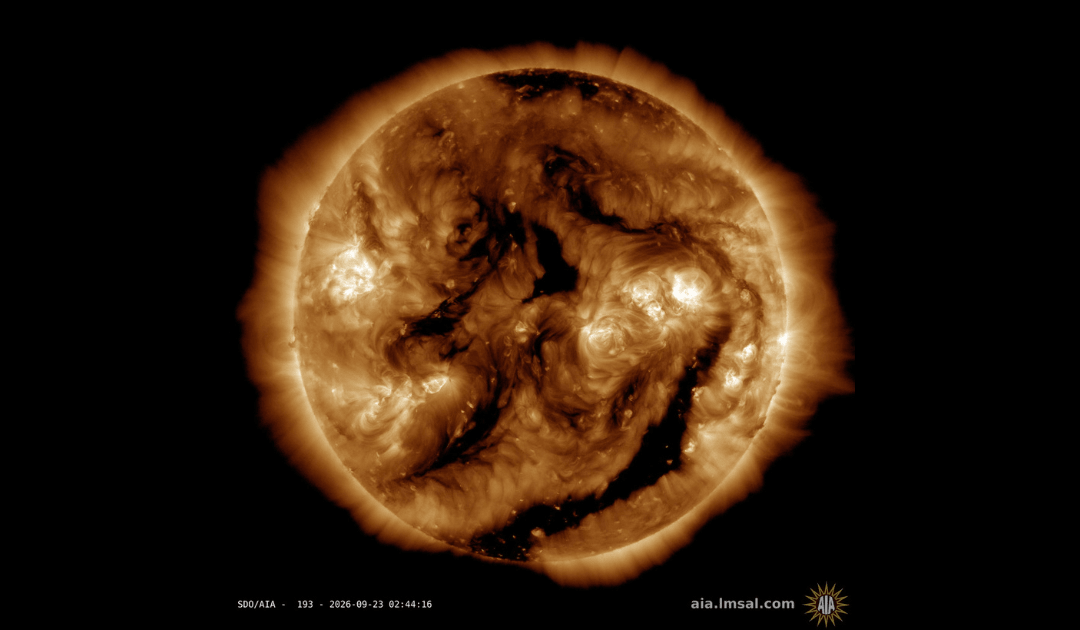
Coronal holes are regions of the solar corona (the outermost layer of the Sun's atmosphere) that are less dense than their surroundings. They also feature open magnetic fields that allow solar wind to escape at higher speeds. When the CH HSS strikes the Earth's upper atmosphere, they can cause disturbances that trigger geomagnetic storms. NOAA's Space Weather Prediction Center issues alerts when the storm-like conditions pass a certain threshold, which is measured by the planetary K-index. This is because besides the northern lights, they can also create problems for some critical infrastructures here on Earth and in space. The latest alert points to what may be a minor geomagnetic storm picking up intensity from tonight itself, which may cause power grid fluctuations as well as some minor impacts to satellite operations.
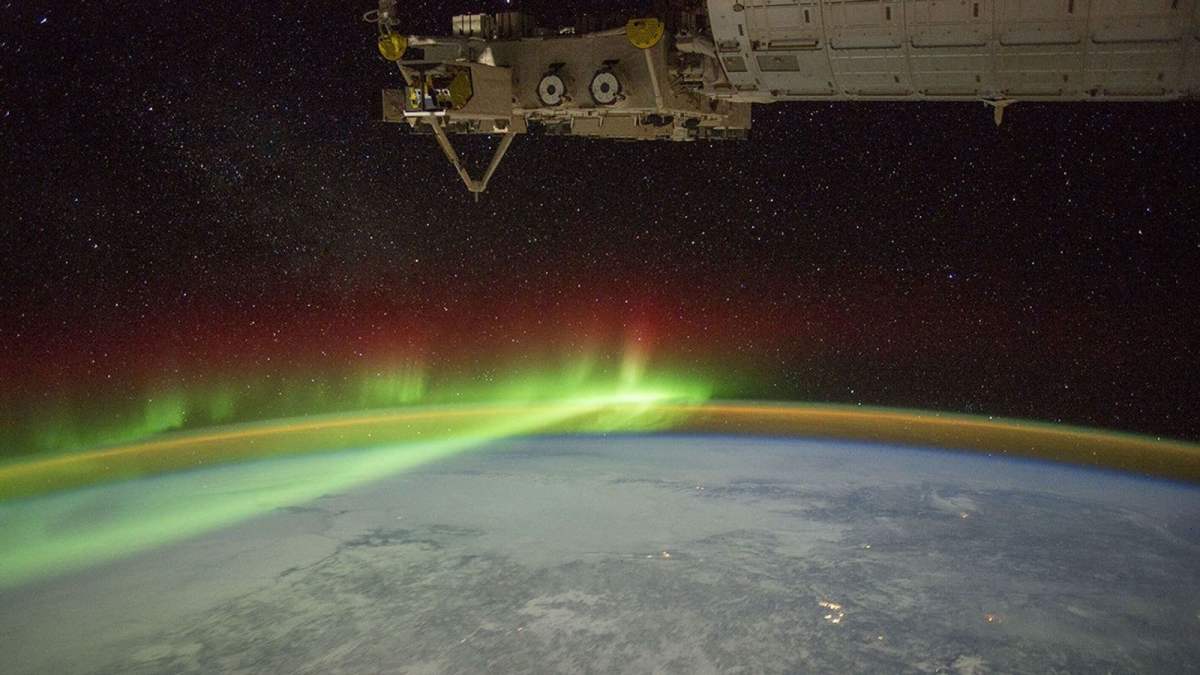
When will the aurora be most prominent?
SWPC's predictions show a rise in geomagnetic activity from 5 p.m. EDT tonight, with the 3-day planetary K-index peaking between 11 p.m. tonight and 2 a.m. EDT tomorrow. While this index is used by many to predict when auroras might be seen, it's more of a rough guide of intensity than a tool to predict timings. The SWPC, however, says that the hours around local midnight are the best window to spot auroras.
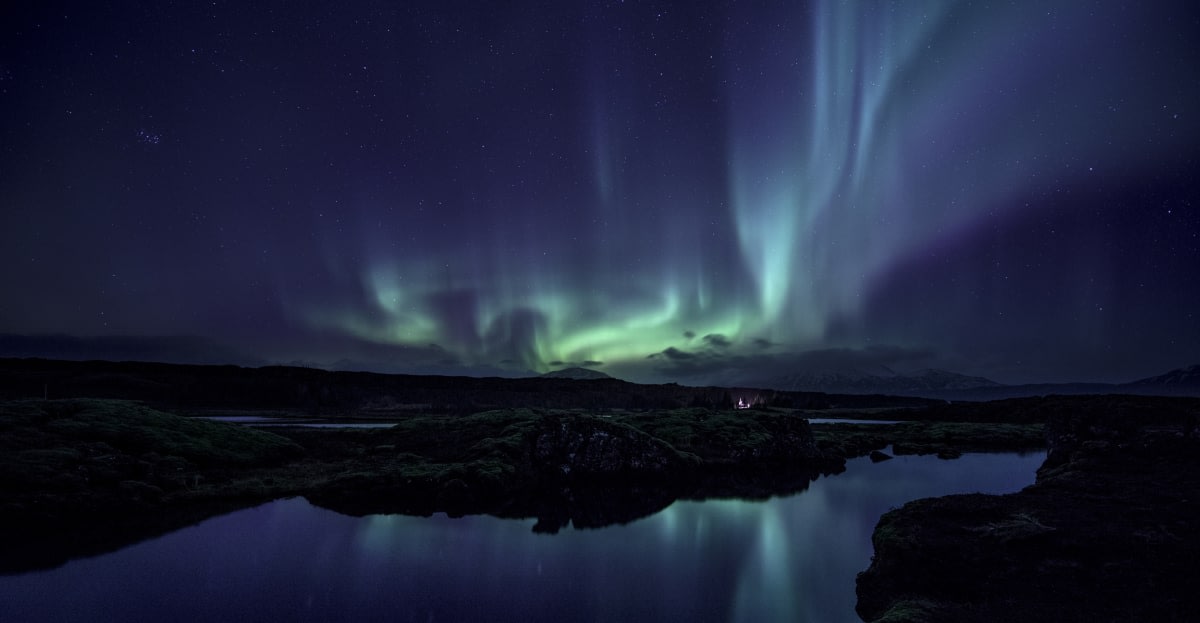
Where to see the aurora
The aurora will be prominent over large swathes of Canada, Alaska, and Greenland tonight. Visibility is expected to reach the northern parts of the United States tomorrow, with Washington, Montana, North Dakota, Minnesota, Wisconsin, and Michigan being the states with the best odds of spotting the phenomenon.
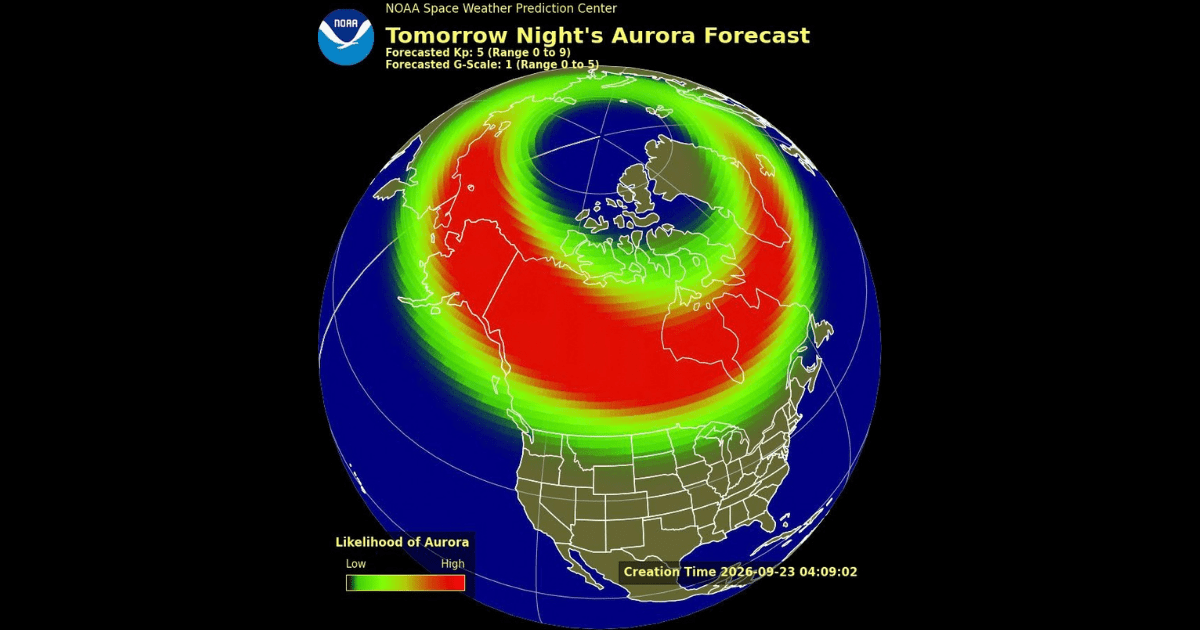
How to see the aurora
The SWPC states that if the right vantage point is selected, you can view auroras even when the geomagnetic storms are not as intense as they are predicted to be tomorrow. A high place of observation with low light pollution and no hindrances in viewing the northern horizon could provide views even if the aurora is 600 miles further north. Since the autumnal equinox has recently passed, the aurora formation around this time of year is also more pronounced than any other month except March due to the Russell-McPherron effect.

How to photograph auroras with a mobile phone
To capture auroras with your phone, you'll need to change some settings in the camera app. First and foremost, the phone should be stable since longer exposure shots would be needed to capture the lights. Use a tripod, or simply rest your phone against something stable. Accuweather recommends that you set your ISO between 800 and 1600. This is a measure of how much light your camera lets in, and it must be adjusted based on local viewing conditions. But remember that increasing the ISO also adds noise to the images. Avoid zooming as much as possible because it reduces light. A general rule of thumb is to take as many pictures as possible by experimenting with different settings and compositions.
More on Starlust
What are coronal mass ejections? How do they form and how do they affect life on Earth?
Solar flares explained: What these giant explosions on the Sun mean for us