About Author
A creative professional with forays into all kinds of artistic pursuits, Pranjal's knack for meticulousness when it comes down to telling stories about space is rooted in his existential fascination. Aspects of his creative writing stem from a range of influences—be it the excellent authorship of Carl Sagan in Cosmic Connection, or in Stephen Hawking’s A Brief History of Time. From an early age, the works of astronomy iconoclasts Copernicus, Galileo, and Kepler helped him develop a scientific temper in the face of prevailing traditions, and this has pervaded into Pranjal's current works on spaceflight and skywatching. With him joining Starlust.org’s brilliant team of writers, he can realize his dream of perhaps awakening the curiosity of a fellow stargazer, the same way his own interests were piqued many moons ago.
Latest From Pranjal Pranit
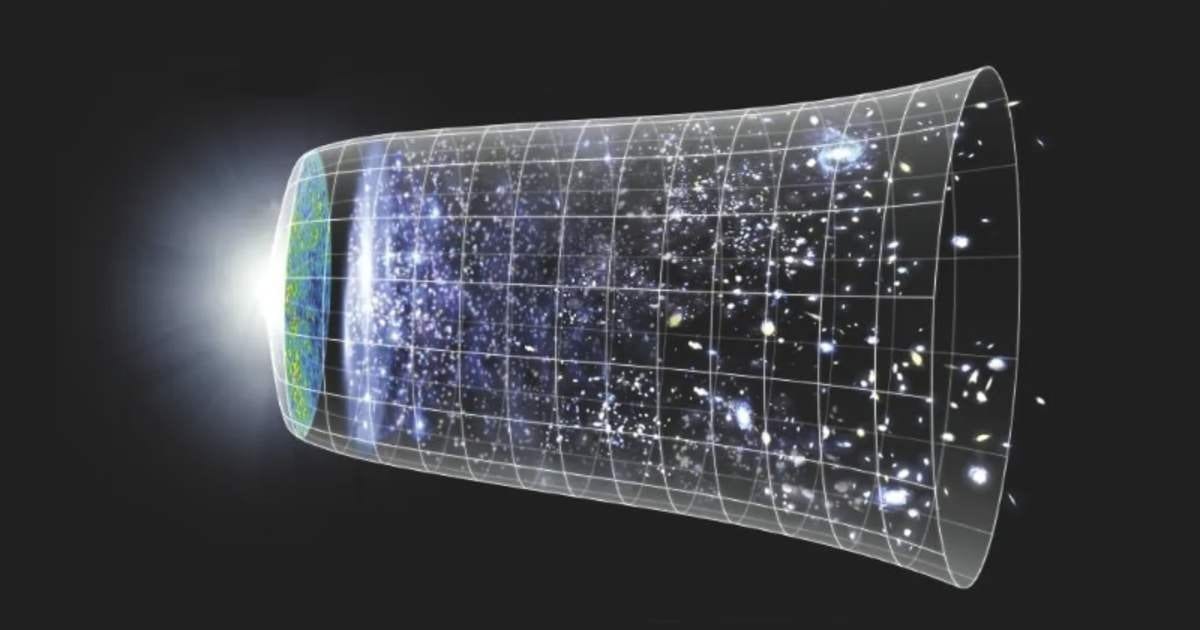
Astrophysicist revisits the cosmic dark ages of the Universe: 'You would have seen darkness in every direction'
The Universe didn't see light travel freely until 380,000 years after the Big Bang. Then it was plunged into a long period of darkness again. Oliver Zier from the Center for Astrophysics | Harvard & Smithsonian explains what the cosmic dark ages might have felt like, and more in a conversation with Starlust.
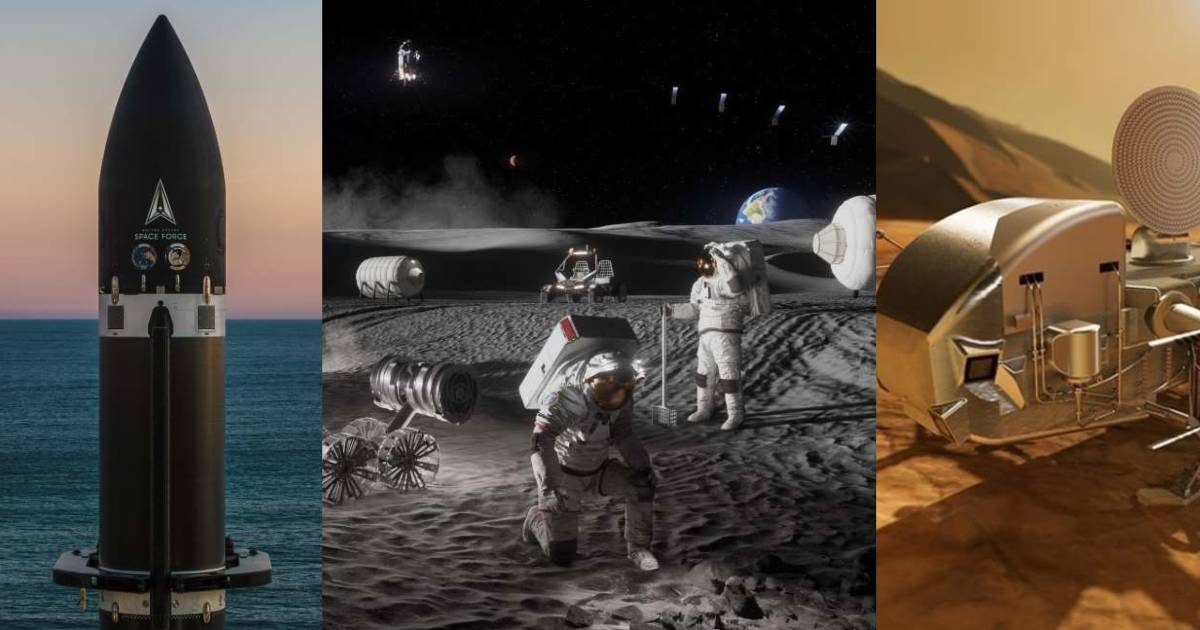
Space weekly recap, October 24 - October 30: Key stories you may have missed
Get insights into the development of a new space station, rising amounts of space debris, and more in this week's space recap.
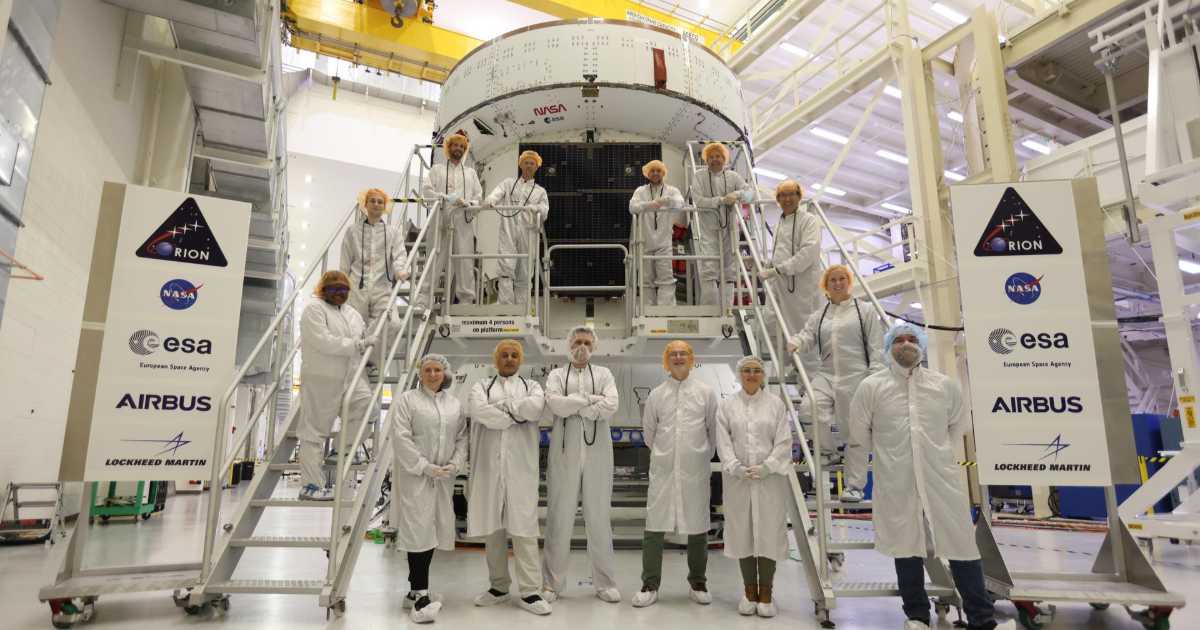
NASA scientist discusses Artemis III's key science objective: 'Dress rehearsal for bringing back Moon samples'
While Artemis missions are primarily technological demonstrations, NASA tries to extract as much science from them as is realistically possible.
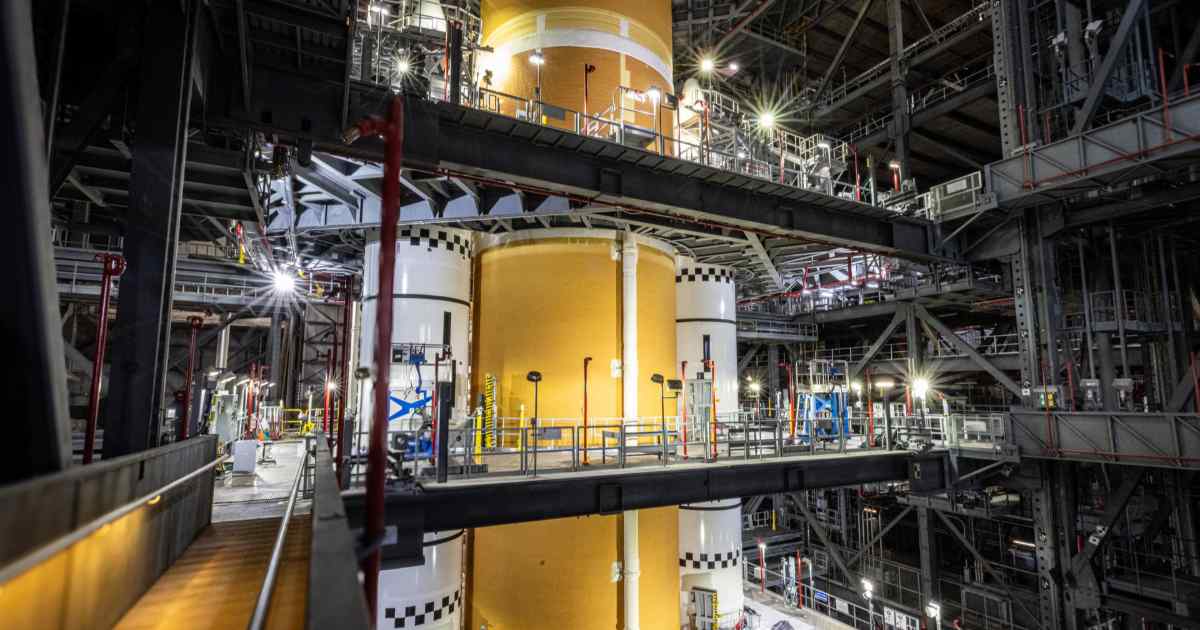
Artemis III major update: NASA mates 212-foot SLS rocket core stage with twin solid rocket boosters
The "short stack" configuration of the Artemis III SLS rocket is now complete and will soon move to the launch pad for a crucial tanking test.
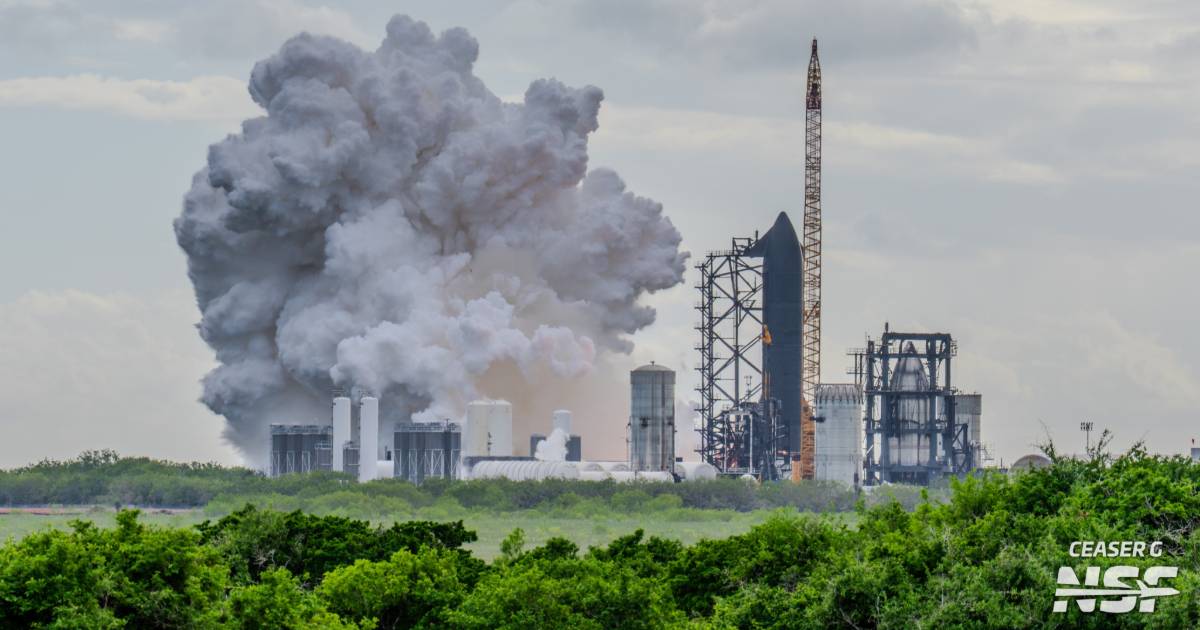
SpaceX conducts a six-engine static fire test of Ship 42 ahead of Starship Flight 15; watch video
The hot firing completes tests of both stages of the 408-foot heavy-lift rocket, with launch expected to occur next month.
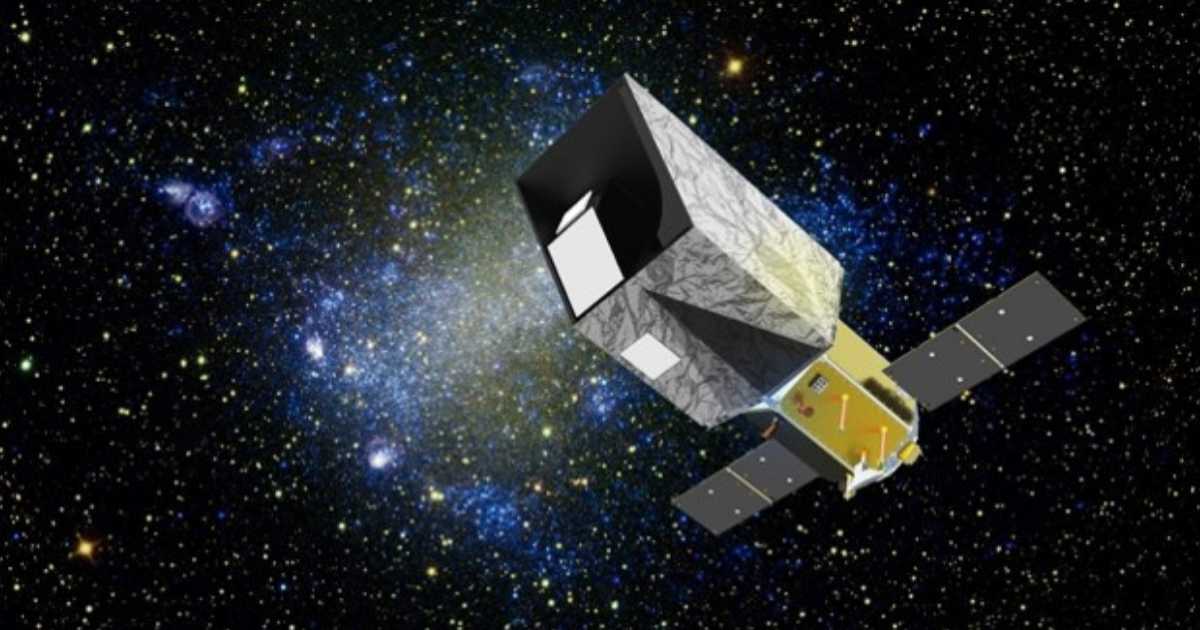
Meet UVEX—NASA’s proposed new space telescope set to launch in January 2031
UVEX, coupled with observatories like the Roman Space Telescope, will help us paint a multi-wavelength image of the universe.
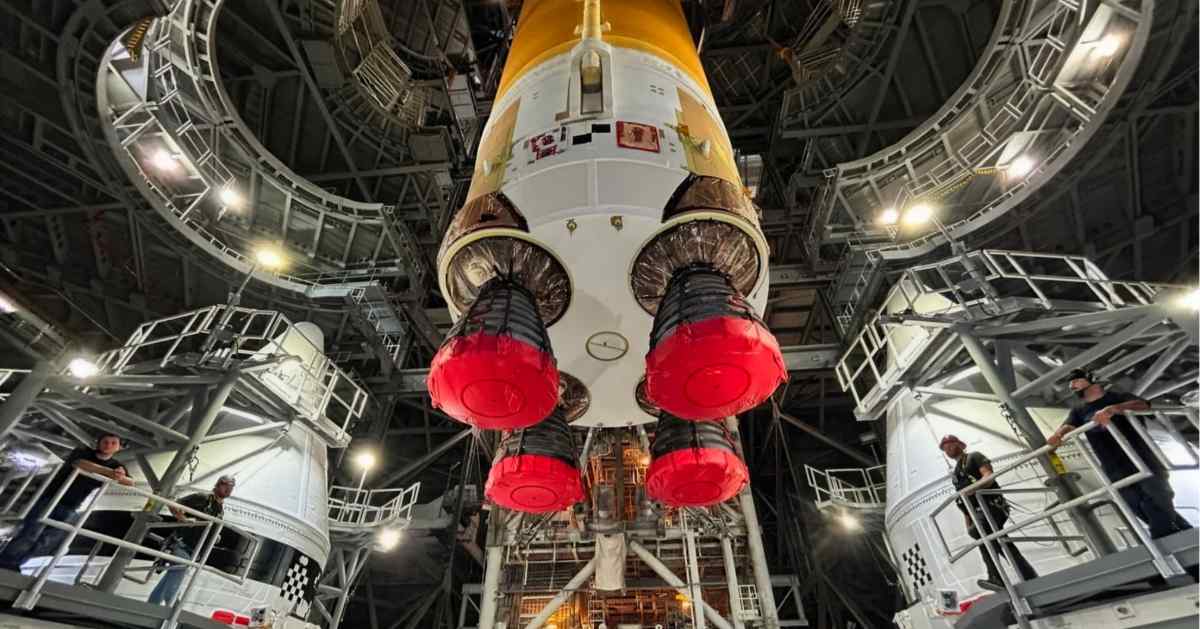
Artemis III update: SLS rocket core stage in position for integration with boosters at NASA's Kennedy Space Center
The SLS core stage is currently in a vertical position for integration with the rocket's boosters, which were assembled last week. Here's the latest update about Artemis III.
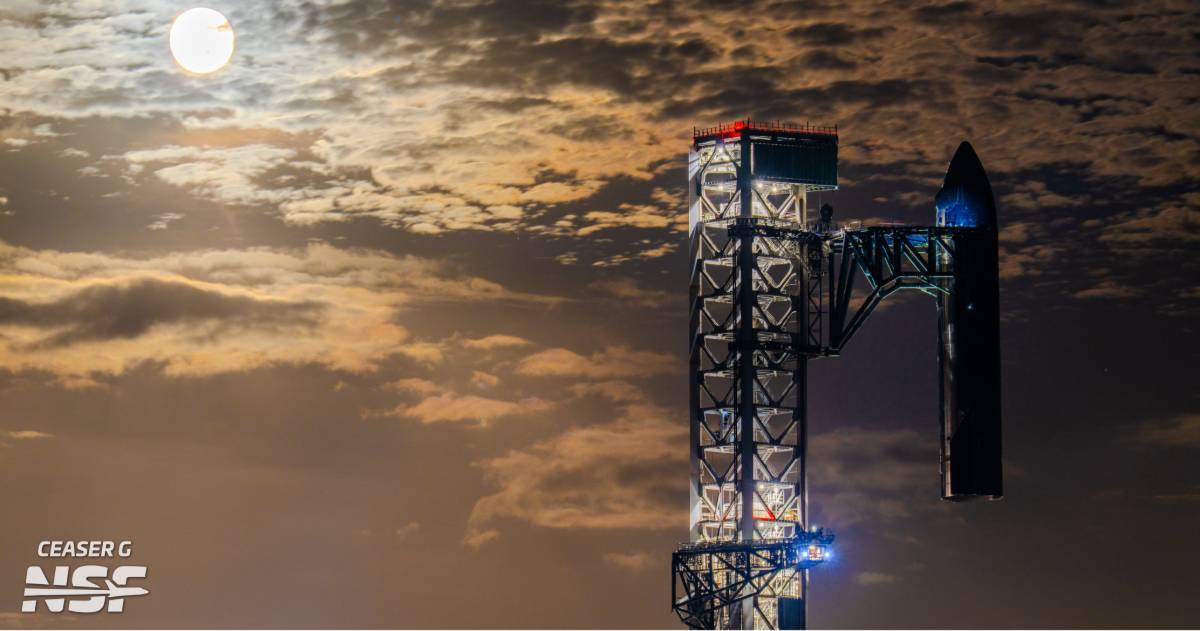
Starbase bustles with activity as SpaceX prepares for next two Starship flights
The past couple of days have been especially busy for SpaceX, with preparation for Starship Flights 15 and 16 in full swing.

Meet Lumina—a comprehensive model of the early universe that will put our theories to the test
The model will help confirm existing theories about the evolution of the universe while helping astronomers come up with new ones based on findings of space telescopes such as Webb and Roman.
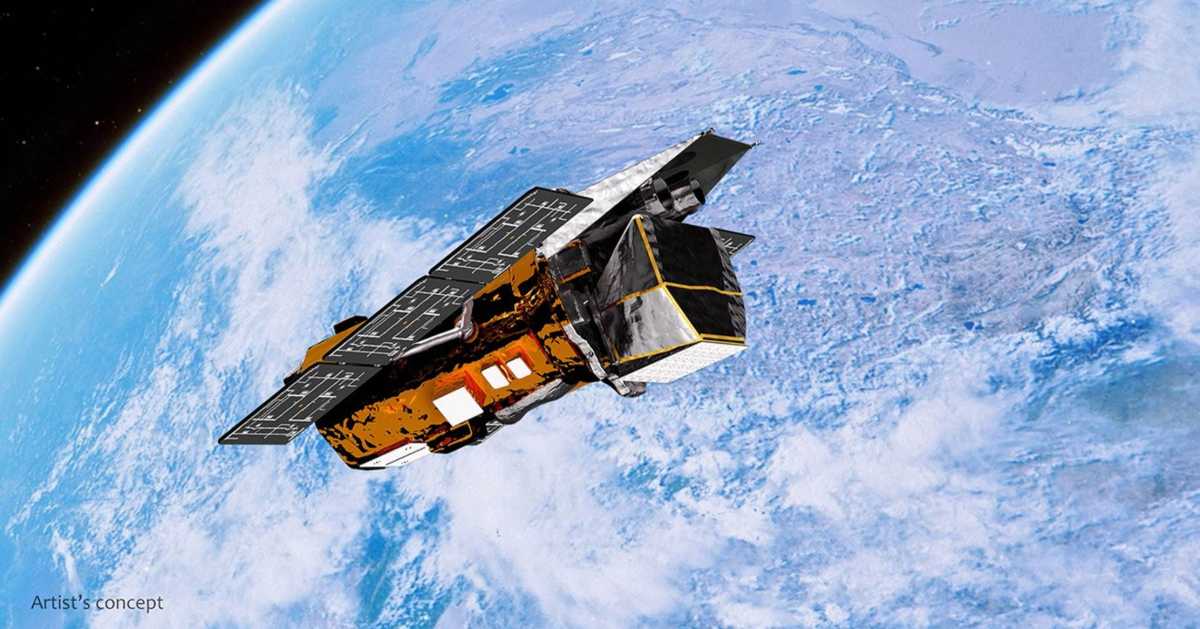
NASA's Neil Gehrels Swift Observatory ceases operations: Here's the legacy it left behind
NASA's "first responder" to transient cosmic events recorded its final observation on October 20. It will fall to its fiery demise in the coming weeks.
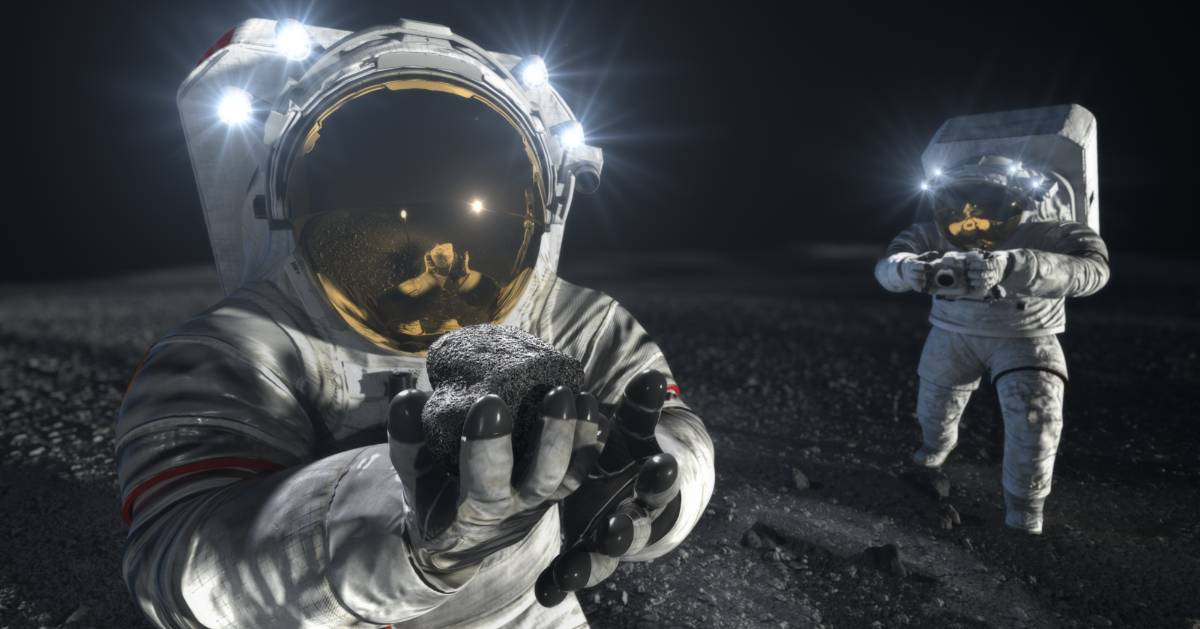
To save Artemis astronauts from electric shocks, NASA opens Lunar Grounding Challenge with $150K in prizes
The challenge calls on the public to come up with ways to solve the problem of triboelectric charging on the Moon, which could give astronaut shocks and damage critical suit components.
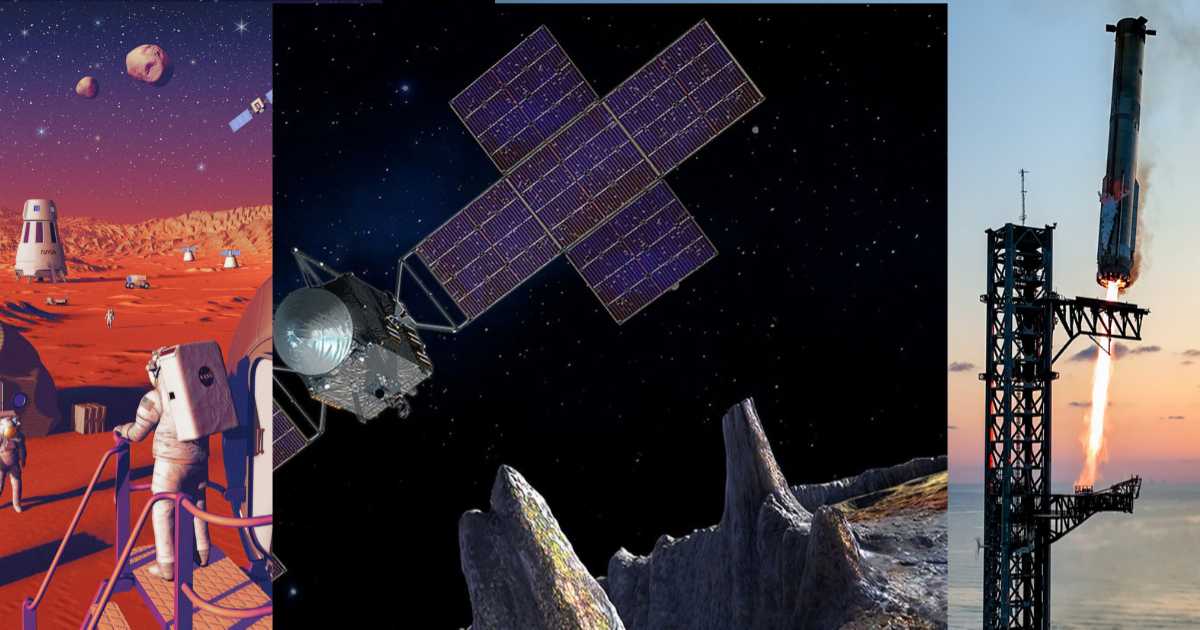
Space weekly recap, October 18 - October 23: Key stories you may have missed
From progress towards getting humans on the Moon to plans by the U.S. Space Force, here are some stories from this week that may have slipped under the radar.
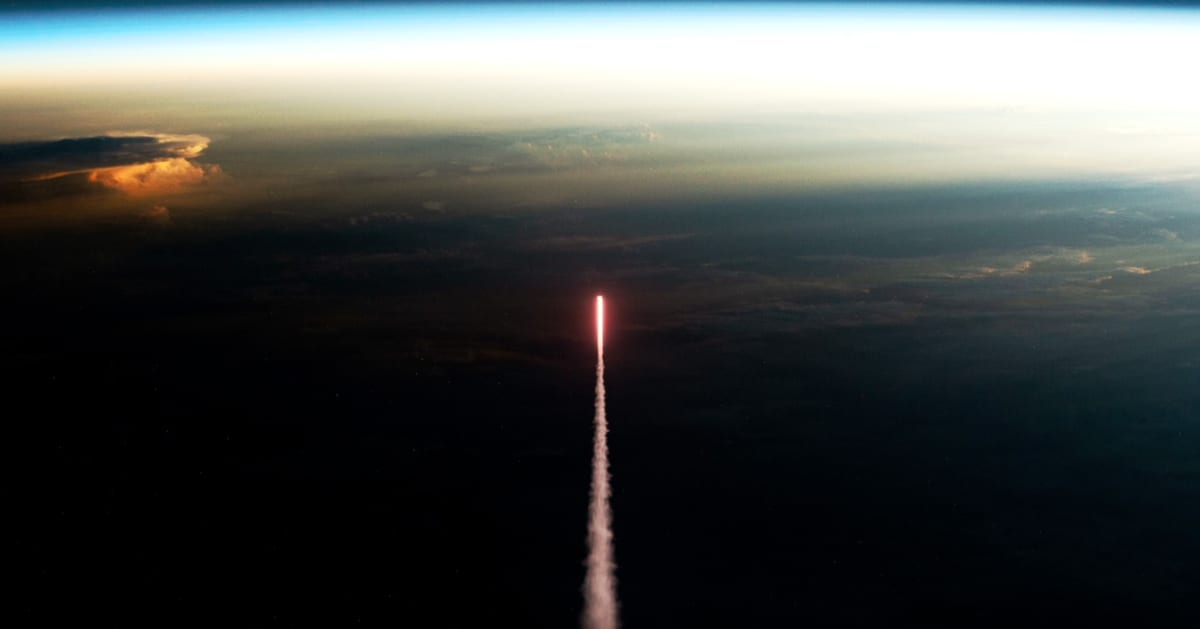
After putting weapons in orbit, U.S. Space Force labels Russia and China 'threats' to space program
Control of space is felt vital for the Joint Force's ability to communicate, move or defend at the speed and scale required.
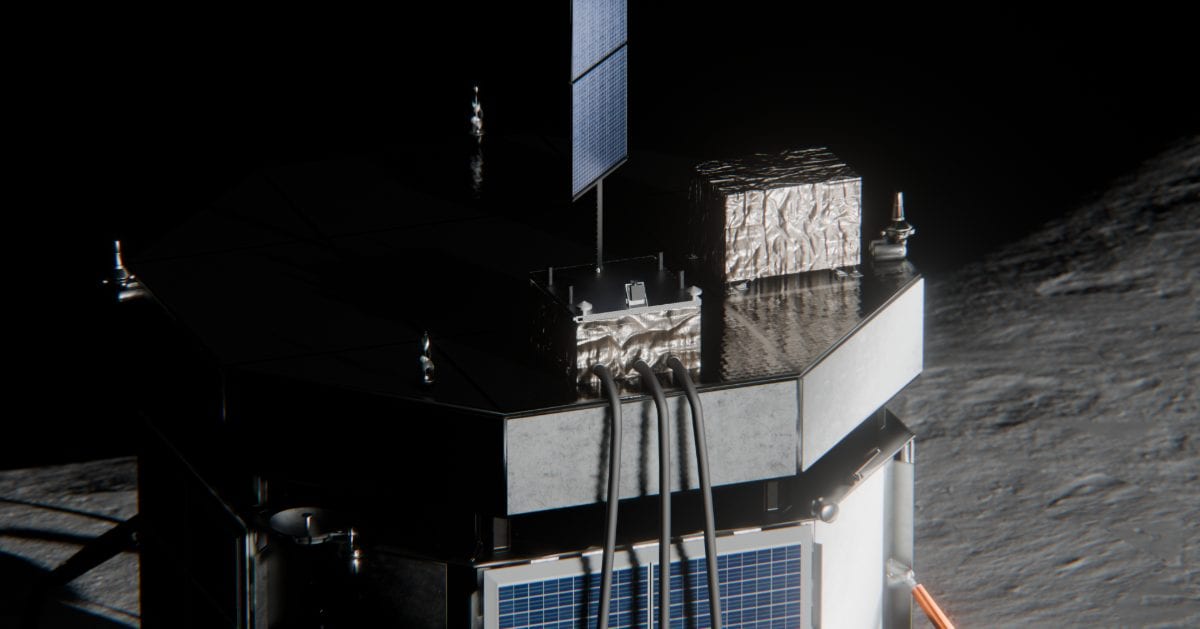
European Space Agency to build OASIS, a service station to support future missions on the Moon
The mission is designed to provide a one-stop shop for various lunar instruments' power and communication needs.
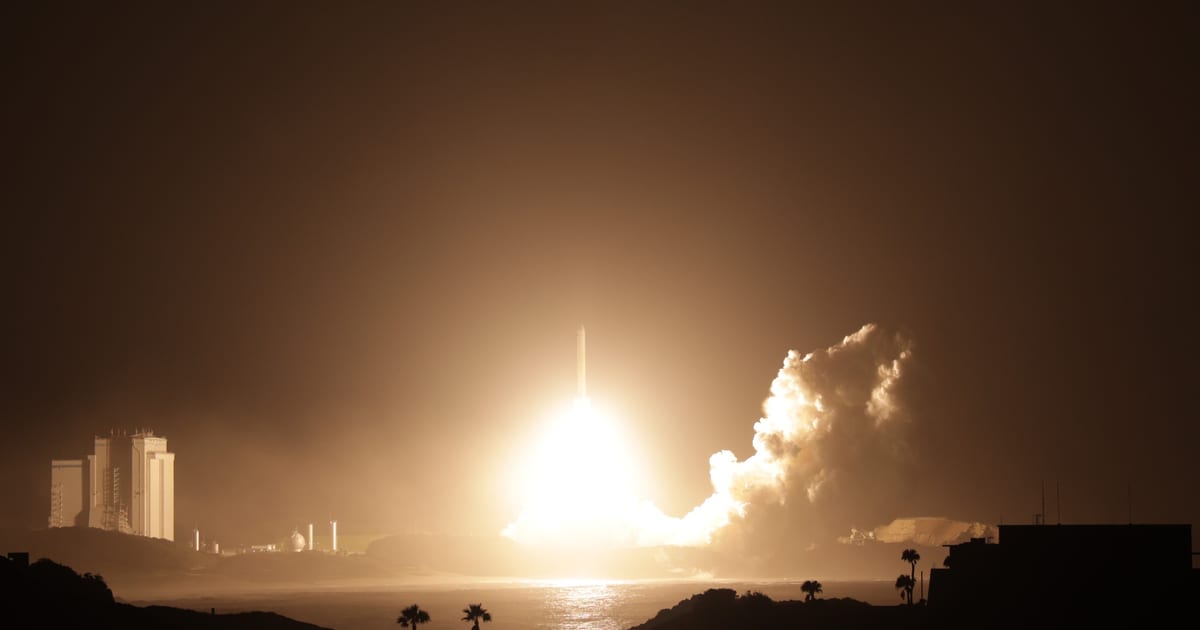
JAXA's historic MMX mission lifts off towards Mars to bring back first-ever samples from Phobos
The MMX spacecraft will now coast through space for less than a year before executing a three-year observation. Return is slated for 2031.

Aurora forecast: Solar wind could spark northern lights in Maine and other U.S. states on October 19-20
Residents of many of the northern U.S. states, from Washington to Maine, could get a chance to see auroras around midnight.
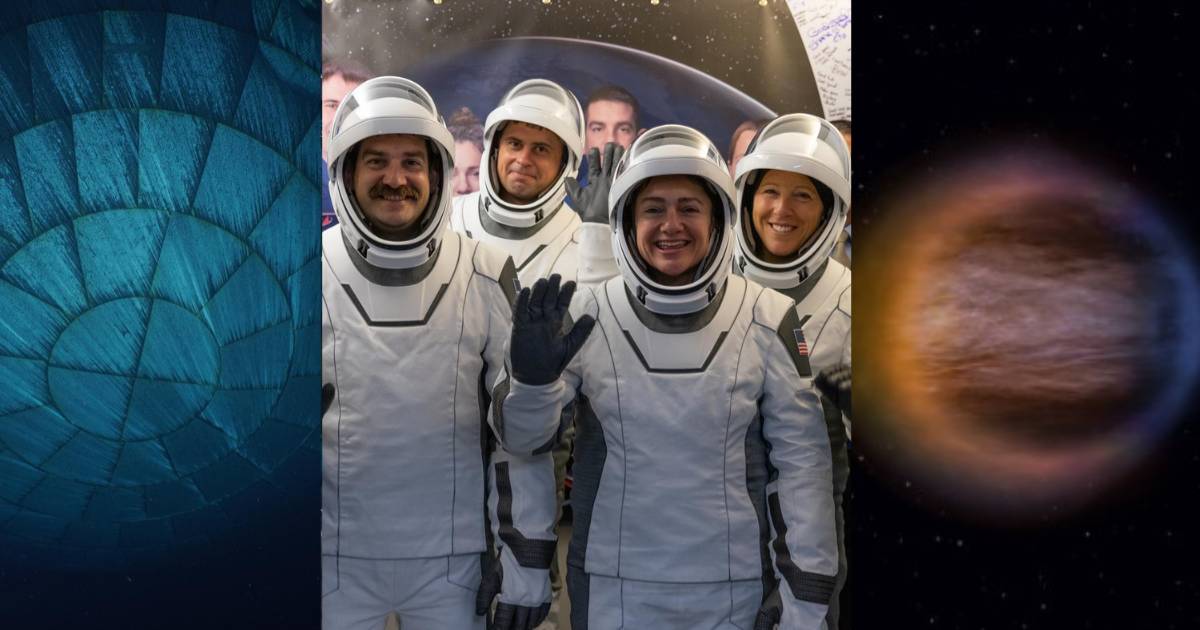
Space weekly recap, October 11 - October 17: Key stories you may have missed
From the marked improvement in the heat shield performance of the Artemis II Orion spacecraft over its predecessor to an update related to a privately funded space telescope, news from the week gone by provides a glimpse into the future of space exploration.
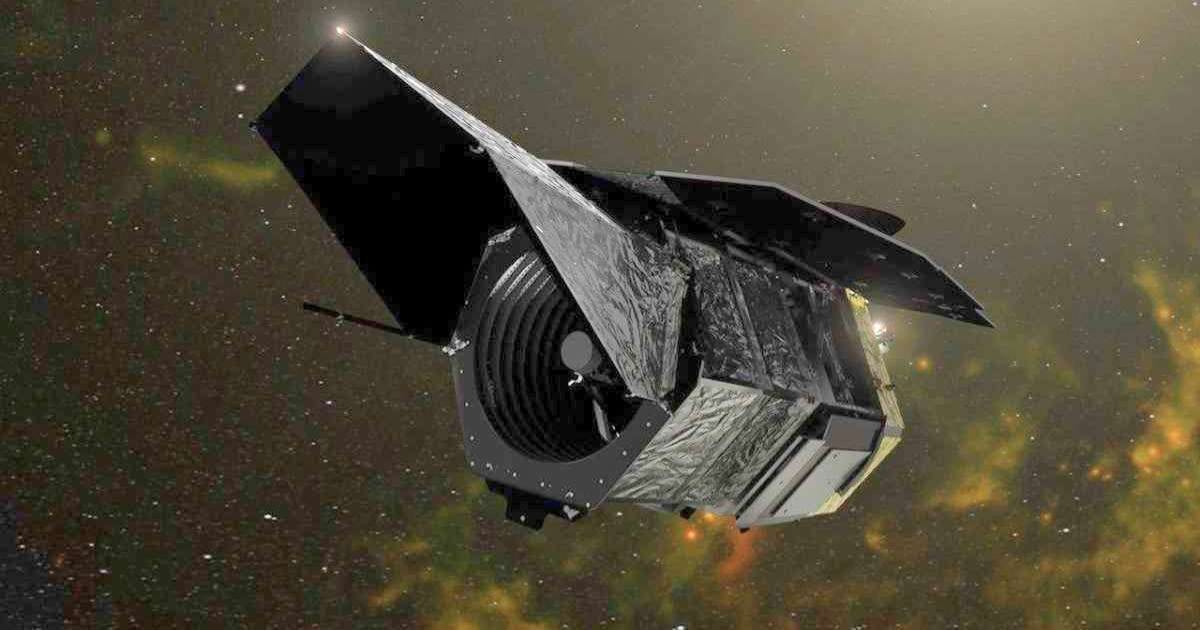
NASA's Roman Space Telescope's primary camera beats its image-quality target by nearly 30%
NASA's Nancy Grace Roman Space Telescope, which is currently about a million miles from Earth, recently went through a series of tests and calibrations.
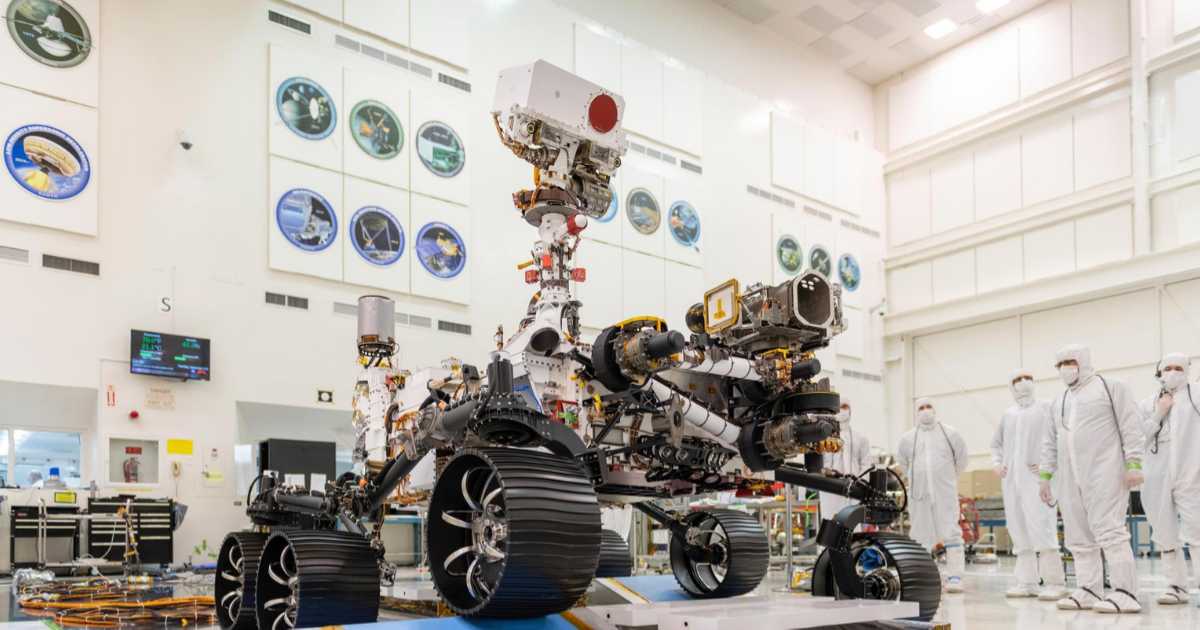
7 reasons spacecraft need the cleanest rooms on Earth
Building spacecraft requires a different level of care than normal manufacturing and typically involves the use of 'clean rooms.'
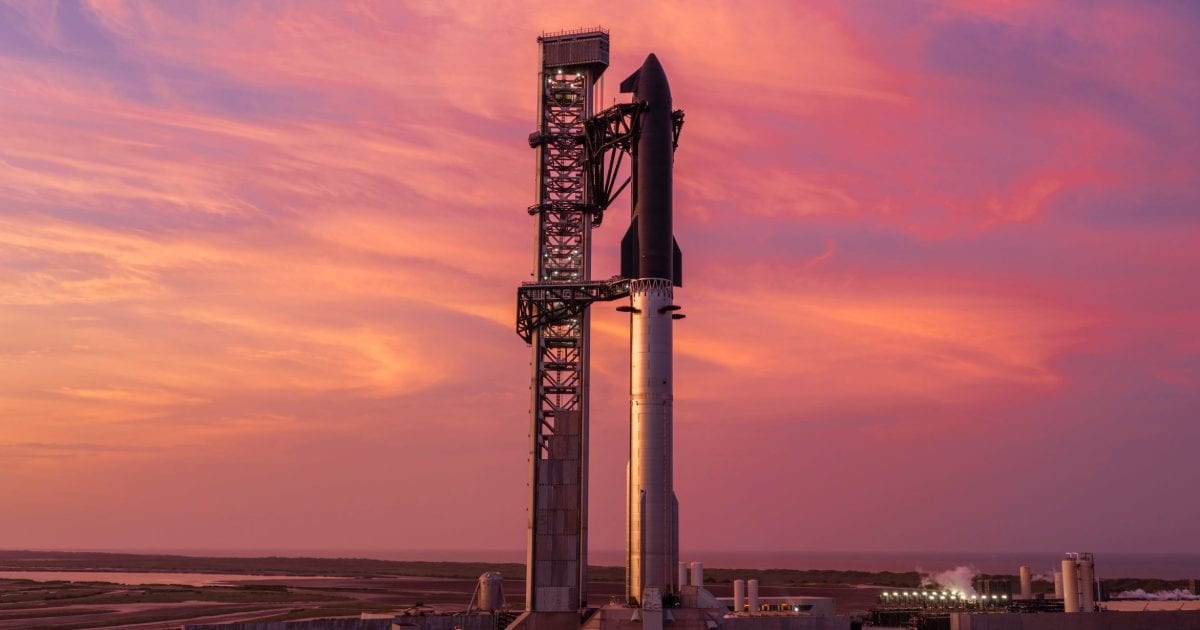
SpaceX seeks FAA approval for over 450 Starship launches per year from Starbase in Texas
Musk has set a target for hourly Starship flights in the next two to three years, and SpaceX's attempt to vastly increase permitted launches aligns with that goal.