Could the Moon be hiding signs of ancient alien technology? SETI scientist proposes how we might find them
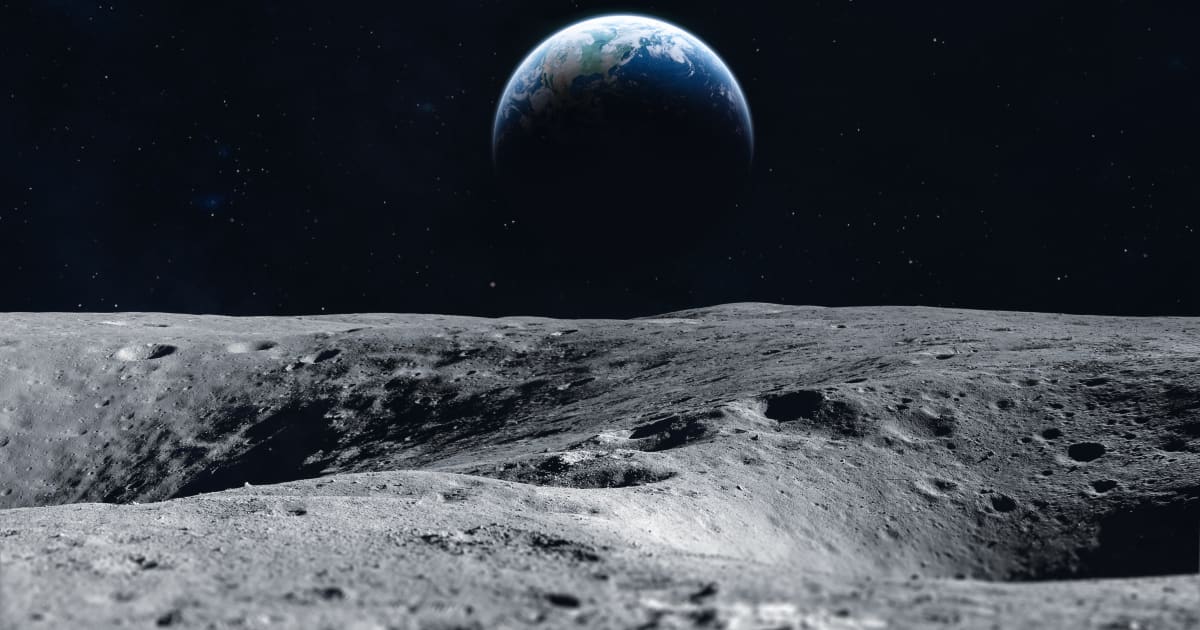
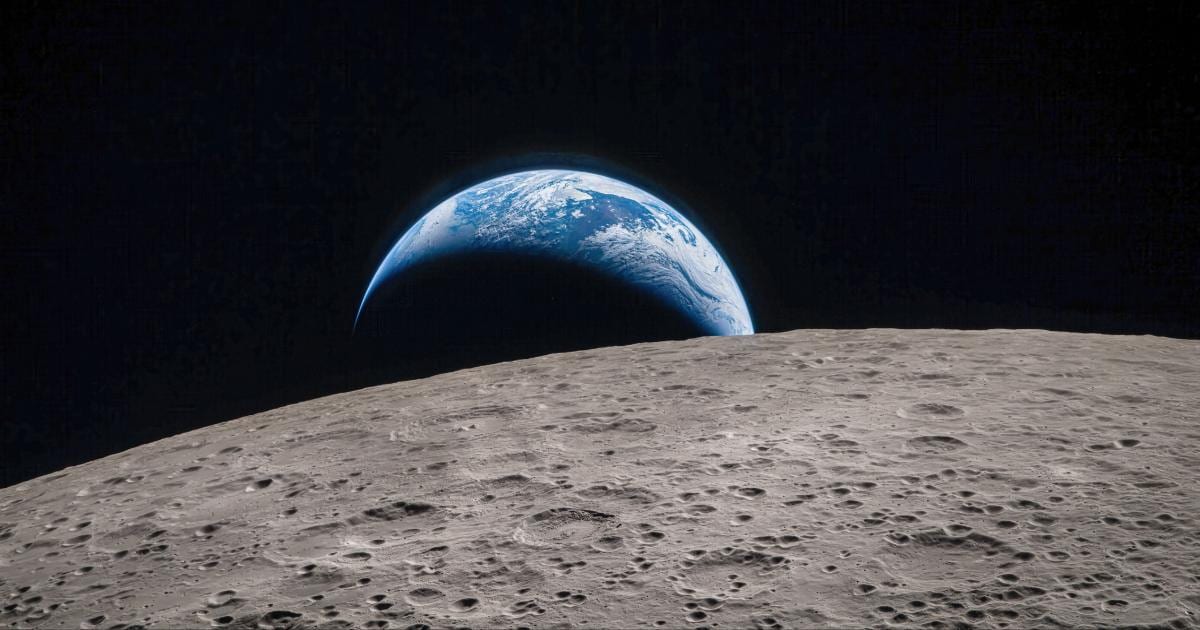
Researchers have argued that rather than peering at objects light-years away from Earth, signs of ancient extraterrestrial civilizations may be found at a place much closer to home—the Moon. The idea expands on a proposal made by the Ukrainian astronomer Oleksiy Arkhipov in the 1990s, which stipulates that microscopic technological particles originating in possible ancient alien civilizations could travel through the galaxy and settle on stable, inert surfaces like the Moon.
🔬🌕 What if evidence of ancient technology is hiding in the dust of the Moon?
— The SETI Institute (@SETIInstitute) September 8, 2026
The next breakthrough in the search for extraterrestrial intelligence may come not from a radio telescope, but from a microscope.
A new study led by SETI Institute Affiliate Scientist Dr. Lewis… pic.twitter.com/Bg3W7o53de
The new study led by SETI (Search for Extraterrestrial Intelligence) Institute affiliate scientist Dr. Lewis Pinault was submitted to the International Journal of Astrobiology on August 17, 2026. While it doesn't present evidence of finding remnants of ancient technology on the Moon, it provides the first-ever quantitative framework for scientifically testing this hypothesis. The research takes a completely different approach to the existing efforts of searching for life beyond our planet, looking microscopically rather than telescopically. This is to say that rather than trying to detect radio signals that may have originated from distant stars and galaxies several light-years away, we can take a close look at the lunar dust to analyze it for the presence of micro-signatures of engineered materials. Basically, the study looks at technology as a proxy for intelligent life and refers to previous studies that show microscopic parts of alien infrastructure debris could survive the interstellar medium as well as an impact on the Moon.

The geological features of the Moon are ultimately what give credence to this approach, since its inert nature means any microscopic particles carried by incoming dust can be preserved for billions of years. Dr. Lewis Pinault, who led the study, stated, "The Moon has been quietly accumulating material from space for billions of years, much of it likely billions of years older than the Moon itself." The Moon formed around 4.5 billion years ago as a result of a collision between a "proto-Earth" and a Mars-sized object. A study even speculates that the Moon could have emerged out of the collision intact in as little as 5 hours. However, unlike Earth, where tectonic activity and life have erased ancient signatures, the lunar landscape is devoid of things like winds and water that could erase signs of primeval arrivals.
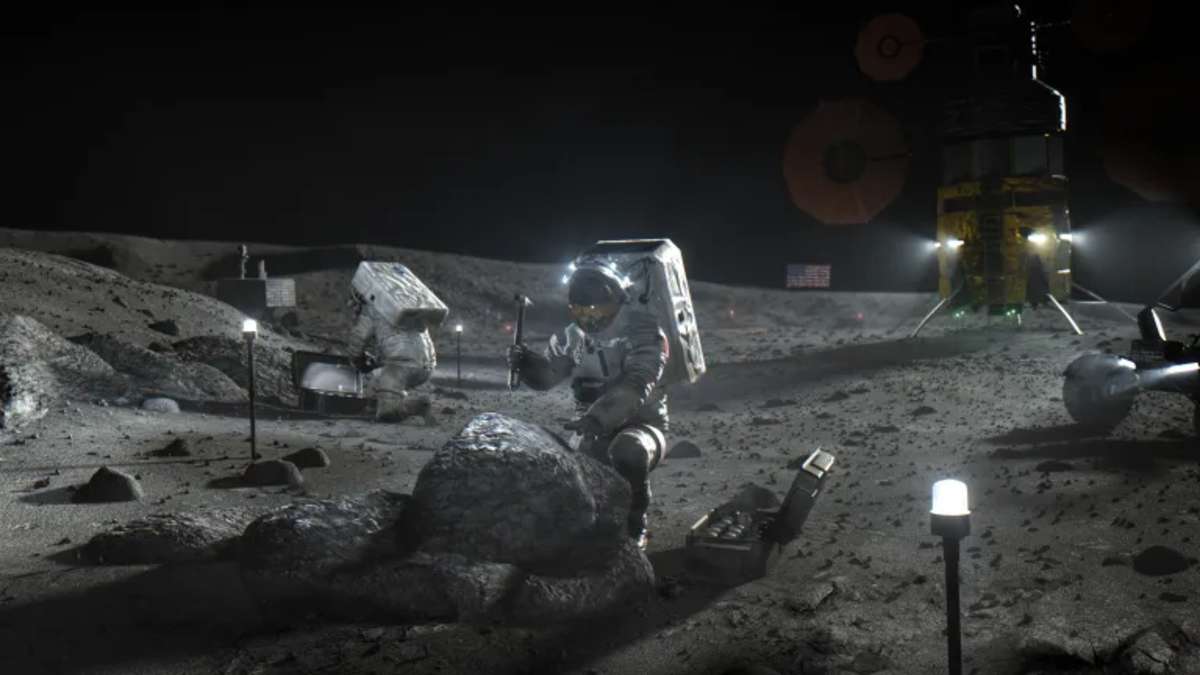
The researchers think that putting around one cubic meter of lunar regolith through microscopy, tomography spectroscopy, and AI-assisted image analysis could help place important constraints on the amount of technological material that alien civilizations might have produced over the course of the Milky Way's history. And this, in turn, could also help estimate the number of alien civilizations that might have existed in the galaxy. Opportunities to test this approach out may not be too far into the future either, with NASA's Artemis program and China’s Chang’e missions, among other endeavors, expected to bring back increasing amounts of lunar surface material.
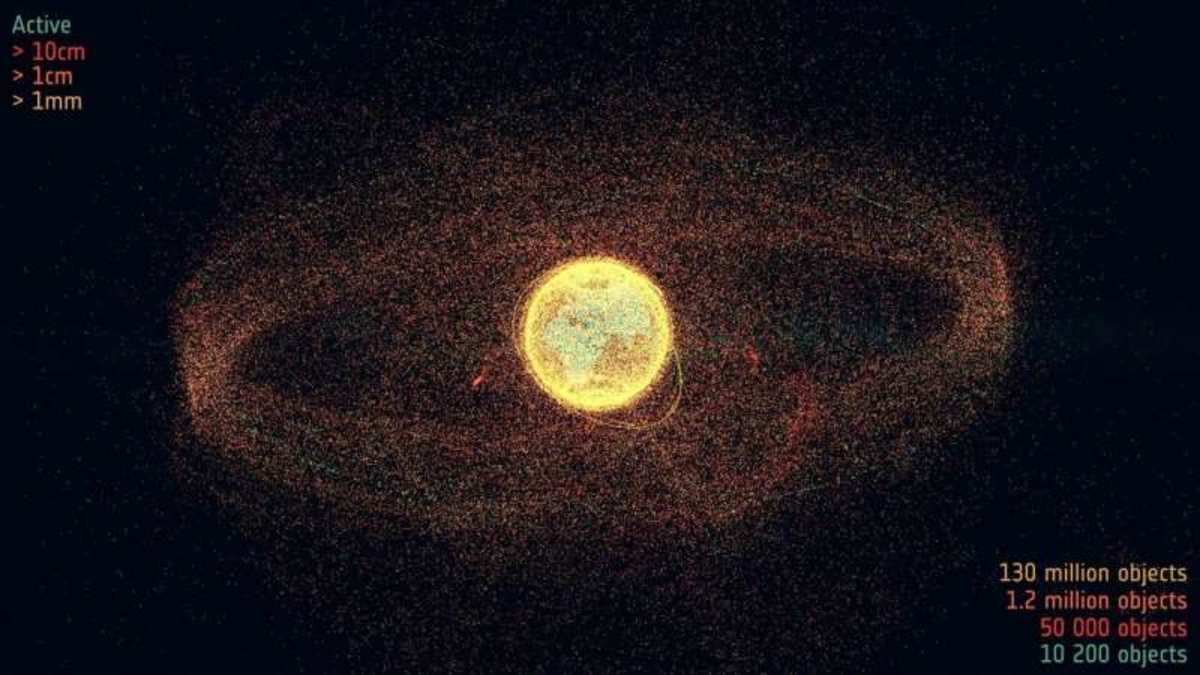
The fact that the scientists involved with the study posit that extraterrestrial civilizations would leave behind debris inadvertently is not entirely inconceivable. Around our own planet, humanity’s pursuit for the exploration and use of space has created large swathes of satellite debris—much of which is unaccounted for. Not to mention, we have been leaving debris on the Moon since the Apollo days. So, as Bill Diamond, the CEO and President of SETI Institute, said, "The concept of searching the lunar regolith for microscopic technosignatures is at once extraordinarily original and eminently reasonable."
More on Starlust
We may have overlooked one of the biggest clues to alien life, says expert