SpaceX CEO Elon Musk confirms Flight 15 will be caught; Flight 14 to launch on September 22, 2026
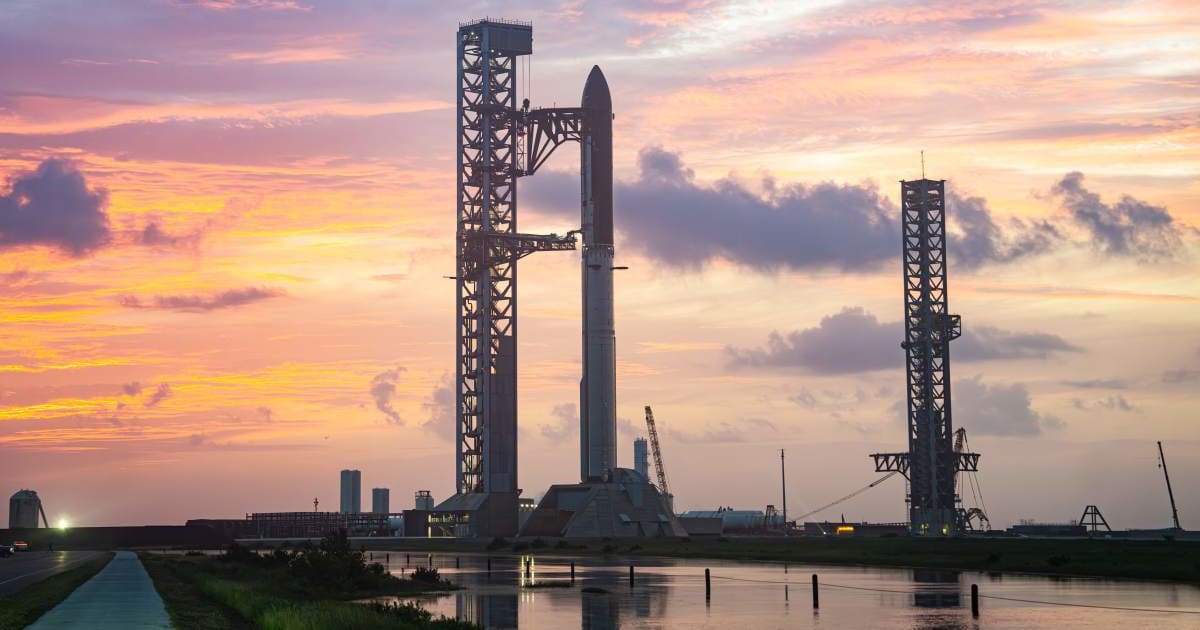
An operations advisory released by the Federal Aviation Administration has pulled back the curtain on the launch window of the next Starship flight. While SpaceX has not announced a date yet, the FAA document shows that the primary launch window starts at 7:15 am CDT and ends at 9:14 am CDT on September 22, 2026. The same timings the next day have been reserved as the backup launch window for Flight 14. As with all Starship V3 flights, liftoff is expected to happen from Pad 2 at Starbase in Boca Chica, Texas. The aerospace giant's CEO, Elon Musk, has also announced that this will be the last flight before a Ship catch maneuver is performed with Flight 15.
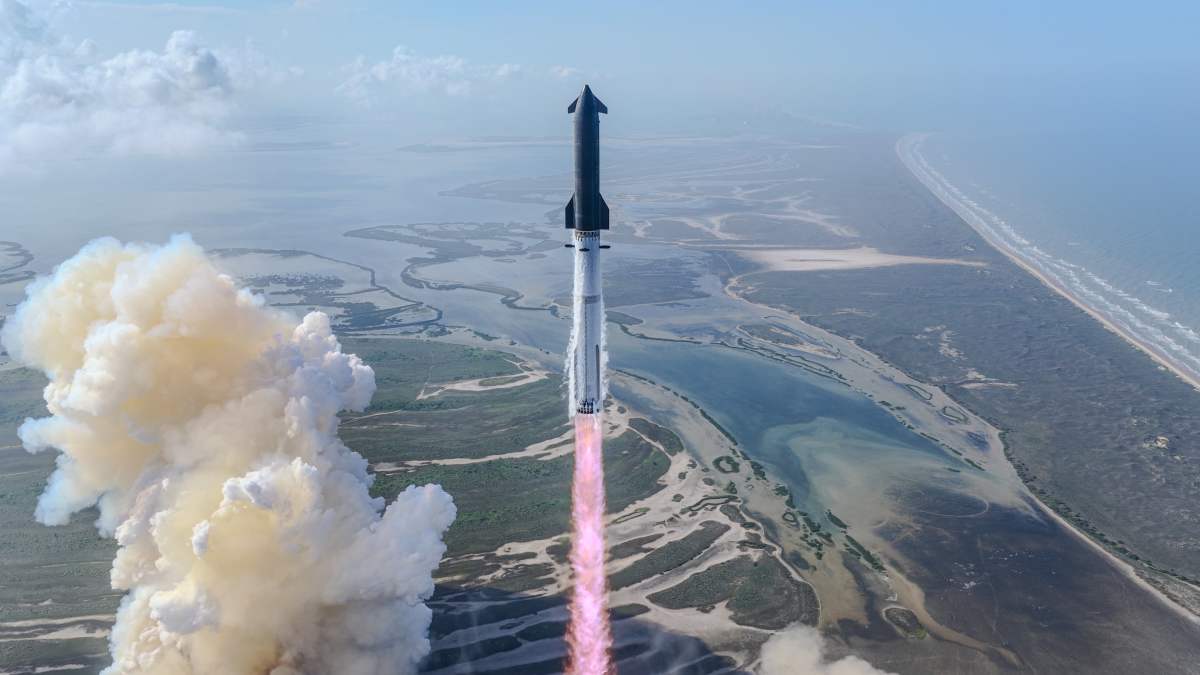
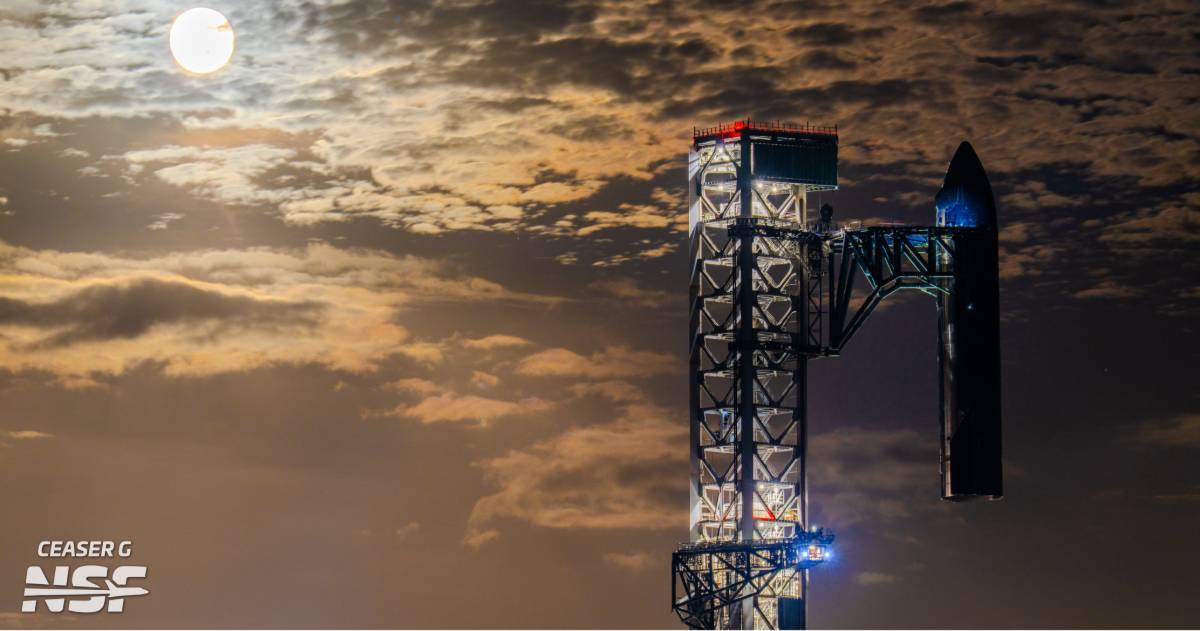
The postponement of Starship Flight 14 from an FAA-approved date of September 18 comes amid plenty of activity happening at the launch site. For one, Pad 2 has recently been used to hoist a Starship upper stage that could be used for Flight 15. Identified as Ship 42, lifting the massive spacecraft by the tower’s chopstick arms for the first time could perhaps have been a way to load test the newly built structures at Pad 2, while also allowing for the testing of the quick disconnect arms, which can be used for draining fuel from Starship. This would have provided the engineers at SpaceX valuable data ahead of a possible upper-stage catch maneuver sometime in the near future after a Starship returns from space.
Ship 42 (Flight 15) has finally escaped the grip of Pad 2's chopsticks and is set to return to the Production Site. This clears the pad for preparations for Flight 14 later this month.https://t.co/HSumkyMfYU pic.twitter.com/BGotGqTWhR
— NSF - NASASpaceflight.com (@NASASpaceflight) September 13, 2026
Being able to catch Starship is important for SpaceX to be able to reuse every part of the heavy-lift rocket. This, in turn, would be key to the company's aims of eventually launching tens of Starships to space every day, carrying hundreds of tons of payloads. To increase its current cadence, work is being done to complete the revamp of the nearby Pad 1 to match the specifications required for Starship launches. While Musk had earlier announced that the company was attempting a catch of Ship 41 to be used for Flight 14, he later indicated that the vehicle is still not quite ready to perform such a risk-laden maneuver, which he thought had a 50 to 60 percent chance of succeeding as things are.
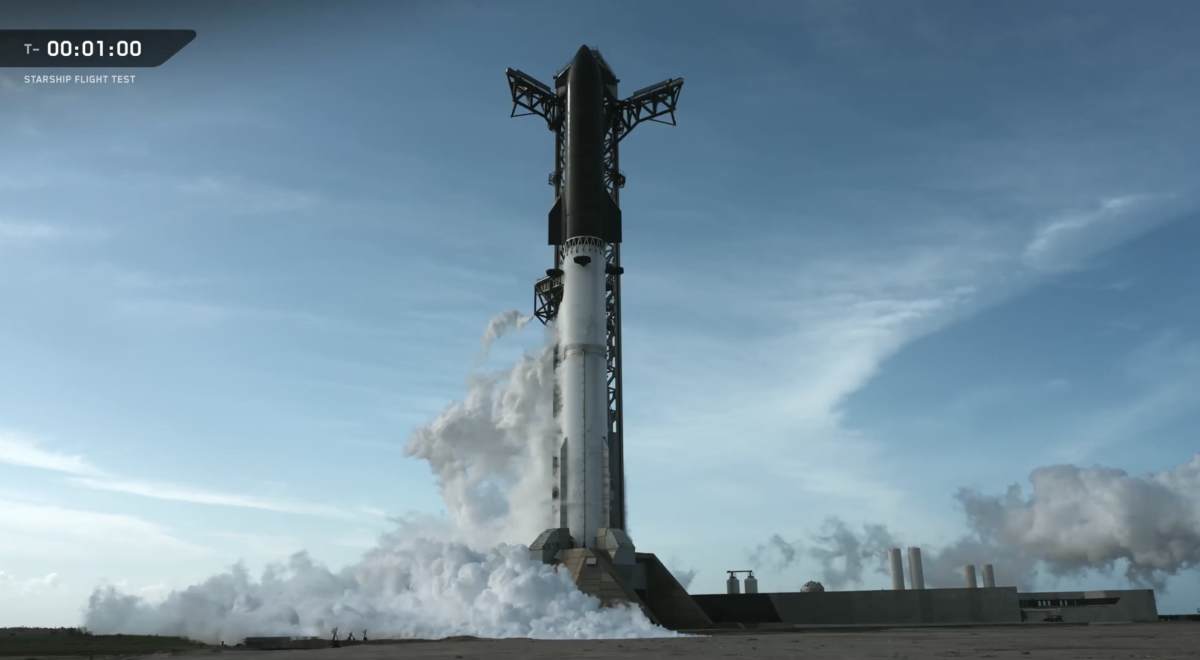
Speaking on the reusability of Starship and what it could mean for the future, he further stated, "Either at the end of this year or more likely early next, we will refly the ship and refly the booster. Once we can refly the ship, we will have made the first fully reusable orbital rocket. It’s designed for not just full reusability, but also rapid reusability like an aircraft. This is a very important breakthrough. It’s really the critical breakthrough that’s necessary to extend life beyond Earth." The founder of the aerospace giant has made no secret of his ambitions to establish settlements on Mars.
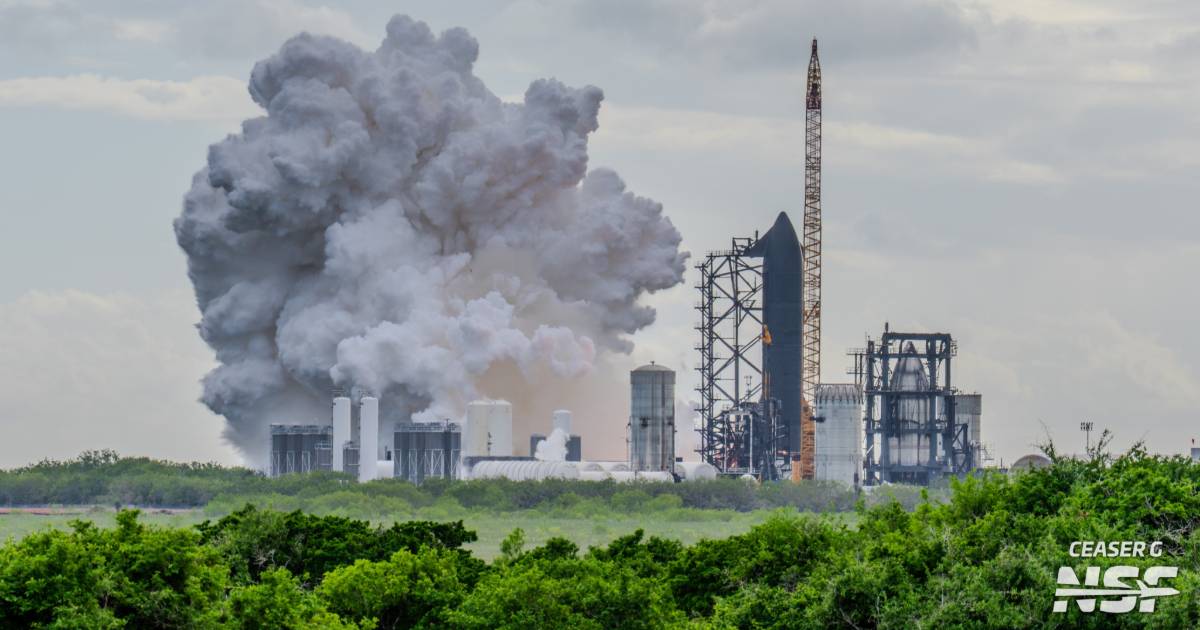
Another day another deluge at Pad 2 at Starbase tonight, as teams continue to work toward Starship Flight 14, now NET Sept. 22.
— Erik Fraser (@efraser77) September 15, 2026
As has become almost expected, this test involved both a launch deluge and a landing one a bit later.
🎥 https://t.co/U5mmqMAp4x | @NASASpaceflight pic.twitter.com/7J57sTw1th
After Ship 42's clearance from Pad 2, work towards Flight 14 could already be seen having begun. As a part of the preparations, deluge tests were performed at Pad 2. These tests essentially involve thousands of gallons of water being sprayed as the rocket lifts off so as to absorb the heat and acoustic vibrations coming from the engines, which protects both the rocket as well as the launchpad infrastructure. At Massey's Outpost at Starbase, Ship 41 had already been put through a static fire test last month. The Super Heavy V3 lower stage to be used for this flight—Booster 21—also saw its 33 Raptor engines fire for its own static fire tests a week later.
More on Starlust
SpaceX plans on 'winding down Falcon' once Starship becomes operational