Russia's Progress 96 spacecraft finally departs for International Space Station after long delay. What's next?
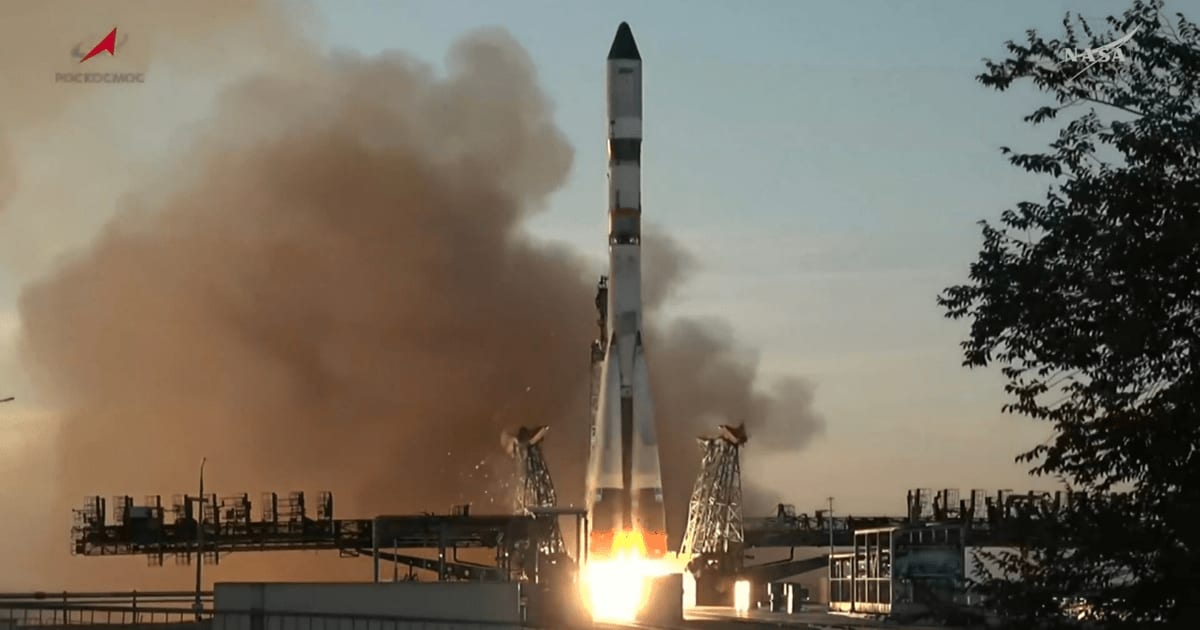
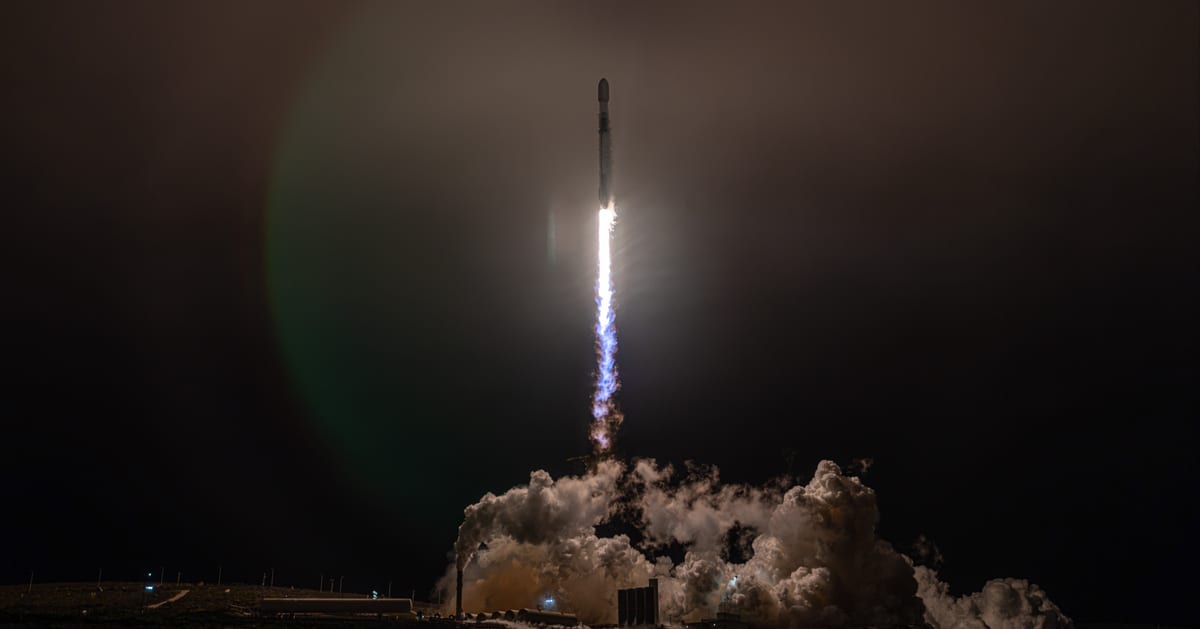
The Roscosmos Progress 96 spacecraft carrying supplies for astronauts on the International Space Station is finally on its way to the orbital laboratory. The spacecraft launched atop a Soyuz-2.1b rocket from the Baikonur Cosmodrome in Kazakhstan at 9:33 p.m. EDT yesterday, September 16, and is expected to dock to the Poisk module's space-facing port at 9:46 a.m. EDT on Saturday, September 19.
A Progress 96 cargo spacecraft packed with about three tons of food, fuel and supplies lifted off from Kazakhstan at 9:33 a.m. EDT today. It will dock to the station at 9:46 a.m. on Saturday, Sept. 19. More... https://t.co/sJygyqBlrQ pic.twitter.com/vMSY96bBCW
— International Space Station (@Space_Station) September 16, 2026
The launch of Progress 96 was originally scheduled for September 9 but was postponed as engineers detected defects in the rocket's upper stage during pre-flight inspections. While the specifics of the defects remained under wraps, Roscosmos CEO Dmitry Bakanov had said that the launch would take place this week, per the Russian news agency TASS. This was the second consecutive Progress mission to face a pre-launch technical hold this year. Roscosmos cosmonauts also noticed and addressed an increased leak rate in the transfer tunnel of the Zvezda service module during the Progress 95 spacecraft cargo operations earlier this year in June.
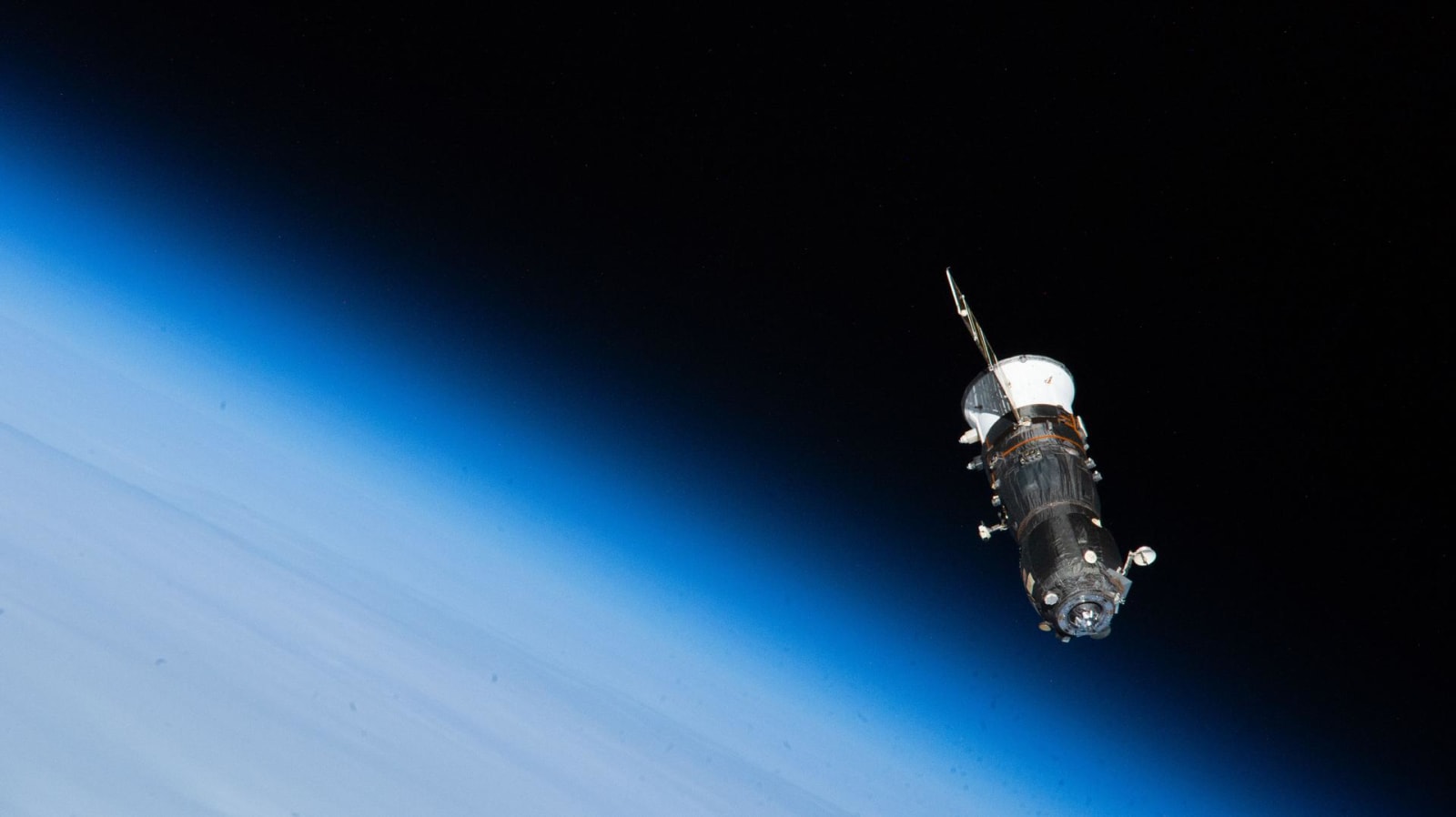
Progress 96, which is also called MS-35, is carrying about three tons of cargo to the orbiting laboratory. TASS said that this includes 842 kg of fuel, 420 kg of drinking water, and 50 kg of oxygen. The spacecraft is also carrying 1,275 kg of food for the cosmonauts aboard the station, 375 kg of sanitary and hygiene equipment, and 20 kg of medicines and other supplies. Besides this, the payload reportedly contains equipment and consumables for as many as seven ongoing Russian science programs—Teledroid, Gas Analyzer-FS, Biopolymer, Virtual, Vampire, Hurricane, and Separation.
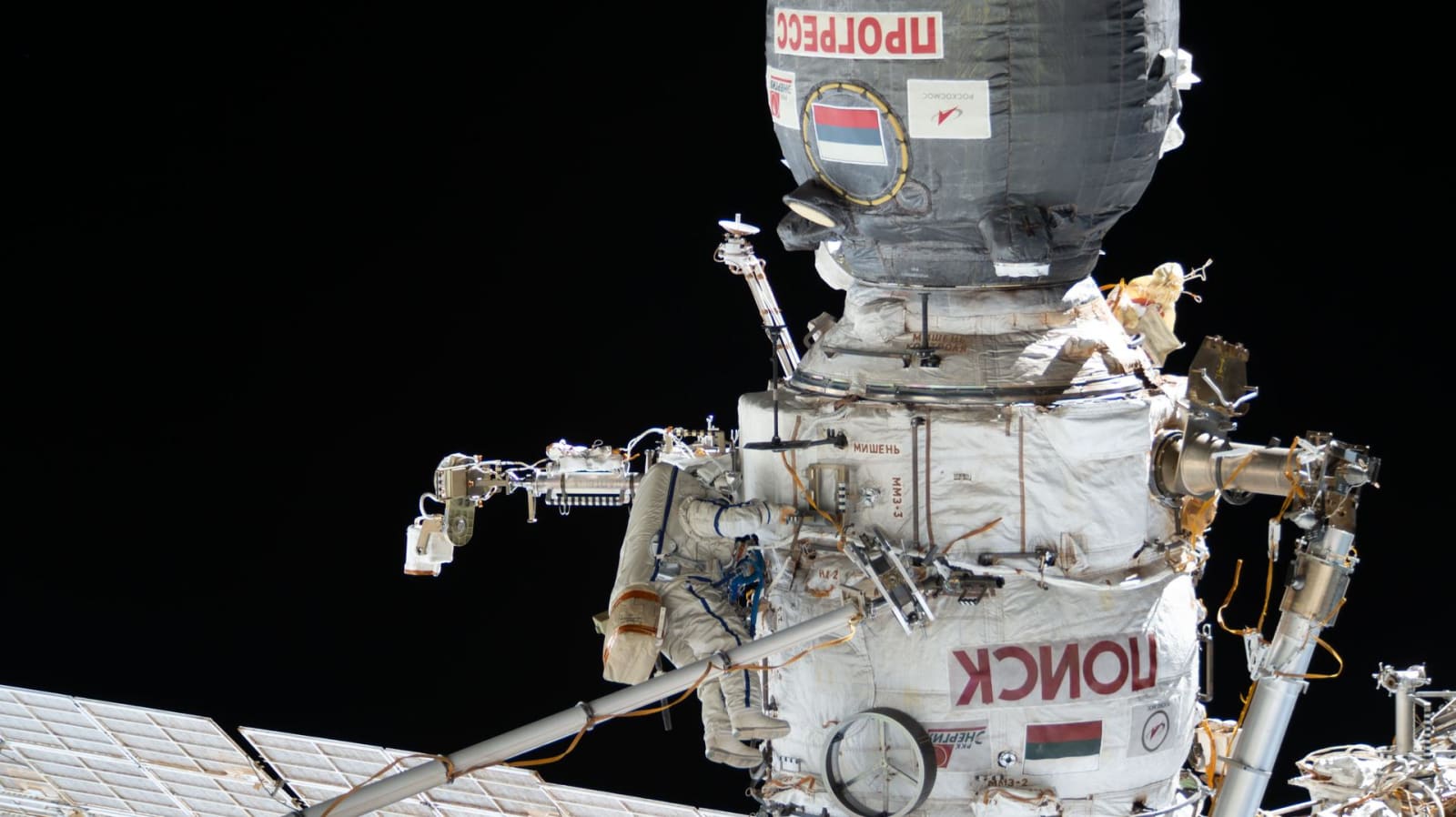
Teledroid is particularly interesting, as it is meant to explore the possibility of using a remotely controlled anthropomorphic arm to support cosmonaut spacewalks. The workstation, which the cosmonauts will use to control the arm, is also being sent with Progress 96, while the actual robot will be sent on the next Russian resupply mission. TASS reports that cosmonaut Anna Kikina, who recently arrived at the station with the crewed Soyuz MS-29 mission, had trained to operate the anthropomorphic robot prior to strapping on for the journey to the ISS.
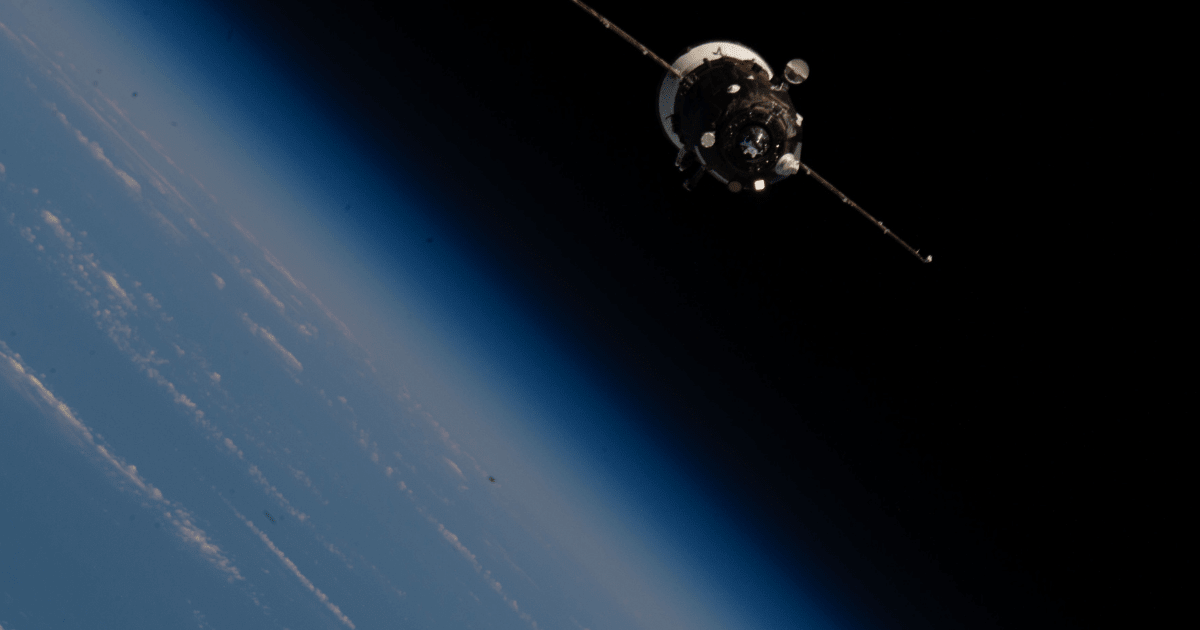
While Progress 96 was being prepared for launch, the Soyuz capsule that had arrived as part of the Progress 94 mission (cargo MS-33) left the orbital laboratory on September 7, before heading for a controlled yet destructive reentry into Earth's atmosphere. The MS-33 spacecraft had been docked at the same port of the Poisk module, which MS-35 will find its way to. Though MS-33 was also supposed to follow a very similar procedure for rendezvous with the ISS back in March 2026, one of the antennas of the Soyuz failed to deploy. This led to the previous space station commander, cosmonaut Sergey Kud-Sverchkov, taking manual control from within the station to perform the docking.
More on Starlust
NASA shares major update on the Crew-13 mission to the ISS—here’s when it will launch