Northern U.S. could get to see the aurora on September 15-16, says NOAA's Space Weather Prediction Center
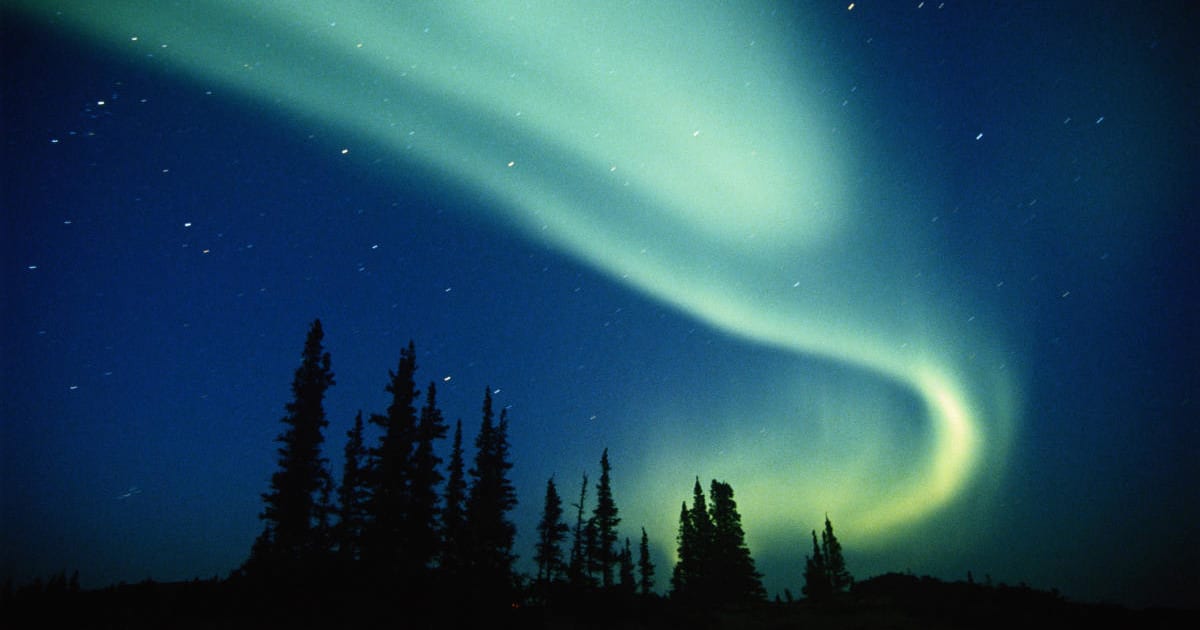
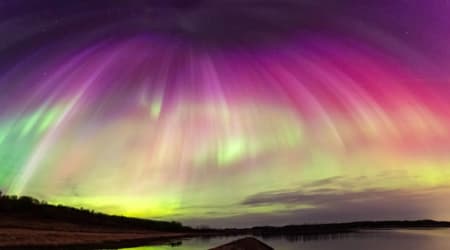
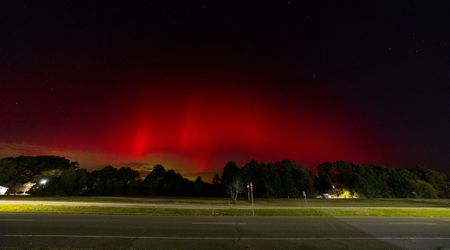
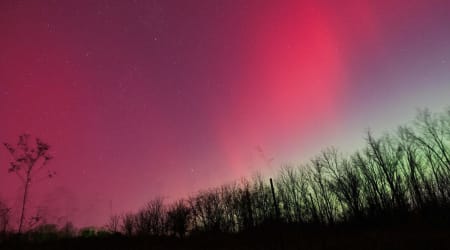
Aurora chasers in the U.S. might be in for a treat over the next couple of days. The latest 3-day forecast issued by NOAA's Space Weather Prediction Center (SWPC) says that the geomagnetic field could reach G1 (minor) storm levels today, September 15, and tomorrow, September 16, thanks to the combined influence of coronal hole high-speed solar streams and coronal mass ejections (CMEs). This storm, the SWPC said, may lead to aurora visibility in the northern tier of the U.S., such as northern Michigan and Maine, besides triggering weak power grid fluctuations and causing minor disruptions in satellite operations.
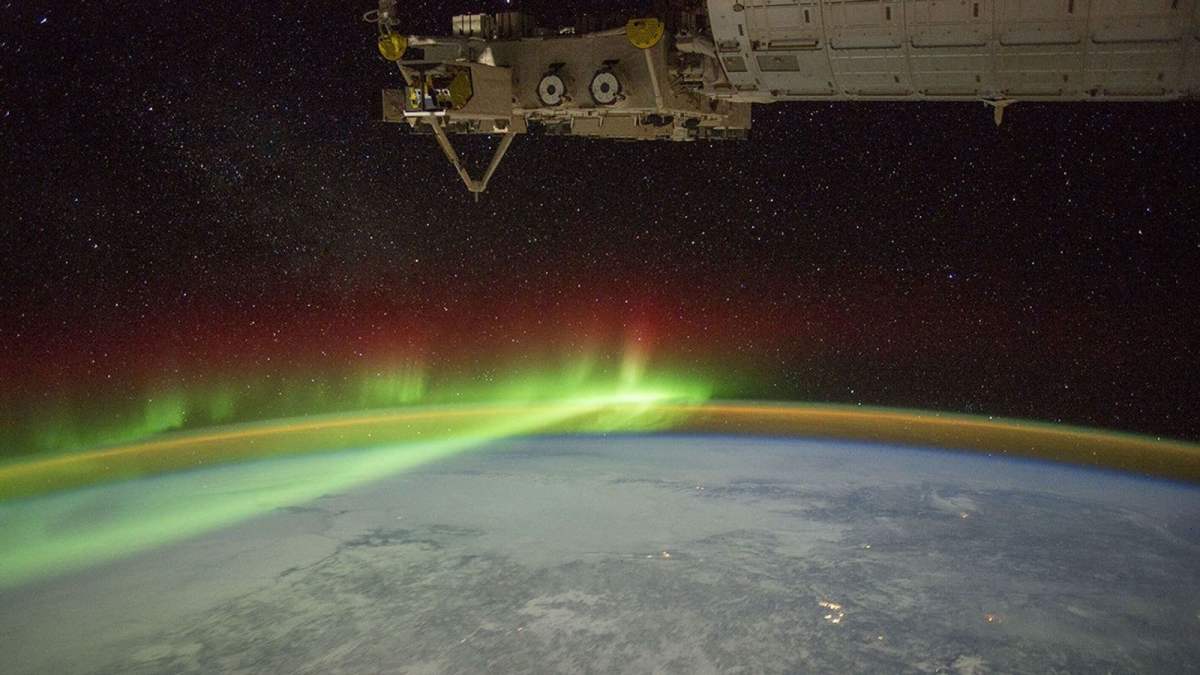
The occurrence of aurora is directly related to the intensity of the disturbance in Earth's magnetic field, which is quantified on a scale of 0-9 in a metric called the planetary K-index or the Kp-index. The SWPC forecast says that the Kp-index will hit its 3-day peak tomorrow between 5 p.m. and 8 p.m. EDT. While that is certainly on the lower side, it's high enough for NOAA to issue a forecast for a minor geomagnetic storm. Usually such storms are triggered by solar flares or CMEs, but this time the main culprits are high-speed streams from a couple of coronal holes, with only glancing effects from CMEs.
What are coronal holes, and how do they affect us?
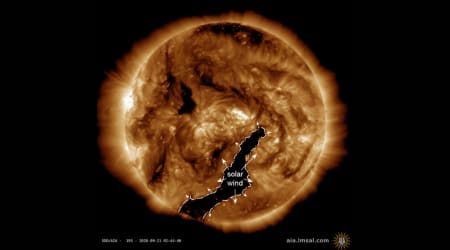
Coronal holes are areas in the Sun's corona (outer atmosphere) that are cooler and less dense than the surrounding plasma and thus appear dark in extreme ultraviolet (EUV) and soft X-ray solar images, according to the SWPC. They are also characterized by open, unipolar magnetic fields, which allow solar winds to escape more easily, resulting in faster high-speed streams called coronal hole high-speed streams (CH HSS).
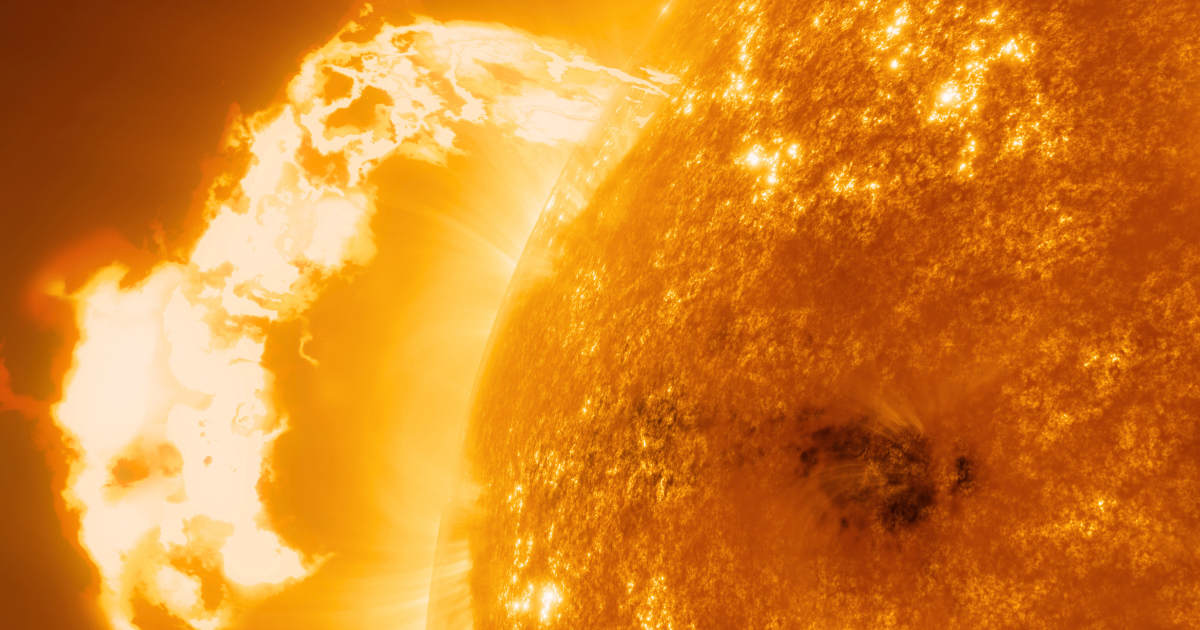
Coronal holes usually form near the poles of the Sun, occasionally extending towards the equator. Some coronal holes can also exist on their own near the equator or break off to create more of these darker regions of the Sun. As for the aforementioned high-speed streams, one of them originated in a coronal hole in the north pole, while the other rose from one in the south, according to a report on Spaceweather.com. These two coronal holes had been present on the surface of the Sun for a while before they turned towards the Earth.
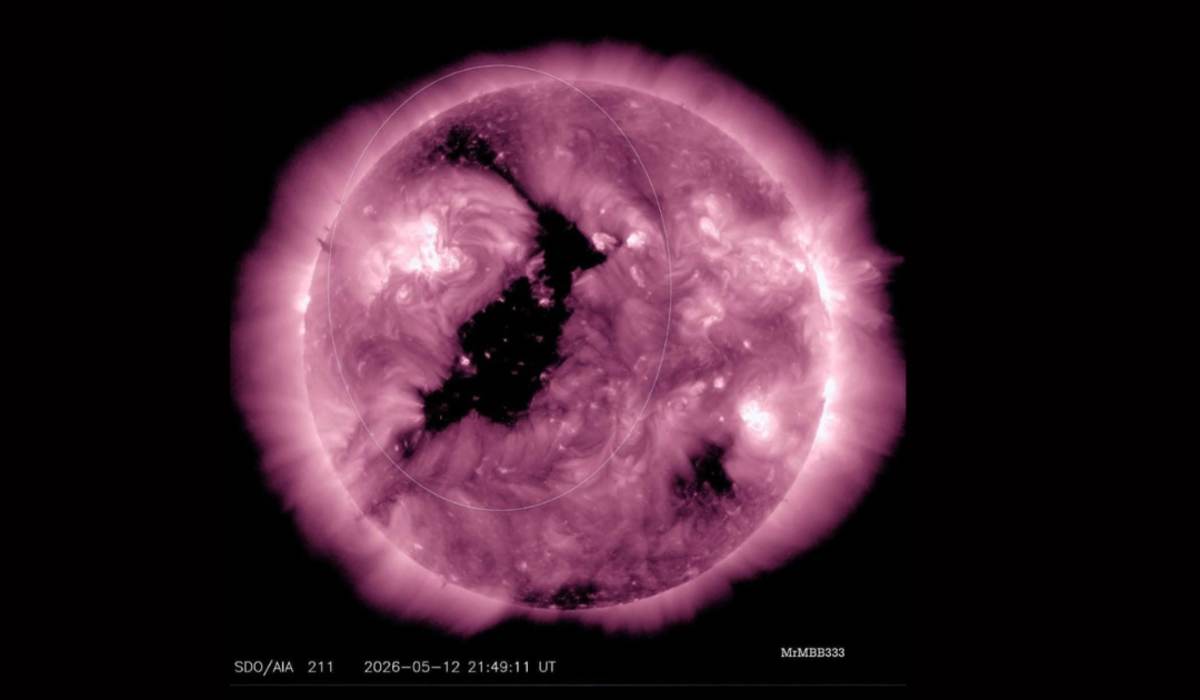
Coronal holes can sometimes last across several solar rotations (27-day periods). In fact, long-lasting coronal holes are the most persistent sources of high-speed solar streams. The SWPC says that faster CH HSS usually results in G1-G2 (minor to moderate) storm levels, but rare cases can see them trigger stronger storms.
More on Starlust
The Sun was about to unleash a coronal mass ejection—but it didn't. Scientists now know why
Scientists find a new way to predict space weather based on how the Sun goes to 'sleep'