Did liquid water once exist in the outer solar system? Study of Neptune's moons provides clue
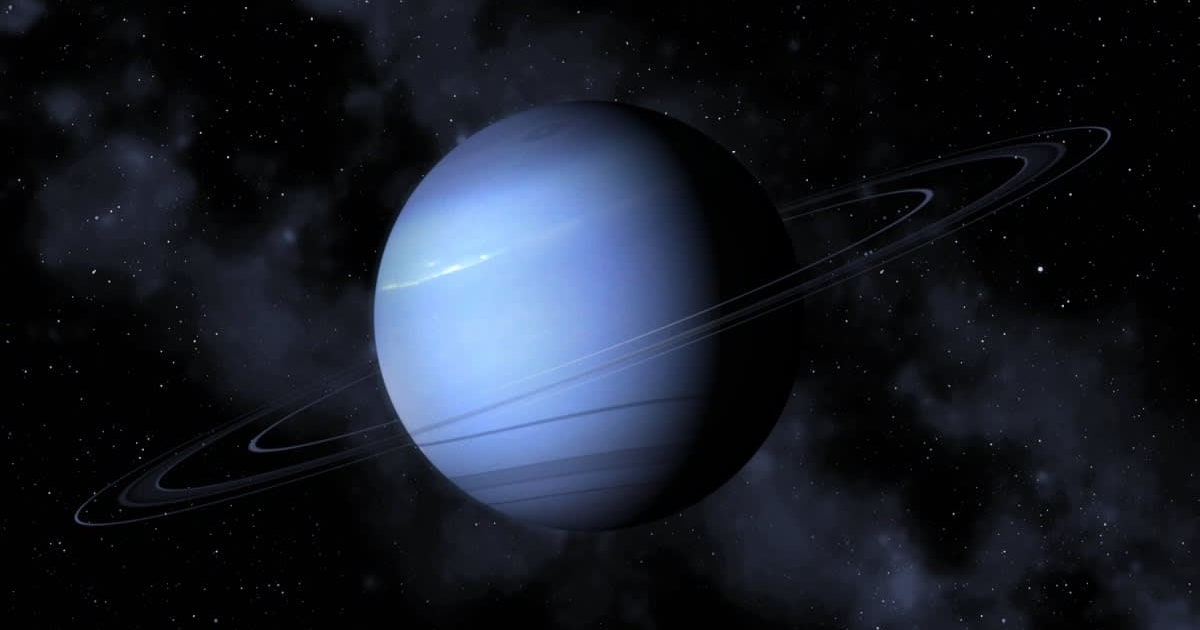
Scientists have found evidence that liquid water existed in the Neptunian system's past. Using information gathered by the James Webb Space Telescope (JWST), researchers have figured out the composition of the ice giant's tiny inner moons and rings. The data hinted at the presence of clay-like materials that can only be formed by long-term interaction with liquid water. Since Neptune lies quite far in the frigid outer reaches of the solar system, it is one of the last places such an indication was expected to come from. This has led to a couple of ideas about how the evolutionary story of the Neptunian moons unfolded, which is understood to be very different from that of planetary giants neighboring Neptune.
🌊 Neptune's tiny inner moons may be hiding evidence of a much bigger, wetter past.
— The SETI Institute (@SETIInstitute) September 16, 2026
JWST observations revealed something unexpected: no signs of water ice, but strong signatures of hydrated minerals, including magnesium-rich clays. Those minerals require liquid water interacting…
The research paper that describes these findings was published on in late July in Science Advances. Its lead author, Caltech (California Institute of Technology) graduate student Ryleigh Davis, said, "We see something that doesn't really look like anything else we've identified in the solar system." What Davis described are fingerprints of chemicals observed from the Neptunian rings and its three moons, Larissa, Galatea, and Proteus. These three irregularly shaped moons lie very close to their host planet, which had made it difficult for scientists to study them directly. However, thanks to spectroscopy performed with Webb's NIRSpec (Near Infrared Spectrograph), the scientists were able to make direct observations of the compositions of these moons.
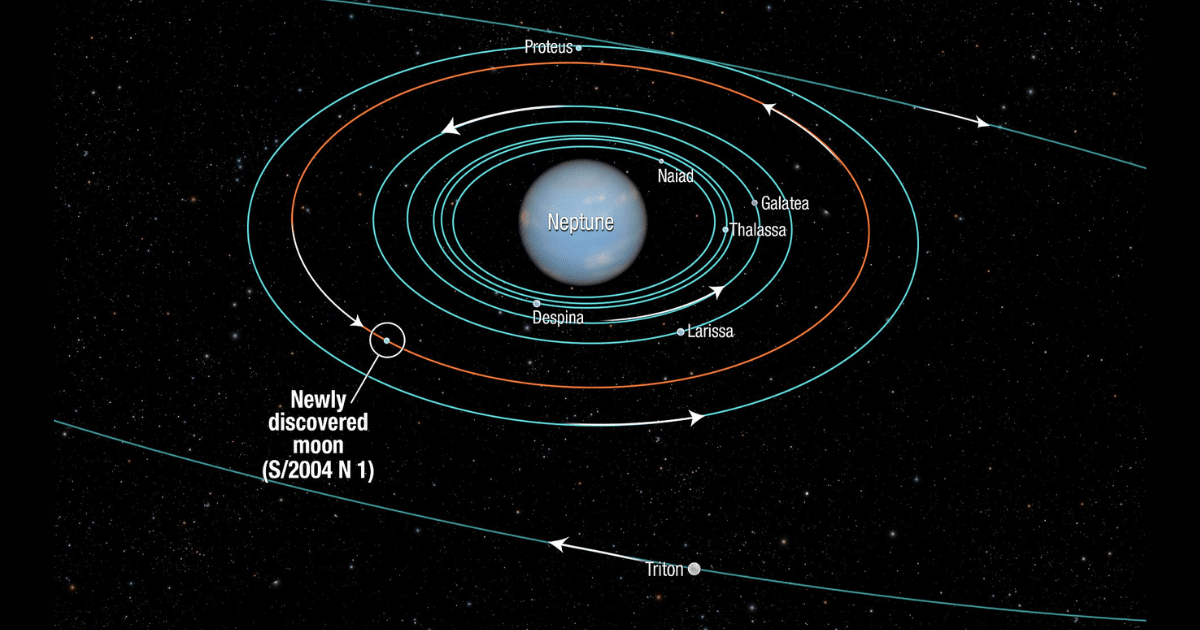
"We were very surprised when we got the data down," said Davis, while explaining that there appeared to be a presence of what are known as hydration bands. What this loosely translates to is not the evidence of free molecules of water, but its constituents—oxygen and hydrogen—bound directly into the rock's minerals. Moreover, the team also discovered spectra that point to the presence of magnesium-rich phyllosilicates, which are clay-like substances of a kind that need plenty of alteration by liquid water to form. The only plausible explanation was that these substances were formed deep inside a large enough icy moon of Neptune that was able to hold liquid water inside it in the past. Later events caused such a moon—or any other that would have originally been there—to be destroyed, leaving behind remnants that came together to create what we know as Larissa, Galatea, and Proteus.
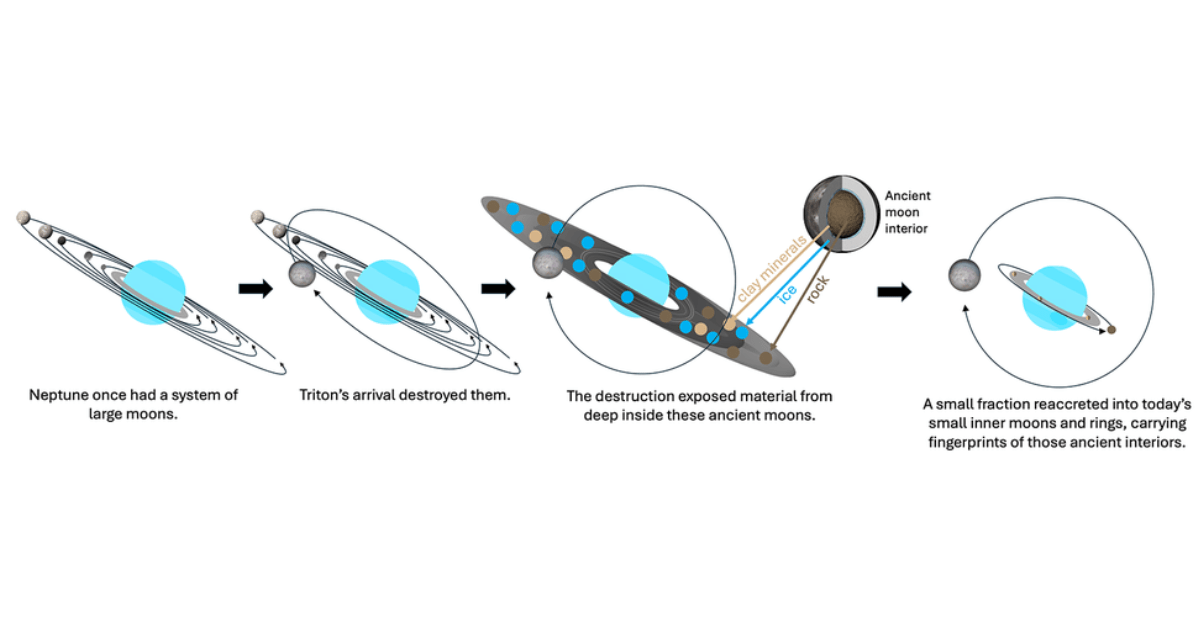
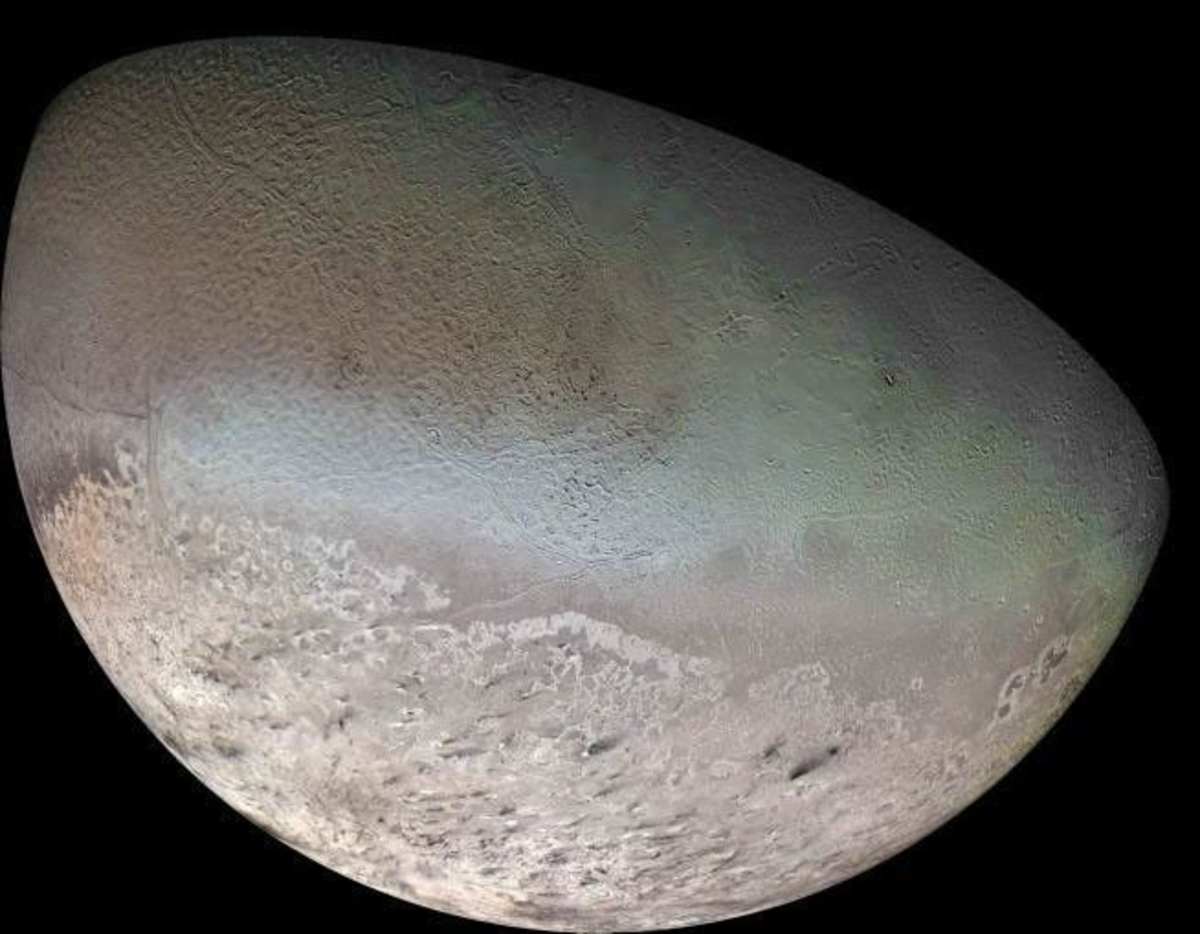
The researchers think that the most likely scenario to explain how such a catastrophic event could take place is the arrival of Triton. The single largest moon of the ice giant, containing about 99 percent of the combined mass of all Neptunian moons, is quite atypical. Scientists think it is an object that came from the Kuiper Belt and is said to have been captured by the gravity of Neptune, which explains its retrograde orbit (revolving opposite to the host planet's rotation). When it became a moon of Neptune, its arrival disrupted the orbits of all the other existing moons, and destroyed others. In the process, the particular moon (or set of moons) that would have carried materials shaped by liquid water would have become exposed and ended up forming the inner moons of Neptune. The materials in these moons are also quite dark, and believed to be structurally quite strong given that they are still intact despite being within the Roche limit, the distance threshold beyond which tidal forces from Neptune rips loosely held objects apart.
The explanation that assumes Triton's catastrophic arrival as the cause of all this also fits in with how the moon Nereid appears to be different from the other moons of Neptune, while being similar to moons expected to be found in the outer solar system. Nereid orbits Neptune far beyond Triton, leading scientists to believe that it is one of the ice giant's original moons that survived destruction. Although observations like these are creating a better picture of the planet's past, the Neptunian system still remains shrouded in much mystery. "Looking forward, understanding how that process actually proceeds would be interesting," added Davis.
More on Starlust
Scientists just found a bizarre new form of ice that could explain what’s inside Uranus and Neptune
NASA's Webb and Hubble reveal how tiny objects beyond Neptune still preserve their ancient origins