Aurora alert: Northern lights could be visible Wednesday night in Montana, Alaska and more U.S. states
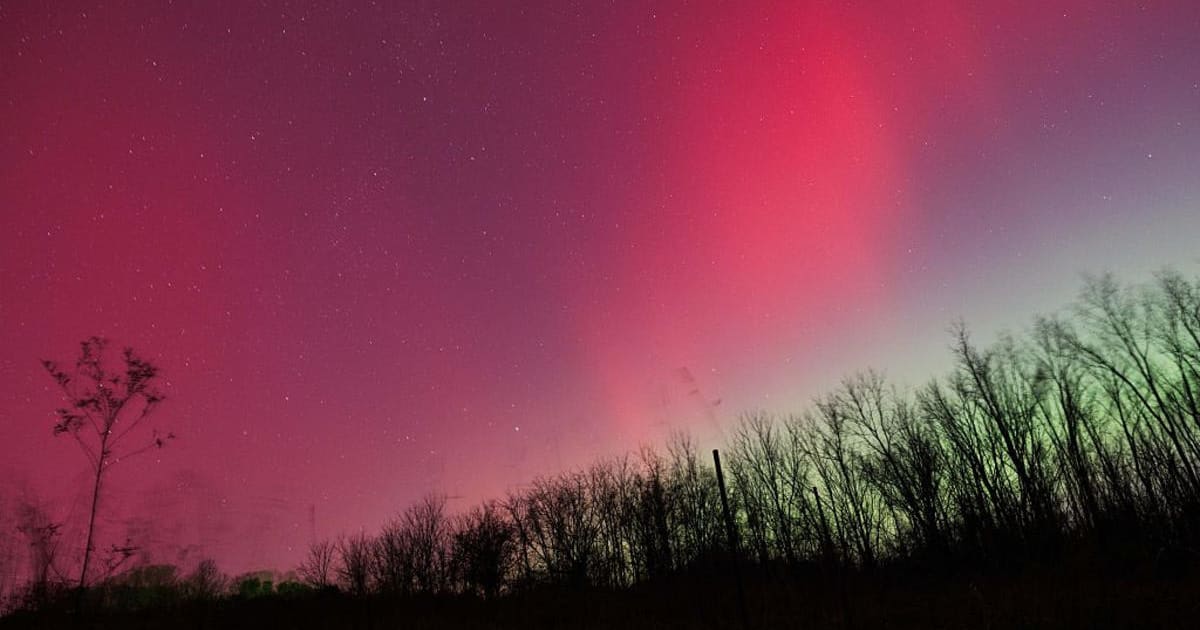
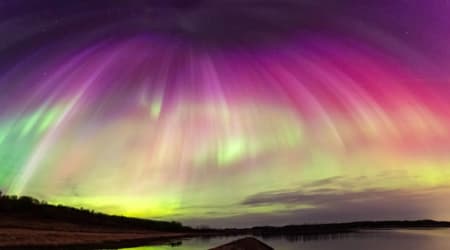
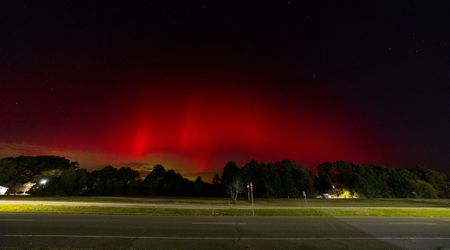
A forecast published by the National Oceanic and Atmospheric Administration (NOAA) predicts the presence of auroras in the skies on Wednesday night in some northern US states and Canada. The northern lights could be visible to residents of Alaska, Washington, Idaho, Montana, North Dakota, Minnesota, Wisconsin, and Michigan, while recent alerts from NOAA have also included Maine as having potential for visibility. Provided conditions are ideal, one can witness or photograph the visual spectacle with some contextual knowledge and preparedness.
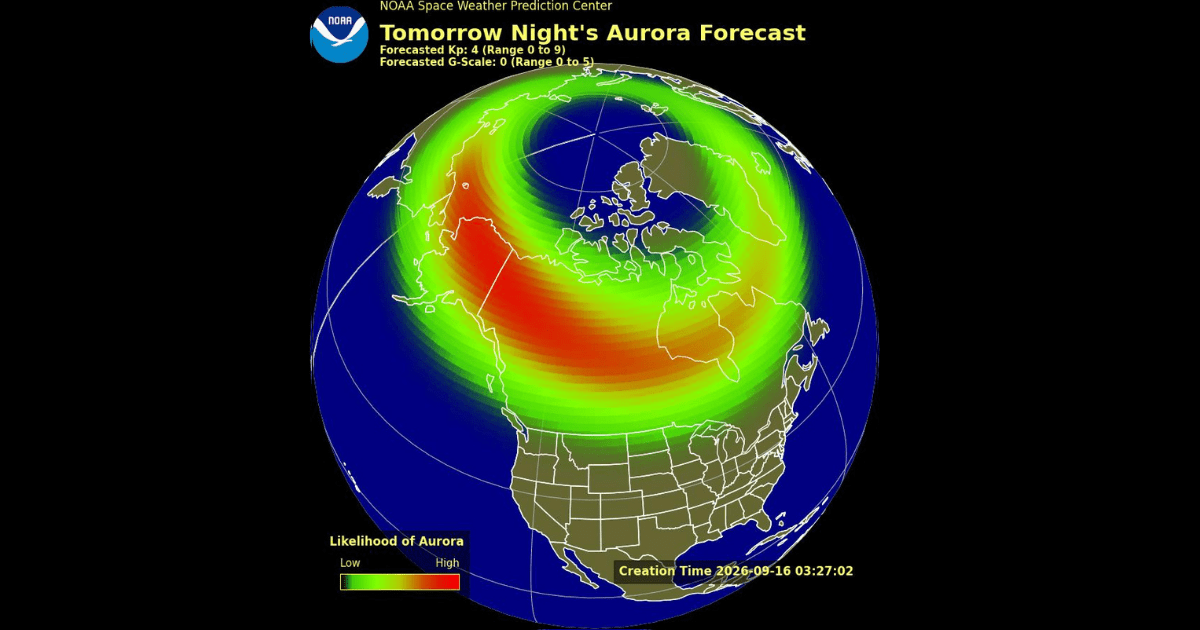
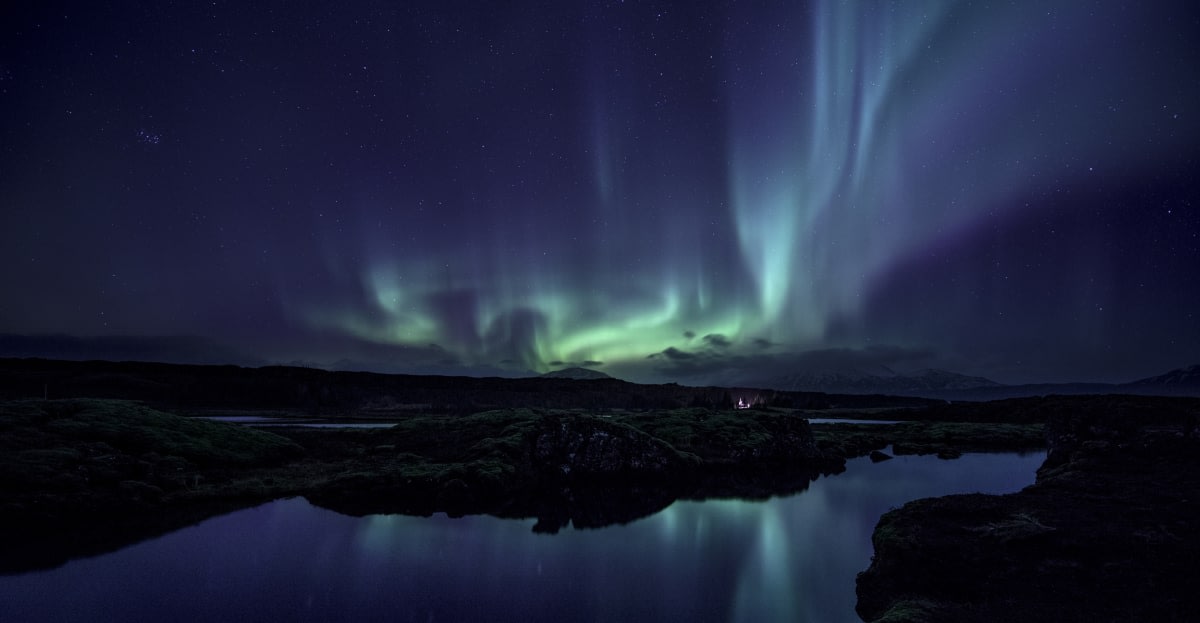
Generally, auroras tend to form as a halo around the Earth's poles. In times of disturbances in some layers of our atmosphere, like the magnetosphere and ionosphere, which are caused by incoming solar wind, solar plasma, and magnetic fields ejected from the Sun, auroras become more prominent and are seen further south than usual. This is because of the heightened geomagnetic storming effects. Above a certain threshold of such geomagnetic activity that is determined by the planetary K-index, NOAA scales dictate that a geomagnetic storm alert be issued due to the potential technological impacts that also accompany the northern lights. For instance, NOAA alerts for September 16 and 17 hint at some minor fluctuations in power grids and disruptions to satellite operations, but they pose no danger to biological life on Earth.
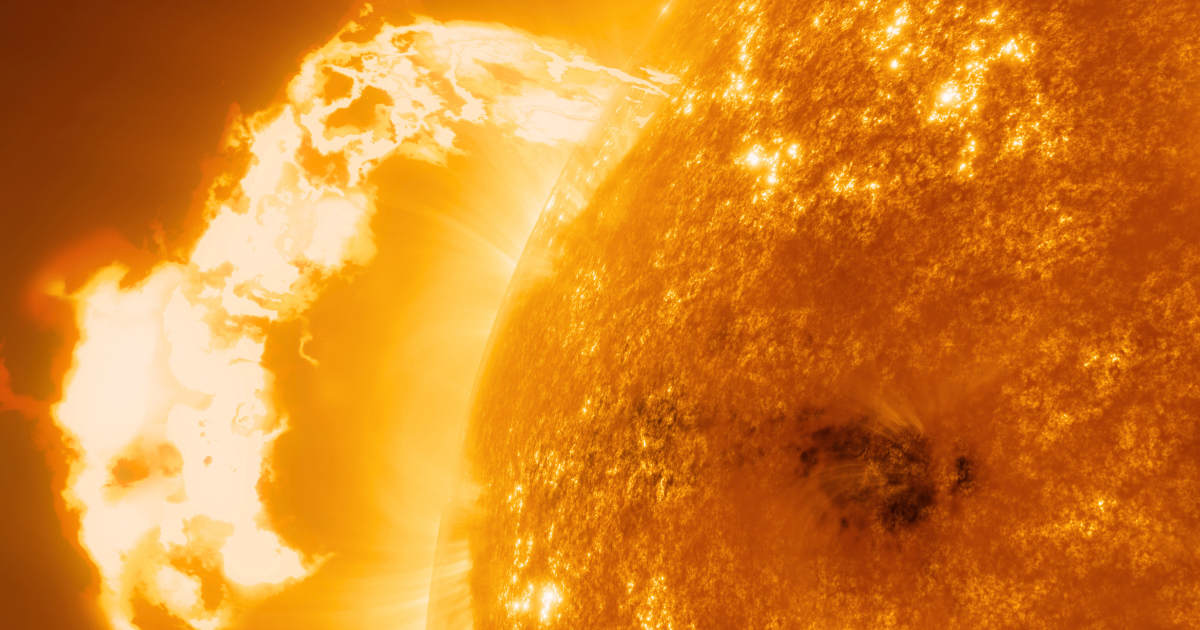
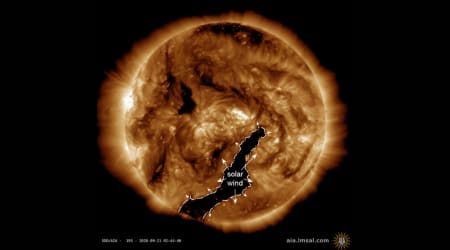
According to NOAA's Space Weather Prediction Center, a minor—or G1—geomagnetic storm is set to occur on Wednesday between 4 pm CDT and 7 pm CDT. After a bit of a dip in the K-index (denoted by Kp) for the next three hours, a G1 geomagnetic storm could return at 10 pm CDT and last until 1 am, before subsiding by the early hours of Thursday. Given the activity during these hours, the best bet for observing auroras would be to stay especially alert during these times, especially around midnight when they are often at their brilliant best. The storm is understood to be caused by a coronal mass ejection, which is a violent expulsion of billions of tons of solar plasma from the Sun that ultimately triggers the release of energy from atmospheric molecules in the form of light in various colors. The geomagnetic storming is also helped by high-speed streams of coronal winds that have glanced Earth in the past few days.
What you should know before seeking auroras
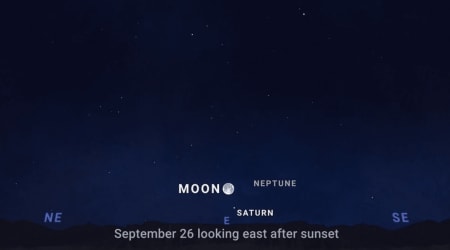
To capture the dancing northern lights, the best bet is to be positioned in as northerly a latitude as possible. NOAA also prescribes watching for aurora from a high vantage point that allows for an unobstructed view of the northern horizon. In such a case, the northern lights can be seen even if they are 600 miles northward. The Moon's phases also have a large say in aurora visibility, since lighting conditions are a key factor in being able to see the phenomenon. Dark skies away from city lights are also considered ideal for the same reasons. The Moon in its crescent phase helps in this regard. Moreover, with the autumn equinox nearing, visibility of auroras should be helped as well. The months of September and October are said to bring about some of the highest numbers of aurora viewing opportunities, based on earlier research. This happens due to the Russell-McPherron effect that aligns the Earth's magnetic fields in a way that is conducive to aurora formation.
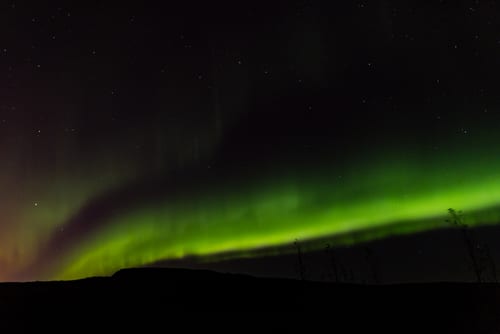
To capture the dancing northern lights, the best bet is to be positioned in as northerly a latitude as possible. NOAA also recommends watching for auroras from a high vantage point that allows for an unobstructed view of the northern horizon. In such a case, the northern lights can be seen even if they are 600 miles northward. The Moon's phases also have a large say in aurora visibility, since lighting conditions are a key factor in being able to see the phenomenon. Dark skies away from city lights are also considered ideal for the same reasons. The Moon in its current waxing crescent phase helps in this regard. Moreover, with the autumn equinox nearing, visibility of auroras should be helped as well. The months of September and October are said to bring about some of the highest numbers of aurora viewing opportunities, based on earlier research. This happens due to the Russell-McPherron effect, a phenomenon that aligns the Earth's magnetic field in a way that is more conducive to aurora formation by allowing solar wind to more easily slip through our planet's magnetic defenses.
More on Starlust
The Sun was about to unleash a coronal mass ejection—but it didn't. Scientists now know why
NOAA’s SOLAR-1 is now operational—and it's changing how the U.S. watches space weather