NASA's Nancy Grace Roman Telescope can now easily run for 22 years instead of 10. Here's how
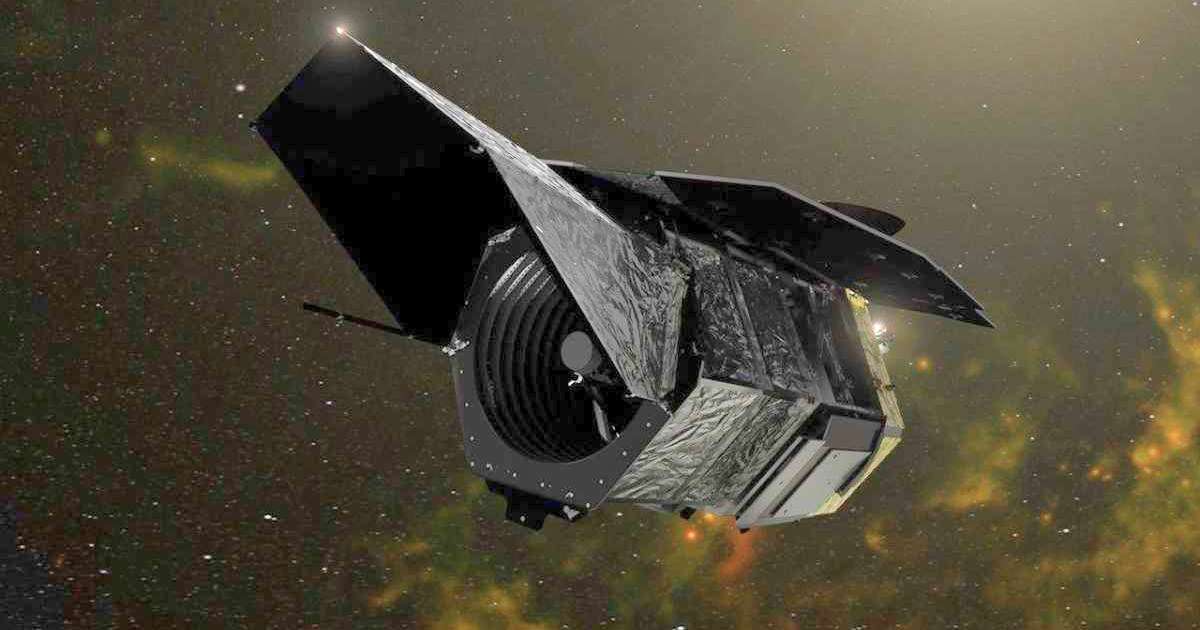
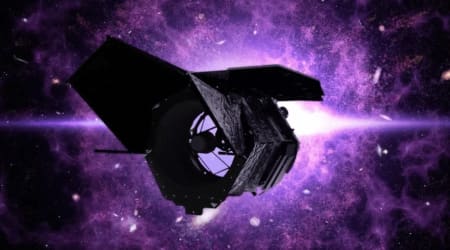
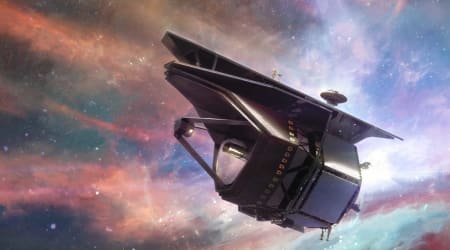
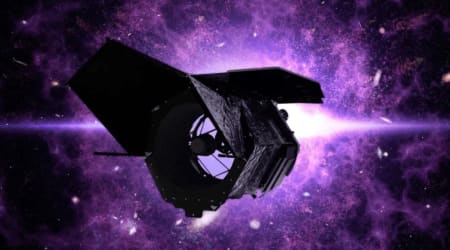
The Nancy Grace Roman Space Telescope could potentially operate for 22 years, more than double its total intended lifespan of 10 years, NASA announced on September 14, 2026. “As a result of exquisite planning by our orbital dynamics team, brilliant execution by the operations team, and a precise launch from SpaceX, Roman has fuel for at least 22 years of potential science operations,” said Jamie Dunn, center director at NASA’s Goddard Space Flight Center in Greenbelt, Maryland.
Achievement unlocked!
— Nancy Grace Roman Space Telescope (@NASARoman) September 14, 2026
Reward: More years of fuel!
We have completed Roman's first course correction so accurately that it conserved years of fuel for the mission!
Learn more: https://t.co/t1mOufYvg2 pic.twitter.com/NXP2lWBPnj
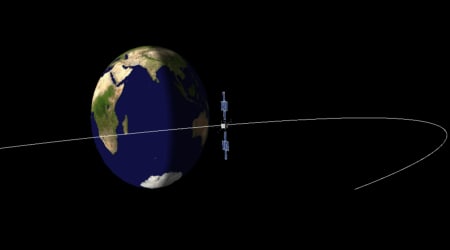
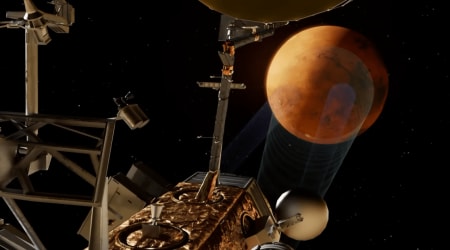
The Roman team executed the first of the observatory's two planned mid-course correction burns on August 31, with 99% accuracy, adding four years to the mission's lifespan. Instead of 441 pounds (200 kilograms) of fuel that the team had budgeted for, the maneuver only required 40 pounds (18 kilograms). What's more, because the first burn was so successful, the team can wait a little longer to carry out the second one, which is now scheduled for later this month and is projected to save even more fuel.
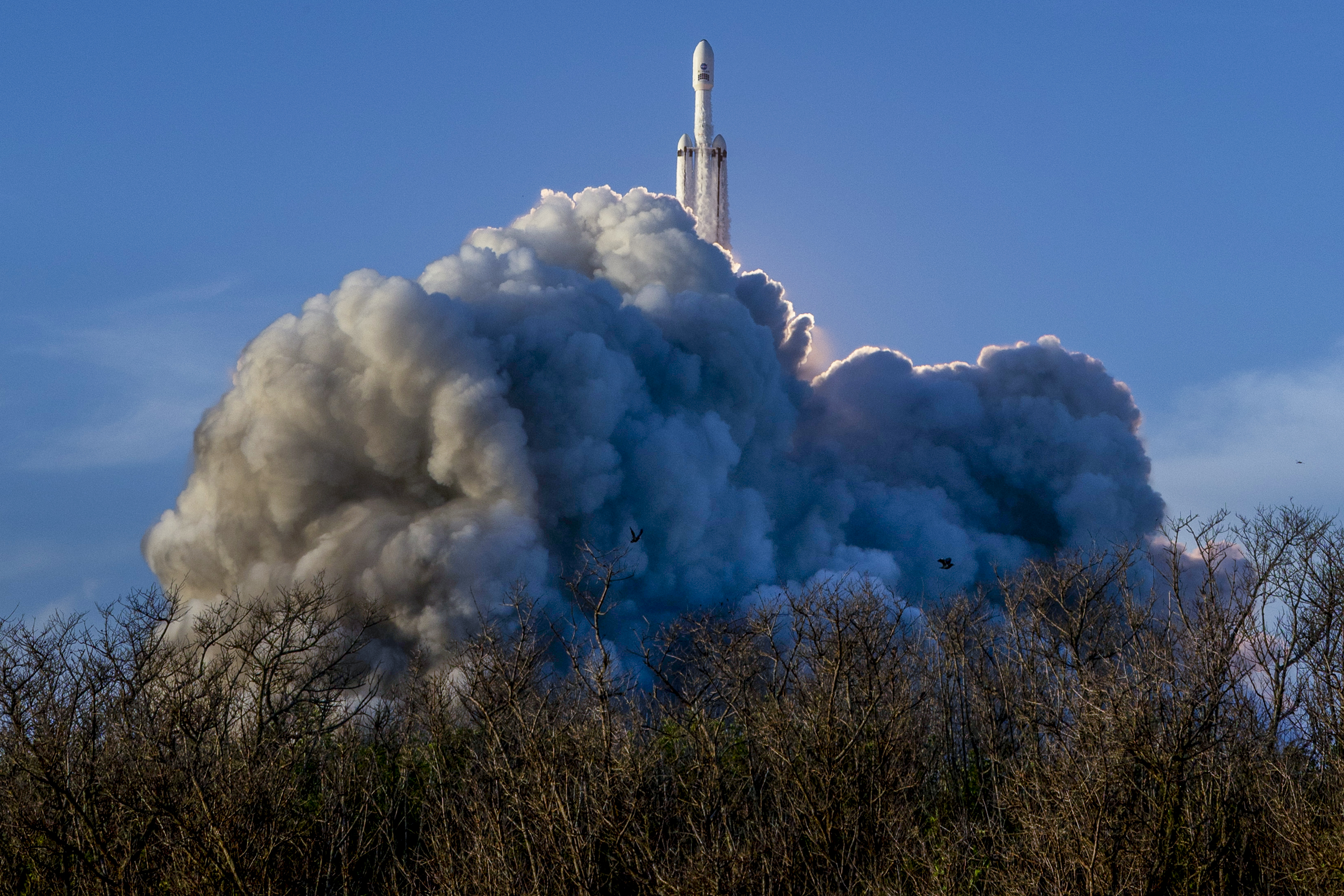
Another key reason why Roman will be able to stay operational for more than two decades is that it is also carrying more fuel than it was initially supposed to. The team had expected Roman to weigh 21,605 pounds (9,800 kilograms), but it turned out to be much lighter at 17,760 pounds (8,056 kilograms). This allowed the team to load more fuel into the observatory before launch, adding four more years to the mission's lifespan.
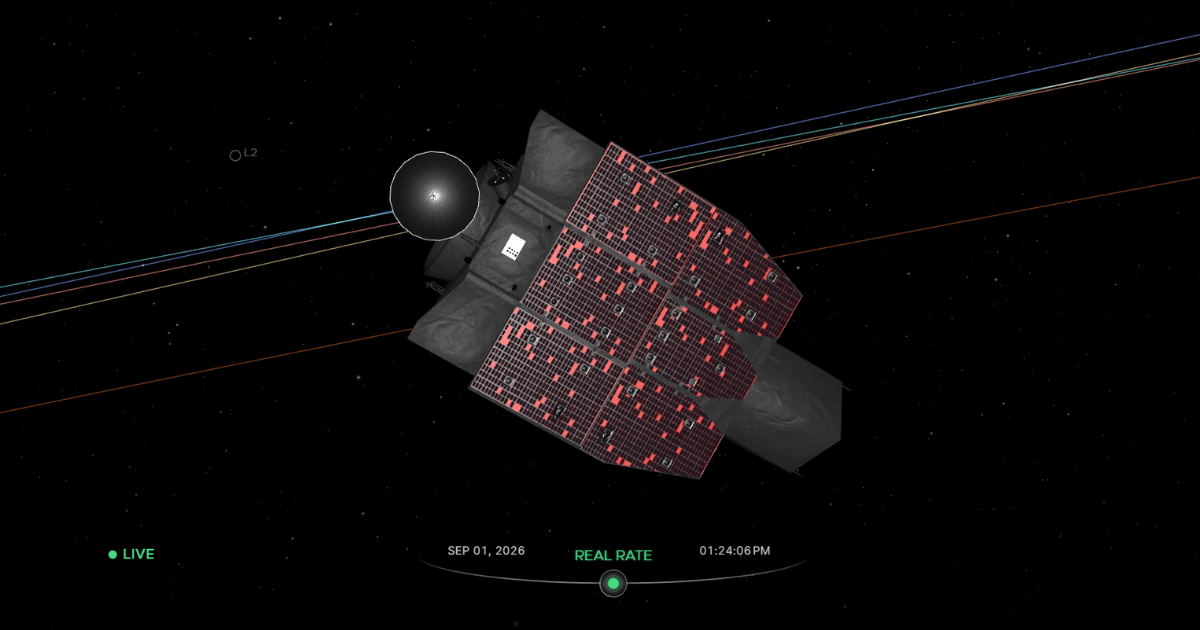
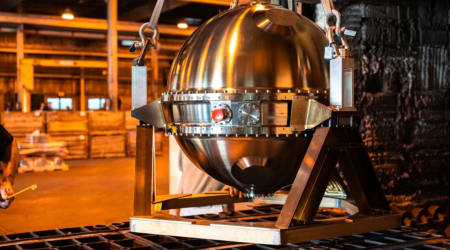
"A spacecraft’s mass changes throughout the design and build process, so we base the propellant budget on a set maximum value so we won’t come up short," said Alison Rao, the Roman propulsion lead at NASA Goddard. "We track the propellant needed based on actual mass throughout integration and testing as well, to make sure we have wiggle room. Since Roman’s was lower than we budgeted for, we were able to fill the propellant tanks to their capacity rather than only filling them as much as we needed to for the 10-year requirement." Roman is expected to reach its destination around the second Sun-Earth Lagrange point (L2) in early December, around 100 days after its launch. Once it's there, it will only need to execute periodic burns every 28 days to maintain a stable orbit.
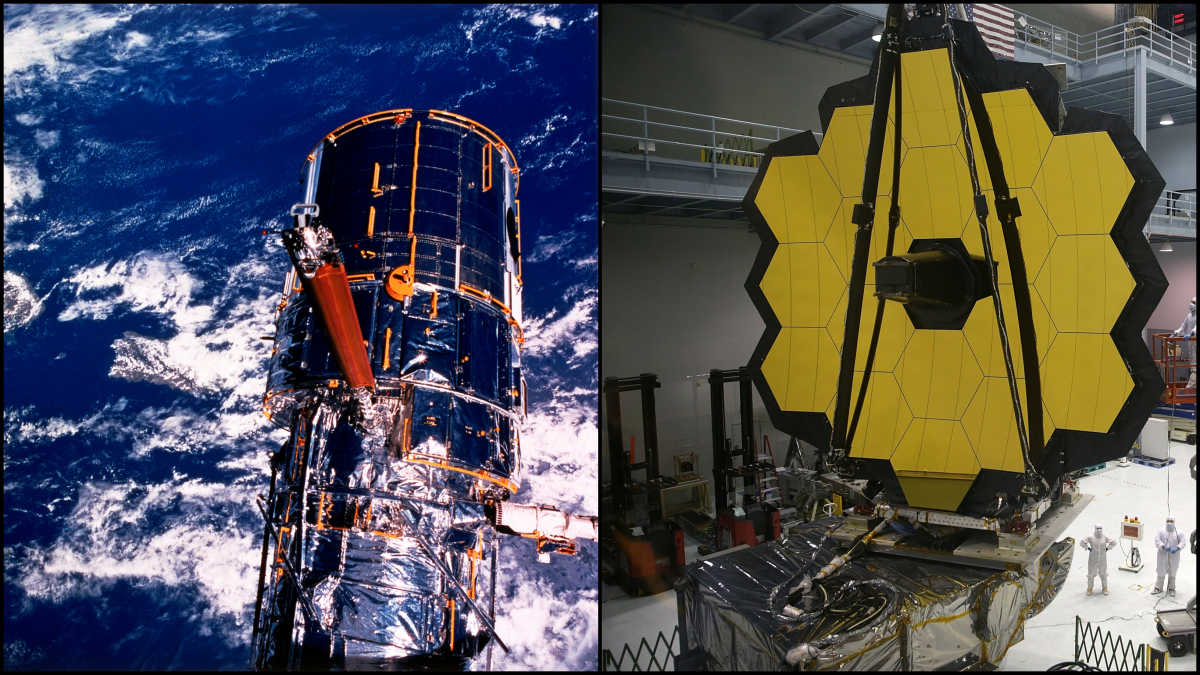
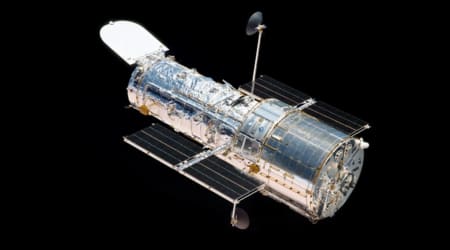
The Roman Space Telescope will not be the first NASA mission to have its observation duration extended. The Hubble Space Telescope that launched in 1990 with an expected lifespan of 15 years still continues to operate, thanks to five servicing missions between 1993 and 2009. The James Webb Space Telescope, which launched on Christmas Day in 2021, also saw its 10-year lifespan extended due to fuel-efficient maneuvers. Webb also orbits L2, and while NASA doesn't yet have the technology to service spacecraft in that orbit, it has designed the Roman Telescope to be refuelable.
More on Starlust
Watch: Astrophotographer spots NASA’s Nancy Grace Roman Telescope on its way to Lagrange Point 2
NASA's Roman Space Telescope activates the instrument built to spot hidden planets