Aurora alert: Solar wind from giant coronal hole could enhance Northern Lights on Wednesday
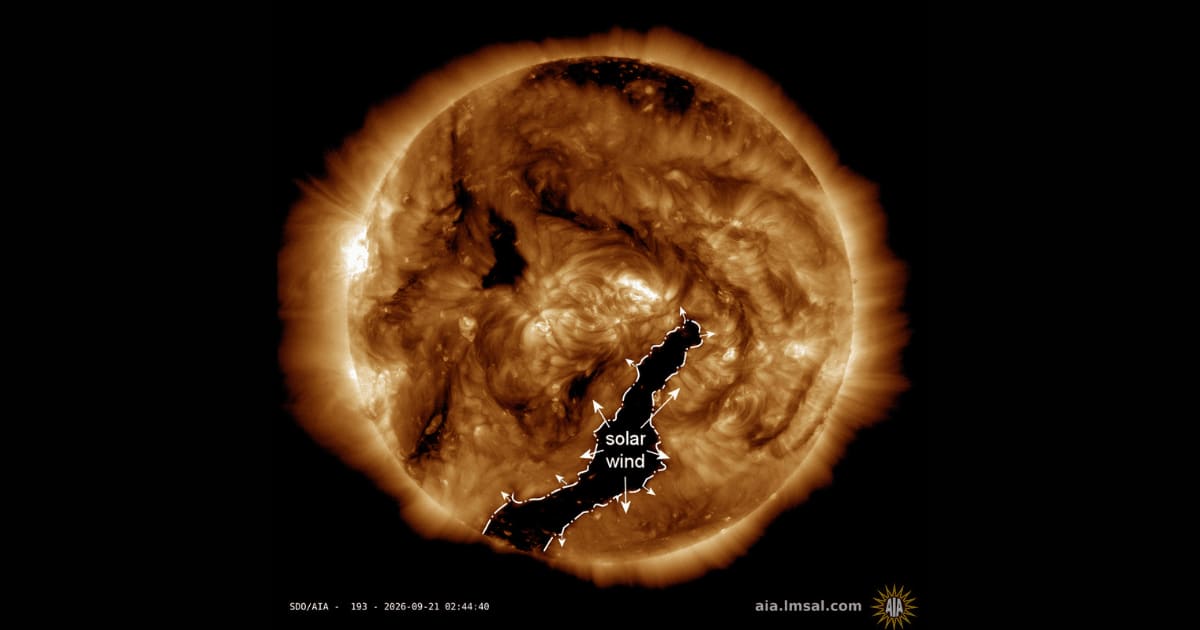
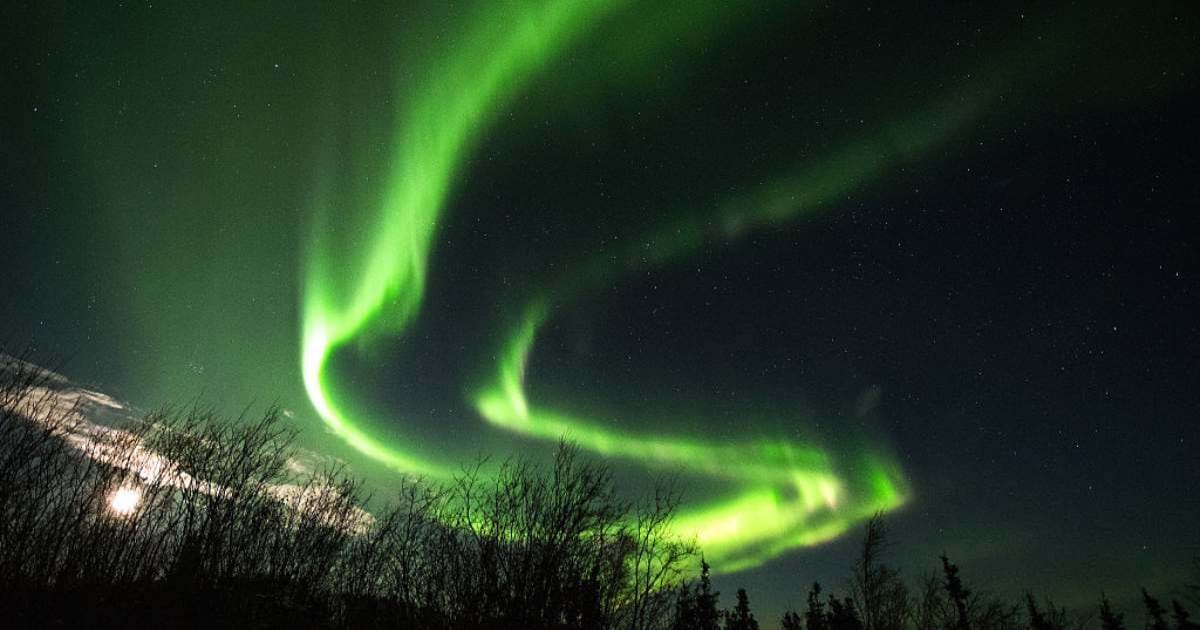
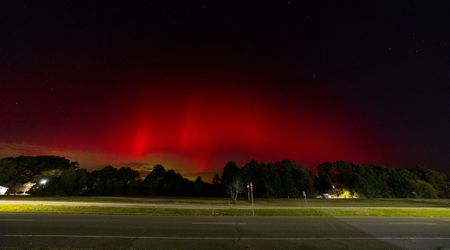
Parts of our atmosphere could see inclement space weather this week due to solar wind hitting Earth. This incoming blast of solar wind is understood to have originated from a region of the Sun's surface called a coronal hole on Sunday, September 20, 2026. According to a report by Spaceweather, this stream is set to arrive at a blistering speed of over 350 miles per second, potentially triggering more pronounced auroras than usual on Wednesday.
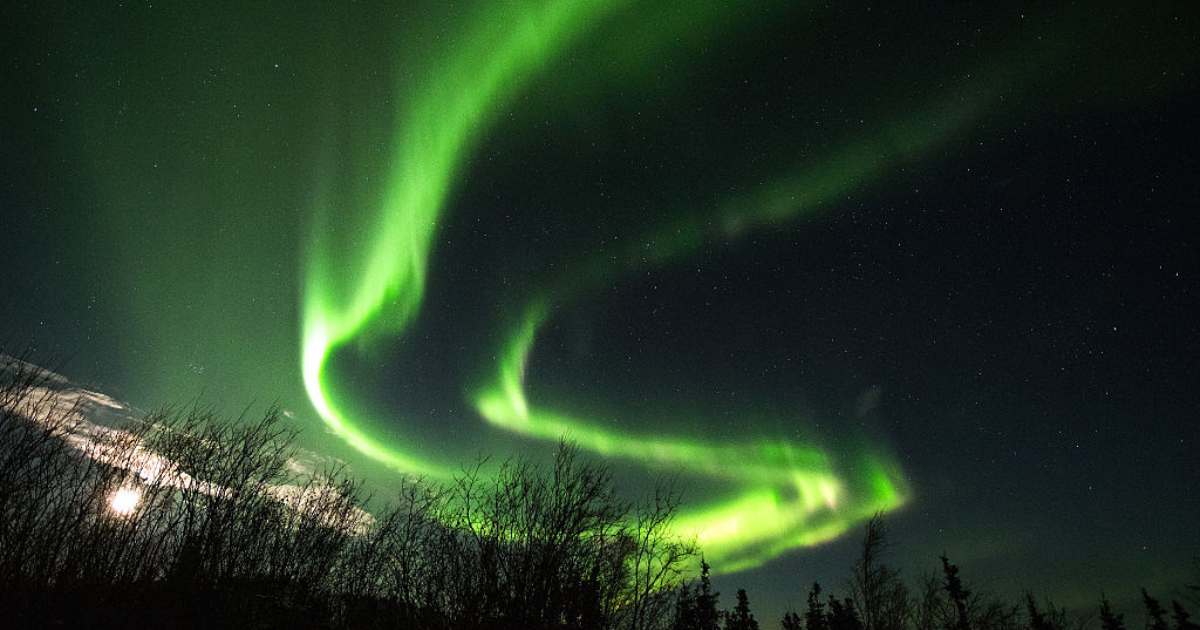
Such fast solar winds are referred to as coronal hole high-speed streams (CH HSS). Coronal holes are regions of the Sun whose extreme ultraviolet (EUV) and soft X-ray images reveal a darkened area that is less dense than surrounding areas. The region also has open magnetic fields that do not loop back down to the surface. While the Sun already emits a certain amount of solar wind in all directions in space, such open magnetic fields allow solar particles to escape more readily. This creates the high-speed streams, which can hit Earth and create disturbances in our magnetosphere and ionosphere. This disturbance is known as a geomagnetic storm, and it usually produces the spectacle of auroras.
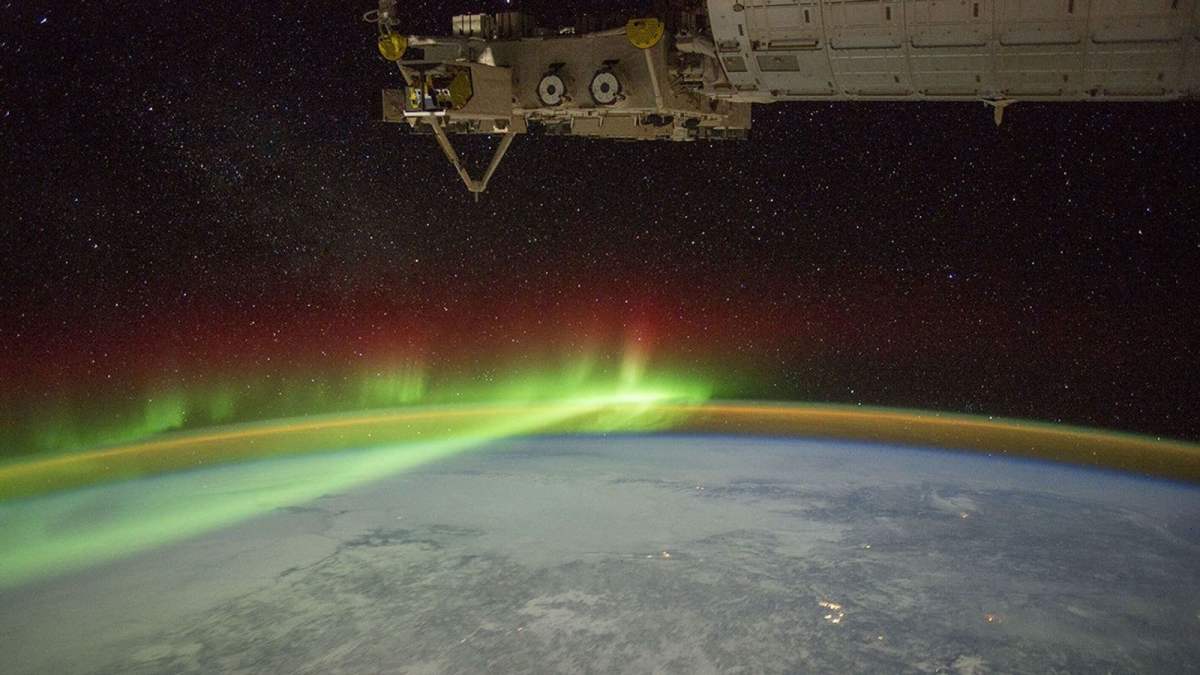
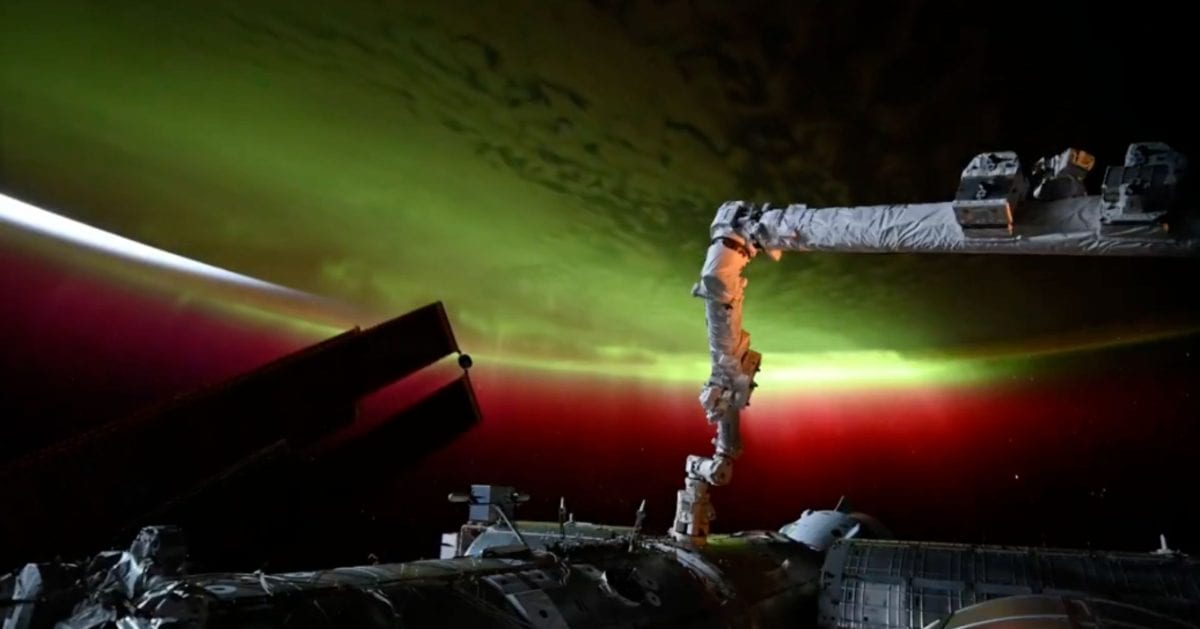
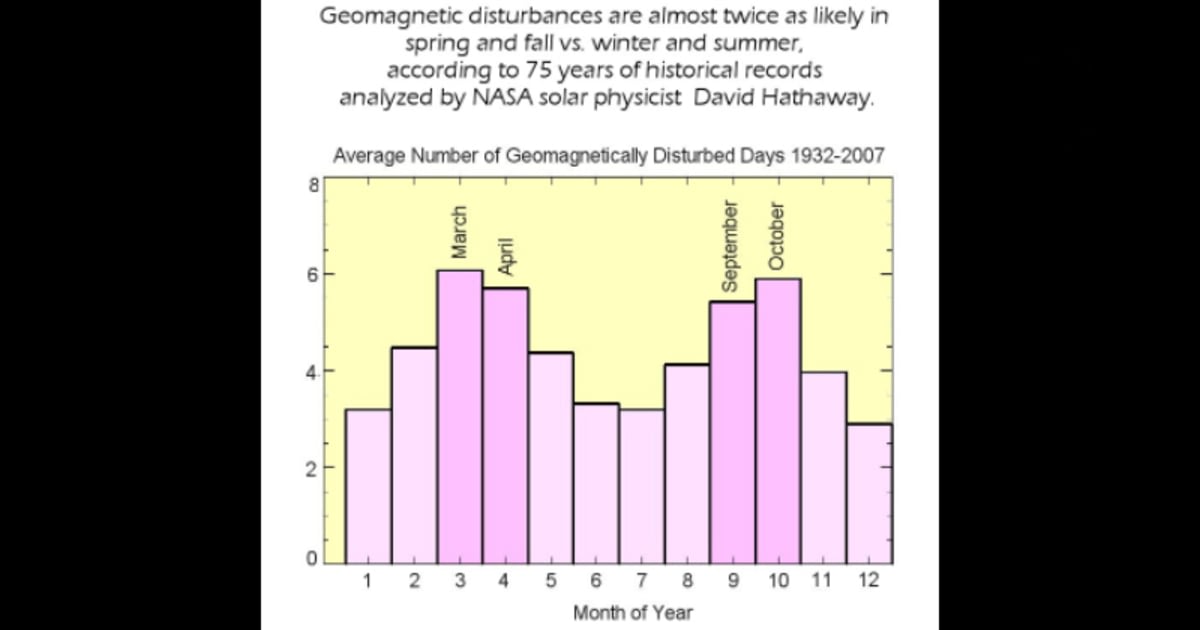
Because the Sun is always emitting a certain amount of solar wind, the dancing northern lights can always be observed from space near the poles, especially by astronauts orbiting Earth inside the International Space Station (ISS). However, when violent events like solar flares and coronal mass ejections (CMEs) occur, they trigger the arrival of denser solar material and cause auroras to become more prominent. These auroras can also end up appearing above southern US states like Florida when more intense categories of storm-like conditions are triggered. Moreover, this time of the year also produces some of the highest amounts of auroras due to the Russell-McPherron effect coming into play around the equinoxes.
A similar space weather event also took place last week when high-speed streams collided with Earth to create minor geomagnetic storm-like effects. Consequently, forecasters warned of potential disruptions to satellite operations and fluctuations in power grids due to the induction of currents. In relation to human health, some statistical studies have suggested a correlation between exposure to high geomagnetic activity on Earth with a rise in migraines and the exacerbation of cardiac arrest risks in patients with heart disease, though these links remain debated. Even migratory birds are known to be affected by this space weather event due to their reliance on Earth's magnetic field for navigation.
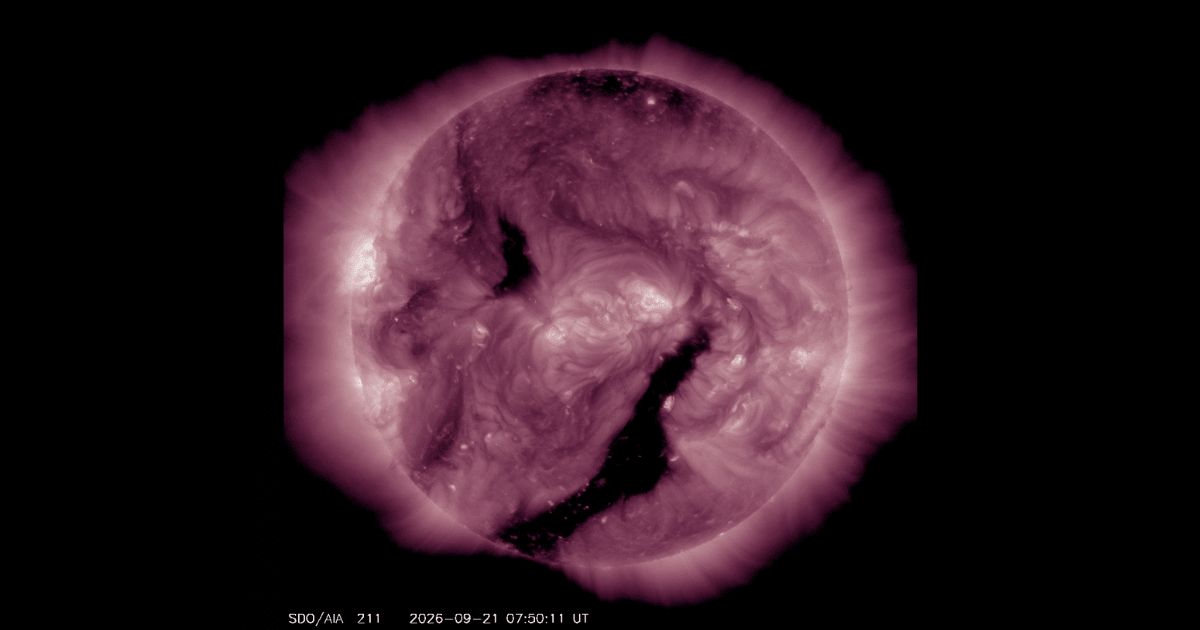
While the CH HSS that caused a minor (G1) geomagnetic storm last week appeared to have emerged from a couple of prominent coronal holes on the Sun, the incoming streams took off from a single, narrow coronal hole. It is currently located near the southern region of the Sun, and moved to its current position from our perspective after the rotation of the Sun brought it into view of NASA's Solar Dynamics Observatory. The Sun completes one rotation every 27 days on average, which changes because the Sun's plasma is quite fluid, resulting in variable rotational speeds across different latitudes.
More on Starlust
The Sun was about to unleash a coronal mass ejection—but it didn't. Scientists now know why
What is the planetary K-index? How is it related to auroras and geomagnetic storms?