AI flying a spacecraft? U.S. firm AstroForge to launch fully autonomous mission in 2027
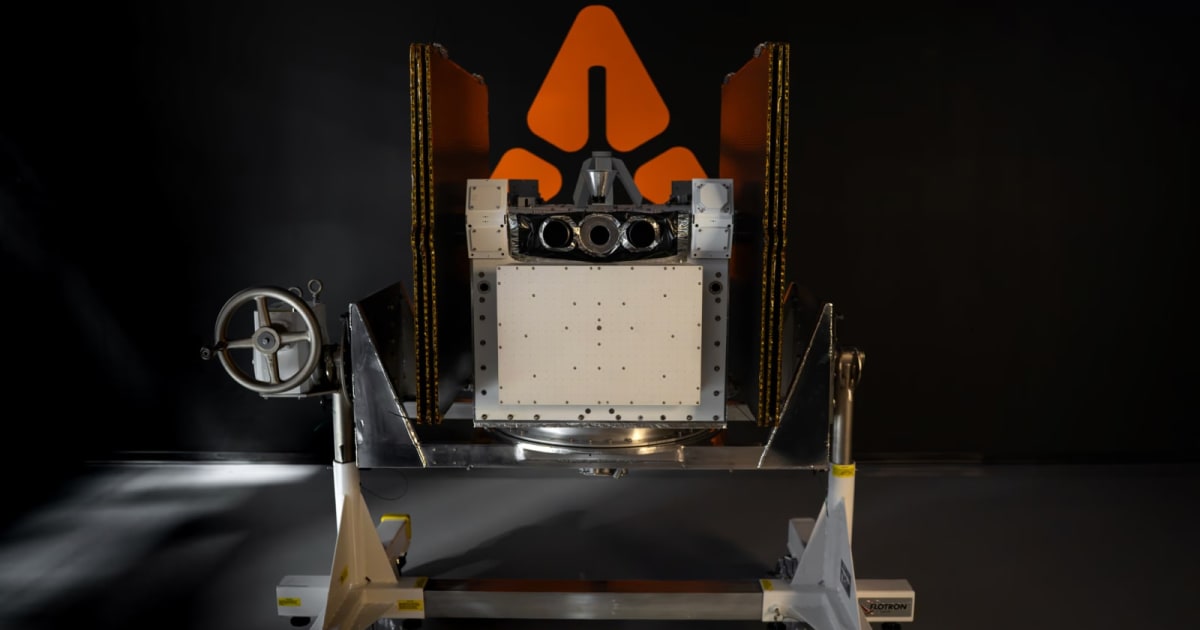
A U.S.-based aerospace company is planning to launch a spacecraft that will not be given any commands from Earth once in space. On September 21, 2026, AstroForge announced that its aptly named Autonomy-1 will use an artificial intelligence (AI) model named Solo, specifically designed for spacecraft navigation, to execute its mission. The autonomous spacecraft will also carry a NASA payload to better understand space weather. The mission is expected to launch early next year from Space Launch Complex 14 at Cape Canaveral Space Force Station in Florida.
Autonomy-1 will take the next step. Flying on Stoke's Nova Pathfinder, Autonomy-1 will attempt to complete every mission objective without a command from Earth, while carrying a real NASA Goddard heliophysics payload.
— AstroForge (@AstroForge) September 22, 2026
The future of deep space is autonomous.
Introducing Solo +…
Already known for creating spacecraft that are aimed at gathering resources from asteroids, the California-headquartered aerospace company cited the costs of sending instructions to spacecraft as the main factor for creating this technology. Because gathering samples from asteroids requires a spacecraft to carry out autonomous maneuvers in general, combined with the fact that increased distance from Earth means limited and slower communications, the development of spacecraft autonomy was further necessitated. AstroForge CEO Matt Gialich mentioned the fact that costs, including those of different ground stations and dedicated teams, add up to about one-third of the mission costs. What’s more, technologies used for communications to and from spacecraft cannot be easily scaled, which means costs will only multiply and provide diminishing returns as the company aims to send several other spacecraft for deep space prospecting and resource gathering.
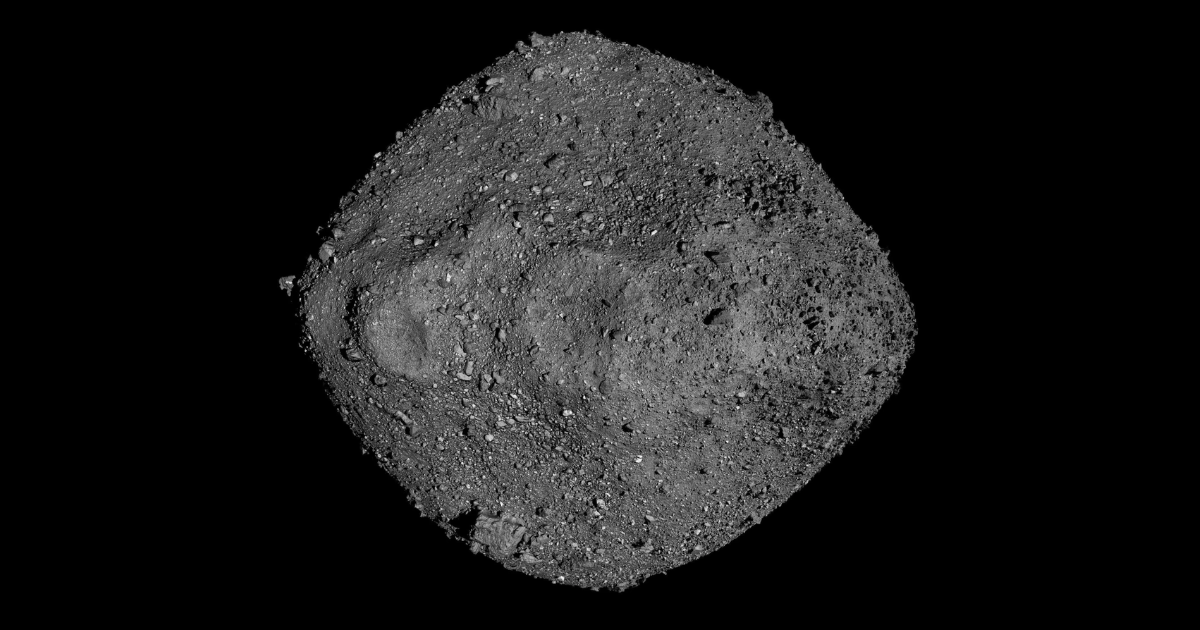
In his statement, Gialich also mentioned NASA's Deep Space 1 and OSIRIS-REx missions. These spacecraft have also tested autonomous technologies, but in the case of the former, it was included merely as a test. OSIRIS-REx, which is now in its extended mission called OSIRIS-APEX, used similar features during certain phases of its mission to collect samples from the asteroid Bennu. That said, this will be the company’s first foray into building a spacecraft that will be completely independent of Earth for instructions. In fact, building a spacecraft with such autonomy has not been attempted by any other aerospace company or agency, for that matter.
This electric propulsion test chamber is about much more than firing spacecraft thrusters in-house.
— AstroForge (@AstroForge) September 4, 2026
Connected to our hardware-in-the-loop testbed, it will let us run our flight software against real propulsion hardware under vacuum, so we can test how the spacecraft actually… pic.twitter.com/YlbuUUUSlG
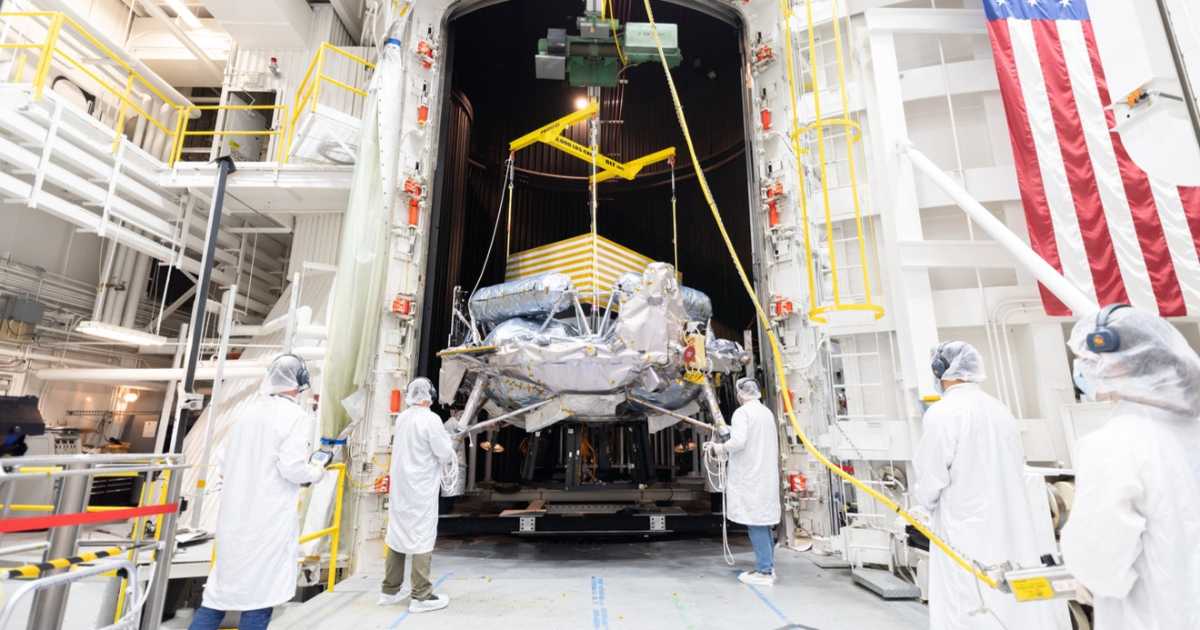
To enable Autonomy-1 to carry out its entire mission by itself, AstroForge has spent the last four years developing its Solo spacecraft intelligence model. “Our team includes mathematicians and physicists who have spent years working on some of the hardest problems related to autonomous navigation and spacecraft operation in deep space,” stated Gialich. He also described how the company has been able to feed its intelligence model with large amounts of data so as to perfect it, all thanks to “a world-class testing operation around extensive in-house infrastructure, including full-scale thermal testing of the spacecraft, radio testing in a large anechoic chamber, thruster hot-fire, and hardware-in-the-loop testing.” The fact that Solo will be able to access the spacecraft's status readily and in a detailed fashion will also help it make the right decisions.
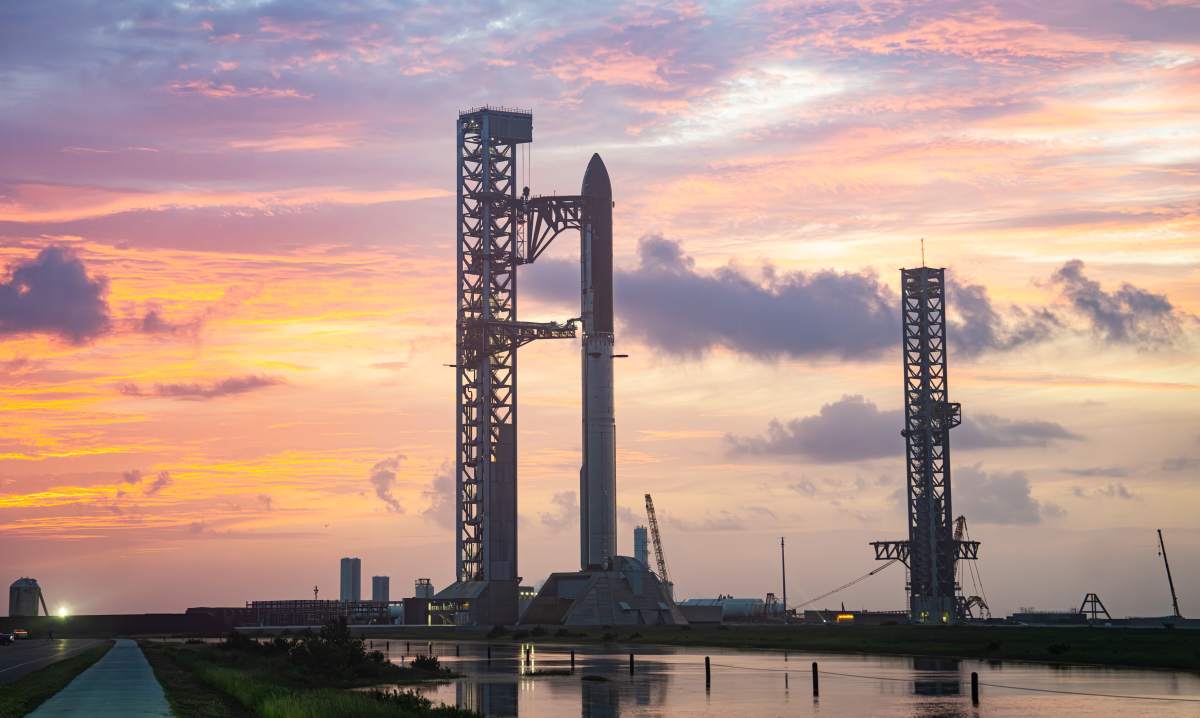
After Solo is tested in "shadow mode" on AstroForge's DeepSpace-2 mission slated for late 2026, Autonomy-1 will be launched next year on top of a Nova Pathfinder rocket made by the company Stoke Space. The Kent, Washington-based launch vehicle supplier is working on creating its own line of reusable rockets, a space currently dominated by SpaceX through its Falcon rockets and flagship Starship vehicle. The launch of Autonomy-1 has been designated Flight 1 by Stoke Space, and instructions will not be sent to the spacecraft after separation from the rocket. Autonomy-1 will also carry NASA’s COMPASS (Compact Multi-Spectral Photometer for Space Science), which is a heliophysics mission meant to add context to how space weather events happen due to solar activity. However, Autonomy-1's area of operation in space has not been disclosed yet, and further details are awaited.
More on Starlust
Asteroid Bennu samples contain 'key to happiness' among other fascinating things