U.S. admits to deploying weapons in space for first time: Is it violating international space law?
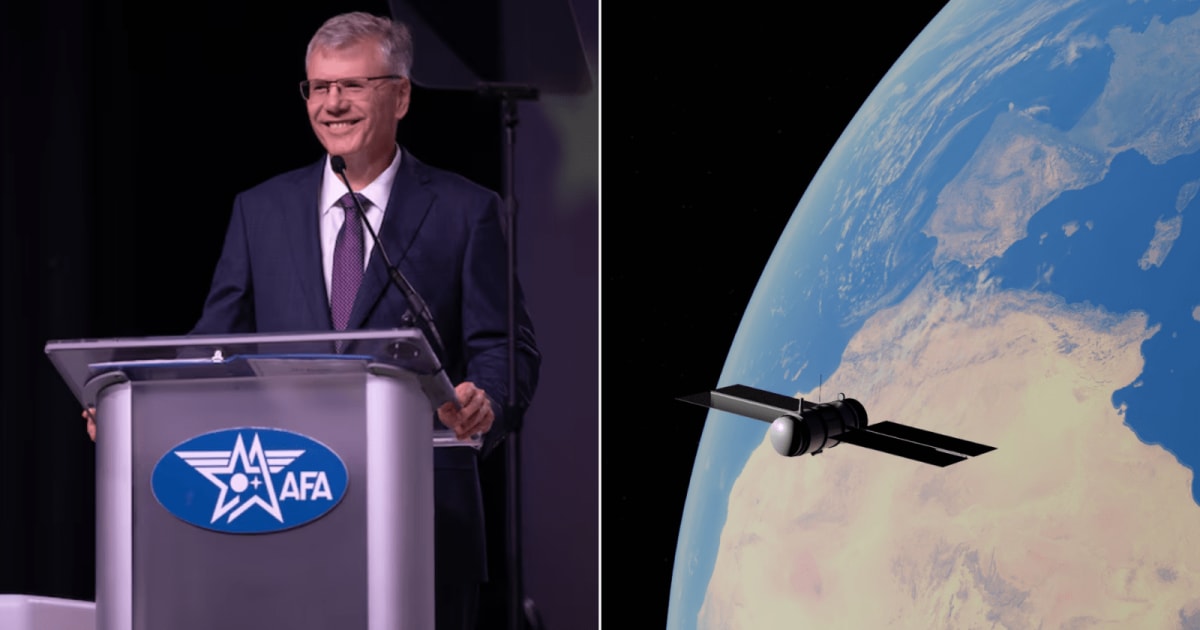
The U.S. Space Force has deployed weapons in space. The confirmation of what had long been considered an open secret came from Air Force Secretary Troy Meink on Monday, September 14. In his keynote address at the 2026 Air and Space Cyber Conference, he said, "We are increasing readiness against existing threats, and the United States has on-orbit space control weapons capable of defending the Joint Force against hostile adversary action." The admission drew sharp criticism from both Russia and China, who warned against the militarization of space. But the revelation also begs the question—has the Outer Space Treaty been violated?

Meink said that the U.S. must increase its combat power and push for fast, affordable innovation, citing threats posed by drones, artificial intelligence (AI), and "adversaries moving aggressively to employ them." "These technologies are revolutionizing the battlefield," he said, referring to AI. "They allow countries that would not have had the resources in the past to quickly adapt and scale their combat capabilities."
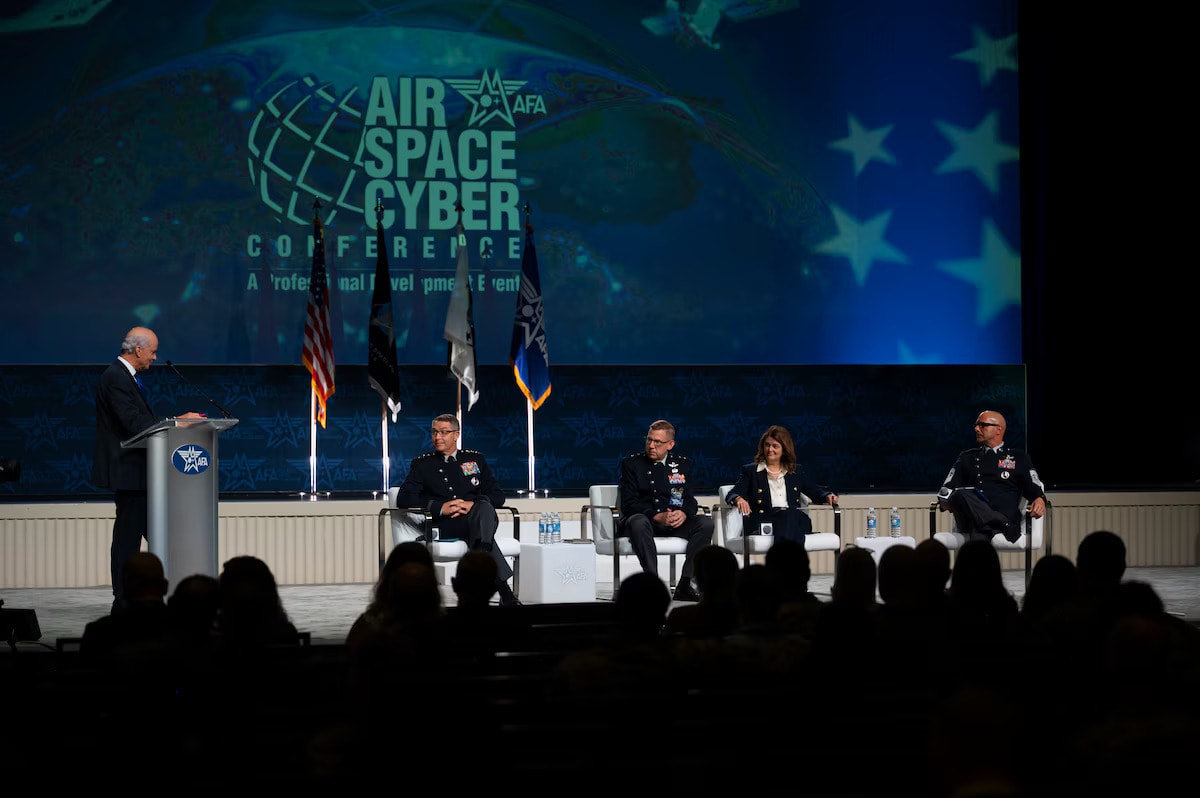
Shortly after Meink's keynote address at the event, retired USAF General Kevin Chilton moderated a panel discussion that reviewed the proposed $71.1 billion USSF budget for FY27. While making his introductory remarks to the panel, Chilton said, "The establishment of the Space Force certainly recognized the reality that space is a war-fighting domain. As such, we can no longer solely focus on simply delivering supporting effects, but must be prepared to fight through attacks and deliver direct effects."
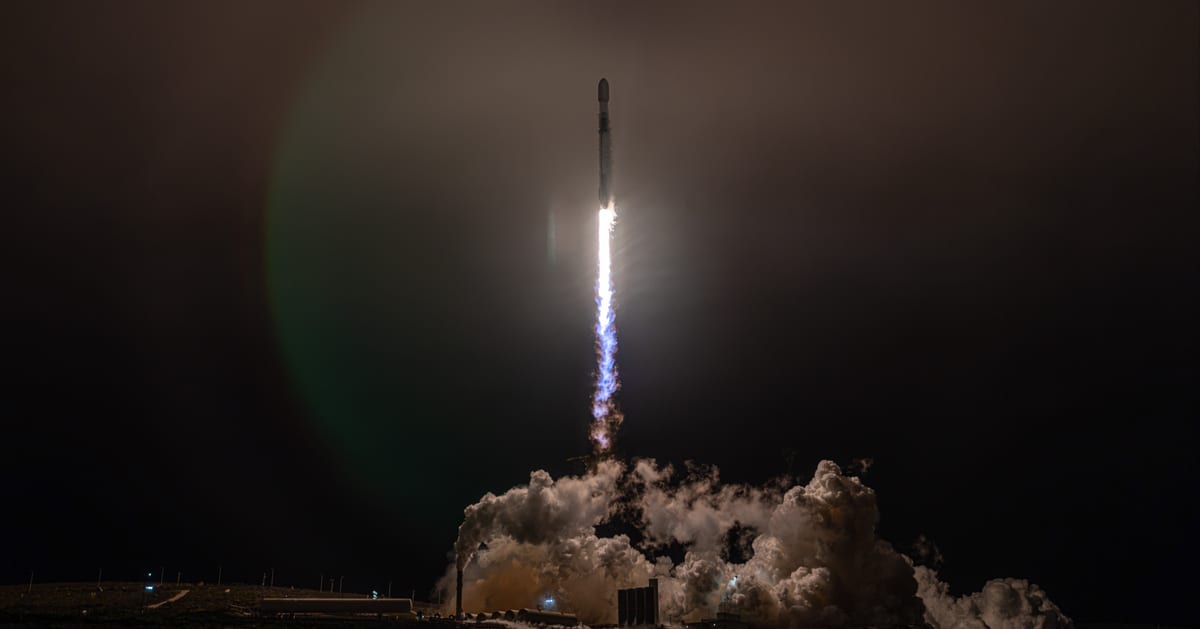
Watch Falcon 9 launch the USSF-259 mission from pad 4E in California https://t.co/w7OMJQCpxR
— SpaceX (@SpaceX) September 17, 2026
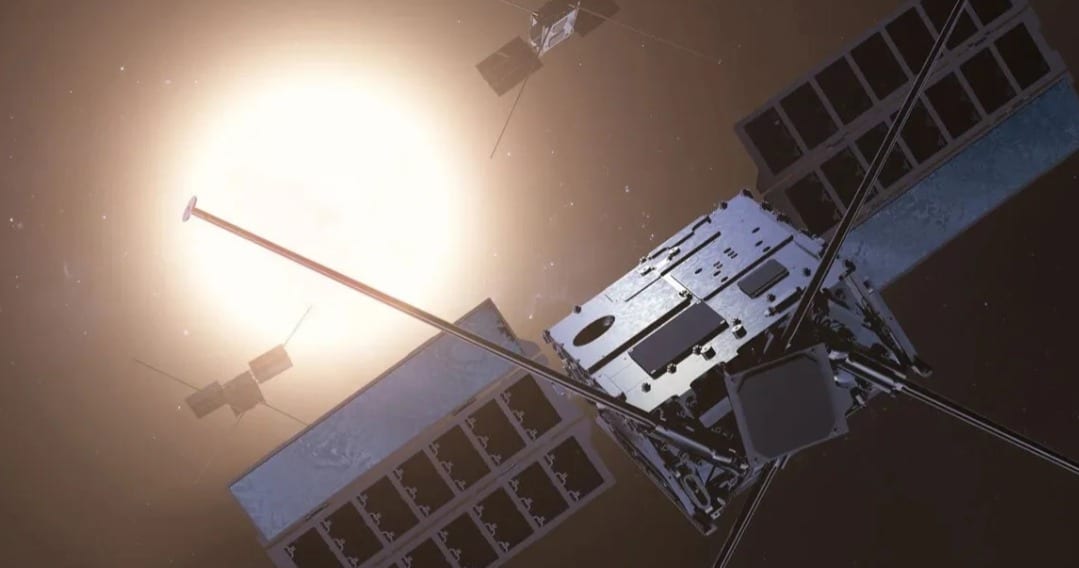
While Meink did not specify the kind of weapons that have been deployed in space, he did mention the Air Moving Target Indication constellation, which is meant to track and target airborne threats globally, would start launching this month itself. SpaceX received a huge $4.16 billion contract for the constellation in May and may have already launched the first of its satellites yesterday, on September 17, as part of the classified USSF-259 mission, which took off from the Vandenberg Space Force Base in California. The aerospace giant also received a $2.29 billion contract in the same month for the Space Data Network. It is a high-speed network for the military, which Meink said is also making progress.
How did China and Russia respond to the admission?
"We urge the U.S. side to stop expanding its military capabilities and preparing for war in outer space," said China's Foreign Ministry spokesperson Guo Jiakun in a press briefing on Tuesday, per CBS. Russia also had a similar response. “We are counting on broad international consolidation to continue working toward the complete demilitarization of space,” said Kremlin spokesperson Dmitry Peskov.
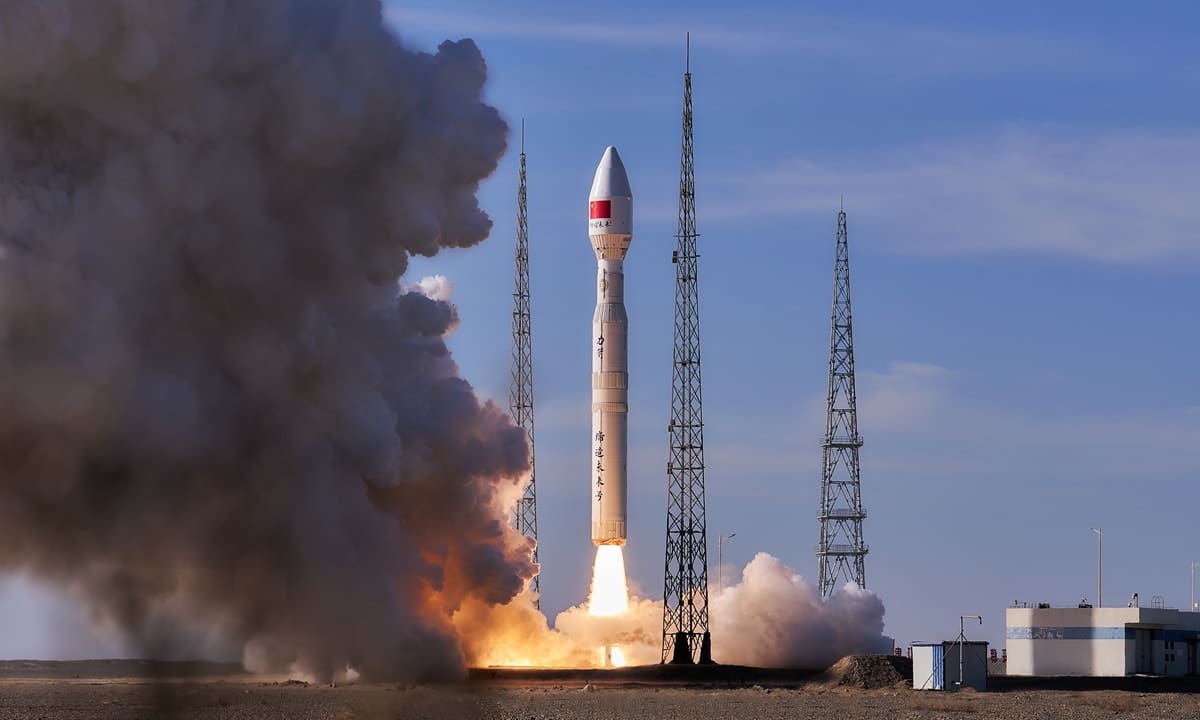
The U.S. Space Force, however, may not see these calls for the demilitarization of space as honest. The service's "Space Threat Fact Sheet" says that China "develops and operates space and counterspace capabilities as part of a military modernization strategy," while Russia also sees "space as a warfighting domain."
Is the U.S. violating the 1967 Outer Space Treaty?
The short answer is no. Article IV of the almost 60-year-old agreement forbids signatories from placing in orbit "any objects carrying nuclear weapons or any other kinds of weapons of mass destruction, install such weapons on celestial bodies, or station such weapons in outer space in any other manner." However, the weapons that the U.S. Space Force has deployed may not fall under these categories. Space law expert Laetitia Cesari from the United Nations Institute for Disarmament Research (UNIDIR) had earlier pointed out this loophole in the agreement to CBS. She said that the topic may find its way to the agenda at the next U.N. disarmament meeting in November.
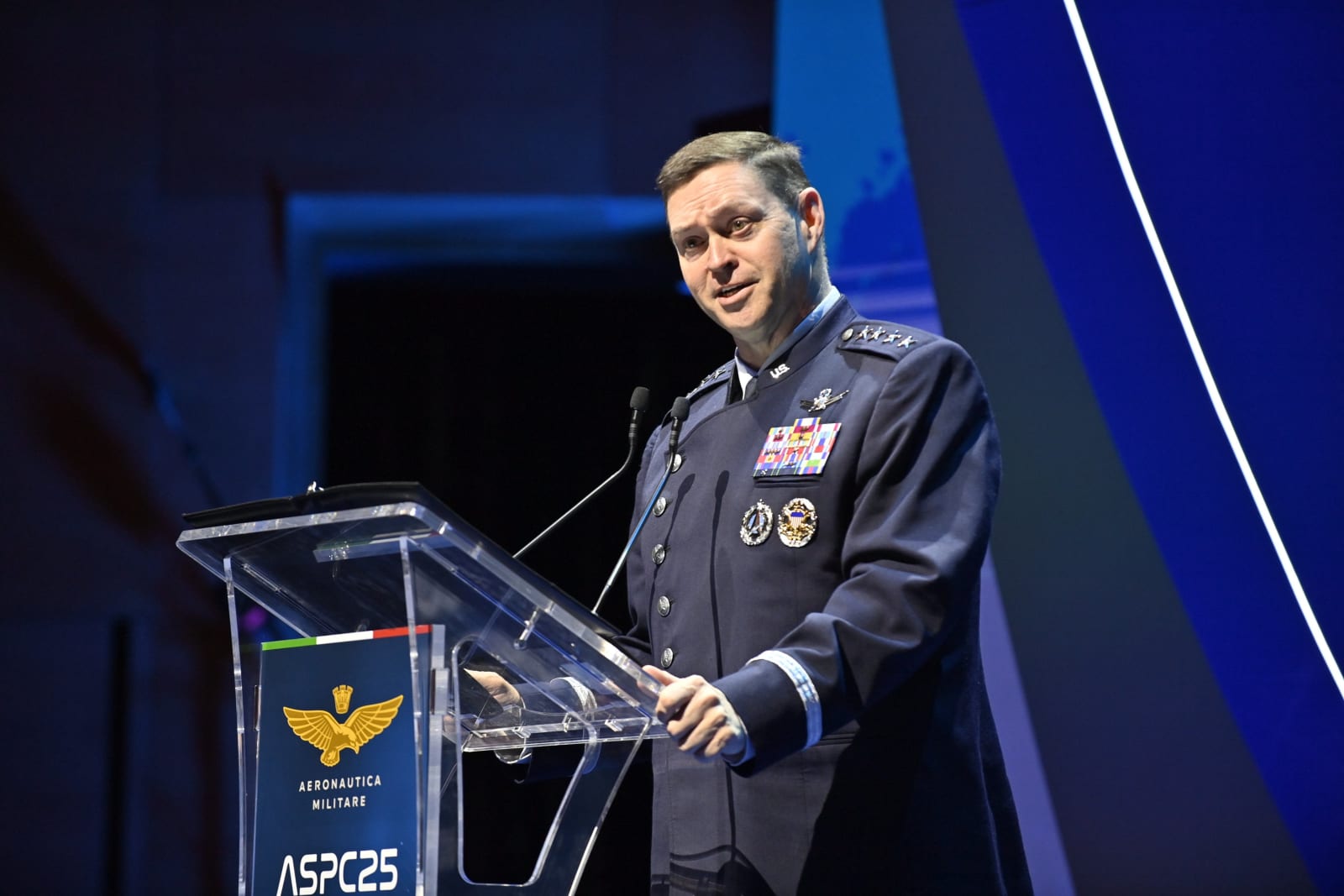
Weapons of mass destruction or not, the prospect of war reaching space is scary, to say the least. The former Chief of Space Operations for the U.S. Space Force, Gen. Chance Saltzman, has said as much. "If a conflict extends into space, none of us will be able to avoid the war zone. Unlike a combat zone in the air, land, or sea, we will not be able to steer clear," he warned, speaking at the Global Air and Space Chiefs Conference in July ahead of his retirement.
More on Starlust
Rocket Lab makes history by launching US Space Force mission within 17 hours of getting notice
Can NASA restrict China's access around its Moon Base? Here's what space law says