7 reasons spacecraft need the cleanest rooms on Earth
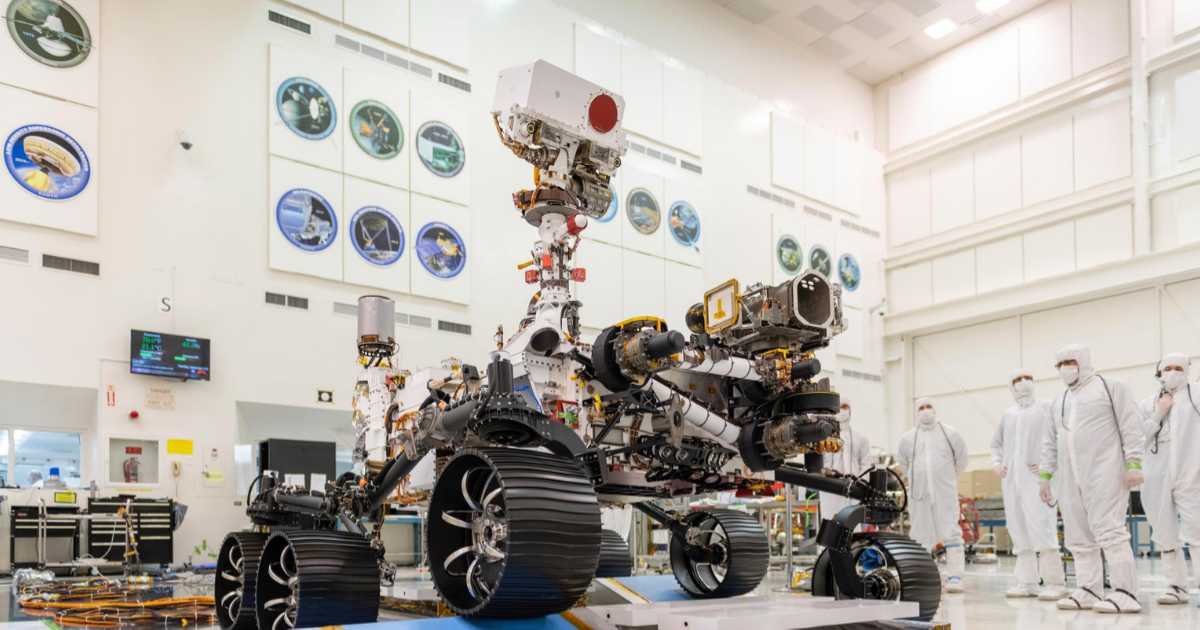
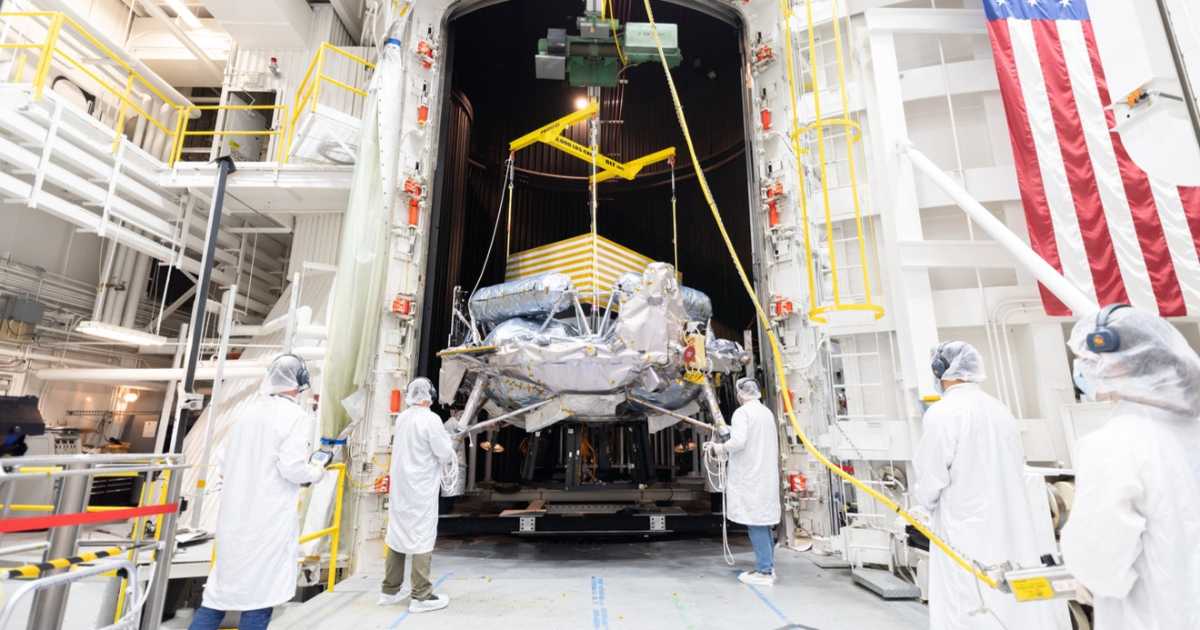
Have you ever seen pictures of a spacecraft being built and wondered why engineers wear 'bunny suits' while building them? The reasons for this are obvious and surprising in equal measure. We, as humans, shed more than 100,000 particles per minute even when completely still. Since spacecraft could be built at a cost exceeding millions of dollars of taxpayer money, very little chance can be taken when it comes to anything that could jeopardize a mission in the vacuum of space—even if it is just a tiny speck of dust falling onto parts.
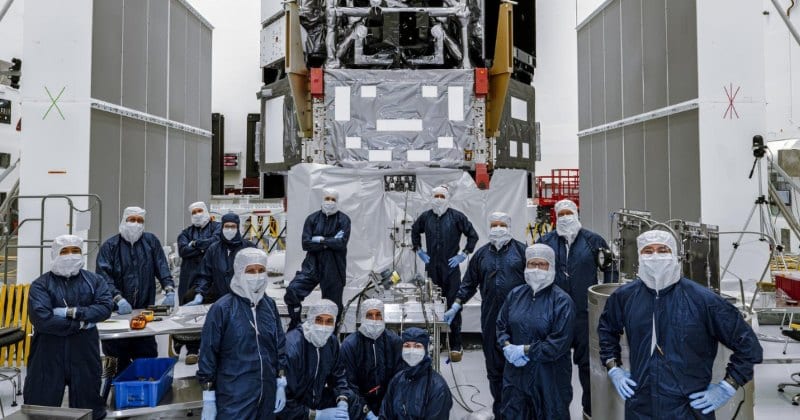
This is why when engineers put a spacecraft together, they work in highly controlled and sterile environments where the atmospheric air is continuously filtered via high-efficiency particulate air filters (or HEPA filters) and carbon filters to remove nearly every microscopic particle. Technicians are shrouded from head to toe in full-body protective equipment, breathing and working within spaces designed to keep out the surrounding environment. These pristine facilities, commonly referred to as clean rooms, are a response to the unforgiving nature of spaceflight. Clean rooms are categorized based on how many contaminant particles they allow. For example, a class 10,000 clean room will allow one cubic foot of air to have no more than 10,000 particles of half a micron or larger. A micron is a hundred times smaller than the width of a human hair. A normal room, for comparison, contains 50 times as many contaminants as a class 10,000 clean room.
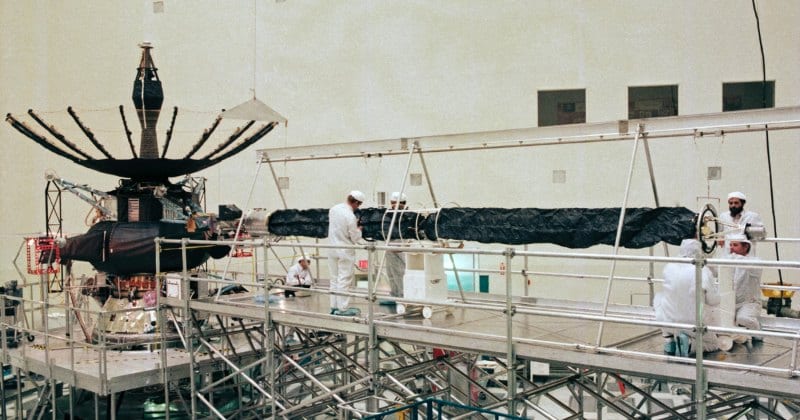
Here are seven reasons for why such measures are taken:
1) To avoid "false positives" signs of alien life
When astrobiologists send a robotic explorer to another planetary body to search for the chemical building blocks of life, they require absolute certainty regarding the origin of any discovered organic molecules. If an in-situ experiment on a Mars rover, such as Perseverance, detects amino acids hidden inside a rock sample, scientists must be completely sure that the instrument did not simply detect a microscopic flake of dead skin shed by an aerospace engineer back in California. Engineers ensure that such false positives do not emerge by using extremely rigorous clean room standards enforced by NASA's Planetary Protection Office.
2) To prevent outgassing from fogging up optics
Everyday materials such as human skin oils and common plastics continuously release trace amounts of volatile organic compounds into the surrounding air. While these emissions are unnoticeable on Earth, they become highly problematic in the vacuum of space, where these trapped molecules rapidly evaporate in a process known as outgassing. Because the ambient environment of space is incredibly cold, these evaporated molecules will immediately seek out the nearest cold surface to recondense upon. To prevent the fogging of billion-dollar telescope optics because of this, engineers at NASA's centers, such as the Goddard Space Flight Center in Maryland, account for the phenomenon when building spacecraft by working in clean rooms—as they did when assembling the recently launched Nancy Grace Roman Space Telescope.
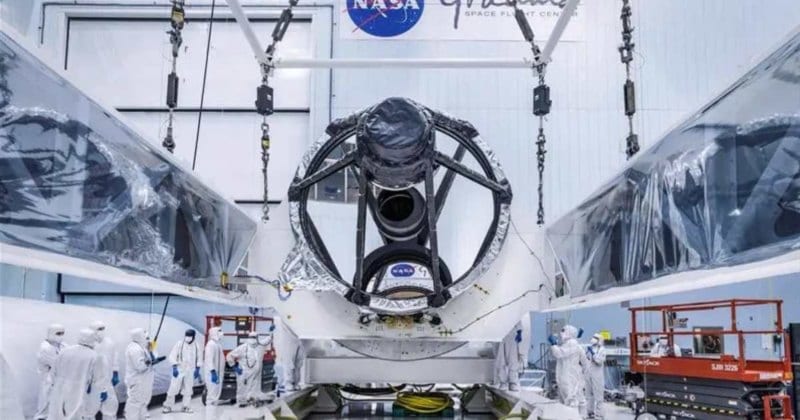
3) To stop Earth microbes from destroying alien ecosystems
Perhaps the most unexpected of reasons, protecting the universe from terrestrial biological contamination is a priority for the global scientific community. This concept is known as forward contamination, and it considers the very real danger that Earth-based bacteria—particularly highly resilient extremophiles—could potentially survive the harsh journey through space to reach environments like Jupiter's icy moon Europa. If these hardy terrestrial organisms were accidentally introduced to a pristine alien environment and began to breed, they could possibly outcompete and wipe out native microbial ecosystems before we ever have the chance to discover them. Stringent protocols, therefore, are followed by engineers and technicians to help ensure to that we do not destroy the very extraterrestrial life forms we are so desperately trying to discover. This is the very reason why spacecraft like Galileo were made to plunge into Jupiter rather than risking the contamination of one of the gas giant's icy moons.
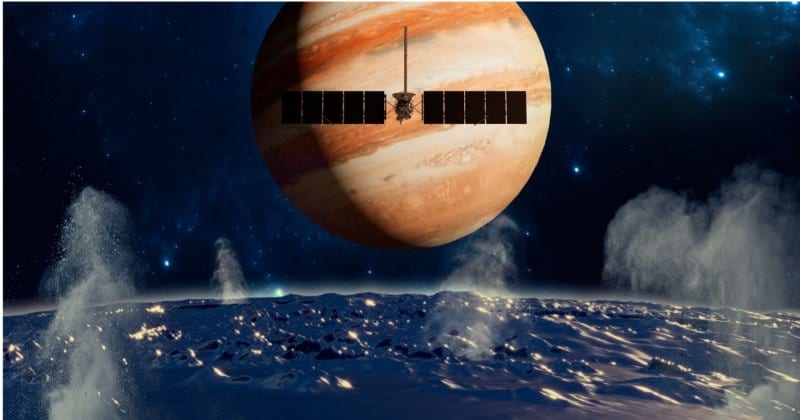
4) To survive the extreme "bake-out" process
Before a finished spacecraft is cleared for launch, many of its most sensitive components must undergo a thermal vacuum testing process commonly referred to as a 'bake-out'. As mentioned in a document by the Marshall Space Flight Center, space hardware is sealed inside a massive vacuum chamber and subjected to extreme heat to forcefully evaporate any moisture or hidden organic contaminants that may have lingered. If a component is excessively dirty prior to entering this chamber, the intense heat will cause its residues to bake onto the surfaces of the parts. Clean rooms prevent this accumulation of contaminants and help ensure that the necessary thermal bake-out process actually purifies the hardware instead of ruining its operational capacity.
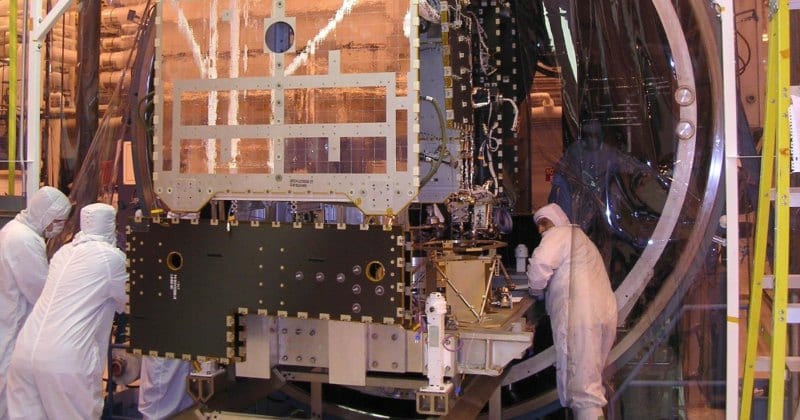
5) Protecting sensitive moving parts
Due to the distortion of light caused by lenses, space telescopes meant to look very far into the universe are usually equipped with mirrors. In some cases, they can feature a system of moving parts that flex the mirror to precisely adjust its point of focus. For instance, the James Webb Space Telescope (JWST) features a giant mirror composed of beryllium mirror panels that are able to make these microscopic adjustments. When assembling such spacecraft, clean rooms are a must, given the strict tolerance to contaminants that precision-engineered moving parts may have.
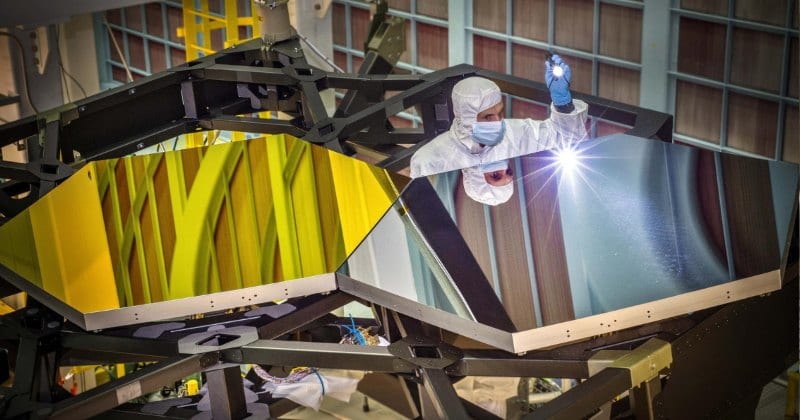
6) Because dust floats differently in microgravity
The way dust behaves changes drastically once a spacecraft escapes the gravitational pull of Earth and experiences microgravity. On our planet, heavy particulate matter eventually settles on the ground due to gravity. In the weightlessness of space, those microscopic dust particles will simply float freely throughout the interior chassis of a spacecraft until the end of its lifespan. Should even a single undetected speck of conductive metallic dust that escaped notice during assembly on Earth drift into electrical circuits, it can cause a short circuit and lead to a catastrophe during a mission.
7) It is a strict requirement per international law
Maintaining sterility throughout the aerospace manufacturing process is a binding legal obligation agreed upon by the international community. Under Article IX of the Outer Space Treaty of 1967, all spacefaring nations are explicitly required to practice strict planetary protection to avoid the harmful contamination of celestial bodies. Space agencies such as NASA and the European Space Agency (ESA) must adhere to meticulous planetary protection policies developed by the Committee on Space Research (COSPAR), or they risk facing legal scrutiny. Adherence to such treaties keeps the exploration of the solar system a scientifically responsible endeavor.
Looking toward the upcoming decades of astronomy, the engineering tolerances required for spacecraft assembly will be pushing the limits of materials science and contamination control. As humanity looks to search for faint chemical signatures of life on distant exoplanets, missions like PRIMA (slated to launch by 2033) will be equipped with instruments that demand unprecedented levels of cleanliness to function correctly. This challenge will scale exponentially with the development of the Habitable Worlds Observatory (HWO), an ambitious mission designed to directly image Earth-like planets orbiting stars like the Sun. To achieve the sensitivity required to capture them, HWO (set for launch in the 2040s) will rely on systems that are highly sensitive. Engineers will need to reinvent the clean room, as it were, to ensure that these observatories can finally answer whether we are alone in the universe.
More on Starlust
Heat shield for NASA's Dragonfly mission undergoes thermal testing in New Mexico desert
NASA test proves its DAVINCI probe can survive a scorching descent into hellish Venus