Sierra Space’s Dream Chaser spaceplane wins FAA reentry license ahead of 2027 debut. What makes it special?
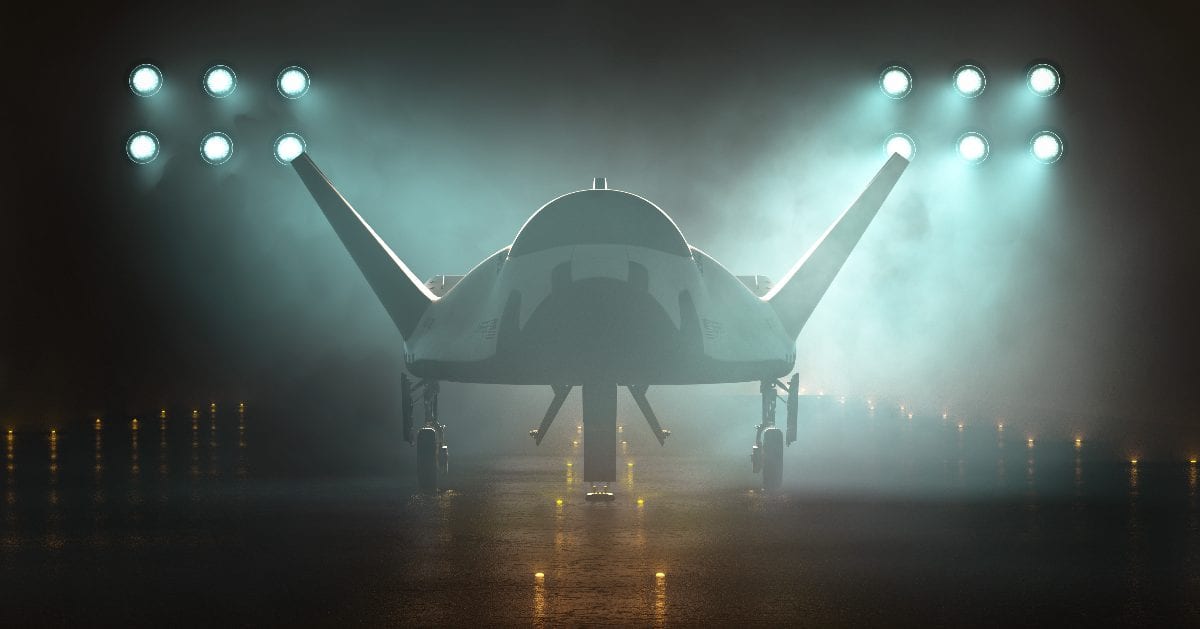
The U.S. aerospace company Sierra Space's reusable spaceplane, Dream Chaser, has received regulatory approval from the Federal Aviation Administration (FAA) for landings at the Vandenberg Space Force Base in California. The five-year license allows a maximum of four reentries for the spaceplane annually, provided the vehicle configuration and mission profile remain unaltered. It was issued after the FAA finished an environmental assessment of the proposed landings at both Vandenberg and the former Shuttle Landing Facility runway at NASA's Kennedy Space Center in Florida and found that they won't cause any significant impact at either location. The approval brings the spaceplane a step closer to its debut planned for spring 2027 and was welcomed by the company in an X post on Monday, November 9: "Thank you to the FAA for its collaboration and support of commercial space innovation."
Another milestone for #DreamChaser! The @FAANews has issued Sierra Space a license authorizing Dream Chaser to reenter and land at Vandenberg Space Force Base. Thank you to the FAA for its collaboration and support of commercial space innovation. https://t.co/qIJgQL54CA
— Sierra Space (@SierraSpaceCo) November 10, 2026
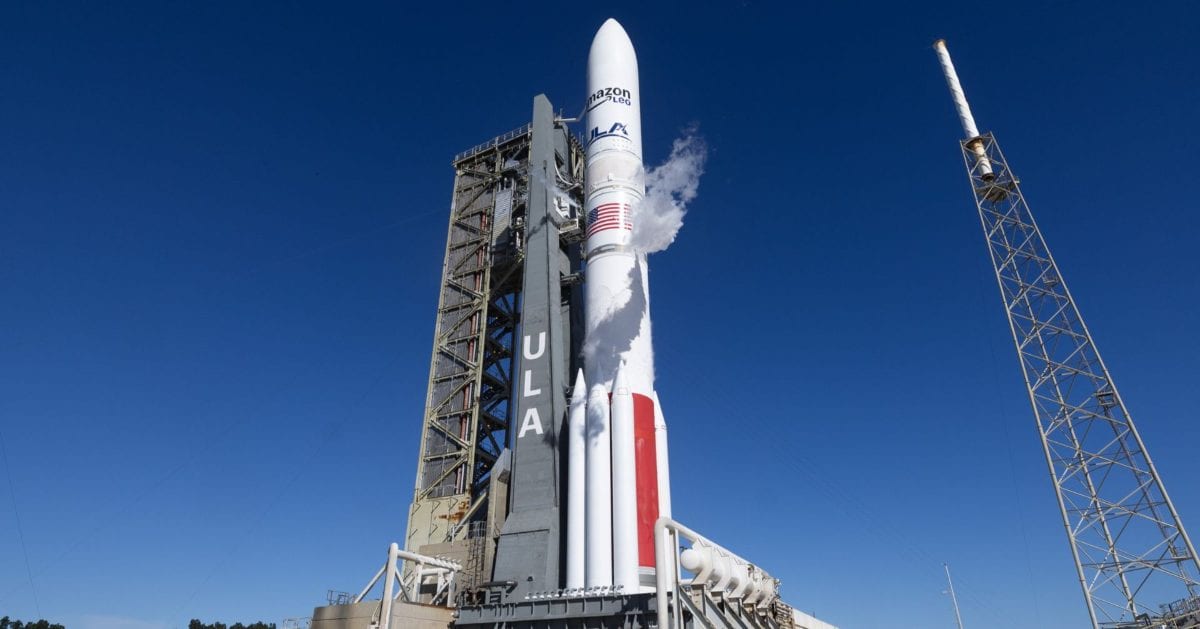
At 30 feet long, Dream Chaser is about a quarter of the length of the Space Shuttle orbiters and can deliver up to 12,000 pounds of pressurized and unpressurized cargo to low-Earth orbit. But its journey so far hasn't been smooth. It has been in development for over 20 years and was initially supposed to be launched atop United Launch Alliance's Atlas V rocket—a plan that was changed later in favor of its successor, the Vulcan Centaur. The spaceplane was, in fact, supposed to ride on Vulcan's second-ever mission in October 2024. But it wasn't ready yet.
The future of space will take technology, infrastructure, and collaboration to unlock new opportunities beyond Earth. Last weekend at #MAXPOWER at NASA's Kennedy Space Center, we shared how technologies like Dream Chaser are helping shape the next era of aerospace and space exploration. We're proud to be part of the effort to expand opportunities in space and help build the space economy. #SierraSpace #DreamChaser #SpaceInnovation
— Sierra Space (@SierraSpaceCo) November 12, 2026
Dream Chaser was also an entrant in NASA's Commercial Crew series of contracts to launch astronauts to the International Space Station (ISS) and bring them back. However, the spaceplane was not able to win the contract, which went to Starliner, built by Boeing, and Crew Dragon, developed by SpaceX, in 2014. After the cargo version of Dream Chaser was revealed the next year, NASA picked the company to perform a minimum of seven uncrewed cargo flights to the ISS. This, too, was not achieved due to developmental lags. This led to a modification of the contract, wherein both parties agreed that Dream Chaser would go to orbit but not to the ISS. "As part of the modification, NASA is no longer obligated for a specific number of resupply missions; however, the agency may order Dream Chaser resupply flights to the space station from Sierra Space following a successful free flight as part of its current contract," the agency said in a statement released in September 2025.
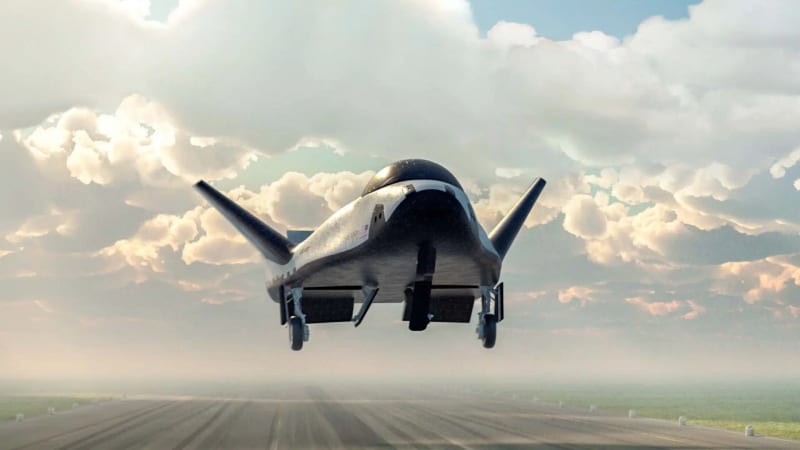
Today, we're excited to share that on a single mission, Dream Chaser® will serve national security, commercial, and civil customers, proving out an operational model where one platform supports the full range of America's space priorities. "As the space domain has become increasingly contested, Dream Chaser has evolved into exactly what America needs: a strategic national capability built on commercial innovation and investment," said our CEO, Daniel Jablonsky. "We're not just talking about the multi-use space economy, we're operating it." We built Dream Chaser—America's Spaceplane®—to be a commercial, reusable, runway-capable spaceplane, engineered for deployable wings, hypersonic flight control, autonomous reentry, and sub-1.5g runway landings. Press Release: https://t.co/usX39gPzjb
— Sierra Space (@SierraSpaceCo) September 2, 2026
Cut to about a year later, Sierra Space announced that it has secured contracts with "undisclosed national security and commercial customers" to fly their payloads on its debut mission next spring. “As the space domain has become increasingly contested, Dream Chaser has evolved into exactly what America needs, a strategic national capability built on commercial innovation and investment,” CEO Dan Jablonsky said in a statement. As for what comes after the debut flight, the company has kept that under wraps as of now.
More on Starlust
ULA’s Vulcan rocket suffers anomaly on return flight, fails to deploy 40 Amazon Leo satellites
All about NASA’s Space Shuttle: Was the reusable spaceplane actually a success?