NASA's Nancy Grace Roman Telescope just adjusted its course in space—here's how to track it in real time
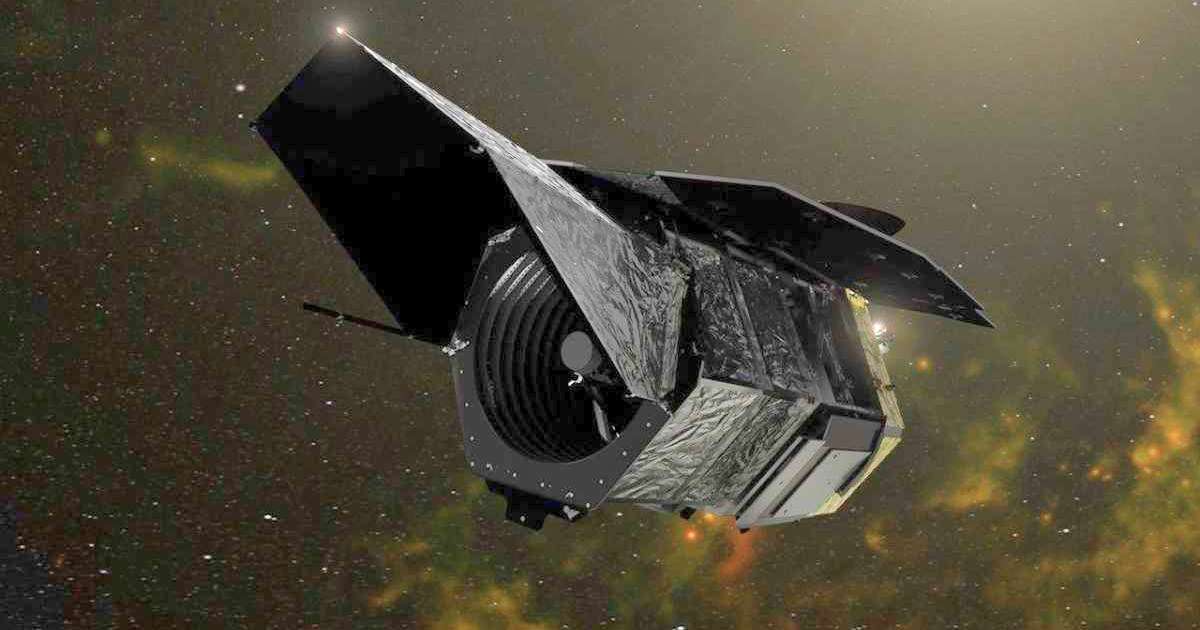
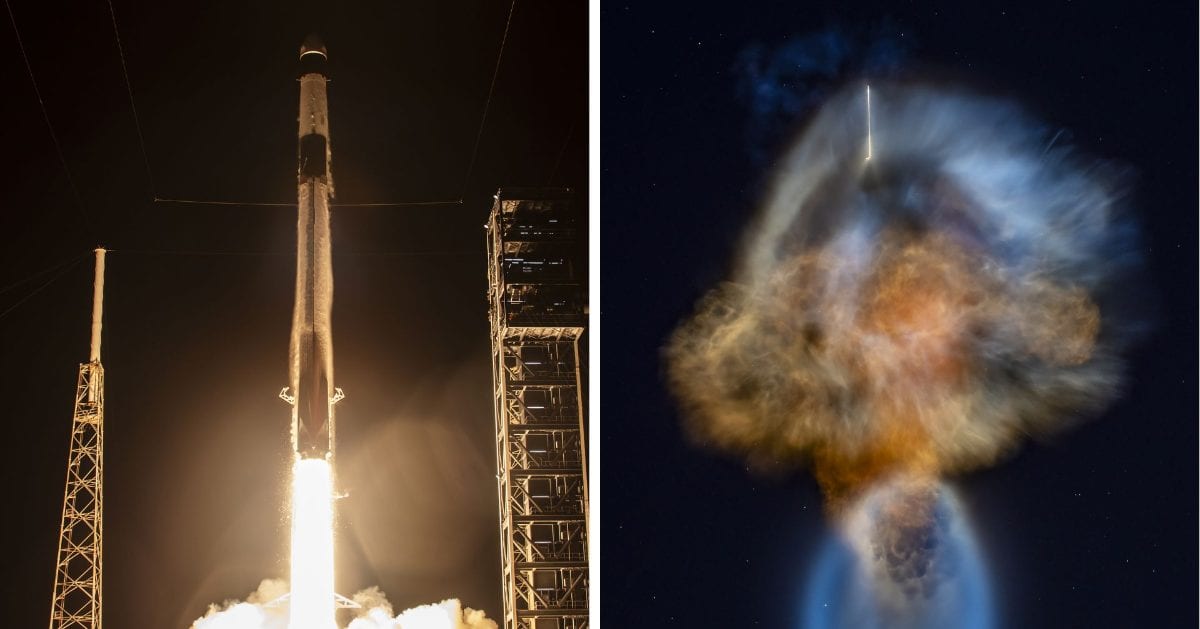
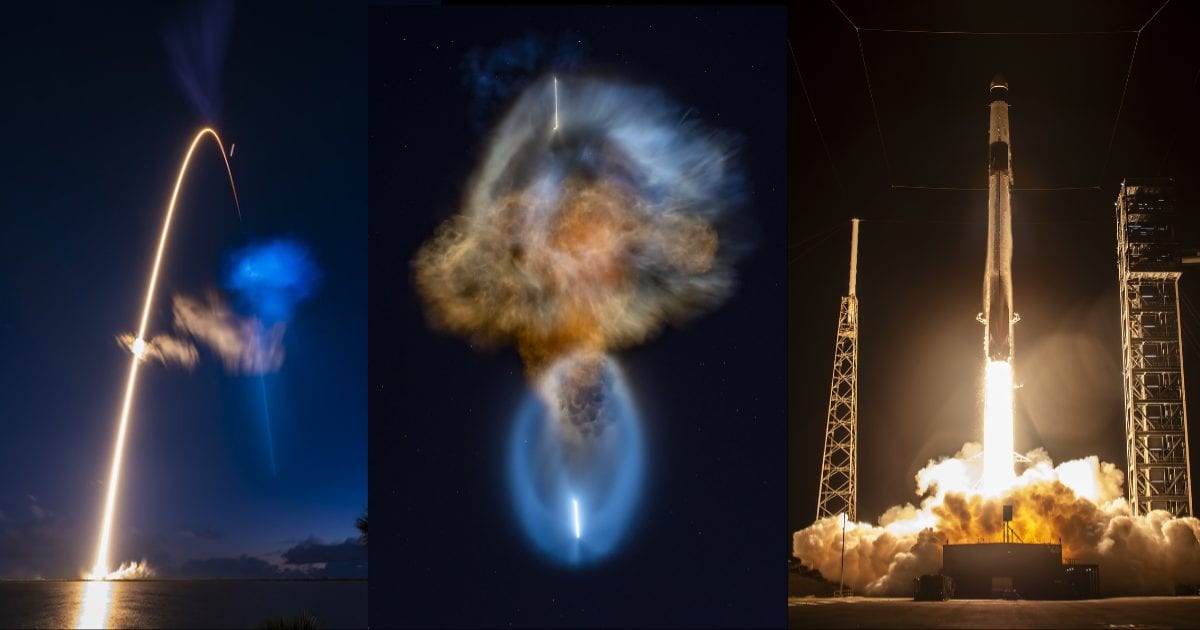
The Nancy Grace Roman Space Telescope, which launched atop a SpaceX Falcon Heavy rocket on August 30, has successfully completed its first mid-course correction burn. NASA said the burn began at 12:02 p.m. EDT on August 31 and ended approximately three minutes later. The second of the two planned mid-course correction burns may be executed later this week, provided it is necessary.
Success! Roman’s planned mid-course correction burn went as expected, ensuring that we are on track for our orbit around the second Lagrange point, a million miles from Earth. https://t.co/9Pun3svIu8
— Nancy Grace Roman Space Telescope (@NASARoman) August 31, 2026
These burns are performed to ensure that the flagship observatory stays on track during its journey. After all, the second Sun-Earth Lagrange Point (L2), which is the destination for Roman, is about a million miles from Earth, and the observatory has only crossed the 200,000-mile mark at the time of writing.
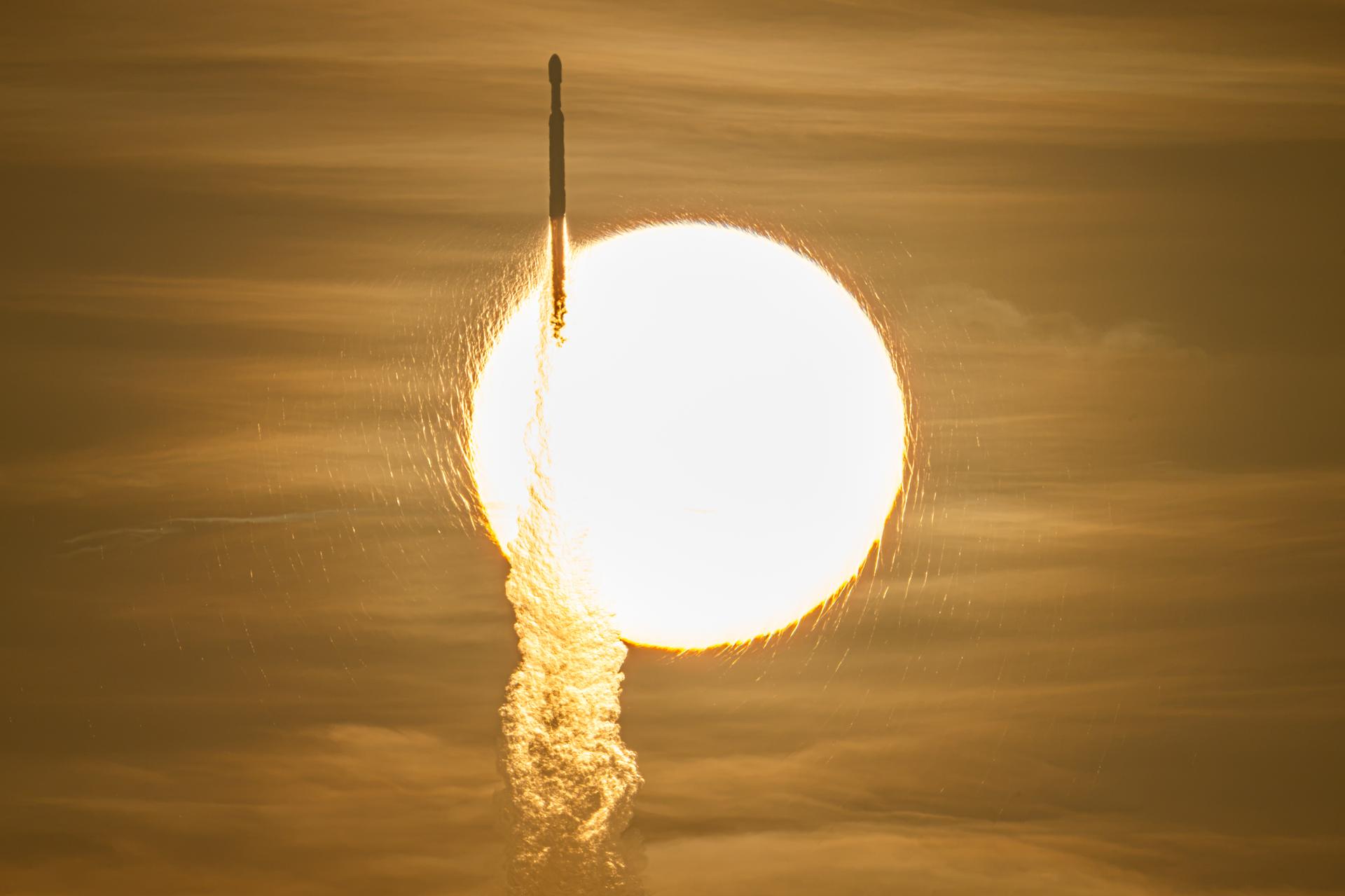
Want to keep a track of Roman's journey yourself? NASA has got you covered.
How can one keep track of where Roman is?
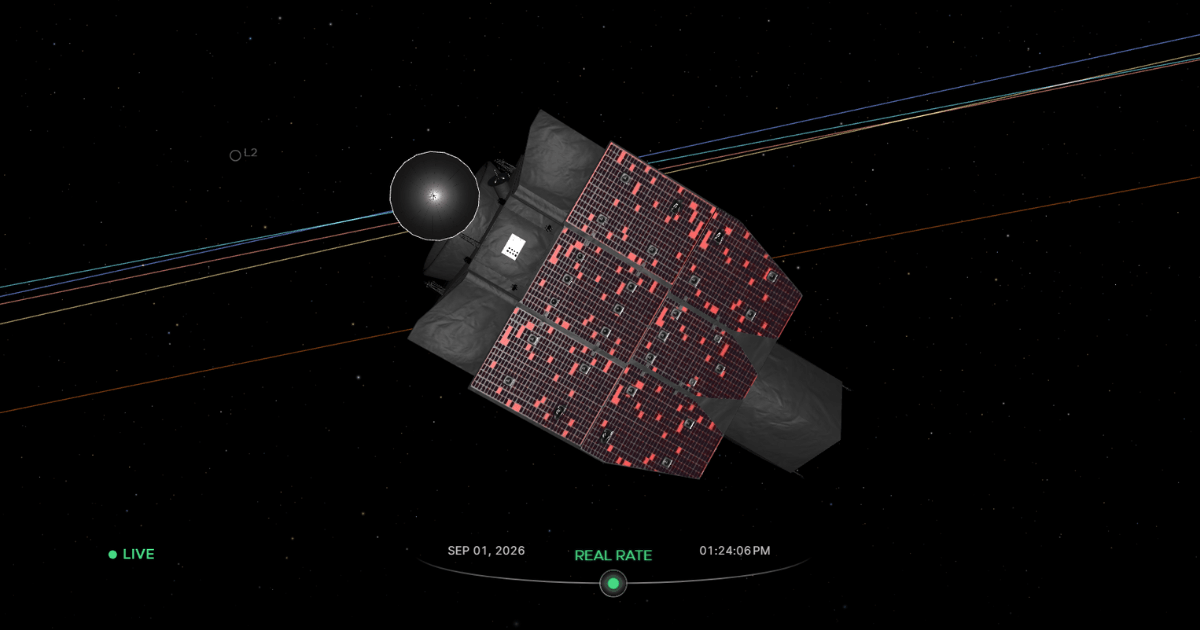
NASA's Eyes on the Solar System visualizer can now be used to track Roman. It allows you to see exactly where the advanced telescope is with respect to known celestial objects, while tools within the application also let visitors find out how far away it is from any given object listed, including Earth and the Sun, as well as any other spacecraft. Its current velocity and how much time it takes light (and its signals) to reach us from it can also be found out by navigating to the "Toolbox" tab on the left side of the screen.
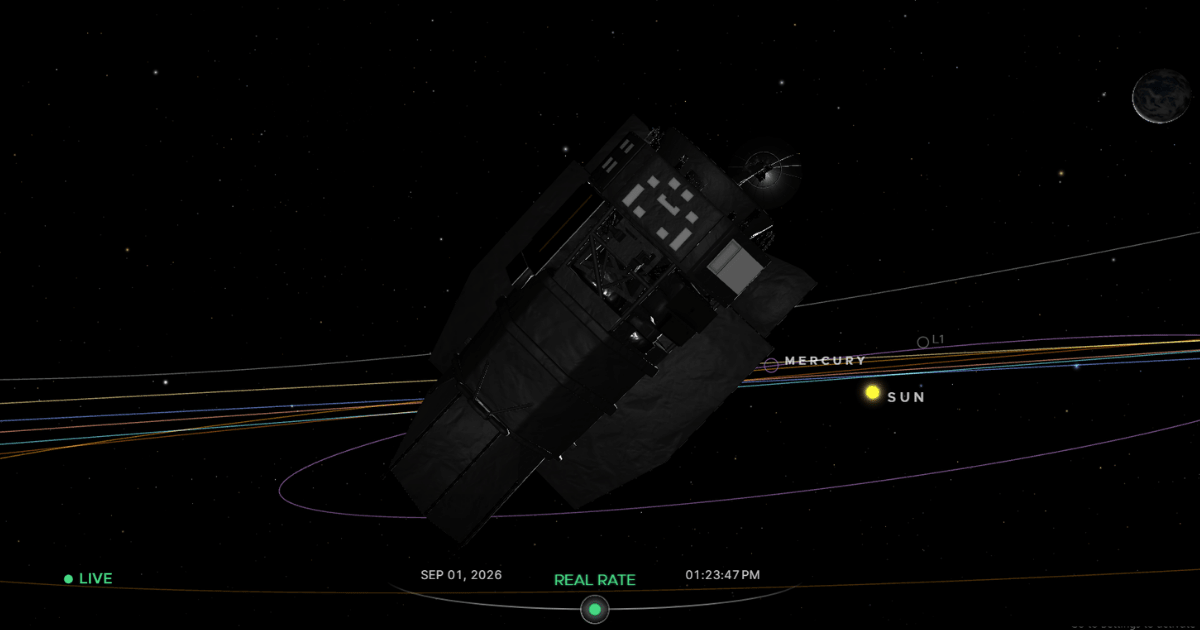
What's more, you can also fast forward to see where the telescope will be in the future using the "Time Controls" menu at the bottom of the screen. There are several other tools and options you can toggle between to immerse yourself in the experience, such as locating L2, around which the James Webb Space Telescope also orbits.
Where will Roman's data be available?
All of the scientific data collected by the Roman telescope will be rapidly processed and archived in the Barbara A. Mikulski Archive for Space Telescopes (MAST) using Amazon Web Services (AWS) for researchers to download and analyze. This marks a major shift in the field of astronomy because, unlike with the Hubble Space Telescope, whose data has a proprietary period of up to one year, no data gathered by Roman will ever be exclusively held by anyone for any period of time. This will enable a more efficient analysis of the enormous amounts of information that the observatory is going to collect on exoplanets, supernovae, and black holes, among the billions of other cosmic objects it is going to study. More specifically, once it becomes operational, Roman will send 1.4 terabytes of raw scientific data to Earth every day, accumulating over 20 petabytes (20,000 terabytes) of data over its five-year primary mission, which may eventually be extended to a decade. For context, Hubble has only managed to deliver a little over 400 terabytes of data since 1990.
More on Starlust
NASA's Nancy Grace Roman Space Telescope to launch in September; will work 1,000x faster than Hubble
Who was Nancy Grace Roman—the ‘Mother of Hubble’ NASA’s brand new space telescope is named after?