NASA’s Voyager 1 reaches one light-day away from Earth—the farthest in human history at 16 billion miles
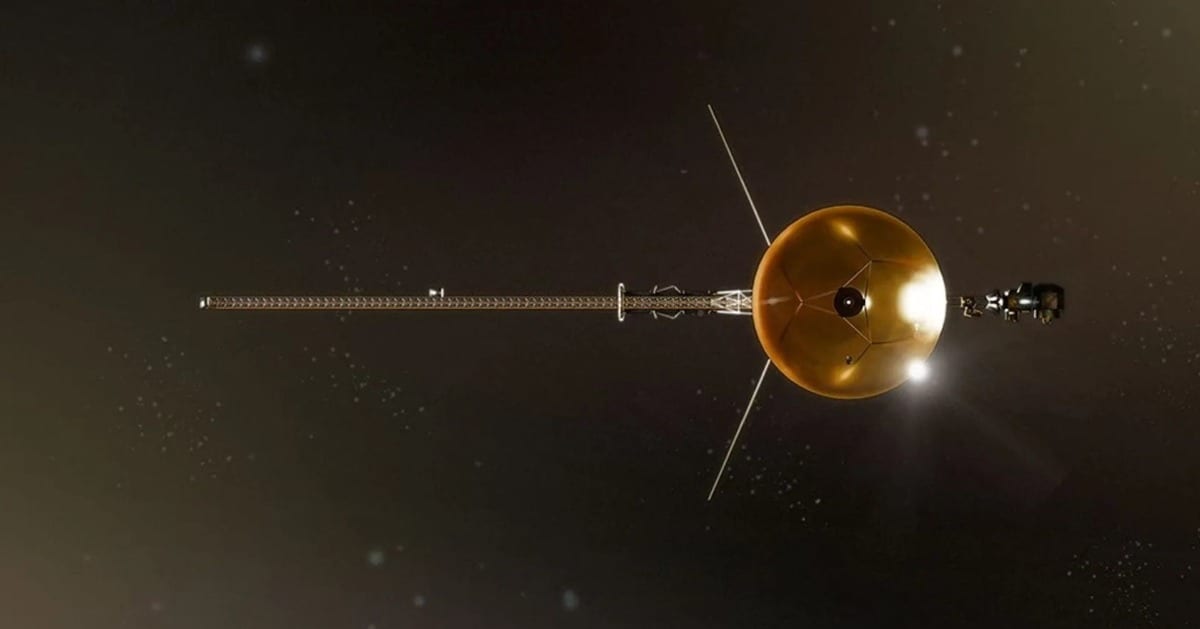
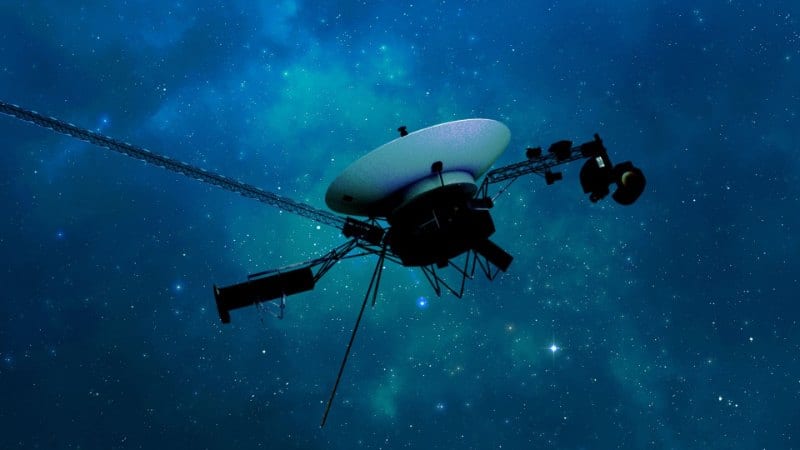
NASA’s Voyager 1 spacecraft accomplished a historic milestone at 5:16:07 a.m. EST today, November 18. The farthest spacecraft in human history is now also the first human-made object to reach one light-day away from Earth. One light-day is more than 16 billion miles (nearly 26 billion kilometers), and a one-way signal to Voyager 1 will now take exactly 24 hours. The special occasion comes 49 years, 2 months, and 11 days after the spacecraft’s launch.
Nov. 18, 2026, 5:16am EST The Voyager 1 spacecraft has reached a distance of one light-day from Earth.
— NASA Solar System (@NASASolarSystem) November 18, 2026
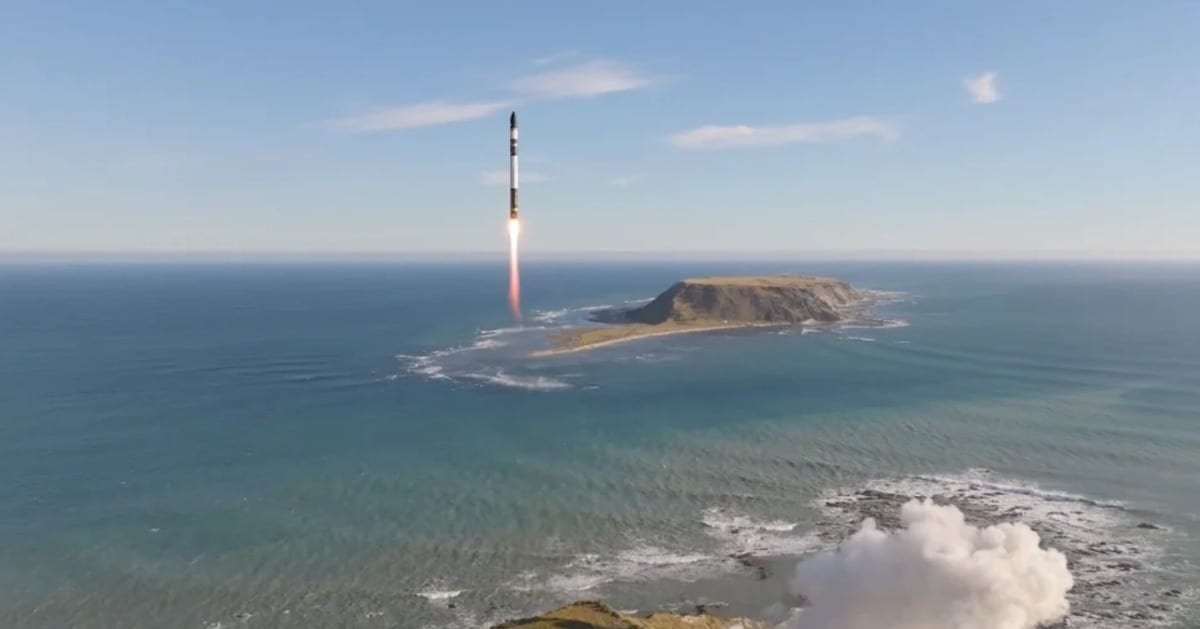
Voyager 1’s journey began on September 5, 1977, when it launched from Launch Complex 41 at Cape Canaveral, Florida, atop the Titan IIE Centaur rocket. It took off after its twin, Voyager 2 (August 20, 1977), but became the first spacecraft to reach interstellar space in 2012 after overtaking the latter on December 15, 1977, thanks to its faster and shorter trajectory. The main purpose of the Voyager missions was to conduct a detailed survey of the outer solar system planets and study their moons.
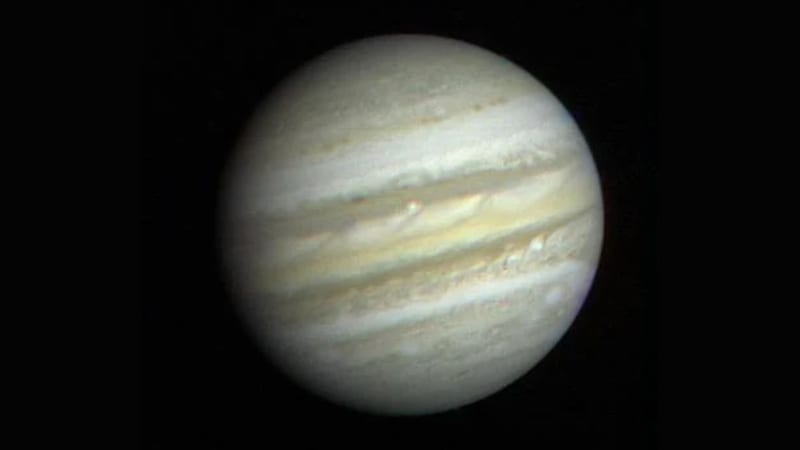
In 1979, Voyager discovered a thin ring system around Jupiter and two new moons, Thebe and Metis. It also discovered five new moons orbiting Saturn and a new ring around it. The images it took of Saturn's moon Titan revealed a thick atmosphere that completely obscured the surface. The spacecraft also found that 90% of the moon's atmosphere is nitrogen. This, along with traces of methane, indicated possible prebiotic chemical reactions on the moon—something that NASA's Dragonfly rotorcraft is going to investigate when it reaches there in late 2034 for a planned 3.3-year mission. Both Voyager spacecraft also contain messages for potential extraterrestrials in the form of a 30-centimeter-diameter gold-plated copper disc, called the 'Voyager Golden Record.' They contain inscriptions that show Earth's location relative to several pulsars, as well as greetings in 55 languages and 90 minutes of music created by some of the most celebrated artists on the planet.
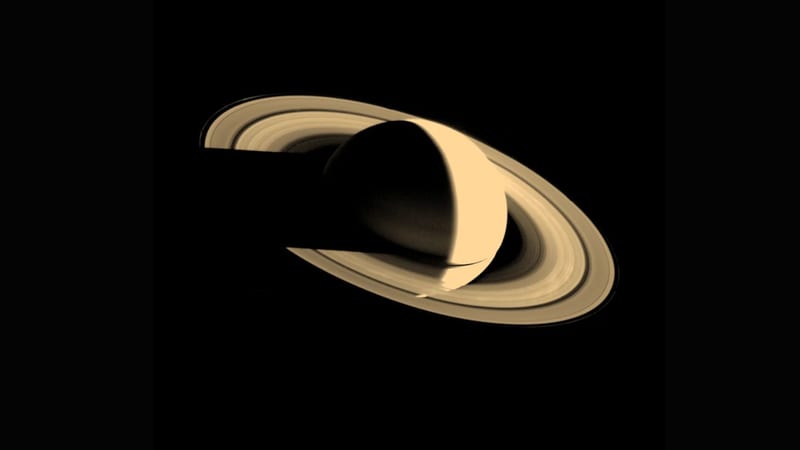
Voyager 1, NASA says, is heading towards a star called Gliese 445, located 17.6 light-years in the constellation Ursa Minor at 38,000 miles per hour (61,000 kph). The spacecraft will pass within about 1.7 light-years of the star in about 40,000 years from now and will be closer to it than our own star, the Sun. Just last month, mission controllers at the Jet Propulsion Laboratory (JPL) restored communications with Voyager 1 after it suffered a glitch following efforts to extend its lifespan. The team found out that a group of its thrusters went offline and the spacecraft put itself in safe mode, halting all science operations. The issue was flagged after engineers shut down three instruments and replaced them with lower-power alternatives to conserve energy and keep the spacecraft running.
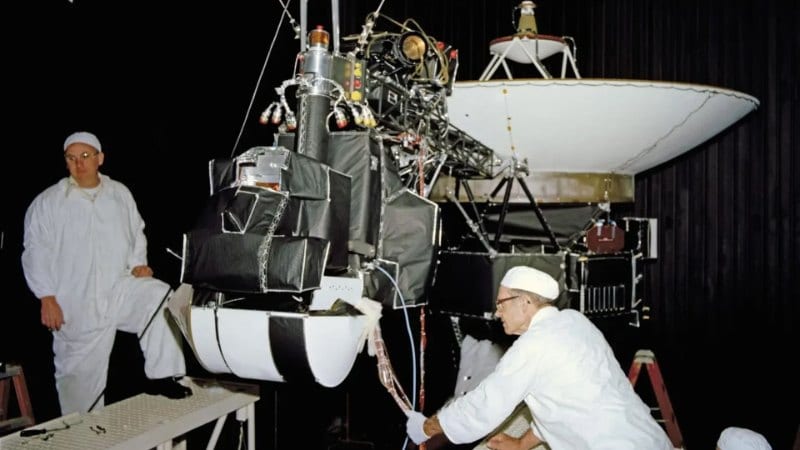
Voyager 2 reached interstellar space in 2018, and it is currently 13.5 billion miles (21.71 billion km) away from our planet. NASA says that this spacecraft will be one light-day away from Earth nine years from now, in 2035. Meanwhile, JPL will host a moderated discussion tomorrow (November 19) to talk about the status of the two spacecraft and the challenges in operating them from such vast distances, among other things. The discussion will begin at 12 p.m. EST and will be streamed online on NASA's X and YouTube pages.
More on Starlust
NASA to unveil first images by Nancy Grace Roman Telescope on December 7; here’s how to tune in live
NASA's $145m gamma-ray telescope, meant to probe Milky Way elements' origins, readies for '27 launch