Could future telescopes reveal oceans on distant Earth-like planets? What latest research says
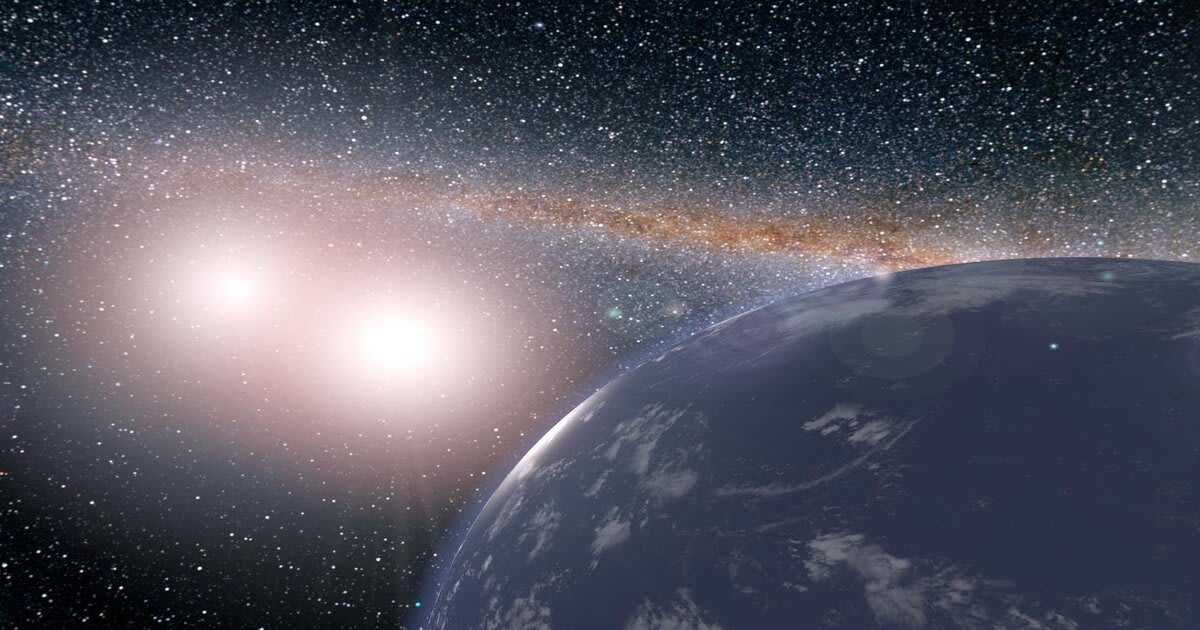
The search for alien life and extraterrestrial civilizations has long sparked curiosity about what might exist in the universe. With every new study, scientists are finding clues that could bring them a little closer to answering a question they have been asking for decades: could life exist beyond Earth?

Generally, in this search, researchers look for liquid water, which is a prerequisite for life as we know it. However, finding an ocean on a distant exoplanet is far from a simple task. Given the vast distances that separate us from our targets of observation, even the most powerful telescopes today cannot see these planets clearly. Now, a new study by researchers from the University of Arizona, available on the preprint server arXiv, has examined whether light from distant Earth-like planets could reveal the presence of oceans.
What is ocean glint, and why does it matter
Ocean glint—when light from a star reflects off the surface of an ocean and travels back towards an observer—is a very basic effect that can also be observed on Earth, and this phenomenon could help scientists look for water on other exoplanets.
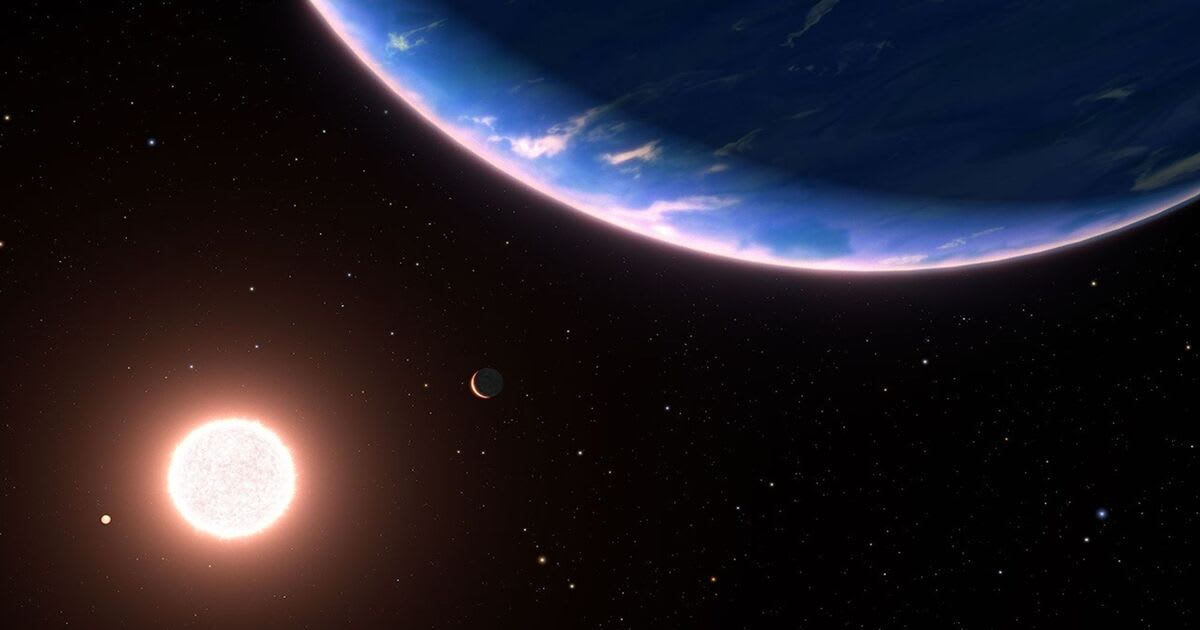
The brightness of these reflections is not steady, and it changes with the angle from which the body is being observed. That change in brightness can also give scientists other clues about what is on the planet's surface. But scientists still needed a way to figure out when that glint would be strong enough to distinguish from other reflected light.
Building a tool to catch the glint
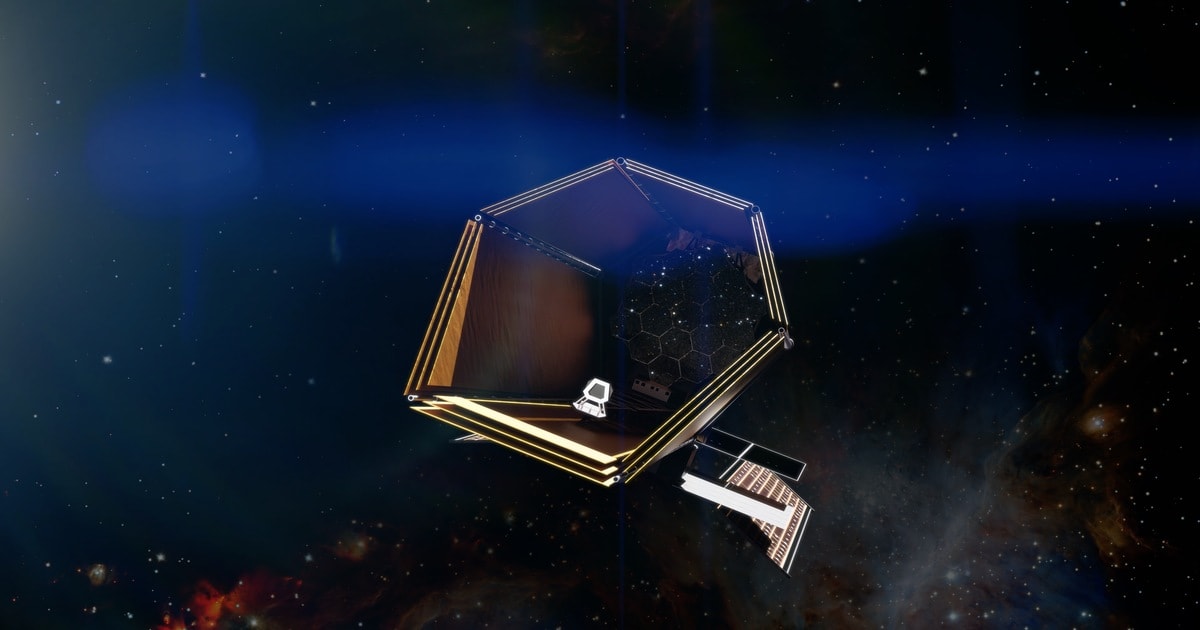
That's the gap Eleanor Cornish and Tyler D. Robinson, researchers working on exoplanet science at the University of Arizona, set out to close. The two researchers used an existing modeling program called rfast and updated it to account for ocean glint. With that change, they could simulate what an Earth-like planet, completely covered in an ocean, might look like in observations from NASA's planned Habitable Worlds Observatory (HWO).
They changed two things as they ran the simulations. They ran the simulations at different phase angles and signal-to-noise ratios. In simple terms, they changed the position from which the planet was being viewed and how clear the data were. They then checked both versions of the model, with and without ocean glint, to see if the glint left a noticeable difference in the results.
120 degrees is where the glint starts to stand out
The clearest result came when the researchers changed the phase angle (the angle between the host star, the exoplanet, and the observer's telescope). At around 120 degrees, ocean glint became much easier to distinguish in the simulated data, whereas earlier research had suggested that ocean glint would require a phase angle of around 130 degrees to be detected. Below the 120-degree mark, the two models were much harder to tell apart. The researchers also found that glint became more noticeable in the red part of the spectrum around this angle.
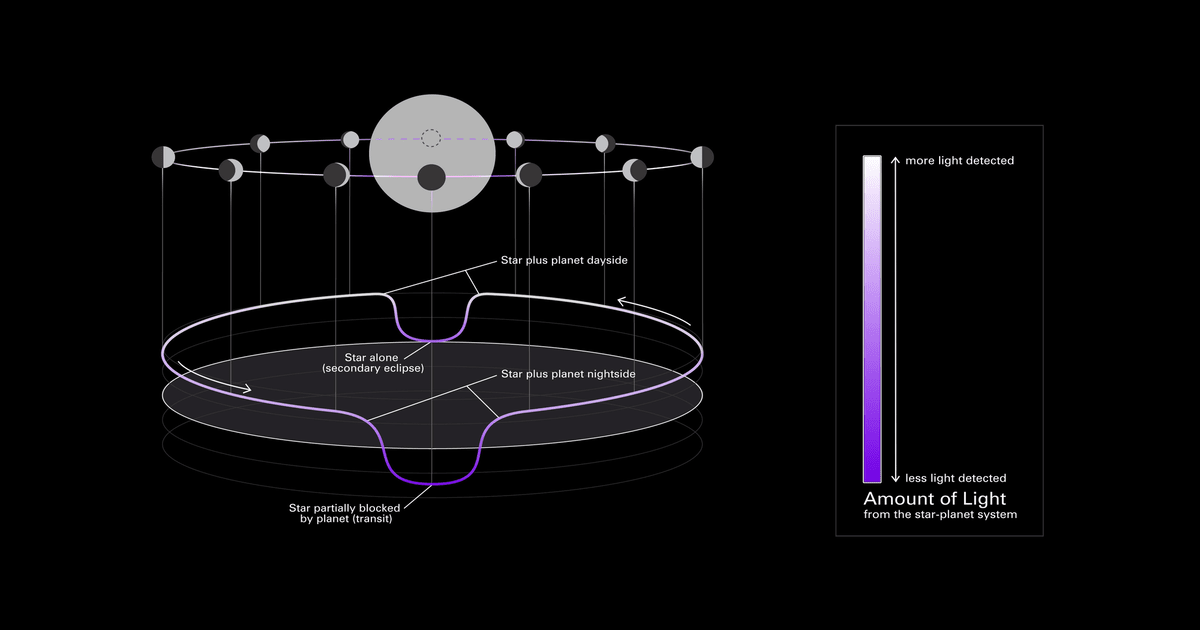
The phase angle matters because it affects how clearly scientists can see the glint. When observing exoplanets, telescopes use a sort of mask called a coronagraph to block out the bright light of the host star, which otherwise obscures planets. This creates a central blind spot that affects exoplanet observation. At the previously estimated 130-degree phase angle, an exoplanet would appear closer to its host star and risk getting lost in the blind spot, but the newly calculated 120-degree sweet spot gives scientists a much wider berth.
Because this new result suggests ocean glint could be visible from a slightly wider viewing angle, it could prove highly useful for future observations with NASA's HWO. The planned telescope is being designed to study Earth-like planets around other stars, and knowing exactly where the glint is most visible will help scientists plan when to look for it.
More on Starlust:
AI tool confirms over 100 exoplanets from NASA's TESS data after scanning 2.2 million stars
Oxygen on exoplanets is not necessarily a sign of life: A new study delves deeper into the problem