'Are we alone?': Artemis II crew discusses important scientific questions the mission will help answer
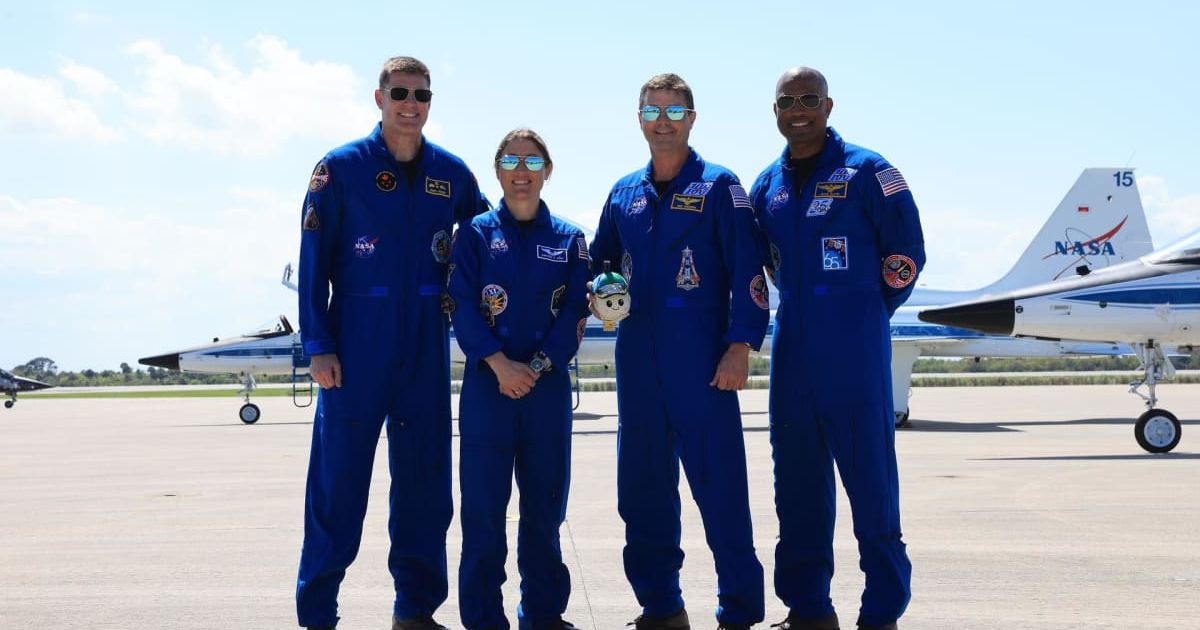
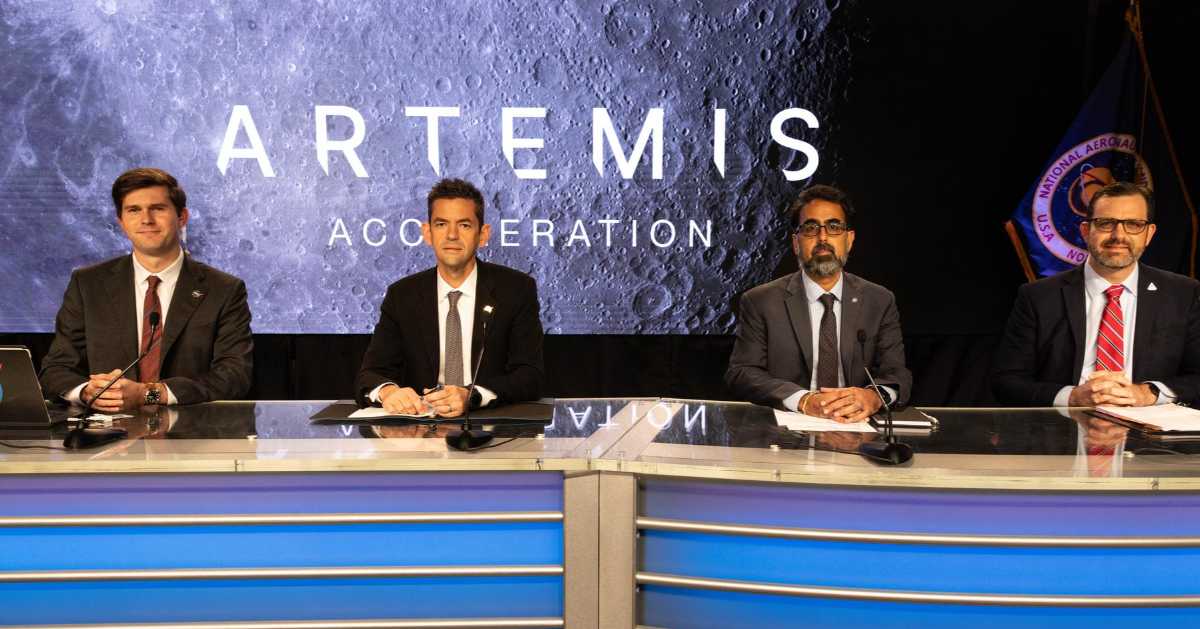
The flight crew of Artemis II sat down to answer a few questions from the media on March 29, 2026, ahead of their voyage around the Moon and back. Among several intriguing points covered by the crew, they were also asked to explain the purpose of the exploration of the Moon en route to that of Mars by NASA. In response, mission specialist Christina Koch took the lead in explaining the industrial and commercial benefits of lunar exploration. However, one of the most pertinent questions the entire program, and in turn, this mission will help answer, was the age-old “Are we alone?” debate, according to the astronaut.
"Many, many countries have recognized the value there is in exploring further into the solar system, to the Moon and on to Mars. They recognize that not only can they gain all these extremely tangible benefits, but that we have the opportunity to answer the question that could be the question of our lifetime, which is, 'Are we alone?'" Koch said. “The Moon is a witness plate to our entire solar system’s formation.” She also explained how the Moon is a “Rosetta Stone" for how distant solar systems form as well, thus forming the basis for humanity’s deep dive into finding other possible life forms beyond Earth.
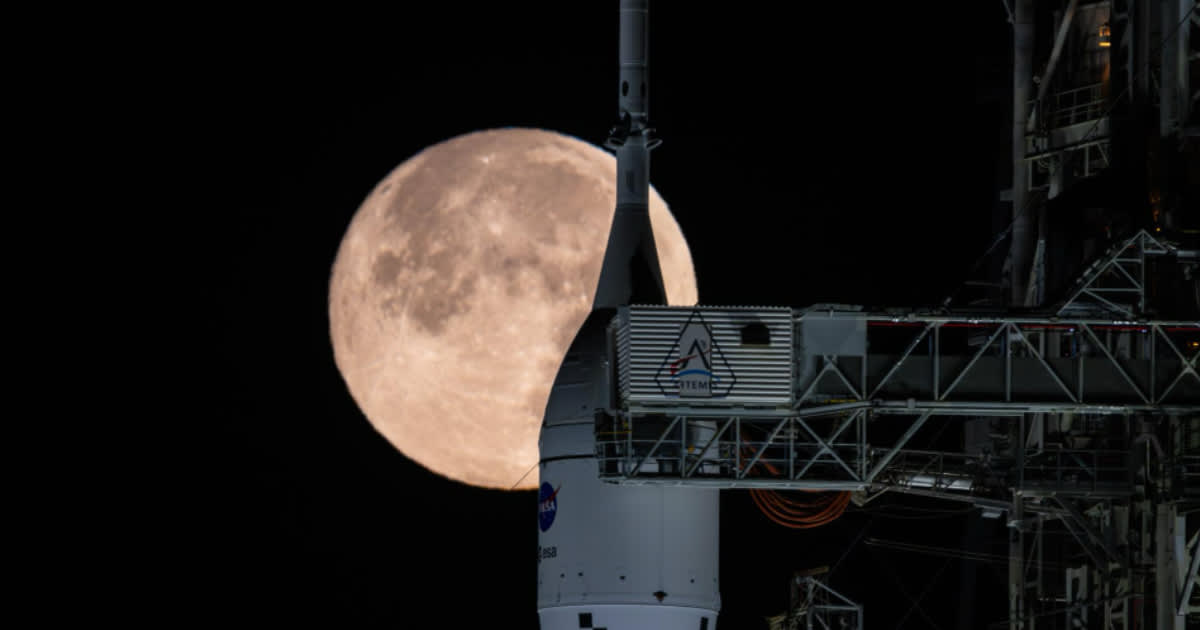
On some of the other objectives of the mission besides the remit to test out Orion spacecraft, the crew also addressed the need to take over manual control in space, something that simulators can’t fully replicate in NASA’s training facilities. While most of the flight is automated, the crew will perform a proximity operations demonstration in high-Earth orbit, piloting Orion to within 10 meters of the jettisoned upper stage. This is to reduce risk for future missions, which will involve docking with other spacecraft. In fact, the feedback from the Artemis II crew during this procedure will help ground teams improve the simulators for Artemis III and beyond.
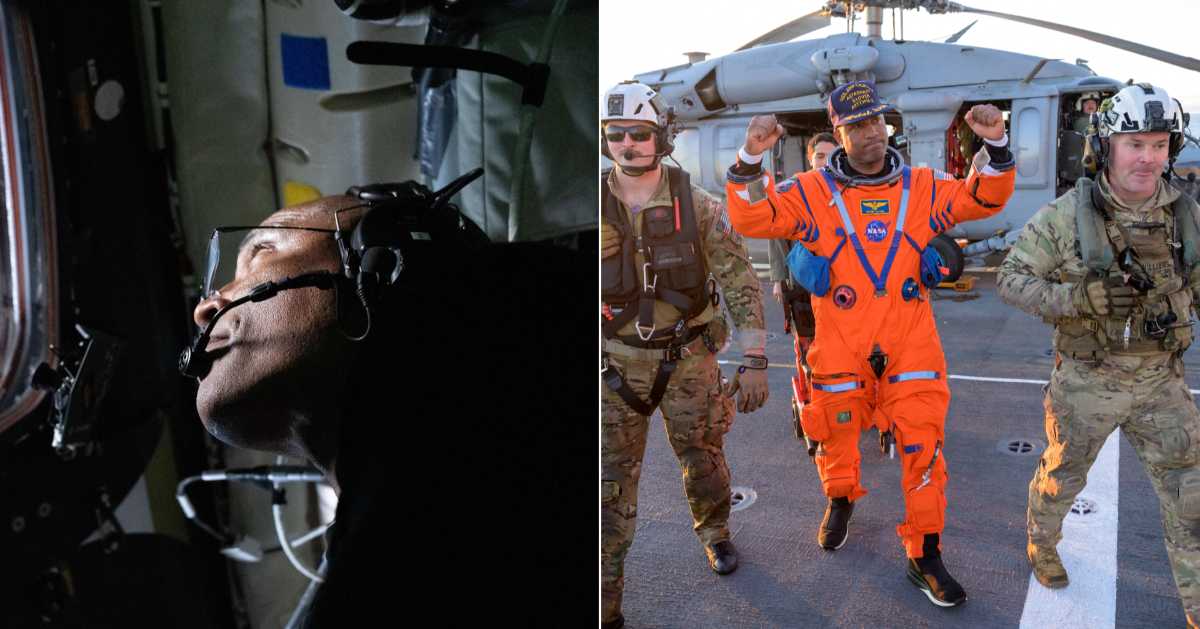
CSA’s mission specialist Jeremy Hansen also expanded on the geological observations the mission aims to make, such as the unexplained transfer of lunar regolith from one place to another and the Orientale basin on the far side, which human eyes have never laid eyes on. Pilot Victor Glover also chimed in with the mention of the figure of 3000 miles, a distance at which humans can start to see colors on the Moon besides its usual monochromatic appearance. "The lunar regolith—we think of it as monochrome, or black and white, or grey—there's olivine, which is green, and pyroxene, which is brown or grey. And so we can get close to see some of those minerals in the regolith up there that add color. And that is one of the things that I'm really looking forward to is being closer and seeing some of that detail," Glover explained.
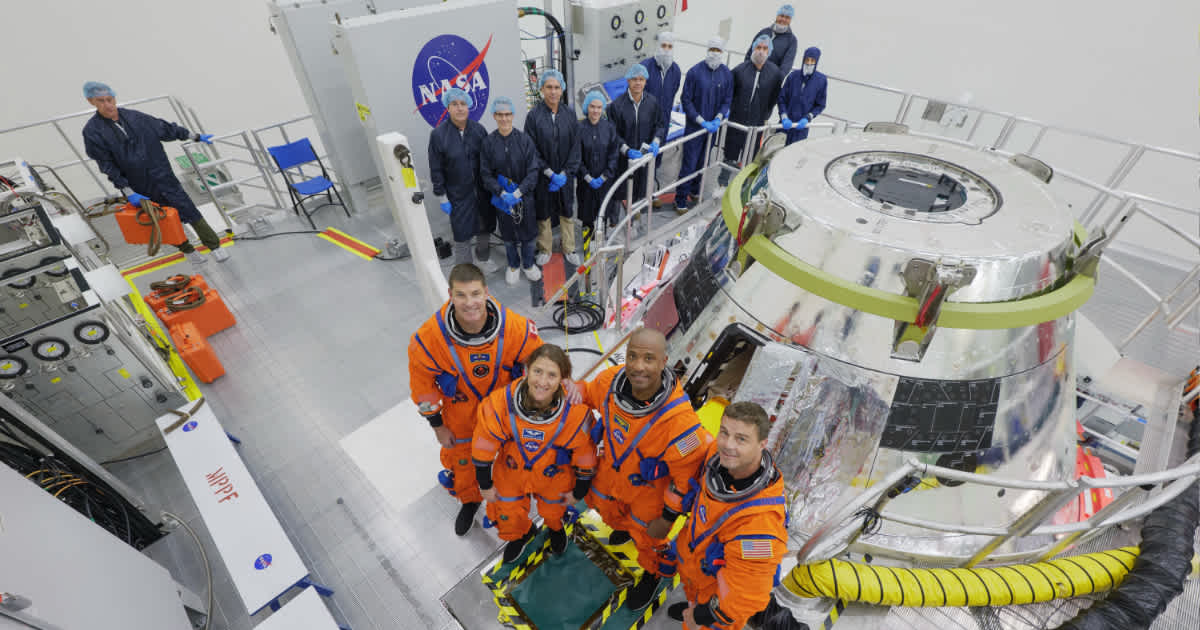
Glover also eloquently addressed a question about the many firsts being tackled by the mission, such as the first person of color, the first woman, and the first non-American to venture beyond low Earth orbit. Explaining that while these superlatives should rightly be celebrated, he hoped that this mission marks the beginning of people of all backgrounds participating in exploratory missions with regularity. “I also hope we are pushing in the other direction. That one day, we don’t have to talk about these firsts…listen to this: that this is the 'human' history. It’s a story of humanity, not black history, not women’s history.”
More on Starlust
Countdown to Artemis II: Here's what will happen in the final hours before this historic launch
Artemis II: All the ways you can keep track of the mission — before, during, and after launch