Starship V4: Elon Musk says the next version of the Starship upper stage will be over 200 feet tall
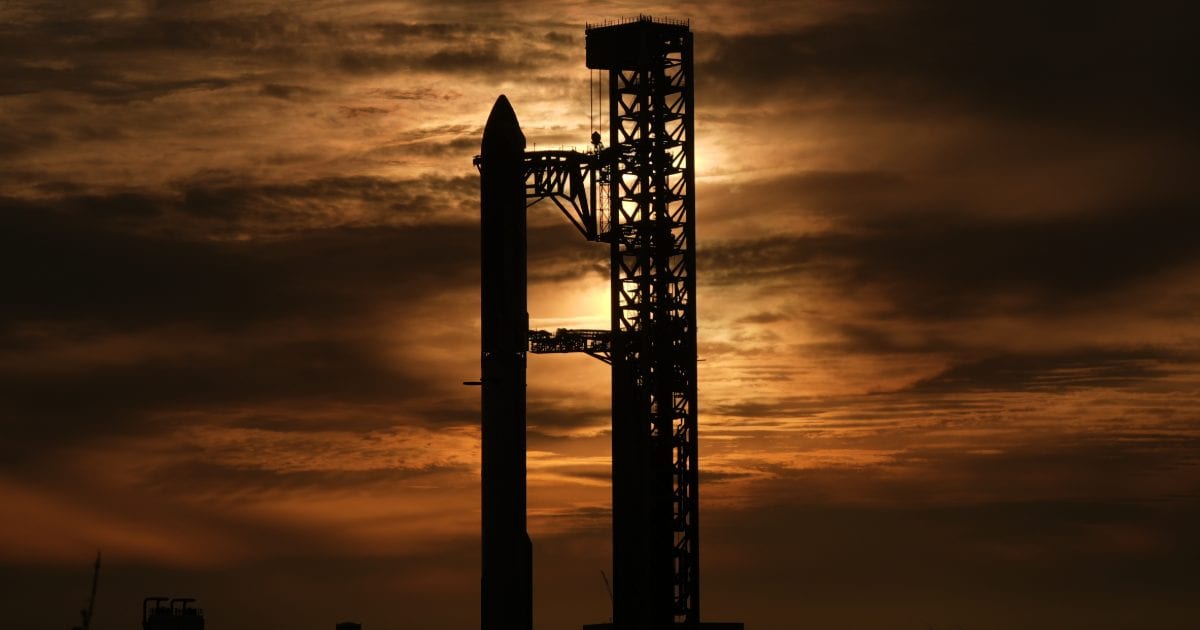
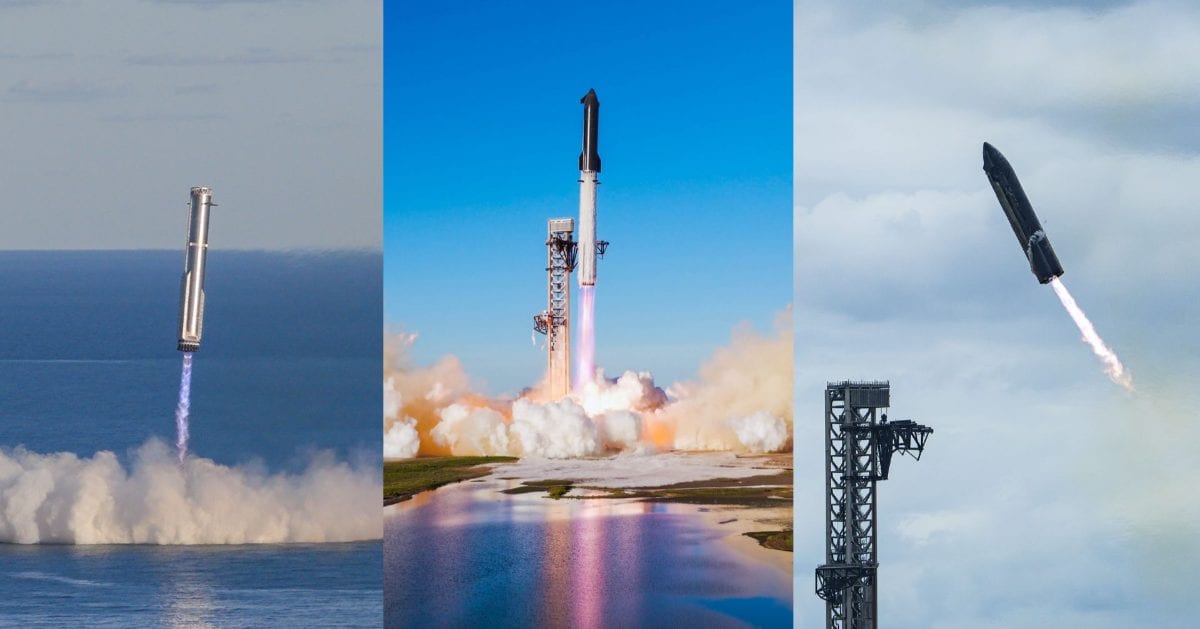
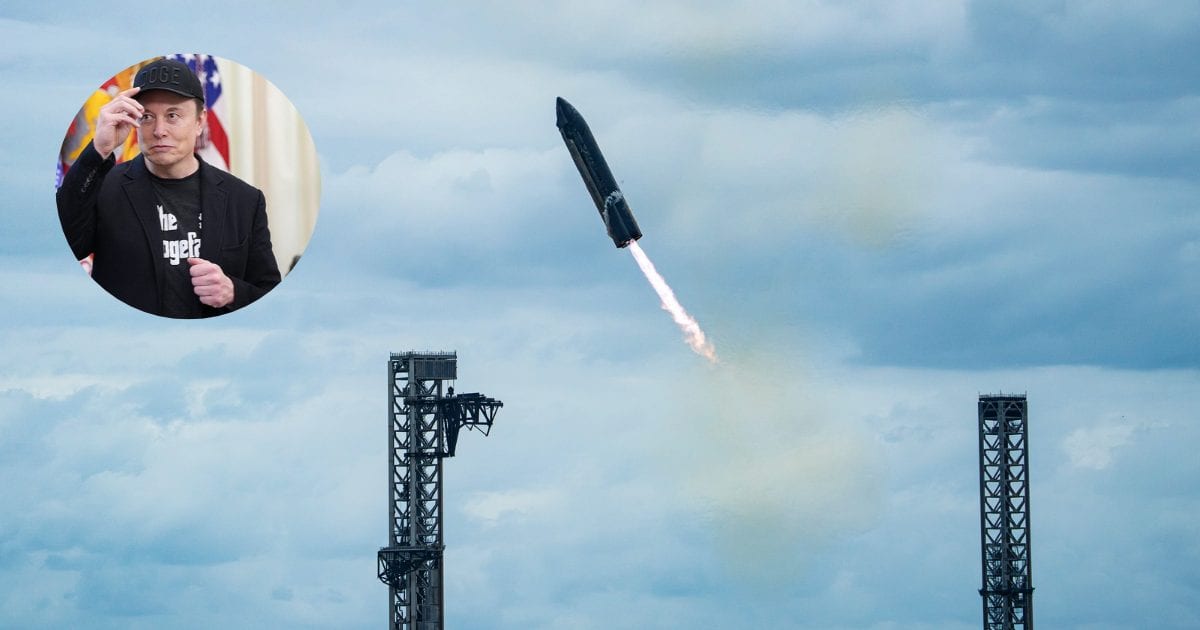
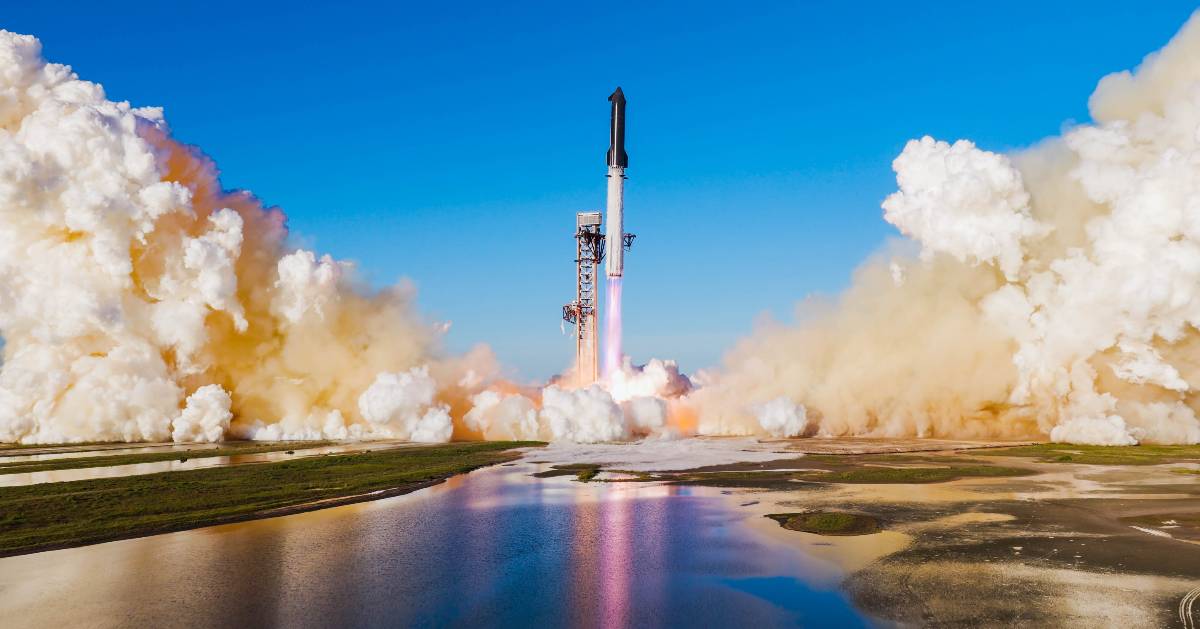
If you were impressed by the Ship 42 tower catch, like the rest of the world, chances are you are going to have your mind blown by what SpaceX has in store for you with Version 4 (V4) of the Starship upper stage. It had only been a day since the historic tower catch, when CEO Elon Musk shared that Starship V4 is going to be about 40 percent taller than the current version (V3). This change in Starship’s height will be significant compared to the increments across the three versions we have seen so far.
Starship V4 will be ~70m long, which is roughly a 40% length increase and allows >60% more propellant load. Engine count will be raised to 9, with 3 more Raptor-Vacuum engines added, and these will be higher thrust V4 engines.
— Elon Musk (@elonmusk) November 16, 2026
Last year, even when V3 hadn't yet flown, Musk had shared a graphic detailing the specifications of Starship V1 through V4. That graphic had the V4 upper stage standing at around 200 feet (61 m), as opposed to the 171 feet (52.1 m) height of V2 and V3 and 165 feet (50.3 m) of V1. In his latest update, however, Musk said that "Starship V4 will be ~70m (230 feet) long." For perspective, the booster stage of NASA's Space Launch System rocket, the launch vehicle for the Artemis Moon missions, is 212 feet (65 m) tall. This increase in height will allow it to carry 60% more propellant, according to Musk. Moreover, consistent with last year's graphic, V4 will be powered by 6 Raptor-Vacuum engines as opposed to 3 in V3, bringing the total engine count to 9 (3 Raptor sea-level engines and 6 vacuum engines). "And these will be higher thrust V4 engines," Musk added.
This slide needs an update, but gives a rough idea of what we’re aiming for with V3 and V4. V3 should be built & tested (maybe flown) by end of this year. V4 is 2027. Probably closer to 150m height and 7500 tons. https://t.co/5WSUR8MORt
— Elon Musk (@elonmusk) August 27, 2025
As their name suggests, the Raptor Vacuum engines are vacuum-optimized versions of the methane-oxygen staged combustion Raptor engines that power both stages of the mega rocket. They feature a larger exhaust section and a larger expansion nozzle to ensure maximum efficiency in the vacuum of space. Goes without saying that these upgrades will allow Starship V4 to carry bigger payloads than its predecessors. What's more, Musk has said more than once in the past that V4 will fly by 2027, even though he did not care to mention if that timeline still holds in his latest update.
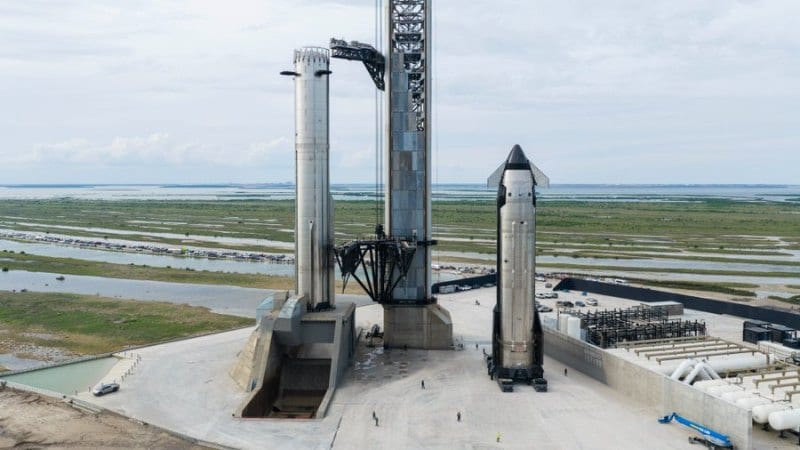
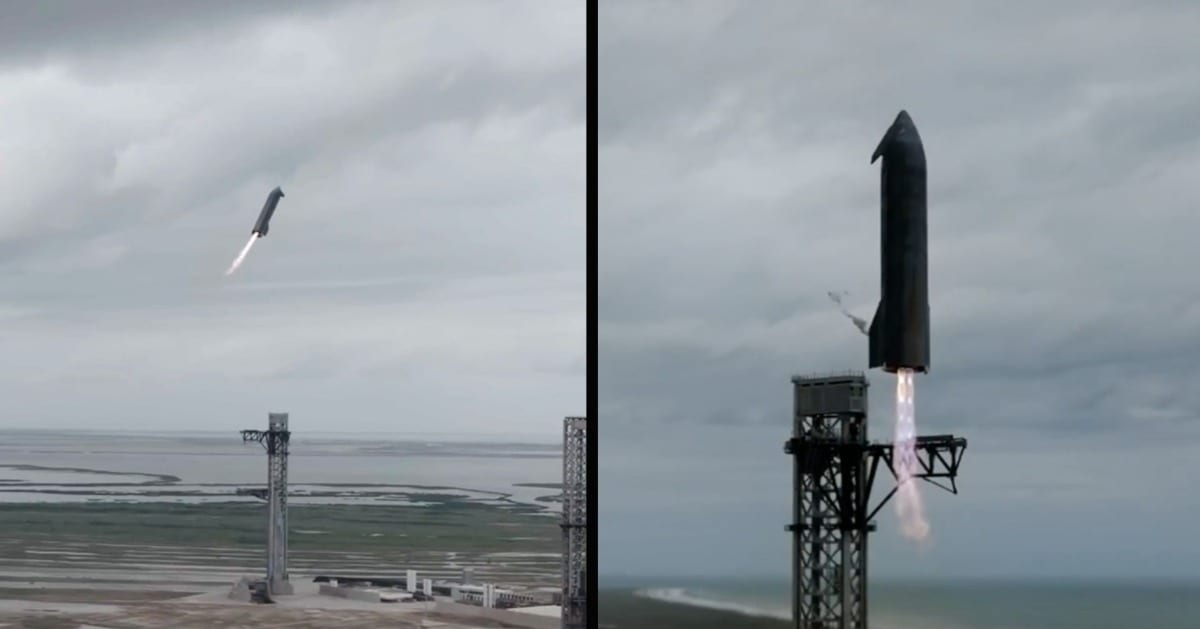
The revelation, of course, comes after Ship 42, which is a V3 variant, achieved a successful return to Pad 2 at Starbase for a historic catch landing on November 14, after a 22.5-hour flight. While the booster (Booster 22) could not be caught during what was the 15th overall flight of Starship, SpaceX has already accomplished this in previous flights of Starship, even though none of them involved the current version of the booster. SpaceX also redesigned the launch infrastructure at Pad 2 before V3 made its debut on Flight 12 earlier this year. And as part of that redesign, the "chopstick arms" on the launch tower were made shorter to allow them to move fast to track the vehicles during catch maneuvers. The newer Starship V4 could necessitate further refinements to the company's launch infrastructure across its launch pads.
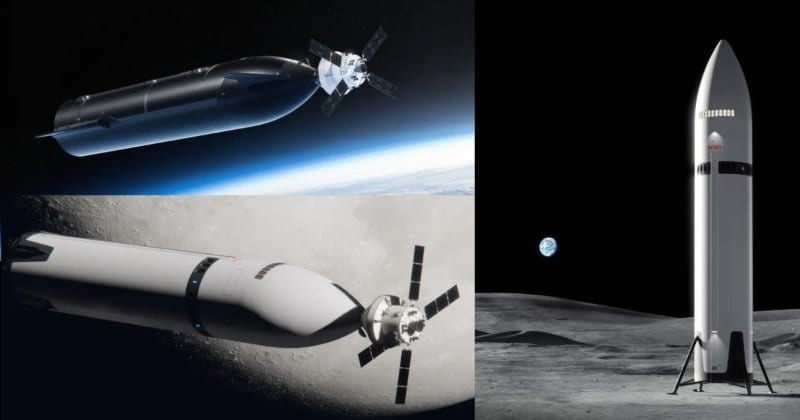
Starship is also slated to play an important role in the upcoming lunar exploration plans being drawn up under the leadership of NASA. Next year, a test article derived from the design of Starship will fly to low Earth orbit to rendezvous and dock with the Orion spacecraft as part of Artemis III. This test article will inform the Human Landing System spacecraft that could be part of the landmark Artemis IV mission, which will return humans to the surface of the Moon for the first time since the Apollo program. SpaceX also plans to start launching Starships weekly in the first half of 2027, so it will be interesting to see exactly when in this timeline, if at all, the company chooses to debut the V4.
More on Starlust
Starship vs Blue Moon: NASA's plan for two landers flying on Artemis IV has some major changes
SpaceX seeks FAA approval for over 450 Starship launches per year from Starbase in Texas